
Are your kitchen cabinets overflowing with food containers, making it hard to find what you need? You’re not alone.
Stacking food containers the right way can save you space, keep your kitchen organized, and even protect your containers from damage. Imagine opening your cupboard and instantly spotting the exact container you want—no more digging through a messy pile. You’ll discover simple, effective tips to stack your food containers like a pro.
Keep reading, and you’ll transform your kitchen clutter into neat, easy-to-access storage.
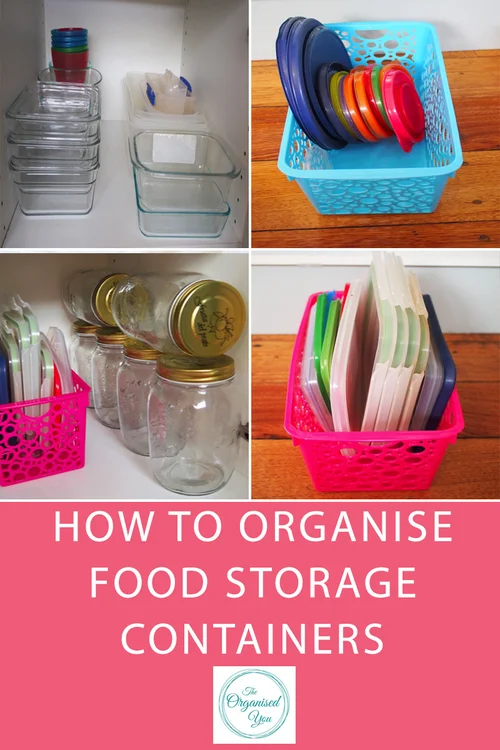
Credit: www.theorganisedyou.com
Choosing The Right Containers
Stacking food containers saves space and keeps your kitchen tidy. Choose the right containers for best results.
Consider materials, size, shape, and design features when selecting containers. These factors help in efficient stacking and storage.
Material Matters
The material of a container affects its durability and safety. Choose materials that meet your needs.
- Plastic containers are lightweight and affordable
- Glass containers are durable and microwave-safe
- Stainless steel containers are sturdy and long-lasting
Size And Shape Options
Size and shape affect how well containers stack. Pick options that fit your storage space.
- Square and rectangular shapes stack easily
- Smaller containers fit into tight spaces
- Uniform sizes stack more securely
Stackable Design Features
Design features improve stacking and organization. Look for features that add convenience.
- Lids with locking tabs prevent spills
- Nesting designs save space when not in use
- Labels help identify contents easily
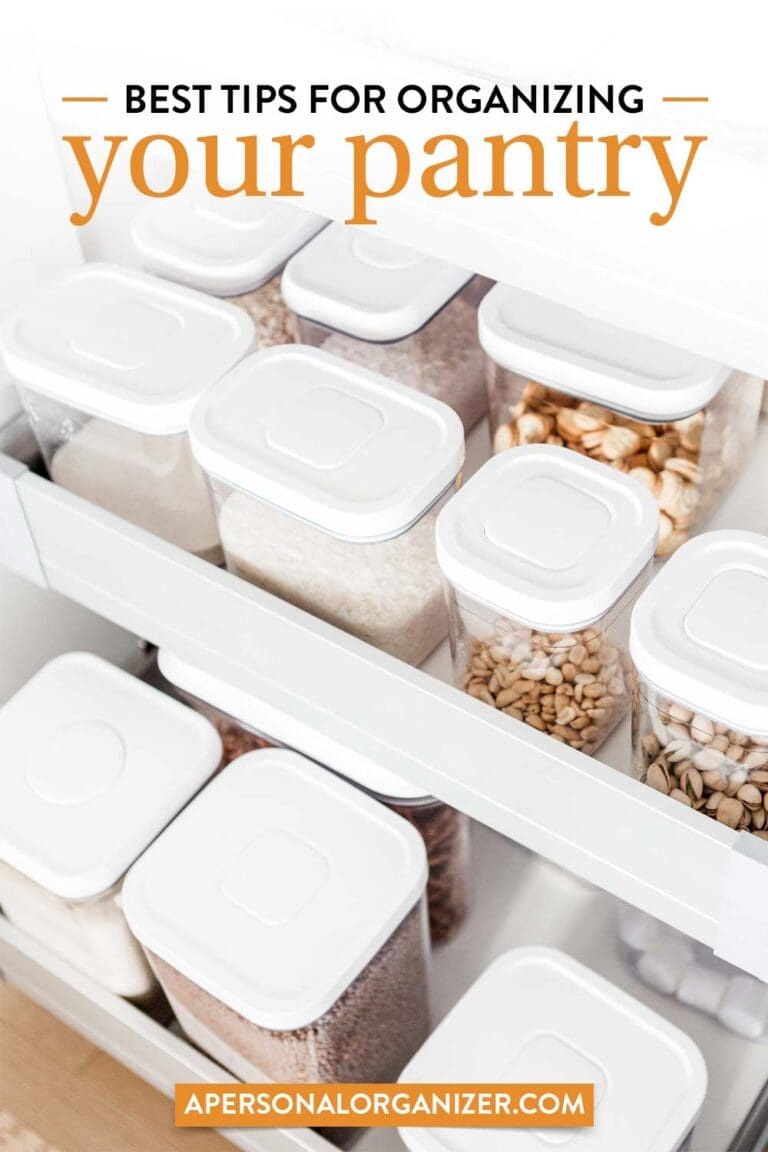
Credit: apersonalorganizer.com
Cleaning And Preparation
Keeping food containers clean and ready helps keep food fresh. Proper preparation makes stacking easier and safer.
Follow simple steps to make sure your containers stay in good shape and your storage space stays organized.
Dry Containers Before Stacking
Always dry containers completely before stacking them. Moisture can cause mold or bad smells inside the containers.
Use a clean towel or air dry the containers. Make sure no water is left in corners or lids.
Remove Lids When Possible
Take off lids before stacking containers. This helps air flow inside and prevents moisture build-up.
Removing lids also reduces the chance of containers getting stuck together or crushed under pressure.
Inspect For Damage
Check containers for cracks, chips, or stains before stacking. Damaged containers can leak or spoil food.
Throw away or recycle containers that are no longer safe to use to keep your storage clean and healthy.
Stacking Techniques
Stacking food containers saves space and keeps your kitchen neat. Using the right techniques helps you avoid spills and breaks.
Good stacking also makes it easier to find containers when you need them. Here are some tips to stack containers properly.
Nest Smaller Containers Inside Larger Ones
Put smaller containers inside bigger ones to save space. This method keeps sets together and reduces clutter.
Make sure the containers fit well to avoid damage. Nesting also helps keep lids organized.
Align Lids For Stability
Place lids flat and aligned before stacking containers on top. This helps keep the stack steady and stops containers from sliding.
If lids are loose or uneven, stacks may fall. Check lids for cracks or warps to keep things stable.
Use Uniform Sets
Use containers and lids that are the same size and shape. Uniform sets stack better and look tidier.
Mixing different brands or shapes can cause uneven stacks. Keep sets together to save time and space.
Space-saving Hacks
Stacking food containers neatly saves space in your kitchen. It helps keep your cabinets and fridge tidy.
Using smart stacking tips makes it easy to find what you need. It also prevents containers from tipping over.
Vertical Vs Horizontal Stacking
Vertical stacking means placing containers one on top of another. Horizontal stacking places them side by side.
Vertical stacking saves more space but can be unstable. Horizontal stacking is safer but uses more shelf space.
- Use vertical stacking for containers with lids that seal tightly.
- Horizontal stacking works well for large containers or trays.
- Mix both types to fit your cabinet size and container shapes.
Utilize Cabinet Doors And Drawers
Cabinet doors and drawers offer extra space for small containers. Use racks or hooks to hold containers on doors.
Drawers can store containers flat or stacked. Use drawer dividers to keep containers organized and easy to grab.
- Attach racks or baskets inside cabinet doors.
- Keep lids in one drawer and containers in another.
- Use drawer dividers to separate container sizes.
Label Containers For Easy Access
Labeling containers helps you find food quickly. Use simple labels with the food name and date.
Labels keep your kitchen organized. They also reduce waste by letting you know when food expires.
- Write the food name clearly on the label.
- Add the date when you stored the food.
- Use waterproof labels or tape for durability.
Maintenance Tips
Stacking food containers keeps your kitchen neat and saves space. To keep them in good shape, regular maintenance is important.
Proper care helps containers last longer and stay clean for safe food storage.
Regularly Declutter
Check your food containers often to remove any that are cracked or stained. Old containers can take up space and cause clutter.
Throw away or recycle containers that no longer work well. Keep only what you need and use.
Rotate Containers For Usage
Use containers in a rotation to avoid damage from long storage. This practice keeps all containers in good condition.
Take older containers out first to use, and place cleaned ones at the back or bottom of the stack.
Store Lids Separately
Keep lids in a different place from containers. This prevents lids from getting lost or damaged.
Use a basket or divider to store lids by size or shape for easy matching later.
- Stack lids flat to save space
- Group lids by container type
- Check lids for cracks before storing

Credit: cleanheartmaids.com
Frequently Asked Questions
How Do I Prevent Containers From Sticking Together?
Use containers with slightly different shapes or sizes to avoid tight nesting. Place a small paper towel between containers to keep them separate and easy to pull apart.
What Is The Best Way To Stack Containers Safely?
Stack containers by size, placing larger ones at the bottom. Ensure lids are secure to prevent slipping and keep stacks stable.
Can I Stack Containers Without Lids?
Stacking without lids is possible but less stable. For safety and space efficiency, always stack with lids on.
How To Maximize Space When Stacking Food Containers?
Nest smaller containers inside larger ones. Use uniform shapes to create compact stacks and free up more kitchen space.
Conclusion
Stacking food containers saves space and keeps your kitchen neat. Choose containers that fit well together and are easy to stack. Always clean and dry containers before stacking to avoid mess. Label containers to find food quickly and avoid waste.
Keep heavier containers at the bottom for safety. Small steps like these make storage simple and stress-free. Organize your kitchen with these easy stacking tips today.