
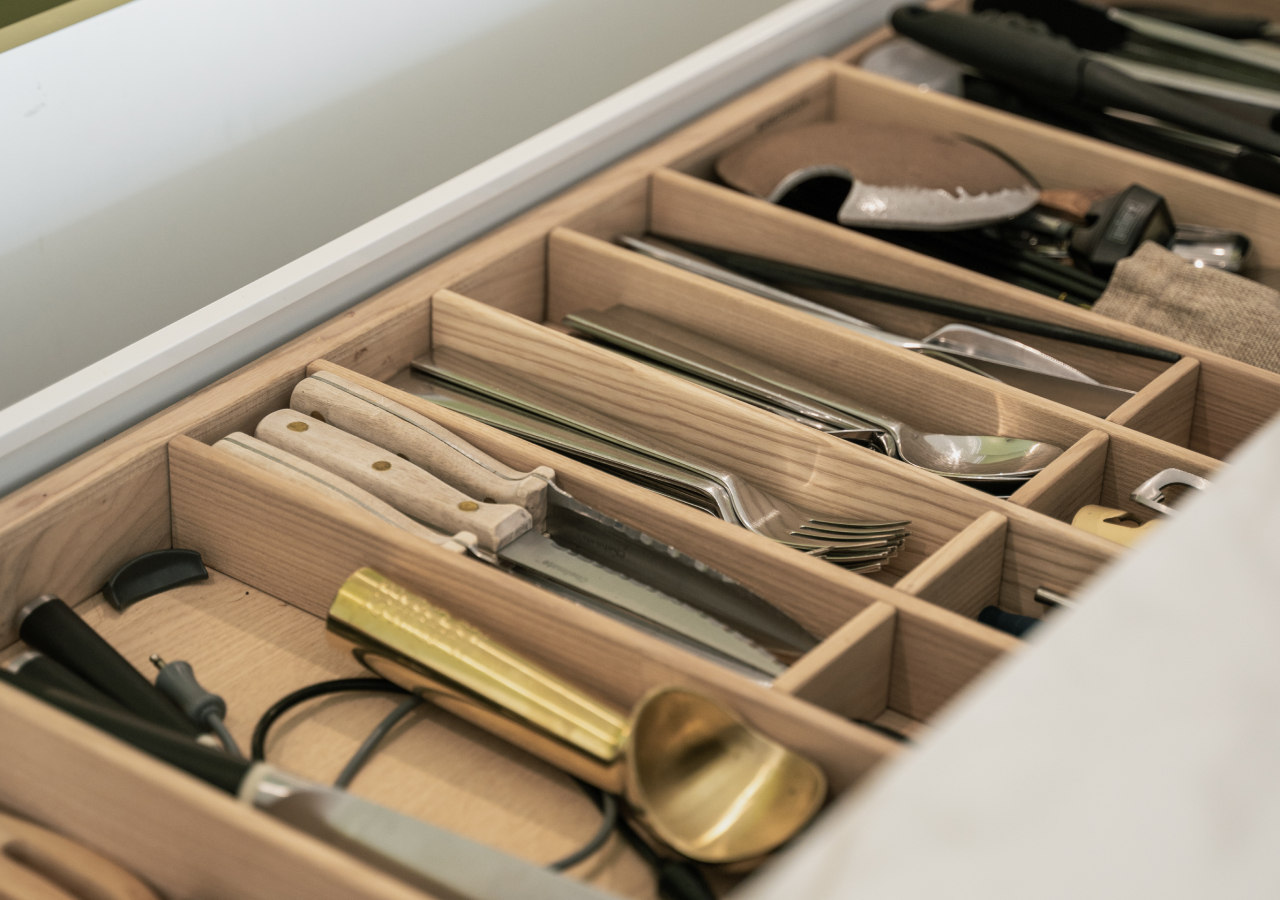
Are you tired of digging through a messy drawer every time you need a fork or spoon? Organizing your cutlery doesn’t have to be a frustrating chore.
With a few simple steps, you can transform your drawer into a neat, easy-to-navigate space. Imagine opening your drawer and instantly finding exactly what you need—no more wasted time or stress. You’ll discover practical tips to arrange your cutlery efficiently, making your kitchen routine smoother and more enjoyable.
Keep reading, and take the first step toward a clutter-free drawer today!
Credit: creators.yahoo.com
Choose The Right Organizer
Organizing your cutlery drawer makes your kitchen efficient. The right organizer keeps everything in place and easy to find.
Consider the size of your drawer and the types of utensils you use. A well-organized drawer saves time and reduces stress.
Types Of Cutlery Trays
There are different types of cutlery trays. Each type suits different needs and drawer sizes.
Expandable trays fit any drawer size. Fixed trays have specific compartments. Choose based on your cutlery collection.
- Expandable trays adjust to drawer width
- Fixed trays have set compartments
- Custom trays can be built for unique layouts
Materials And Durability
Materials affect the durability and look of your organizer. Common materials include wood, plastic, and metal.
Wooden trays offer a classic look. Plastic trays are lightweight and easy to clean. Metal trays are durable and modern.
- Wood: elegant but needs care
- Plastic: easy to clean and affordable
- Metal: long-lasting and sleek
Sort Cutlery By Type
Organizing your drawer cutlery helps you find utensils quickly. Sorting by type keeps your drawer neat and easy to use.
Separate spoons, forks, knives, and specialty utensils. This makes meal preparation and cleanup faster and simpler.
Separate Spoons
Keep spoons together to avoid searching for them later. Group teaspoons, tablespoons, and serving spoons separately.
- Teaspoons for stirring and small servings
- Tablespoons for cooking and eating
- Serving spoons for dishes and salads
Separate Forks
Forks come in different sizes and uses. Keep dinner forks and salad forks in separate sections.
- Dinner forks for main courses
- Salad forks for salads and appetizers
- Specialty forks for seafood or desserts
Separate Knives
Store knives carefully for safety and ease. Group butter knives, steak knives, and paring knives in their own spots.
- Butter knives for spreading
- Steak knives for cutting meat
- Paring knives for peeling and small tasks
Include Specialty Utensils
Specialty utensils are used less often. Keep them in a separate section to avoid clutter.
- Measuring spoons and cups
- Can openers and peelers
- Cooking tools like tongs and whisks
Maximize Drawer Space
Organizing cutlery in your drawer can save time and keep your kitchen neat. Using smart methods helps you use all the space well.
Good organization stops clutter and makes it easy to find what you need fast. Try these tips to get the most from your drawer.
Use Adjustable Dividers
Adjustable dividers let you change the size of each section in your drawer. This fits different types of cutlery neatly and keeps them separated.
With dividers, you avoid mixing spoons, forks, and knives. You can also create space for other tools like peelers or scissors.
- Change divider positions to fit large or small items
- Keep similar cutlery together for quick access
- Prevent items from sliding around in the drawer
- Easy to clean and rearrange as needed
Stack Vertically When Possible
Stacking cutlery vertically uses height, not just the drawer’s floor. This method can save space and show items clearly.
Vertical stacks work well for spoons and forks. Keep each type in its own stack to stay organized and easy to grab.
- Use small trays or containers to hold vertical stacks
- Place heavier items at the bottom for balance
- Label stacks if needed to find items faster
- Check drawer depth to avoid overcrowding
.webp)
Credit: cornerrenovation.com
Keep Frequently Used Items Accessible
Organizing your drawer cutlery helps save time and reduces clutter. Keeping the items you use often within easy reach makes your kitchen more efficient.
Focus on placing your daily utensils where you can grab them quickly. This simple habit keeps your cooking and dining tasks smooth.
Position Essentials Upfront
Put the cutlery you use every day at the front of the drawer. This includes forks, knives, spoons, and any special tools you need often.
Use dividers or trays to separate these essentials. This keeps them neat and easy to find without digging through the drawer.
- Forks
- Knives
- Spoons
- Butter knives
- Measuring spoons
Store Less Used Items At The Back
Place cutlery you rarely use toward the back of the drawer. This might include specialty utensils or serving tools.
This arrangement keeps the front clear for daily items. It also helps you avoid clutter and saves space in your drawer.
- Steak knives
- Serving forks and spoons
- Extra chopsticks
- Specialty kitchen tools
Maintain Cleanliness
Keeping your drawer clean helps your cutlery stay in good shape. Dirt and crumbs can cause damage and bad smells.
Regular cleaning keeps your kitchen neat and makes finding utensils easier. It also stops pests from coming.
Regularly Remove And Wash Organizers
Take out your cutlery organizers often to clean them well. Dirt can build up in small spaces and cause stains.
Wash the organizers with warm water and mild soap. Dry them completely before putting them back to avoid mold.
- Remove all cutlery first
- Use a soft brush to clean tight spots
- Rinse with clean water
- Dry with a towel or air dry
Wipe Drawer Interiors
Clean inside the drawer every time you clean the organizers. Dust and crumbs collect in corners and edges.
Use a damp cloth with mild soap to wipe the drawer’s inside. Dry it fully before placing your cutlery back.
- Remove all items from the drawer
- Wipe all surfaces, including corners
- Dry with a clean cloth to avoid moisture
- Check for any damage or pests
Label Sections For Easy Access
Organizing your drawer cutlery makes cooking and eating easier. Labeling sections helps you find items quickly.
Clear labels reduce clutter and save time when you need forks, knives, or spoons.
Use Simple Labels
Use easy words for labels like “Forks” or “Spoons”. Simple words help everyone understand.
Choose a clear font and large letters for easy reading. Place labels where you can see them at a glance.
- Use printed labels or write with a permanent marker
- Stick labels on dividers or drawer bottom
- Keep labels clean and replace if they fade
Color Coding Tips
Use colors to group similar cutlery. Colors help you find items faster than words alone.
Assign a color to each type of cutlery or use colors for different family members’ sections.
- Red for knives, blue for forks, green for spoons
- Use colored tape or labels for easy changes
- Match label colors with drawer organizers for neatness
Incorporate Multi-functional Tools
Organizing cutlery efficiently saves time and space. Using multi-functional tools helps keep drawers neat.
These tools combine several functions, reducing clutter and making access easier.
Include Small Containers For Extras
Small containers keep extra items like clips, rubber bands, or small gadgets in one place. They stop things from moving around in the drawer.
You can use small plastic or metal containers to separate these extras. This makes it easy to find what you need quickly.
- Use containers for battery packs or small tools
- Label containers for easy identification
- Place containers at the drawer corners
Store Matching Sets Together
Keep matching cutlery sets in the same section. This helps you find pairs quickly when setting the table.
Grouping similar items also makes the drawer look organized and clean.
- Place forks, knives, and spoons in separate compartments
- Use dividers to keep sets apart
- Stack items neatly to save space
.webp)
Credit: cornerrenovation.com
Frequently Asked Questions
What Is The Best Way To Organize Cutlery In Drawers?
Use drawer dividers or trays to separate types of cutlery. Arrange items by frequency of use for easy access. Keep similar utensils together for better organization and efficiency.
How Can I Maximize Space In A Cutlery Drawer?
Use adjustable or customizable dividers to fit different utensil sizes. Consider vertical storage or stacking trays to save space. Remove rarely used items to keep the drawer clutter-free.
What Materials Work Best For Cutlery Drawer Organizers?
Wood, bamboo, plastic, and metal are common materials. Choose durable and easy-to-clean materials that match your kitchen style. Non-slip liners can prevent cutlery from sliding inside the drawer.
How Often Should I Clean And Reorganize My Cutlery Drawer?
Clean and reorganize every 1 to 3 months. Regular maintenance prevents clutter and keeps utensils hygienic. Use this time to declutter and discard damaged or unused cutlery.
Conclusion
Organizing drawer cutlery helps save time and reduces kitchen mess. Use trays or dividers to keep items separated. Group similar utensils together for easy access. Regularly clean and declutter your drawer to maintain order. Small changes make your kitchen feel more spacious and neat.
A tidy drawer makes cooking and serving much easier. Try these simple tips to keep your cutlery drawer efficient every day.