
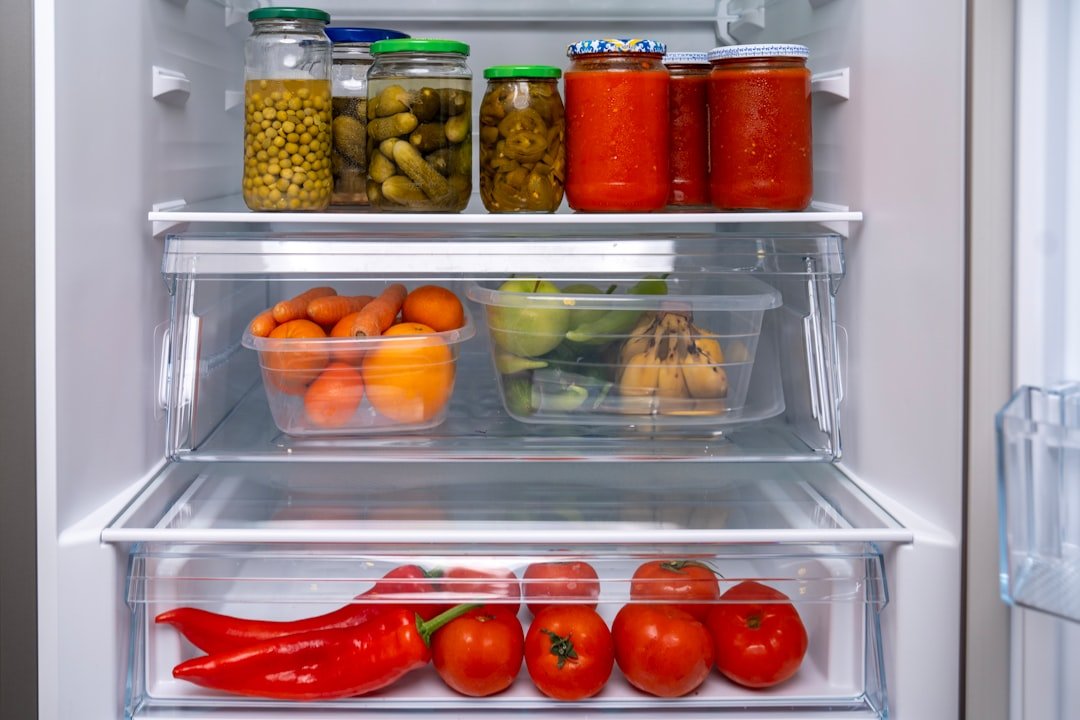
Is your pantry a cluttered mess that makes finding ingredients frustrating? Imagine opening your pantry and instantly spotting exactly what you need.
Organizing your pantry by food type can transform your kitchen experience, saving you time, reducing waste, and even making meal prep more enjoyable. You’ll discover simple, effective steps to arrange your pantry so everything has its place. Ready to turn chaos into order?
Let’s dive in and create a pantry that works for you.
Benefits Of Organizing By Food Type
Organizing your pantry by food type makes finding items easy. It saves time when cooking and shopping. You can see what you have at a glance.
Group similar items together for a tidy pantry. This helps you know where everything is located. It can also prevent food waste.
Ease Of Access
When items are sorted by type, you find them faster. This makes cooking less stressful. You can grab what you need without searching.
Imagine reaching for pasta and knowing exactly where it is. This simple system keeps everything in its place.
- Canned goods on one shelf
- Snacks in a dedicated bin
- Baking supplies in a single area
Efficient Shopping
Seeing what you have helps you shop smarter. You avoid buying duplicates. This saves money and reduces clutter.
When you know your stock, making a shopping list becomes easier. You buy only what is needed.
- List items by category
- Check pantry before shopping
- Plan meals around pantry stock
Reduced Food Waste
Organizing by type helps keep track of expiration dates. You use older items first. This prevents food from spoiling.
Less food waste means more savings. You use what you buy, and nothing goes to waste.
- Rotate items to use oldest first
- Store foods with short shelf life at the front
- Label shelves with food categories
Assessing Your Pantry Space
Organizing your pantry starts with knowing the space you have. This helps you plan where to place different food types.
Look at your shelves, drawers, and corners to see how much room is available. This makes sorting easier.
Measure Your Pantry Dimensions
Use a tape measure to find the height, width, and depth of your pantry. Write these numbers down.
Knowing the size helps you pick containers and decide how to arrange food by type.
Check Shelf Strength And Height
Look at how much weight your shelves can hold. Heavy cans need strong shelves.
Also, note the height between shelves. Tall items need more space, like cereal boxes or bottles.
Identify Pantry Zones
Divide your pantry into zones based on shelf space and usage. This helps group similar foods together.
- Top shelves for rarely used items
- Middle shelves for everyday foods
- Lower shelves for heavy or bulky goods
- Drawers for snacks or small packages
Take Inventory Of Current Items
Look through your pantry and list all food types you have. This helps plan space for each group.
Remove expired items and decide what to keep or donate. This clears space and reduces clutter.
Consider Storage Containers And Tools
Think about containers that fit your pantry space. Clear bins and labels help keep food organized by type.
Use baskets or lazy Susans to use space well and reach items easily.
Sorting Foods Into Categories
Organizing your pantry by food type makes it easier to find what you need. It also helps keep your kitchen tidy and reduces waste.
Start by sorting all your food items into groups. This way, you can store similar items together for quick access.
Dry Goods
Dry goods include items like rice, pasta, beans, and cereals. These foods are shelf-stable and do not need refrigeration.
Keep dry goods in airtight containers to maintain freshness and prevent pests.
- Rice and grains
- Pasta and noodles
- Dried beans and lentils
- Cereals and oats
- Flour and cornmeal
Canned And Jarred Items
Canned and jarred foods last a long time and include vegetables, fruits, and sauces. Store them in a cool, dry place.
Arrange cans and jars by type or use. This helps you quickly find what you need for cooking.
- Canned vegetables and beans
- Canned fruits
- Tomato sauces and pastes
- Jams and preserves
- Pickles and olives
Spices And Herbs
Spices and herbs add flavor to meals. Keep them in small containers or jars with clear labels.
Store spices in a dark, cool spot to keep their aroma and taste strong.
- Dried herbs like basil and oregano
- Ground spices such as cinnamon and pepper
- Whole spices like cloves and nutmeg
- Seasoning blends and mixes
Snacks And Sweets
Snacks and sweets include chips, cookies, and candies. Store these in clear containers or original packaging.
Keep snacks at eye level for easy access during busy days.
- Chips and crackers
- Cookies and biscuits
- Chocolate and candies
- Granola bars and nuts
Baking Supplies
Baking supplies include ingredients like sugar, baking powder, and vanilla extract. Store them together in one section.
Use airtight containers for sugar and flour to avoid clumps and pests.
- Sugar and brown sugar
- Baking powder and baking soda
- Vanilla and other extracts
- Chocolate chips and nuts
- Yeast and gelatin
Refrigerated And Frozen Items
Refrigerated and frozen foods need cold storage to stay fresh. Organize them by type in your fridge or freezer.
Label items with dates to track freshness and avoid waste.
- Dairy products like milk and cheese
- Fresh vegetables and fruits
- Meats and seafood
- Frozen meals and leftovers
- Ice cream and frozen desserts

Credit: www.houseofharveyblog.com
Choosing Storage Containers
Organizing your pantry by food type starts with picking the right containers. Containers keep food fresh and easy to find.
Good containers save space and help you see what you have. This makes cooking and shopping simpler.
Clear Containers
Clear containers let you see the food inside without opening them. This helps you know when you need to buy more.
Use clear containers for dry foods like pasta, rice, and beans. They make your pantry look neat and organized.
- Make it easy to check food levels
- Reduce food waste by seeing what you have
- Create a clean and uniform look
Airtight Options
Airtight containers keep food fresh longer by blocking air and moisture. This is important for snacks and cereals.
Choose airtight containers for flour, sugar, coffee, and nuts. They protect food from bugs and spoilage.
- Seal food to keep it fresh
- Prevent insects and pests
- Keep strong smells inside the container
Labels And Tags
Labels help you quickly find what you need. Write the food name and expiration date on each container.
Use tags or stickers that are easy to remove and replace. This keeps your pantry tidy and updated.
- Write clearly with a marker or label maker
- Label both front and top of containers
- Update labels when you refill containers
Arranging Pantry Shelves
Organizing your pantry by food type makes it easier to find items. It also helps keep your kitchen clean.
Arranging shelves properly allows you to use space well and keep foods fresh longer.
Grouping Similar Items
Put foods that are alike on the same shelf or area. This makes it faster to locate what you need.
For example, keep baking supplies, canned goods, and snacks each in their own groups.
- Place grains like rice and pasta together
- Keep canned vegetables and fruits on one shelf
- Group breakfast items like cereals and oatmeal
Using Bins And Baskets
Bins and baskets help keep small items from falling over or getting lost. They keep things tidy.
Label bins for quick access and easy restocking. Clear bins let you see contents at a glance.
- Use baskets for snack packets or spice jars
- Store loose items like onions or garlic in bins
- Group baking tools or mixes in one container
Maximizing Vertical Space
Use shelf risers or stackable containers to add levels on your shelves. This saves space.
Store tall items like cereal boxes in the back and shorter items in front. This keeps everything visible.
- Add tiered organizers for cans and jars
- Use clear stackable containers for dry goods
- Hang small baskets or racks on the pantry door

Credit: www.foodrepublic.com
Maintaining Pantry Organization
Keeping your pantry organized by food type helps you find items quickly. It also reduces food waste and keeps everything neat.
To maintain this order, follow simple habits like cleaning, checking inventory, and rotating stock regularly.
Regular Cleaning
Clean your pantry shelves often to avoid crumbs and spills. This keeps pests away and your food safe.
Wipe down shelves and containers with a damp cloth. Remove expired or damaged items during cleaning.
Inventory Checks
Check your pantry stock regularly to know what you have. This helps you avoid buying duplicates or missing essentials.
Make a list of items running low. Update it before shopping to save time and money.
Rotating Stock
Use older food items first to prevent them from expiring. Place new items at the back of shelves.
- Move older products to the front
- Put new purchases behind older stock
- Check expiration dates during rotation
Tips For Easy Access
Organizing your pantry by food type helps you find items quickly. This saves time during cooking and meal prep.
Use smart placement and storage ideas to keep everything easy to reach. This makes your pantry more user-friendly.
Placing Frequently Used Items
Put the foods you use most often at eye level. This helps you grab them without bending or stretching.
Keep these items near your main cooking area for quick access. Group similar items together for better order.
- Place spices, oils, and sauces on a shelf near the stove
- Keep snacks and breakfast items in the front
- Store baking ingredients in one container or basket
Child-friendly Zones
Create lower shelves or bins for kids to reach their snacks and drinks. This gives them independence and keeps them safe.
Use clear containers so kids can see what is inside. Label items with pictures or simple words for easy recognition.
- Store cereals, fruit cups, and juice boxes at child height
- Keep sweet treats in a special basket
- Use child-proof containers for any allergen items
Using Door Space
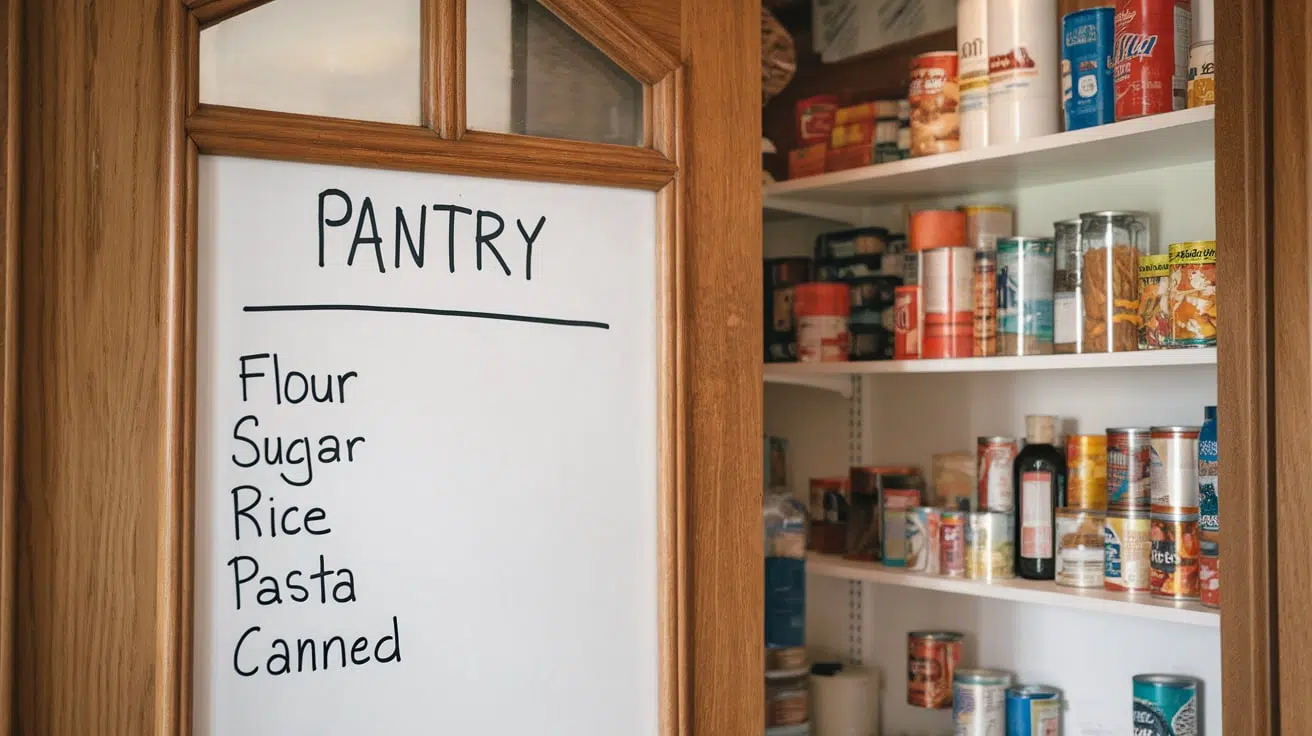
The inside of your pantry door is great for extra storage. Use racks or hooks to hold small items and keep counters clear.
Store packets, measuring spoons, or small jars on the door. This uses space well and keeps items visible.
- Install spice racks on the door for easy spice access
- Hang baskets for snack bags or seasoning packets
- Use adhesive hooks for measuring cups or small tools
Credit: enthrallinggumption.com
Frequently Asked Questions
How Do I Categorize Pantry Items By Food Type?
Start by grouping similar items like grains, canned goods, snacks, and spices. Use clear labels to identify each category. This method keeps your pantry organized and easy to navigate.
What Containers Work Best For Organizing Pantry Food?
Use airtight, clear containers to store dry goods. They keep food fresh and make it easy to see contents. Choose uniform sizes for a neat, space-saving look.
How Often Should I Reorganize My Pantry By Food Type?
Reorganize your pantry every 3 to 6 months. This helps remove expired items and maintain order. Regular checks prevent clutter and food waste.
Can Organizing By Food Type Improve Meal Planning?
Yes, organizing by food type simplifies meal prep. It helps you quickly find ingredients and track what you have. This reduces shopping trips and food waste.
Conclusion
Organizing your pantry by food type makes cooking easier and faster. You find what you need without stress or mess. Group similar items together for clear, neat shelves. Label containers to save time searching later. Keep frequently used foods at eye level.
Check expiration dates often to avoid waste. A tidy pantry helps you plan meals better. Small steps create a big difference in your kitchen. Start organizing today and enjoy a calm, clean space. Simple habits keep your pantry neat and useful every day.