
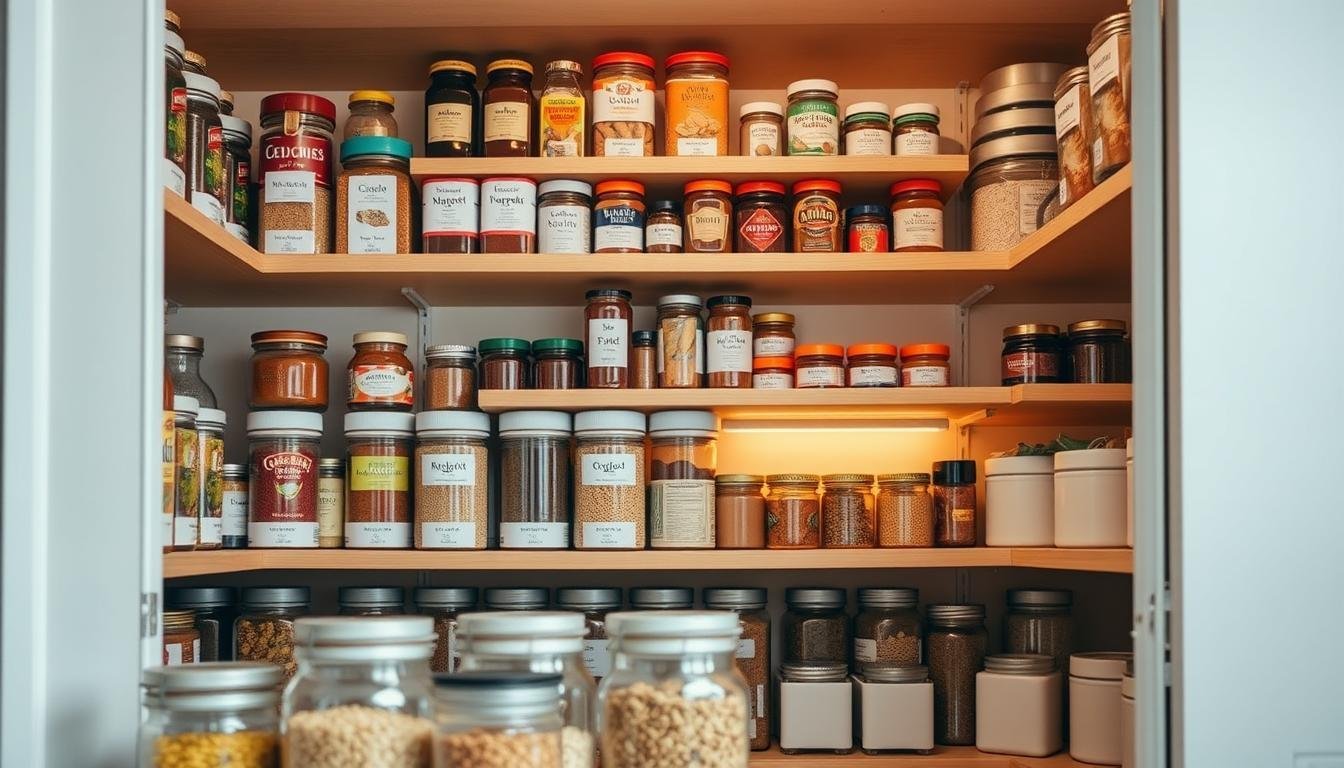
Is your pantry a chaotic mess where finding what you need feels impossible? Imagine opening your pantry and instantly spotting every item without digging through piles.
Organizing your pantry by category efficiently can save you time, reduce food waste, and make cooking a joy. You’ll discover simple, effective steps to transform your pantry into a neat, easy-to-use space. Ready to take control of your kitchen and make your life easier?
Let’s get started.
Benefits Of Categorizing Pantry
Organizing your pantry by category can make life easier. You find what you need quickly. It also keeps your pantry neat and tidy.
Let’s explore some benefits of categorizing your pantry. Each benefit helps you in different ways.
Saves Time
Categorizing your pantry saves you time. You won’t waste time searching for items. You know exactly where everything is.
Quick access to items makes cooking faster. It also helps you when making a shopping list.
Reduces Food Waste
Categorizing helps you keep track of food. You use older items before they expire. This reduces food waste and saves money.
You see what you have, so you don’t buy duplicates. This keeps your pantry efficient and cost-effective.
Improves Pantry Space
Organizing by category maximizes space. You store items in a way that fits your pantry. This makes room for more items.
Neatly stacked or grouped items look better. This makes it easy to clean and maintain your pantry.
Eases Meal Planning
When items are categorized, meal planning is easier. You see all ingredients for a recipe in one place.
Knowing what you have helps in planning meals for the week. This reduces stress and makes cooking enjoyable.
Enhances Safety
Organizing your pantry enhances safety. Heavy items are stored low, preventing accidents.
It also keeps cleaning supplies away from food, which is safer for your family.
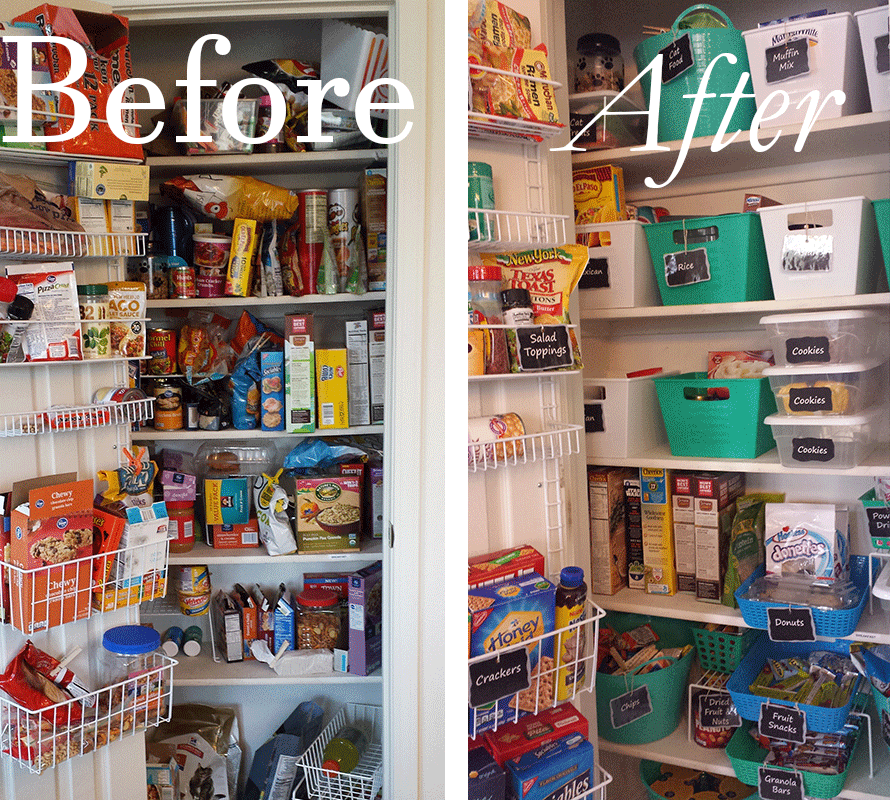
Credit: kitchcrafteds.com
Assessing Your Pantry Space
Organizing your pantry starts with knowing the space you have. This helps you decide how to arrange your items.
Look closely at your pantry to find the best way to use every shelf and corner.
Measure Your Pantry Dimensions
Use a tape measure to check the height, width, and depth of your pantry. Write down the numbers.
Knowing the size helps you pick containers and shelving that fit well.
Note Shelf Space And Layout
Look at each shelf to see how much space you have. Check if shelves are fixed or adjustable.
Adjustable shelves give more options to fit different sized items.
Identify Dark Or Hard-to-reach Areas
Spot corners or shelves that are hard to see or reach. These may need special organizing tools.
- Use clear containers in dark spots
- Add small lights if possible
- Place less-used items in hard-to-reach areas
Check For Ventilation And Humidity
Good air flow helps keep food fresh. Look for vents or windows near your pantry.
If your pantry is humid, use airtight containers to protect items.
Assess Your Storage Needs
Think about what types of food you store most. Group similar items to find storage needs.
- Dry goods like pasta and rice
- Canned foods
- Snacks and baking supplies
- Spices and small jars
Choosing Pantry Storage Containers
Organizing your pantry starts with picking the right storage containers. Good containers keep food fresh and easy to find.
Choose containers that fit your space and the type of food you store. Clear containers help you see what you have.
Types Of Containers
There are many container types for different pantry items. Pick containers that match the food’s size and shape.
- Airtight containers:Keep dry foods fresh and stop pests.
- Stackable containers:Save space by stacking neatly.
- Clear containers:Make it easy to see contents at a glance.
- Jars with lids:Good for grains, nuts, and spices.
- Bins and baskets:Hold snacks or packets together.
Labeling Tips
Labeling helps you find items quickly and keep your pantry tidy. Use simple labels that everyone can read.
Write the food name and expiration date if possible. Use the same style for all labels to keep a neat look.
- Use waterproof labels or tape to avoid smudging.
- Write clearly with a permanent marker or printed labels.
- Place labels at the front and center of each container.
- Update labels when you refill containers.

Credit: www.consumerreports.org
Sorting Pantry Items By Category
Organizing your pantry by category helps you find items quickly. It also keeps your space neat and tidy.
Sort pantry items into groups based on their type. This makes cooking and shopping easier.
Dry Goods
Dry goods include pasta, rice, beans, and cereals. Store them in airtight containers to keep them fresh.
Use clear containers so you can see the contents. Label each container with the item name.
- Rice
- Pasta
- Beans
- Cereals
- Oats
Canned Foods
Canned foods last a long time and are easy to stack. Keep similar cans together for quick access.
Organize by type, such as vegetables, fruits, or soups. Check expiration dates regularly.
- Vegetables
- Fruits
- Soups
- Beans
- Fish and meats
Spices And Herbs
Spices and herbs add flavor to meals. Store them in a cool, dry place away from sunlight.
Use small jars or containers and label each clearly. Group spices by use or alphabetically.
- Common spices like salt and pepper
- Herbs like basil and oregano
- Specialty blends
- Whole spices
Snacks
Snacks include chips, nuts, and granola bars. Keep them in easy-to-reach spots.
Use bins or baskets to keep snacks together. This prevents clutter and helps track what you have.
- Chips and crackers
- Nuts and seeds
- Granola and energy bars
- Dried fruits
Baking Supplies
Baking supplies include flour, sugar, and baking powder. Store them in sealed containers to avoid pests.
Group ingredients by type like dry or wet. Keep measuring tools nearby for convenience.
- Flour and sugar
- Baking powder and soda
- Chocolate chips
- Vanilla and extracts
Beverages
Beverages include tea, coffee, and juice boxes. Store them where you can grab them quickly.
Use shelves or racks for bottles and cans. Keep similar drinks together for easy selection.
- Tea bags and loose leaf tea
- Coffee beans or grounds
- Juice boxes and bottles
- Soda cans
Arranging Items For Easy Access
Organizing your pantry by category helps you find items quickly. It also keeps your kitchen neat and tidy.
Arranging items for easy access saves time while cooking and shopping. You can see what you have and what you need.
Frequently Used Items
Keep items you use every day in the front or at eye level. This makes grabbing them fast and simple.
Group these items together so you do not waste time searching. Examples include spices, cooking oils, and snacks.
- Place daily spices near the stove
- Keep cooking oils on a low shelf close to prep areas
- Store snacks at kid-friendly heights
Bulk Storage
Store large quantities of food in clear containers. Use stackable bins to save space and keep items visible.
Put bulk items like rice, flour, and beans on higher or less-used shelves. Label containers with contents and dates.
- Use airtight containers to keep food fresh
- Group similar bulk items together
- Label containers clearly for quick ID
Expiration Date Management
Check expiration dates regularly to avoid waste. Place items that expire soon in front to use them first.
Organize pantry shelves so the oldest items come forward. This helps keep your food fresh and safe to eat.
- Sort items by expiration date
- Use clear bins to spot soon-to-expire goods
- Write dates on unlabeled packages
Maintaining Pantry Organization
Keeping your pantry organized by category helps find items quickly. It also saves time and reduces food waste.
Regular care is important to maintain order. Simple routines keep your pantry neat and easy to use.
Regular Cleaning
Clean your pantry at least once a month. Remove expired items and wipe shelves to keep them fresh.
Organize items by category after cleaning. This helps keep everything in its place and easy to find.
- Take everything out before cleaning
- Use a damp cloth to wipe shelves
- Check expiration dates on all items
- Dispose of expired or spoiled food
- Replace items in their categories neatly
Inventory Tracking
Track your pantry items to know what you have. This prevents buying duplicates and running out of essentials.
Keep a list of items and update it when you use or buy things. This list can be on paper or a phone app.
- Write down items as you add or use them
- Group items by category on the list
- Check the list before shopping
- Update list after each shopping trip
- Include quantities and expiration dates if possible
Restocking Strategies
Restock your pantry regularly to keep it full and organized. Replace items before they run out completely.
Buy in small amounts to avoid clutter. Focus on items you use often and store them in their categories.
- Check inventory list before restocking
- Buy only what you need
- Store new items behind older ones
- Keep frequently used items in front
- Use clear containers for easy visibility
Maximizing Small Pantry Spaces
Organizing a small pantry can be tricky. You want to fit many items without clutter.
Using smart storage ideas helps save space and keeps everything easy to find.
Vertical Storage
Use vertical space to store items up and down, not just side to side. Tall shelves or stacking containers work well.
This method helps keep small items off counters and frees up shelf space.
- Stack clear bins to see contents easily
- Use tiered racks for cans and jars
- Install hooks or pegboards for hanging tools
Door Organizers
The inside of pantry doors is great for extra storage. Slim racks or pockets can hold spices, snacks, or small packets.
Door organizers keep items visible and easy to reach without taking shelf space.
- Use spice racks for bottles and jars
- Hang clear pockets for snacks and packets
- Choose adjustable racks to fit different items
Adjustable Shelving
Adjustable shelves let you change shelf height as needed. This flexibility fits tall bottles or short boxes perfectly.
Changing shelf height helps use every inch of your pantry efficiently.
- Move shelves to create space for large items
- Use smaller shelves for spices or cans
- Add shelf risers to double storage space

Credit: www.lifeinjeneral.com
Eco-friendly Pantry Tips
Keeping your pantry organized helps reduce waste and saves money. Using eco-friendly methods makes your kitchen better for the planet.
Sorting pantry items by category and using sustainable tools can create a clean, green space. These tips help you stay eco-friendly while staying organized.
Reusable Containers
Choose reusable containers instead of plastic bags or single-use packaging. Glass jars, metal tins, and sturdy plastic containers work well.
Reusable containers keep food fresh longer and reduce trash. Label containers with contents and expiration dates for easy use.
- Use airtight glass jars for dry goods like rice and beans
- Store snacks in metal tins to avoid plastic waste
- Choose stackable containers to save space
- Wash and reuse containers often to keep them clean
Reducing Food Waste
Plan meals and buy only what you need. This helps avoid throwing away spoiled food.
Organize pantry items by use-by date. Put older items in front so you use them first.
- Check pantry weekly to spot expired food
- Save leftovers in clear containers for quick meals
- Freeze extra food before it goes bad
- Compost food scraps instead of throwing them away
Frequently Asked Questions
How Do I Categorize Pantry Items Efficiently?
Group items by type, like grains, canned goods, and snacks. Label each category clearly for easy access. Use containers to keep similar items together and maximize space.
What Are The Best Containers For Pantry Organization?
Use clear, airtight containers to keep food fresh and visible. Choose stackable options to save space. Containers should be durable and easy to clean.
How Often Should I Reorganize My Pantry?
Reorganize your pantry every 3 to 6 months. This helps remove expired items and maintain order. Regular checks prevent clutter and keep your pantry efficient.
How Can Labeling Improve Pantry Organization?
Labeling identifies categories quickly and prevents confusion. Use clear, readable labels on shelves and containers. It helps everyone in the household find items easily.
Conclusion
Organizing your pantry by category saves time and reduces stress. Group similar items together for easy access. Clear containers help you see what you have quickly. Label shelves or bins to keep things tidy. Regularly check for expired food and clean the space.
Small steps lead to a neat and functional pantry. Enjoy cooking with everything in its right place. A well-organized pantry makes meal prep simple and fast. Keep up the habit for lasting order and ease.