

Choosing the right compostable plates and cups can feel overwhelming. You want products that are good for the planet but also strong enough to hold your food and drinks without falling apart.
Making the right choice means less waste and a healthier environment. You’ll discover simple tips to pick compostable tableware that fits your needs perfectly. Keep reading to learn how to make smarter, eco-friendly choices that benefit you and the world around you.
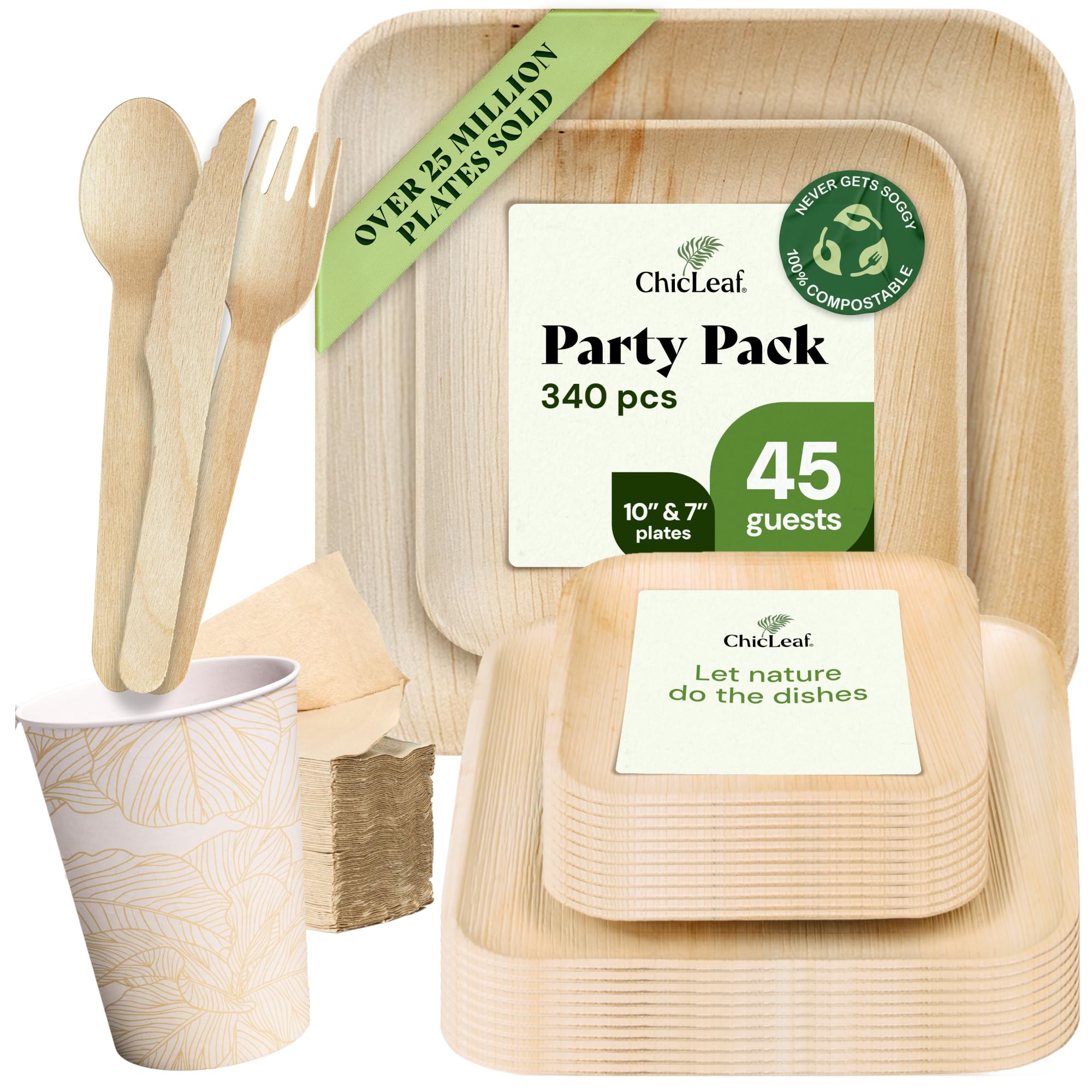
Credit: www.amazon.com
Benefits Of Compostable Tableware
Compostable plates and cups are a great choice for parties. They break down naturally and help the planet. Let’s explore their benefits.
These items are made from natural materials. They are a smart option for anyone who wants to reduce waste.
Environmental Impact
Compostable tableware is eco-friendly. It breaks down in compost piles instead of landfills. This reduces pollution and saves space.
Using compostable items helps the earth. It supports sustainable practices and lowers your carbon footprint.
Health And Safety
Compostable plates and cups are safe for food. They do not have harmful chemicals like some plastics. This makes them a healthy choice.
They are also strong and reliable. You can use them without worrying about leaks or breaks.
Waste Reduction
Choosing compostable tableware cuts down on trash. They turn into soil instead of piling up in dumps. This helps to keep our environment clean.
Using these items means less plastic waste. It encourages others to make better choices for our planet.
- Less landfill waste
- Supports composting initiatives
- Encourages sustainable habits
Materials Used In Compostable Plates And Cups
Compostable plates and cups are made from natural materials that break down easily. These materials help reduce waste and protect the environment.
Choosing the right material can affect how well the product works and how fast it decomposes.
Plant-based Fibers
Plant-based fibers come from natural plants like bamboo, wheat straw, or palm leaves. These fibers are strong and can be shaped into plates and cups.
They break down quickly in compost and do not leave harmful residues. These materials are often sturdy and heat resistant.
- Bamboo fibers are lightweight and durable
- Wheat straw is a byproduct of grain farming
- Palm leaves are naturally water-resistant
Bagasse And Sugarcane
Bagasse is the leftover fiber after extracting juice from sugarcane. It is a popular material for compostable plates and cups.
Bagasse products are sturdy, heat resistant, and break down in compost within a few months. They are often white or off-white in color.
- Made from sugarcane waste
- Strong and moisture resistant
- Breaks down quickly in compost
Pla And Other Bioplastics
PLA stands for polylactic acid. It is a bioplastic made from fermented plant sugars, usually corn or sugarcane.
PLA cups and plates look like regular plastic but are compostable under the right conditions. They need industrial composting to break down properly.
- Made from renewable plant sugars
- Clear or white appearance
- Needs industrial composting for breakdown
- Often blended with other bioplastics
Certifications To Look For
Choosing compostable plates and cups means checking their certifications. These prove the products break down safely and quickly.
Certifications help you pick items that are truly eco-friendly. They show the product meets strict rules for compostability.
Compostability Standards
Compostability standards set clear rules for products that break down in compost. They measure how fast and clean the product decomposes.
Look for standards like ASTM D6400 or EN 13432 on packaging. These show the product meets industrial composting rules.
- ASTM D6400:Standard for compostable plastics in the USA
- EN 13432:European standard for compostable packaging
- ISO 17088:International compostability standard
Biodegradability Labels
Biodegradability labels tell if the product breaks down naturally. These labels confirm the product will decompose without harm.
Check for labels that mention biodegradability in soil or compost. They indicate the product won’t leave harmful residues.
- Look for logos showing “Biodegradable” or “Compostable”
- Labels often include certification body names
- Verify that the label matches your local composting rules
Third-party Verification
Third-party verification means an outside group checks the product’s claims. This adds trust to compostable certifications.
Verified products undergo tests by independent labs. These tests confirm the product breaks down safely and meets standards.
- Look for certifications from groups like BPI or TUV Austria
- Third-party marks show unbiased testing
- These verifications reduce the risk of greenwashing
Performance Factors To Consider
Choosing compostable plates and cups means looking at how they perform. Good products meet your needs for events or daily use.
Think about strength, how they handle heat and moisture, and if their design fits your purpose.
Durability And Strength
Durability means the plate or cup does not break easily. It must hold food or drinks without bending or leaking.
Strong materials prevent spills and messes. Choose options that can support the weight of your food or drink.
- Look for thick, sturdy construction
- Avoid very thin or flimsy products
- Check user reviews for real-world strength
Heat And Moisture Resistance
Plates and cups should resist heat without warping. This is important for hot drinks or warm foods.
Moisture resistance stops leaks and sogginess. Choose products that stay solid with wet or oily foods.
- Check the temperature range the product can handle
- Find out if it repels moisture well
- Consider if it works for both cold and hot items
Design And Size Options
Design matters for ease of use and appearance. Plates and cups come in many shapes and sizes to suit different needs.
Choose the right size for the type of food or drink you serve. Some designs stack well for easy storage.
- Pick sizes that match your menu items
- Look for stackable designs to save space
- Consider clear cups for a neat look
Where To Buy Compostable Plates And Cups
Finding the right place to buy compostable plates and cups helps you support the environment. Many stores offer eco-friendly options for daily use or events.
Choosing the right seller ensures you get quality products that break down naturally. Here are some common places to find them.
Online Retailers
Online shops provide a wide range of compostable plates and cups. You can compare prices and read reviews before buying.
Many websites offer fast shipping and detailed product descriptions. You can find different sizes and styles easily.
- Amazon
- Eco-friendly online stores
- Specialty kitchenware websites
Local Eco-friendly Stores
Local green stores often stock compostable plates and cups. Shopping locally supports small businesses and reduces shipping emissions.
You can see and feel the products before buying. Staff can help you choose the best items for your needs.
- Health food stores
- Zero-waste shops
- Farmers markets with eco vendors
Bulk Purchase Options
Buying compostable plates and cups in bulk saves money and reduces packaging waste. Many suppliers offer discounts for large orders.
Bulk buying suits events, parties, or businesses that need many items at once.
- Wholesale eco suppliers
- Restaurant supply stores
- Direct from manufacturers
Proper Disposal Methods
Choosing compostable plates and cups is only the first step. Proper disposal is key for them to break down correctly. If not disposed of properly, these items can harm the environment.
This guide explains how to dispose of compostable plates and cups at home, in commercial facilities, and how to avoid landfill contamination.
Home Composting
Some compostable plates and cups can break down in home compost bins. Check the product label to see if it is safe for home composting. These items need enough heat, moisture, and time to decompose.
Keep your compost pile balanced with green and brown materials. Chop larger pieces to speed up decomposition. Avoid putting plastic or metal parts in your compost.
- Use a well-maintained compost bin
- Turn the pile regularly for airflow
- Keep the pile moist, not wet
- Break down large pieces before adding
Commercial Composting Facilities
Many compostable plates and cups need industrial composting. These facilities use higher heat and controlled conditions. They break down items faster than home composting.
Check if your community has a commercial composting program. Place compostable items only in bins marked for compost. Avoid mixing them with regular trash or recycling.
- Look for local composting drop-off points
- Follow facility rules for compostables
- Do not put compostables in recycling bins
- Ask your waste provider about services
Avoiding Landfill Contamination
Compostable plates and cups do not break down in landfills. They produce methane, a harmful gas. Keep these items out of regular trash bins to protect the environment.
Label bins clearly to separate compostable waste. Educate family and friends about proper disposal. This helps reduce landfill contamination and supports recycling efforts.
- Do not throw compostables in trash bins
- Use labeled compost bins at home and events
- Inform others about compostable waste rules
- Support local composting programs
Common Myths And Misconceptions
Choosing compostable plates and cups can be confusing. Many people have wrong ideas about them. Knowing the facts helps you make better choices.
This article clears up common myths about compostable products. It covers how they differ from biodegradable ones, cost issues, and reuse concerns.
Compostable Vs. Biodegradable
People often think compostable and biodegradable mean the same. They do not. Compostable items break down into natural materials quickly in compost settings.
Biodegradable products break down too, but the time and conditions vary. Some take years and do not always return to healthy soil.
- Compostable products need special facilities to break down fast.
- Biodegradable items can break down slowly in landfills or nature.
- Not all biodegradable items are safe for composting.
Cost Concerns
Some think compostable plates and cups cost too much. They can be a bit pricier than plastic but prices are dropping. Buying in bulk helps save money.
Choosing compostable products can lower waste disposal costs. Landfill fees may be higher for non-compostable trash. This can balance out expenses.
- Buy larger quantities to reduce price per item.
- Consider long-term savings on waste fees.
- Think about environmental costs plastic causes.
Reusability Issues
Some believe compostable plates and cups cannot be reused. Many are made for single use but some types can be reused carefully. Check product details before reuse.
Reusing compostable items too much may cause them to break down faster. They are best for short-term use to reduce waste and help the environment.
- Use compostable plates once for best results.
- Some sturdy compostable cups can be reused a few times.
- Always follow manufacturer instructions for reuse.

Credit: naturezway.com

Credit: www.amazon.com
Frequently Asked Questions
What Materials Are Used For Compostable Plates And Cups?
Compostable plates and cups are typically made from plant-based materials like cornstarch, sugarcane bagasse, or bamboo. These materials break down naturally in composting environments, reducing landfill waste and pollution.
How To Identify Truly Compostable Plates And Cups?
Look for certifications like ASTM D6400 or EN 13432 on packaging. These labels ensure the product meets compostability standards and will biodegrade safely.
Are Compostable Plates And Cups Microwave Safe?
Most compostable plates and cups made from plant fibers are microwave safe for short durations. Always check product labels for specific microwave usage guidelines.
Can Compostable Plates And Cups Be Recycled?
No, compostable plates and cups are not recyclable. They should be composted in industrial or home compost setups to break down properly.
Conclusion
Choosing the right compostable plates and cups helps protect the planet. Check materials and certifications carefully. Pick items that break down quickly and safely. Consider your event’s needs for size and strength. Simple steps make a big difference for the environment.
Small changes add up over time. Use compostable products to reduce waste and pollution. Careful choices support a cleaner, greener future.