
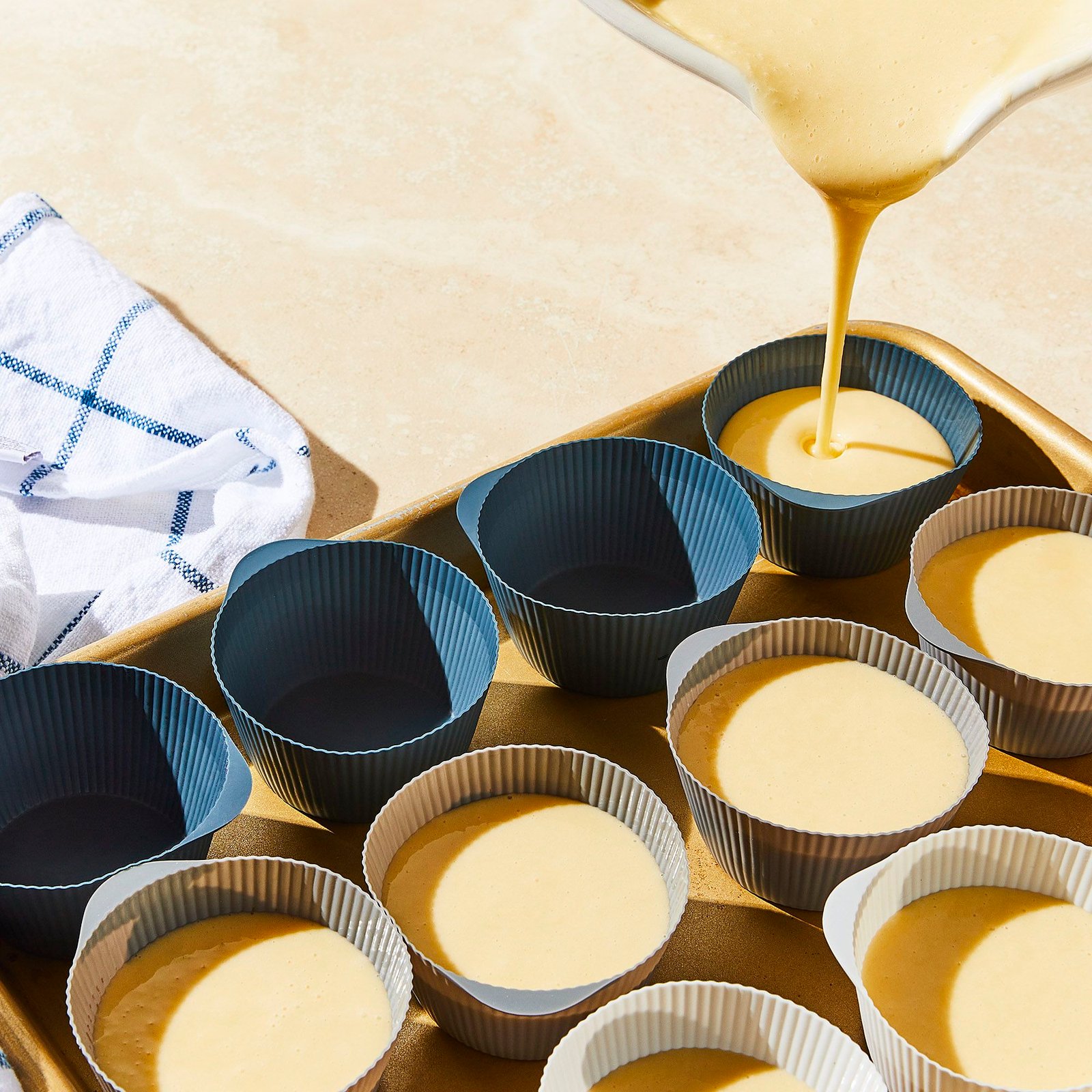
Are you ready to make a simple change that helps the planet every time you bake? Switching to compostable baking cups is an easy way to reduce waste without giving up your favorite treats.
Imagine enjoying your cupcakes or muffins knowing that the liners won’t end up in a landfill but will break down naturally instead. You’ll discover why compostable baking cups matter, how to choose the best ones, and tips to make the switch smooth and stress-free.
Let’s dive in and make your baking greener and better for the environment!
Benefits Of Compostable Baking Cups
Compostable baking cups are a great choice for eco-friendly baking. They help reduce waste and support the environment.
These cups break down naturally, unlike traditional plastic-lined baking cups. Using compostable options is a simple way to make a positive impact.
Reducing Plastic Waste
Plastic waste is a big problem for our planet. Compostable baking cups offer a solution.
These cups decompose quickly, leaving no harmful residues. This helps keep the environment clean and reduces landfill waste.
- Reduces the need for plastic disposal
- Supports a cleaner environment
- Minimizes waste in landfills
Enhancing Soil Health
Compostable baking cups enrich the soil as they break down. They release nutrients back into the earth.
These nutrients help plants grow healthier and stronger. This process improves overall soil quality and fertility.
- Provides essential nutrients to the soil
- Promotes healthy plant growth
- Improves soil structure
Supporting Sustainable Practices
Choosing compostable baking cups supports sustainable practices. It encourages businesses to produce eco-friendly products.
When more people choose compostable options, demand for sustainable products increases. This leads to more environmentally friendly choices in the market.
- Encourages sustainable production
- Increases demand for eco-friendly products
- Promotes a greener economy

Credit: food52.com
Types Of Compostable Baking Cups
Compostable baking cups are an eco-friendly choice for baking. They break down naturally and reduce waste. Choosing the right type helps the environment and keeps your baked goods fresh.
There are different types of compostable baking cups. Each type uses unique materials and has different benefits. Understanding these types can help you make the best choice.
Materials Used
Compostable baking cups are made from natural materials. These include paper, plant fibers, and bioplastics. These materials break down quickly in compost settings.
- Unbleached paper:Made from wood pulp without chemicals.
- Bamboo fibers:Strong and renewable plant fibers.
- Cornstarch bioplastic:A plant-based plastic that composts.
- Sugarcane bagasse:Waste from sugarcane used as a fiber.
Biodegradable Vs Compostable
Biodegradable means something can break down naturally. Compostable means it breaks down into healthy soil. Not all biodegradable items are safe for compost.
Compostable baking cups turn into useful compost. Biodegradable cups may leave harmful residues. Choosing compostable cups helps gardens and reduces pollution.
- Biodegradable: breaks down but may harm soil.
- Compostable: breaks down safely into nutrients.
- Compostable cups follow strict standards.
Certifications To Look For
Certifications show if baking cups meet composting rules. Look for trusted labels on the packaging. These prove the cups break down safely.
- OK Compost:Means cups compost in industrial facilities.
- Compostable ASTM D6400:US standard for compostable products.
- EN 13432:European standard for compostability.
- Seedling Logo:Certified by the Biodegradable Products Institute.
Choosing certified compostable cups helps ensure they do not harm the environment. Always check for these marks before buying.
Choosing The Right Compostable Cups
Switching to compostable baking cups helps reduce waste. It is important to pick the right cups for your baking needs.
Choosing the right compostable cup means thinking about size, heat resistance, and cost. These factors affect your baking results.
Size And Shape Options
Compostable cups come in many sizes and shapes. Choose cups that fit your baking molds and recipes well.
Common sizes include mini, standard, and large. Shapes like round or square can match your baking style.
- Mini cups for small treats and samples
- Standard cups for regular muffins and cupcakes
- Large cups for big cupcakes or muffins
- Round shapes for classic look
- Square shapes for a modern style
Heat Resistance
Compostable cups must handle oven heat without falling apart. Look for cups that can resist common baking temperatures.
Most compostable cups work well up to 400°F (204°C). Check the package details to be sure about heat limits.
- Choose cups made from sturdy materials like bamboo or sugarcane
- Avoid cups that melt or burn easily
- Test new brands in your oven before baking large batches
Availability And Cost
Compostable baking cups vary in price and availability. Find options that fit your budget and local stores.
Buying in bulk can lower costs. Check online and local shops for the best deals and product choices.
- Compare prices between brands before buying
- Look for eco-friendly certifications
- Consider shipping time if ordering online
- Check if local stores stock compostable cups

Credit: www.reddit.com
Using Compostable Cups In Baking
Compostable baking cups are a better choice for the environment. They break down naturally after use.
These cups work well for baking and help reduce waste in your kitchen.
Preparing Cups For Baking
Before baking, check if the compostable cups are sturdy. Some may need extra support.
You can place the cups in a muffin tin to hold their shape during baking.
- Use a muffin tray to keep cups upright
- Fill cups carefully to avoid spills
- Do not overfill; leave space for rising
Adjusting Baking Times
Compostable cups may bake differently than paper ones. Watch your bake closely.
Start checking for doneness a few minutes earlier than usual. This prevents overbaking.
- Lower oven temperature slightly if needed
- Check baked goods five minutes before usual time
- Use a toothpick to test if done
Avoiding Common Mistakes
Do not use compostable cups for very wet batters. They may leak or lose shape.
Do not reuse compostable cups. They are designed for one-time use only.
- Avoid filling cups too full
- Do not microwave compostable cups
- Store cups in a dry place before use
Composting Used Baking Cups
Switching to compostable baking cups helps reduce waste. These cups break down naturally in compost.
Proper composting makes sure the cups turn into healthy soil. Learn how to compost used baking cups at home or in commercial places.
Home Composting Tips
Compostable baking cups work well in home compost bins. Tear the cups into smaller pieces to speed up breakdown.
Keep your compost moist and turn it often. This helps the cups decompose faster with other food scraps.
- Remove any leftover food before composting
- Cut or tear cups into smaller bits
- Mix cups with leaves, grass, and food waste
- Keep compost moist but not too wet
- Turn compost every few days to add air
Commercial Composting Options
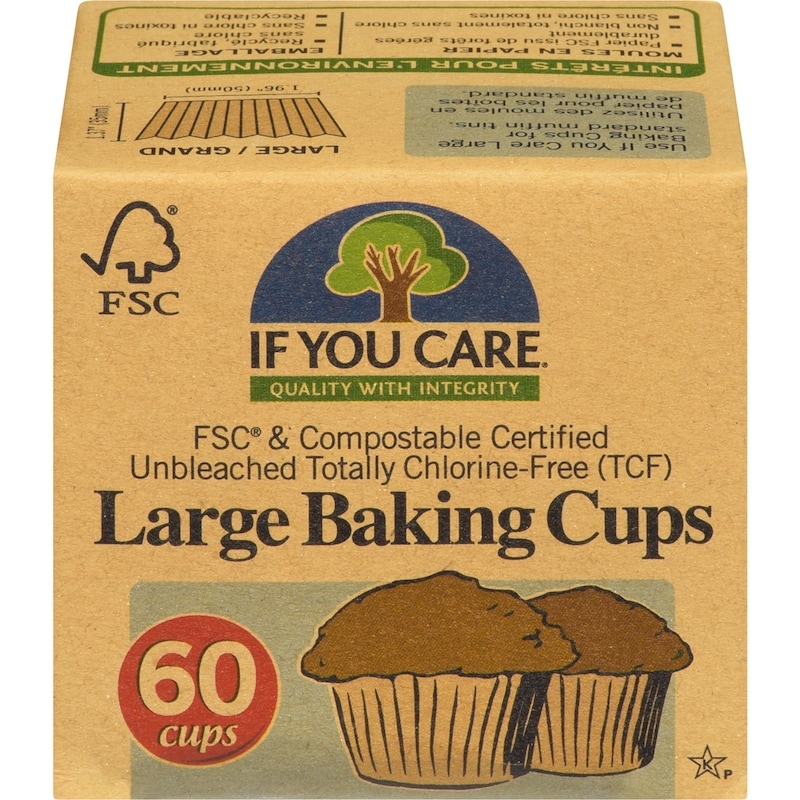
Some compostable baking cups need special facilities to break down. Check if local commercial composting accepts these cups.
Commercial composting uses higher heat and faster processes. This helps break down compostable cups safely and fully.
- Find local commercial composting centers
- Ask if they accept compostable baking cups
- Follow their instructions for drop-off or pickup
- Do not mix non-compostable items with cups
What Not To Compost
Not all baking cups are compostable. Avoid putting plastic or foil cups into compost.
Some compostable cups may have coatings or dyes. Check labels to be sure they are safe for compost.
- Do not compost plastic or foil baking cups
- Avoid cups with heavy inks or dyes
- Do not compost cups with food waste that attracts pests
- Do not add compostable cups in large amounts at once
Credit: www.realcanadiansuperstore.ca
Additional Eco-friendly Baking Tips
Switching to compostable baking cups is a smart way to reduce waste. You can take more steps to make baking greener.
Small changes in your baking habits help protect the environment. These tips make baking eco-friendly and fun.
Sourcing Organic Ingredients
Choose organic ingredients grown without harmful chemicals. Organic farming supports soil health and wildlife.
Buy from local farmers or markets to reduce carbon emissions. Fresh ingredients also taste better.
- Look for organic flour, sugar, and eggs
- Pick seasonal fruits and vegetables
- Support local growers to cut transport pollution
Reducing Energy Consumption
Use your oven efficiently to save energy. Bake multiple items at once or use the right size pan.
Turn off the oven a few minutes before baking finishes. The heat left inside will finish cooking your food.
- Preheat oven only when needed
- Use energy-saving kitchen appliances
- Keep oven door closed while baking
Minimizing Food Waste
Plan your baking to use all ingredients fully. Save leftovers for snacks or new recipes.
Compost scraps like eggshells and fruit peels. Composting reduces landfill waste and enriches soil.
- Measure ingredients carefully to avoid waste
- Store leftovers properly to keep them fresh
- Use scraps in smoothies, soups, or compost
Frequently Asked Questions
What Are Compostable Baking Cups Made Of?
Compostable baking cups are made from natural materials like bamboo, sugarcane fiber, or unbleached paper. These materials break down quickly in compost, reducing landfill waste and environmental impact.
How Do Compostable Baking Cups Benefit The Environment?
They reduce plastic waste and decompose naturally, enriching soil without harmful chemicals. Using them helps lower your carbon footprint and supports sustainable baking practices.
Can Compostable Baking Cups Handle High Baking Temperatures?
Yes, compostable baking cups are designed to withstand typical baking temperatures. They maintain shape and functionality without releasing toxins or melting during baking.
Where Can I Buy Compostable Baking Cups?
You can find them online, at eco-friendly stores, or specialty kitchen shops. Look for certified compostable labels to ensure quality and environmental safety.
Conclusion
Switching to compostable baking cups helps protect the environment. They break down naturally and reduce waste. Using them is simple and does not change your baking. You support a cleaner planet with small daily choices. Baking with compostable cups feels good and looks great.
Start today and enjoy baking with eco-friendly options. Every little step counts toward a healthier Earth. Choose compostable cups and make a positive impact.