
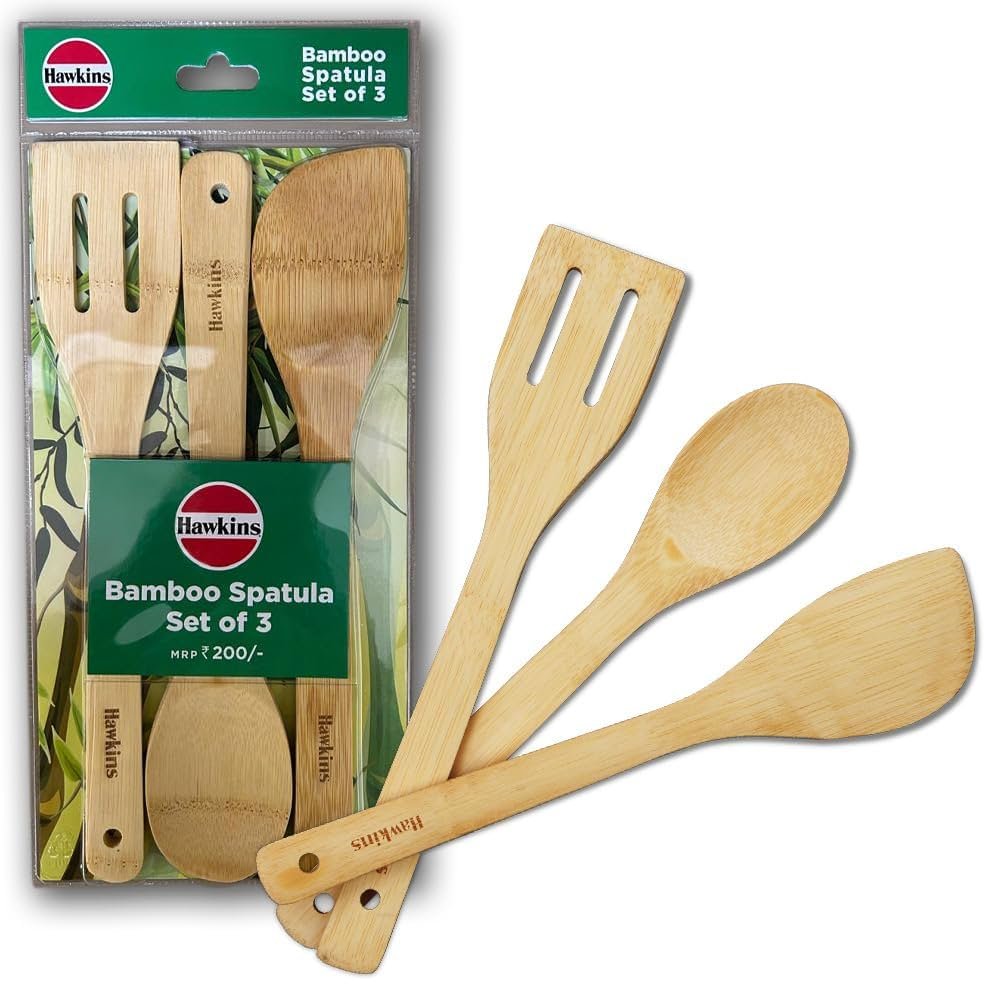
Are you tired of using plastic or metal utensils that harm the environment and affect your health? Switching to bamboo or wooden utensils could be the simple change your kitchen needs.
These natural materials are not only eco-friendly but also add a warm, rustic touch to your cooking experience. Imagine cooking with tools that are safe, durable, and kind to the planet—all while making your meals feel more authentic. If you want to learn how to make this switch smoothly and enjoy all the benefits, keep reading.
Your kitchen—and the Earth—will thank you.

Credit: www.bambooswitch.com
Benefits Of Bamboo And Wooden Utensils
Switching to bamboo or wooden utensils is a smart choice for the environment. These materials offer many benefits for your kitchen and health.
They are not only stylish but also practical. Let’s explore the advantages of using bamboo and wooden utensils.
Eco-friendly Advantages
Bamboo and wooden utensils are made from renewable resources. This makes them a great choice for reducing environmental impact.
- Bamboo grows quickly, making it a sustainable choice.
- Wooden utensils are biodegradable and decompose easily.
- Using these materials helps reduce plastic waste.
Health And Safety Benefits
Bamboo and wooden utensils are safe for cooking. They do not leach harmful chemicals into your food.
These utensils are gentle on cookware and do not scratch surfaces. This keeps your pots and pans in good condition.
Durability And Longevity
Bamboo and wooden utensils are strong and long-lasting. They can withstand daily use in the kitchen.
With proper care, these utensils can last for many years. This makes them a cost-effective choice for your home.
Credit: www.amazon.ae
Choosing The Right Utensils
Switching to bamboo or wooden utensils can improve your kitchen’s look and feel. These utensils are eco-friendly and safe for cooking.
Choosing the right utensils matters for durability and ease of use. Knowing types and quality helps you pick the best ones.
Types Of Bamboo Utensils
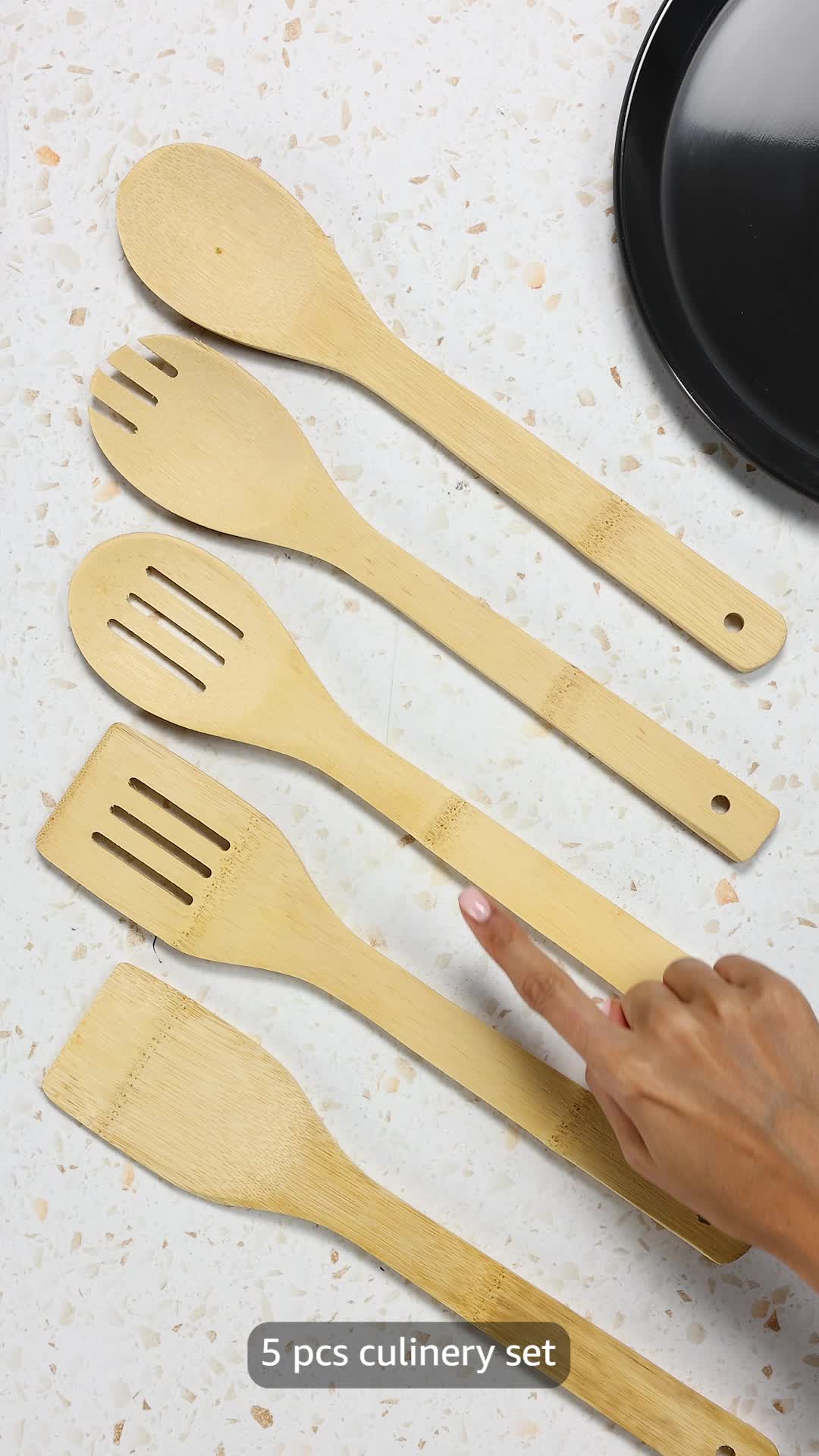
Bamboo utensils come in many shapes and sizes. They are light, strong, and often have a smooth finish.
- Spoons and spatulas for cooking and serving
- Chopping boards made from thick bamboo layers
- Salad tongs and forks for mixing and serving
- Straws and stirrers for drinks
Types Of Wooden Utensils
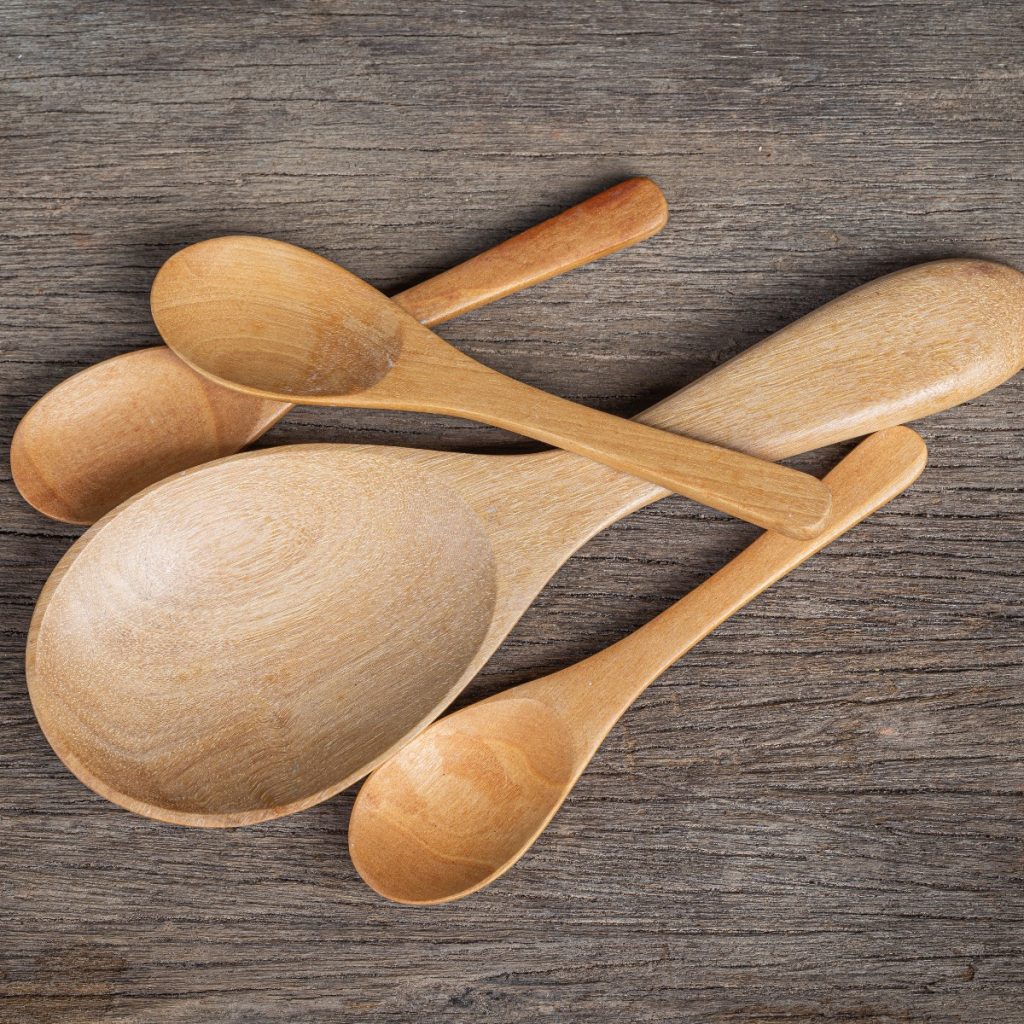
Wooden utensils are classic kitchen tools. They come from different types of wood, each with its own look and feel.
- Wooden spoons and ladles for stirring soups and sauces
- Wooden spatulas for flipping and frying
- Rolling pins for baking
- Salad servers made from olive or beech wood
Quality Indicators To Look For
Good utensils last longer and feel better in your hand. Look for smooth surfaces without cracks or splinters.
Check if the utensils are properly sealed to avoid stains and water damage. Durable bamboo or hardwood is best.
- Even color and smooth texture
- No sharp edges or rough spots
- Well-finished surface with a food-safe seal
- Strong and not easily bent or broken
Where To Buy Eco-friendly Utensils
Switching to bamboo or wooden utensils is an easy way to help the environment. These utensils are natural and last a long time.
You can find eco-friendly utensils in many places. Here are some good options for buying them.
Local Stores And Markets
Local shops often sell bamboo and wooden utensils. Markets with handmade goods are also good spots.
Buying locally helps small businesses and reduces shipping pollution.
- Craft fairs
- Farmers markets
- Eco-friendly stores
- Kitchenware shops
Online Shopping Options
Many websites sell bamboo and wooden utensils. You can compare prices and styles easily online.
Look for sites that show clear product details and customer reviews. This helps you choose well.
- Large online marketplaces
- Specialty eco stores
- Handmade goods platforms
- Brand websites
Supporting Sustainable Brands
Some brands focus on making eco-friendly utensils with care. They use sustainable wood or bamboo sources.
Choosing these brands supports better forests and fair work practices.
- Brands using certified sustainable wood
- Companies with fair trade policies
- Brands that use natural, non-toxic finishes
- Businesses that give back to the environment
Credit: www.reluctantgourmet.com
Making The Transition Smooth
Switching to bamboo or wooden utensils is a healthy and eco-friendly choice. It helps reduce plastic waste and adds a natural feel to your kitchen.
To make the change easy, you should follow some simple tips. This guide will help you switch without stress.
Gradual Replacement Tips
Replace your plastic or metal utensils slowly. Start by swapping the ones you use the most. This way, you get used to the new feel and look.
Buy a few bamboo or wooden utensils at a time. Use them daily and see what works best for you. Then, replace more pieces over weeks.
- Start with spoons and spatulas
- Try different sizes to find comfort
- Use wooden cutting boards for added effect
- Keep old utensils until you feel ready
Caring For Your New Utensils
Wooden and bamboo utensils need special care to last longer. Clean them gently with warm water and mild soap. Avoid soaking them for too long.
Dry your utensils completely after washing. You can also oil them once in a while to keep the wood smooth and prevent cracking.
- Hand wash only, no dishwasher
- Dry immediately with a towel
- Use food-safe mineral oil for conditioning
- Store in a dry place away from sunlight
Common Mistakes To Avoid
Many people make mistakes that shorten the life of bamboo or wooden utensils. Avoid these errors to keep your utensils in good shape.
- Do not soak utensils in water
- Avoid washing in a dishwasher
- Do not use harsh chemicals or bleach
- Do not leave utensils wet for long
- Avoid cutting directly on wooden spoons
Maintaining Bamboo And Wooden Utensils
Bamboo and wooden utensils are natural and eco-friendly. They need proper care to last long and stay safe to use.
Good maintenance keeps their look fresh and prevents cracks or damage over time.
Cleaning Techniques
Clean your utensils soon after use to stop stains and odors. Use warm water and mild soap for washing.
Avoid soaking them in water for a long time. Never put wooden or bamboo utensils in a dishwasher.
- Wash with soft sponge or cloth
- Rinse thoroughly to remove soap
- Dry immediately with a towel
- Air dry fully before storing
Proper Storage
Store utensils in a dry place to avoid mold and warping. Keep them away from direct sunlight or heat.
Use a utensil holder or drawer with good air flow. Avoid stacking wet utensils on top of each other.
- Choose a well-ventilated area
- Keep utensils upright if possible
- Separate from metal utensils to prevent scratches
Periodic Oiling And Maintenance
Apply food-safe oil to your utensils every few weeks. This helps keep the wood or bamboo from drying out.
Use oils like mineral oil, coconut oil, or beeswax. Rub the oil in with a soft cloth and let it soak overnight.
- Clean utensils before oiling
- Apply oil evenly on all surfaces
- Wipe off excess oil after soaking
- Repeat oiling when utensils look dry
Incorporating Eco-friendly Habits
Switching to bamboo or wooden utensils helps protect the environment. These materials are natural and break down easily.
Using eco-friendly kitchen tools is a small change that can reduce waste and plastic use. It supports a healthier planet.
Reducing Plastic Use In The Kitchen
Plastic utensils add to landfill and ocean pollution. Bamboo and wooden utensils are good alternatives.
They are strong, reusable, and do not release harmful chemicals. This lowers your plastic waste significantly.
- Choose bamboo spoons, forks, and knives instead of plastic ones
- Use wooden cutting boards and spatulas
- Avoid single-use plastic items like straws and stirrers
- Wash and reuse utensils to extend their life
Complementary Sustainable Practices
Eco-friendly habits go beyond utensils. Use sustainable practices in other kitchen areas.
These small actions help save resources and reduce waste every day.
- Buy food with less packaging
- Use cloth towels instead of paper towels
- Compost kitchen scraps to reduce landfill trash
- Choose reusable containers for storage
- Turn off appliances when not in use
Encouraging Family And Friends
Sharing your eco-friendly habits helps others make better choices. It spreads awareness and care.
Invite family and friends to try bamboo or wooden utensils. Show how easy it is to use them daily.
- Give bamboo utensils as gifts
- Cook meals together using eco-friendly tools
- Talk about the benefits of reducing plastic use
- Share tips for sustainable kitchen habits
Frequently Asked Questions
What Are The Benefits Of Using Bamboo Or Wooden Utensils?
Bamboo and wooden utensils are eco-friendly, biodegradable, and sustainable. They don’t leach chemicals, are gentle on cookware, and add a natural aesthetic to kitchens.
How To Clean Bamboo And Wooden Utensils Properly?
Clean with mild soap and warm water. Avoid soaking or dishwasher use. Dry immediately to prevent cracking and maintain durability.
Are Bamboo And Wooden Utensils Safe For Cooking?
Yes, they are safe. They don’t react with acidic foods and resist heat well. Always choose untreated, food-grade utensils for safety.
How To Maintain Bamboo And Wooden Utensils Longer?
Oil regularly with food-safe mineral oil to prevent drying. Store in a dry place and avoid prolonged water exposure to extend lifespan.
Conclusion
Switching to bamboo or wooden utensils helps protect the environment. These materials last long and are safe for cooking. They do not release harmful chemicals like plastic does. Cleaning them is simple and quick. Choosing these utensils supports a healthier kitchen and lifestyle.
Small changes in your kitchen can make a big difference. Start with one or two items and see the benefits. Enjoy cooking with natural, eco-friendly tools every day.