
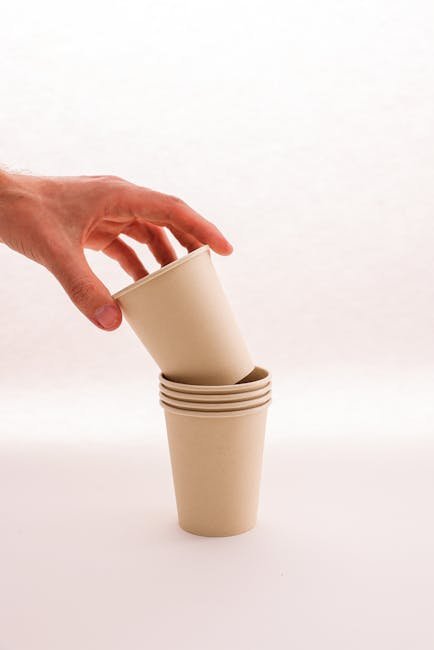
Are you looking to make your events or daily routine more eco-friendly? Using compostable cups and plates is a smart step, but are you sure you’re getting the most out of them?
Small changes in how you use these items can save money, reduce waste, and make your efforts truly effective. Keep reading, and you’ll discover simple tips that help you use compostable cups and plates efficiently—so you can enjoy convenience without harming the planet.
Your next gathering or meal can be greener and easier than you think.
Choosing The Right Compostable Products
Compostable cups and plates are great for the environment. They break down naturally and reduce waste. Choosing the right products can be easy with a little guidance.
Understanding materials, certifications, and durability helps in selecting the best compostable items. Let’s explore these aspects for informed choices.
Material Types And Benefits
Compostable products come from plants like corn, sugarcane, and bamboo. These materials are renewable and eco-friendly. They break down in compost piles, turning into soil.
Plant-based materials are better for the earth. They cut down on plastic pollution and support a greener planet.
- Cornstarch products are sturdy and compost quickly
- Sugarcane items are strong and heat resistant
- Bamboo products are lightweight and decompose easily
Certifications To Look For
Certifications ensure that compostable products meet standards. Look for labels that show the product is truly compostable. These labels give assurance of quality and compliance.
Common certifications include BPI, OK compost, and USDA BioPreferred. These certifications are trusted and widely recognized.
- BPI certification ensures products compost in industrial facilities
- OK compost certifies home compostability
- USDA BioPreferred indicates biobased product content
Durability And Use Cases
Compostable cups and plates should be durable enough for their intended use. Some are better for cold drinks, while others handle hot foods well. Choose based on your needs.
Durability varies with materials. Sugarcane and bamboo options often offer more strength. They work well for parties and events.
- Cornstarch items are ideal for lightweight uses
- Sugarcane plates are great for hot and cold foods
- Bamboo cups are best for drinks

Credit: cen.acs.org
Proper Usage Techniques
Compostable cups and plates help reduce waste and protect the environment. Using them correctly makes sure they work well and last longer.
Learn simple tips to avoid damage, keep strength, and store these items properly for best results.
Avoiding Heat Damage
Compostable cups and plates can weaken with too much heat. Avoid using them with very hot liquids or foods above their heat limit.
Use cups and plates for warm or cold items to keep their shape and strength.
- Do not pour boiling water directly into cups
- Keep plates away from ovens or microwaves
- Use insulated sleeves for hot drinks
- Serve hot food on a heat-resistant base
Maximizing Strength And Function
Choose the right size of cups and plates for your needs. Overfilling can cause spills or breaks.
Handle items gently and avoid stacking too many at once. This keeps them from bending or cracking.
- Pick cups with thick walls for hot drinks
- Use plates with reinforced edges for heavy food
- Fill cups only to recommended levels
- Do not force plates into tight spaces
Handling And Storage Tips
Store compostable cups and plates in a dry, cool place. Moisture and heat can weaken them before use.
Keep them in their original packaging until needed. Handle with clean hands to avoid contamination.
- Keep items away from direct sunlight
- Store on flat surfaces to avoid bending
- Use airtight containers for long storage
- Check expiration dates and use older stock first
Effective Composting Practices
Using compostable cups and plates helps reduce waste. Proper composting makes sure they break down well.
Good composting keeps the environment healthy. It turns waste into useful soil for plants.
Preparing Items For Composting
Remove any food leftovers from cups and plates. Large food pieces can slow down composting.
Break big items into smaller pieces. This helps microbes break them down faster.
- Rinse cups lightly if needed
- Do not use plastic liners inside cups
- Flatten plates to save space
Home Composting Vs Commercial Facilities
Home composting works well for small amounts of waste. It needs a warm, moist spot and regular turning.
Commercial composting uses higher heat and special machines. It breaks down items faster and handles more waste.
- Home composting takes weeks or months
- Commercial facilities finish compost in days
- Check if your compostable items are accepted at local facilities
Common Mistakes To Avoid
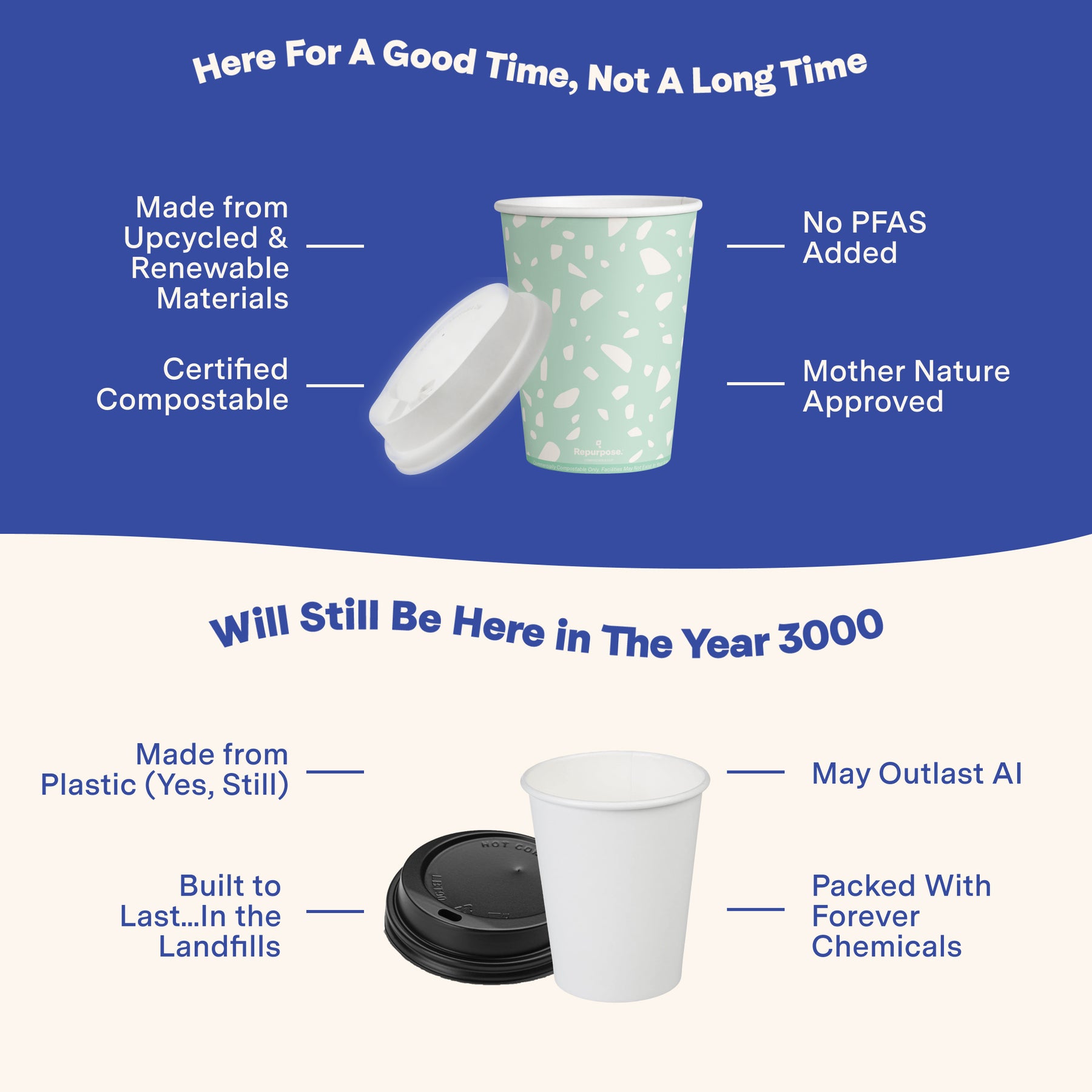
Do not put plastic or non-compostable items in compost. They contaminate the pile and slow decomposition.
Avoid letting compostable cups and plates stay wet for too long. This can cause bad smells and pests.
- Do not mix compostable items with regular trash
- Do not compost items with heavy coatings or dyes
- Do not forget to turn the compost regularly
Credit: repurpose.com
Reducing Waste With Compostables
Compostable cups and plates help cut down on trash. They break down faster and turn into useful soil.
Using them wisely means less waste and a cleaner environment. Small habits make a big difference.
Portion Control And Serving Tips
Serve food in smaller amounts to avoid leftovers. This reduces waste and keeps servings fresh.
Use compostable cups and plates that match your portion sizes. This prevents using extra materials.
- Choose smaller plates for snacks or desserts
- Use cups sized for the drink amount
- Offer refills instead of large initial servings
Reusable Alternatives To Pair
Combine compostables with reusable items to reduce waste. For example, use cloth napkins instead of paper.
Reusable cutlery or glasses can lower the need for single-use compostables.
- Use cloth napkins with compostable plates
- Offer reusable cutlery for regular events
- Encourage guests to bring their own cups
Encouraging Responsible Disposal
Tell people how to throw away compostable items properly. This helps the waste break down faster.
Place clear signs and bins for compostable waste. Keep compost separate from trash and recycling.
- Label bins as “Compost Only”
- Explain what can go in compost bins
- Train staff or volunteers on disposal rules
Creative Eco-friendly Hacks
Compostable cups and plates help reduce waste. Using them well can save money and the planet.
Try these creative ways to use compostable items in smart, eco-friendly ways.
Upcycling Compostable Plates
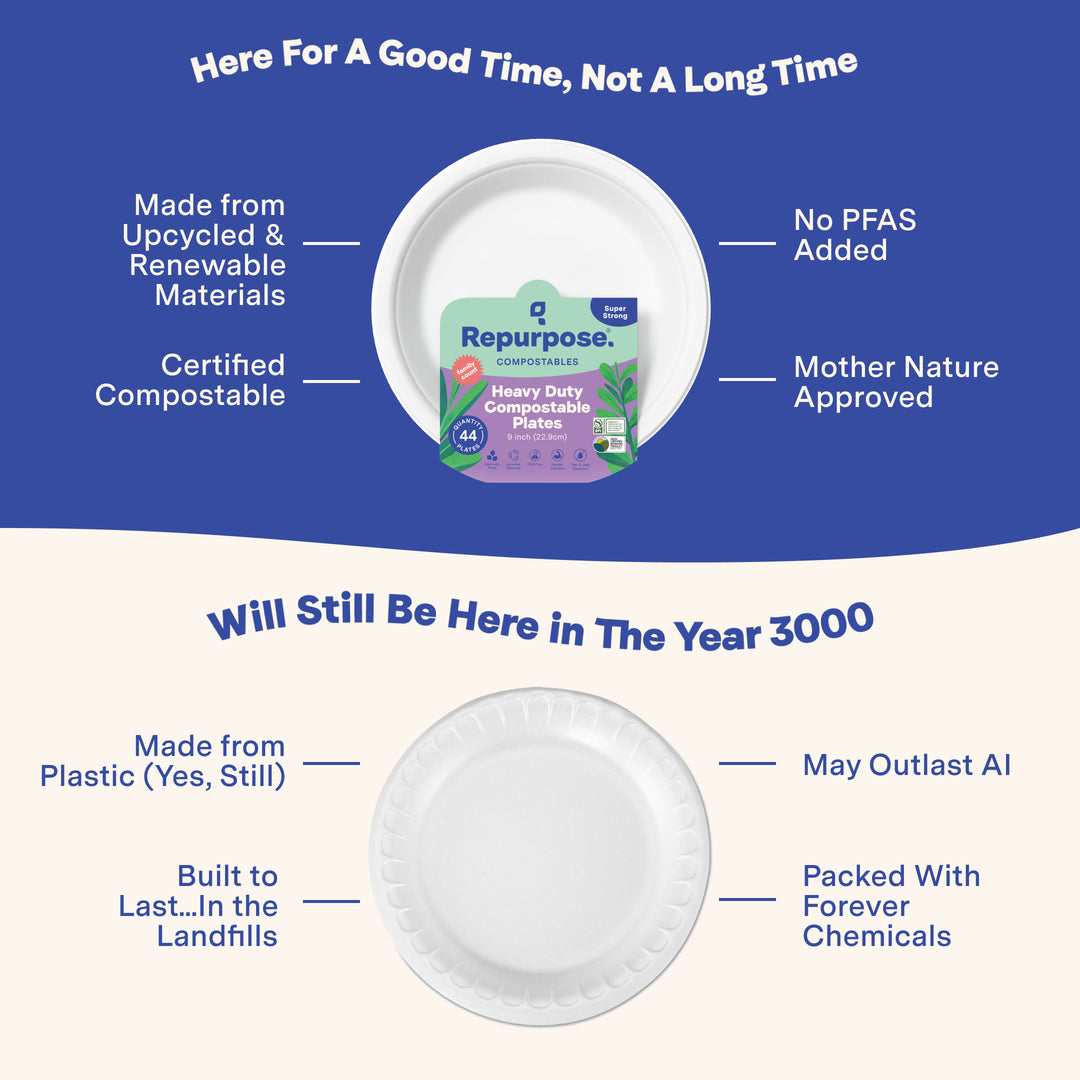
Compostable plates can be reused before composting. They work well for crafts and small storage.
Paint or decorate old plates to use as seed trays or catch trays for small plants.
- Use plates as paint palettes for art projects
- Make small organizers for desk supplies
- Create party decorations like garlands or signs
Compostable Cups For Gardening
Compostable cups work well as plant starters. They hold soil and seedlings safely.
Label cups with a marker to track plant types. Cups break down in soil after use.
- Fill cups with seed soil and plant seeds
- Water seedlings and let roots grow strong
- Plant the whole cup in the garden later
Diy Projects With Compostable Materials
Use compostable cups and plates for easy craft projects at home or school.
They are great for making models, decorations, or small containers without plastic waste.
- Cut plates into shapes for wall art or mobiles
- Stack cups to build simple sculptures
- Use cups as molds for homemade candles or soaps
Credit: repurpose.com
Frequently Asked Questions
What Are Compostable Cups And Plates Made Of?
Compostable cups and plates are made from plant-based materials like cornstarch, sugarcane, or bamboo. These materials break down naturally, reducing landfill waste and environmental impact. They are a sustainable alternative to traditional plastic or foam products.
How To Use Compostable Cups And Plates Efficiently?
Use compostable cups and plates for cold or warm foods, not hot liquids. Avoid mixing with non-compostable waste. Store them properly to maintain shape. Compost them in industrial composting facilities for best results and environmental benefits.
Can Compostable Cups And Plates Be Recycled?
No, compostable cups and plates cannot be recycled with regular plastics. They require industrial composting to break down properly. Mixing them with recyclables can contaminate recycling streams. Always check local composting guidelines before disposal.
How Long Do Compostable Cups And Plates Take To Decompose?
Compostable cups and plates typically decompose within 90 to 180 days in industrial composting facilities. Decomposition time varies based on temperature, moisture, and composting conditions. Home composting may take longer and is less reliable.
Conclusion
Using compostable cups and plates helps protect the environment. Choose the right products for your needs. Use them carefully to avoid waste and damage. Dispose of them properly in compost bins only. This keeps landfills cleaner and reduces pollution. Small actions can lead to big changes.
Keep these tips in mind for better use. Enjoy eco-friendly dining with less impact. Every step counts toward a greener planet.