
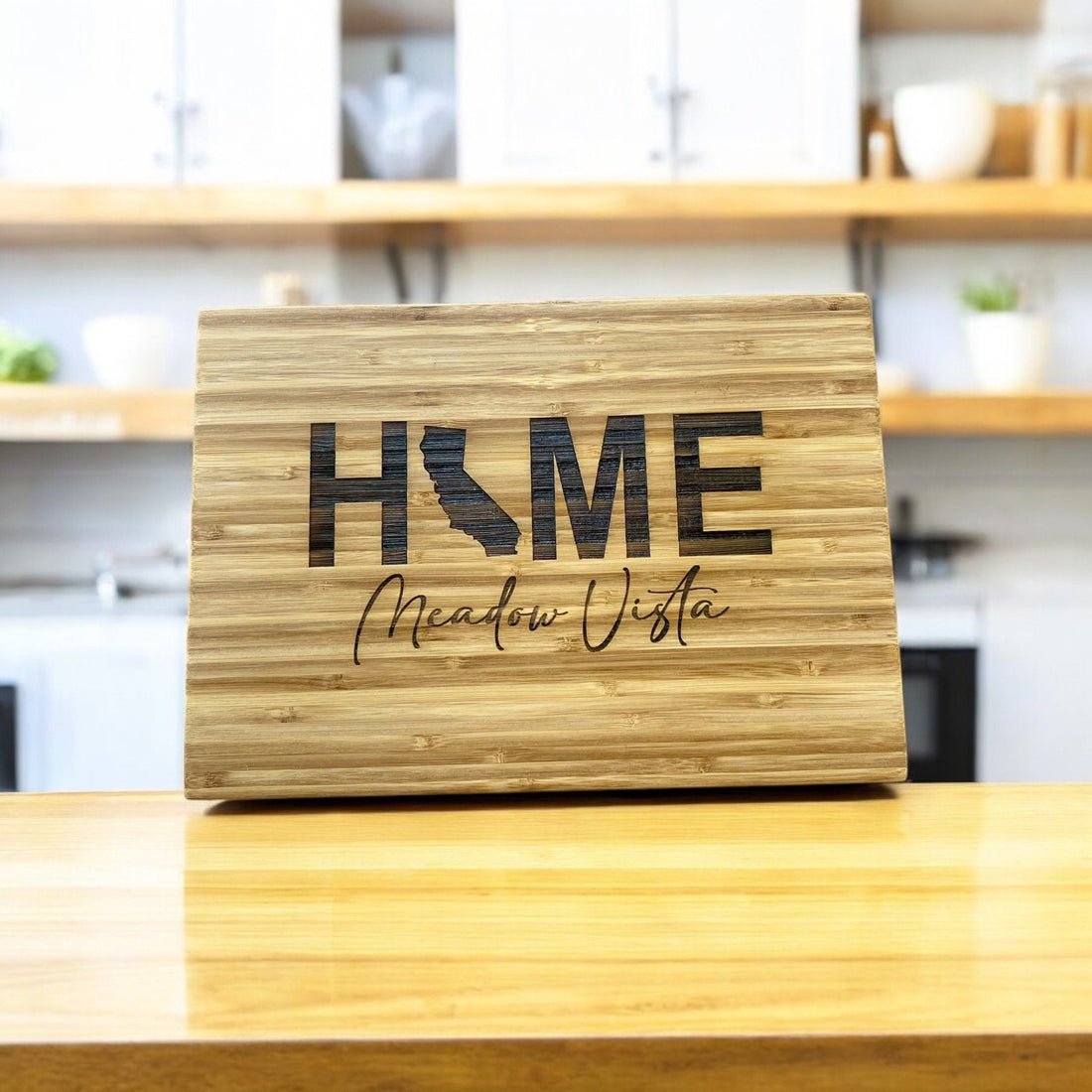
Choosing the right bamboo cutting board can make a big difference in your kitchen. You want something that’s durable, easy to clean, and safe for your food.
But with so many options out there, how do you pick the best one for your needs? You’ll discover simple tips to help you select a bamboo cutting board that lasts longer and works better. Keep reading to make sure your next cutting board is exactly what your kitchen deserves.

Credit: www.keecheehome.com
Benefits Of Bamboo Cutting Boards
Bamboo cutting boards are a great choice for your kitchen. They are not only practical but also sustainable.
These boards offer several benefits that make them a popular option for cooking enthusiasts and professionals alike.
Eco-friendly Material
Bamboo is a highly renewable resource. It grows quickly and doesn’t require harmful chemicals for harvesting.
Choosing bamboo cutting boards helps reduce deforestation. This makes them an eco-friendly option for your kitchen.
- Bamboo grows rapidly
- No need for pesticides
- Reduces carbon footprint
Natural Antibacterial Properties
Bamboo has natural antibacterial qualities. This helps keep your food safe from harmful bacteria.
These properties make bamboo cutting boards a hygienic choice for food preparation.
- Fights bacteria naturally
- Reduces food contamination
- Ensures safer cooking
Lightweight And Durable
Bamboo cutting boards are lightweight. This makes them easy to handle and move around your kitchen.
Despite being light, they are very durable. Bamboo boards can withstand regular use without damage.
- Easy to carry
- Long-lasting material
- Resists wear and tear
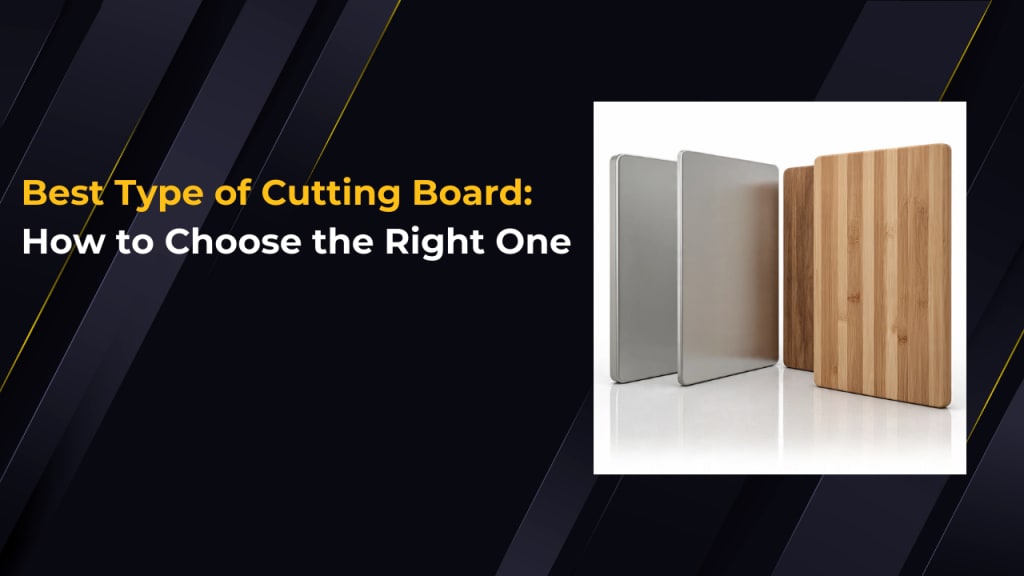
Credit: vocal.media
Key Features To Consider
Choosing the right bamboo cutting board makes food prep easier and safer. Look at key features before buying.
Good boards last longer and protect your knives better. Focus on grain, size, and edge design.
Grain Direction And Texture
Bamboo boards have different grain directions. The grain affects cutting surface and durability.
Look for tight grain and smooth texture. It resists cuts and won’t dull your knives quickly.
- Vertical grain: strong and smooth
- Horizontal grain: softer but less durable
- End grain: best for knife protection
Thickness And Size Options
Thickness affects board stability and weight. Thicker boards last longer but are heavier.
Choose a size that fits your kitchen space and cutting needs. Bigger boards offer more workspace.
- Thin boards: easy to store, light
- Thick boards: sturdy, durable
- Small size: good for limited space
- Large size: better for big tasks
Edge Design And Handles
Edges can be rounded or straight. Rounded edges feel smooth and safer to handle.
Handles make carrying the board easier. Look for sturdy, well-placed handles for better grip.
- Beveled edges prevent chipping
- Flat edges fit better on counters
- Built-in handles add convenience
- Grooved edges catch juices
Types Of Bamboo Used
Bamboo cutting boards are popular for their strength and eco-friendliness. Different types of bamboo boards offer various benefits for your kitchen.
Understanding the types of bamboo used helps you pick the right board for your needs. The main types are solid, striped, and end grain bamboo boards.
Solid Bamboo Boards
Solid bamboo boards are made from a single piece of bamboo. They have a smooth, uniform surface that is easy to clean.
These boards are less prone to cracking and can last a long time with proper care. They are usually lighter than other types.
Striped Bamboo Boards
Striped bamboo boards combine light and dark bamboo strips. This creates a beautiful pattern that looks great in any kitchen.
The stripes come from using different parts of the bamboo stalk. These boards are strong and resistant to knife marks.
- Made by gluing bamboo strips side by side
- Mix of light and dark bamboo colors
- Durable and stylish design
End Grain Bamboo Boards
End grain bamboo boards are made by arranging bamboo pieces vertically. This shows the ends of the bamboo fibers on the surface.
These boards are very gentle on knives. They also absorb cuts better, making them last longer without damage.
- Made from small bamboo blocks glued together
- Surface shows bamboo fiber ends
- Protects knives and resists wear
Durability Factors
Choosing a bamboo cutting board means looking at its durability. A strong board lasts longer and stays safe to use. Understanding key factors helps you pick the best one.
Durability depends on how the board handles moisture, scratches, stains, and care. These details affect the board’s life and performance in your kitchen.
Moisture Resistance
Bamboo cutting boards must resist water to avoid warping or cracking. Good moisture resistance keeps the board strong and safe for food prep.
Look for boards with a tight grain and smooth finish. These features help keep water out and prevent damage from wet conditions.
Scratch And Stain Resistance
Bamboo is naturally hard, but some boards resist scratches and stains better. A scratch-resistant board stays smooth and clean over time.
Boards with a dense surface and good finish resist marks from knives and stains from food. This keeps the board looking new longer.
Maintenance And Care Tips
Proper care helps bamboo boards last longer and keep their quality. Cleaning and oiling the board prevents damage and dryness.
- Hand wash with mild soap and warm water
- Dry immediately to avoid moisture buildup
- Apply food-safe mineral oil regularly
- Avoid soaking or using a dishwasher
- Store in a dry, well-ventilated place
Comparing Bamboo With Other Materials
Choosing the right cutting board is important for your kitchen. Bamboo is a popular choice. It is strong and looks nice. You can also use hardwood, plastic, or composite boards. Each material has its good and bad points.
Let’s look at how bamboo stacks up against other materials. This helps you pick the best board for your needs.
Bamboo Vs. Hardwood
Bamboo is a grass that grows fast. Hardwood comes from trees and takes many years to grow. Bamboo is harder and more resistant to cuts than most hardwoods.
Hardwood boards can be heavier and need more oil to stay in good shape. Bamboo boards are lighter and need less care. Both are natural and gentle on knives.
- Bamboo grows quickly and is renewable
- Hardwood is dense and durable but slower to grow
- Bamboo needs less maintenance than hardwood
- Both are good for knife edges
Bamboo Vs. Plastic
Bamboo cutting boards look natural and warm. Plastic boards come in many colors and are lightweight. Plastic is usually cheaper and dishwasher safe.
Bamboo is harder and can resist deep cuts better. Plastic boards can scar easily, which may hold bacteria. Bamboo is harder to clean in a dishwasher but is more eco-friendly.
- Bamboo is natural and eco-friendly
- Plastic is lightweight and dishwasher safe
- Bamboo is harder and lasts longer
- Plastic can develop deep cuts and bacteria
Bamboo Vs. Composite Boards
Composite boards mix wood fibers and resin. They are very tough and often dishwasher safe. Bamboo boards are pure natural material without added chemicals.
Composite boards resist water well and do not warp easily. Bamboo boards need more care to avoid cracking. Bamboo is lighter but composite boards may last longer with heavy use.
- Composite boards combine wood and resin
- Bamboo boards are 100% natural
- Composite boards resist water and warping
- Bamboo needs careful drying and oiling
Choosing The Right Bamboo Cutting Board For Your Needs
Bamboo cutting boards are popular for their durability and eco-friendliness. Picking the right one depends on how you plan to use it.
Different boards suit different kitchen tasks. This guide helps you find the best bamboo board for your needs.
For Heavy Use And Professional Kitchens
Professional kitchens need strong cutting boards that last long. Bamboo boards for heavy use are thick and well-made.
Look for boards with edge grain or end grain construction. These resist deep cuts and keep knives sharp.
- Choose thick boards, at least 1.5 inches thick
- Pick end grain boards for durability
- Ensure the board is easy to clean and maintain
- Look for boards with juice grooves for meat preparation
For Light Home Use
Home cooks who cut fruits, vegetables, and bread need lighter bamboo boards. These are thinner and easier to store.
Choose smooth boards that protect knives and fit your kitchen space. Look for ones without heavy features.
- Pick boards around 0.75 to 1 inch thick
- Choose flat surfaces without juice grooves
- Look for lightweight and easy-to-handle boards
- Consider size that fits your kitchen counter
Budget-friendly Options
Good bamboo cutting boards do not have to be expensive. Budget options can still offer decent quality and style.
Look for boards made with solid bamboo strips. Avoid very thin or glued pieces that break easily.
- Choose boards made from solid bamboo, not bamboo veneer
- Check for smooth finishes that resist cracking
- Look for simple designs without extra features
- Read reviews to find durable budget boards
Cleaning And Maintaining Bamboo Boards
Bamboo cutting boards are strong and last a long time. To keep them safe and clean, you must care for them well. Proper cleaning and maintenance help stop bacteria and keep the board smooth.
Taking care of your bamboo board also stops damage like cracks and warping. This guide shows easy ways to clean and maintain your bamboo cutting board.
Proper Washing Techniques
Wash your bamboo board by hand with warm water and mild soap. Use a soft sponge or cloth to clean it well. Avoid soaking it in water to stop damage.
Rinse the board with clean water and dry it right away with a towel. Do not put bamboo boards in the dishwasher. The heat and water can hurt the wood.
- Use warm water and mild soap
- Wash by hand with a soft sponge
- Do not soak the board in water
- Dry immediately with a towel
- Avoid the dishwasher
Oiling And Conditioning
Oiling your bamboo board helps keep the wood strong and stops it from drying out. Use food-safe mineral oil or bamboo conditioner for best results.
Apply oil evenly across the surface. Let it soak in for a few hours or overnight. Wipe off any extra oil with a clean cloth. Do this once a month or when the board looks dry.
- Use food-safe mineral oil or conditioner
- Spread oil evenly on the board
- Let oil soak for several hours
- Wipe off extra oil
- Oil the board monthly or as needed
Avoiding Warping And Cracking
Keep your bamboo board away from extreme heat and moisture. Do not leave it near the stove or in direct sunlight. Sudden temperature changes can cause cracks or warping.
Store the board standing up or flat in a dry place. This stops moisture from building up and keeps the board strong. Regular cleaning and oiling also help protect the wood.
- Keep away from heat sources
- Avoid direct sunlight
- Do not expose to sudden temperature changes
- Store standing up or flat in a dry place
- Clean and oil regularly

Credit: www.amazon.com
Frequently Asked Questions
What Are The Benefits Of Bamboo Cutting Boards?
Bamboo boards are eco-friendly, durable, and naturally antimicrobial. They resist knife marks and absorb less moisture than wood. This makes them hygienic and long-lasting for kitchen use. Bamboo is also lightweight and easy to clean, making it ideal for daily food preparation.
How To Choose The Right Size Of Bamboo Cutting Board?
Select a size based on your kitchen space and cutting needs. Small boards suit quick tasks, while larger ones handle big ingredients. Consider storage and weight, ensuring it fits your countertop and is easy to maneuver during cooking.
Are Bamboo Cutting Boards Better Than Plastic Ones?
Yes, bamboo boards are more eco-friendly and naturally antibacterial. They don’t dull knives as quickly and last longer with proper care. Unlike plastic, bamboo is biodegradable and less prone to deep cuts that harbor bacteria.
How To Maintain Bamboo Cutting Boards Properly?
Clean boards with mild soap and warm water after use. Avoid soaking or dishwasher cleaning to prevent warping. Regularly oil them with food-grade mineral oil to maintain moisture and prevent cracking.
Conclusion
Choosing the right bamboo cutting board makes cooking safer and easier. Focus on quality, size, and finish for the best fit. A good board lasts long and stays clean with proper care. Remember to check for smooth surfaces and sturdy construction.
This helps protect your knives and food. Bamboo boards offer a natural and eco-friendly choice. Simple steps lead to smart kitchen decisions. Enjoy cooking with a board that suits your needs well.