
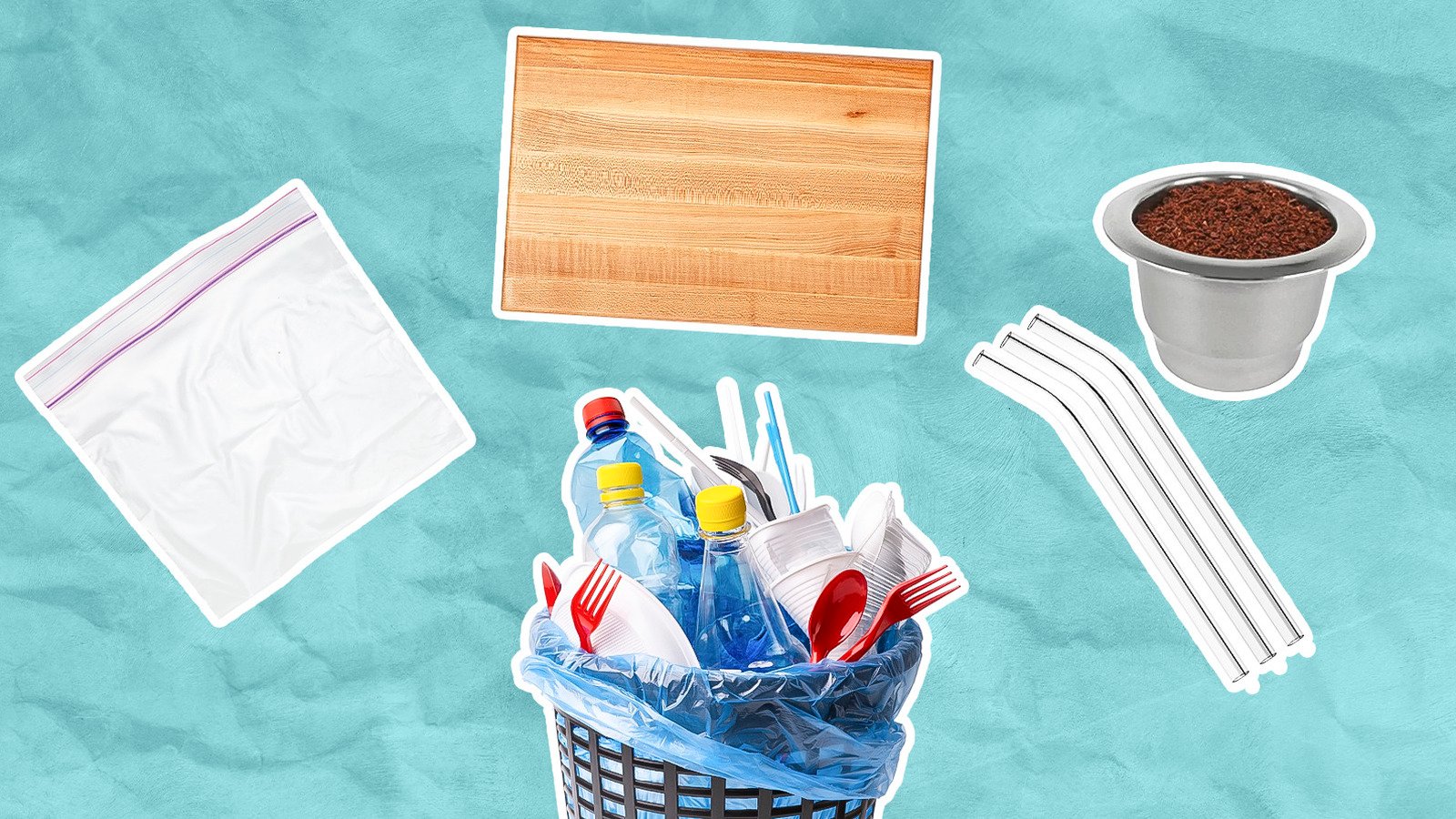
Your kitchen is one of the biggest sources of plastic waste in your home. Every day, you might use plastic bags, containers, wraps, and bottles without even thinking about it.
But what if you could easily cut down on this plastic without making your life harder? Imagine a kitchen that feels cleaner, healthier, and more eco-friendly—all by making a few simple changes. You’ll discover practical tips to reduce plastic usage in your kitchen.
These small steps will not only help the planet but also improve your daily routine. Ready to transform your kitchen and make a real difference? Keep reading to find out how.
Cut Single-use Plastics
Reducing plastic usage in the kitchen is important. Single-use plastics harm our environment. We can make simple changes to cut down on plastic waste.
Start by focusing on items we use once and throw away. These items are easy to replace with eco-friendly alternatives.
Say No To Plastic Bags
Plastic bags are used for groceries and produce. They end up in landfills and oceans. Use reusable cloth bags instead.
- Bring your own bags when shopping
- Choose cloth bags for fruits and vegetables
- Wash and reuse bags to save money
Avoid Disposable Cutlery And Plates
Disposable cutlery and plates create a lot of waste. Use metal or bamboo utensils. Opt for glass or ceramic plates.
- Keep a set of reusable utensils in your bag
- Choose dishes that can be washed and reused
- Host parties with eco-friendly tableware
Replace Plastic Wrap With Alternatives
Plastic wrap is common for food storage. It is not recyclable. Use beeswax wraps or silicone lids instead.
- Beeswax wraps are washable and reusable
- Silicone lids fit various container sizes
- Glass containers with lids are another option
Choose Reusable Containers
Using reusable containers in your kitchen helps cut down on plastic waste. These containers can keep your food fresh and reduce single-use plastic use.
Choosing the right reusable containers makes storing and carrying food easier. They are a smart choice for a greener kitchen.
Switch To Glass Or Stainless Steel
Glass and stainless steel containers are durable and safe for food storage. They do not hold odors or stains like plastic can.
These containers come in many sizes and shapes. They work well for leftovers, meal prep, and snacks.
- Glass containers are microwave and oven safe
- Stainless steel keeps food cool and fresh
- Both are easy to clean and last for years
Use Silicone Food Storage Bags
Silicone bags are a flexible alternative to plastic bags. They seal tightly and keep food fresh for longer.
These bags are reusable and dishwasher safe. You can use them to store snacks, fruits, and even liquids.
- Safe for freezer and microwave use
- Easy to clean and dry quickly
- Reduce waste by replacing disposable bags
Opt For Beeswax Wraps
Beeswax wraps are a natural way to cover food. They are made from cotton coated with beeswax and other natural ingredients.
You can use these wraps to cover bowls, wrap sandwiches, or keep produce fresh. They are washable and reusable for many uses.
- Breathable material keeps food fresh
- Compostable and eco-friendly
- Replace plastic wrap in your kitchen
Buy In Bulk
Buying food and supplies in large amounts helps cut down on plastic waste. Bulk buying means less packaging overall.
This simple choice can lower the number of plastic bags and containers you use in your kitchen.
Bring Your Own Containers
Take your own containers to stores that sell bulk items. This helps avoid using single-use plastic bags.
Use clean jars, cloth bags, or reusable boxes to carry your food home safely and waste-free.
- Label containers with the product name and weight
- Check if the store allows reusable containers
- Bring containers of different sizes for variety
Select Package-free Produce
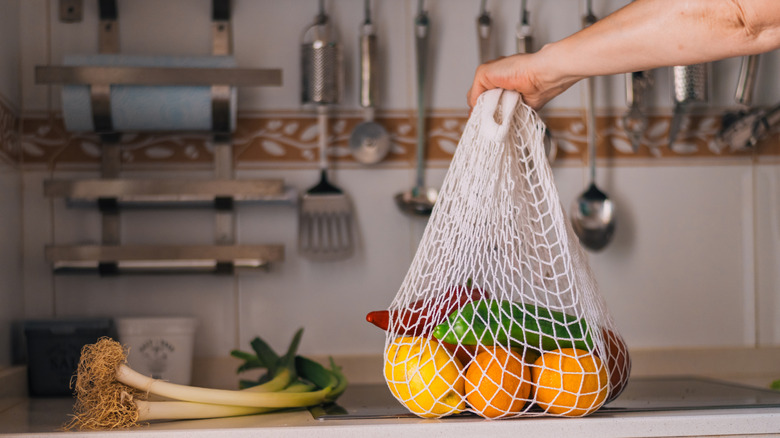
Choose fruits and vegetables without plastic wrap or bags. Loose produce reduces plastic use significantly.
Look for fresh items at markets or stores that offer loose options. This helps keep your kitchen eco-friendly.
- Pick fresh fruits and veggies without stickers or wraps
- Use reusable produce bags for loose items
- Buy only what you need to avoid waste
Credit: www.tastingtable.com
Shop Smart
Reducing plastic use in your kitchen starts with smart shopping. Choosing the right products helps cut down plastic waste.
Focus on buying items that use less plastic. Support brands that care about the environment.
Choose Products With Minimal Packaging
Pick products that come with little or no plastic packaging. This lowers the amount of plastic you bring home.
Look for items wrapped in paper, cardboard, or glass. Avoid single-use plastic bags and containers.
- Buy loose fruits and vegetables instead of pre-packaged ones
- Choose bulk items with refill options
- Pick glass jars or metal cans over plastic bottles
- Use reusable produce bags instead of plastic ones
Support Brands With Eco-friendly Practices
Buy from brands that use sustainable materials and reduce plastic waste. These companies help protect the planet.
Check if brands use recycled packaging or offer refill programs. This supports a circular economy and less plastic pollution.
- Look for labels that mention recycled or biodegradable packaging
- Choose brands with clear environmental goals
- Support local businesses with eco-friendly options
- Buy products that encourage reusing or refilling containers
Make Your Own Staples
Reducing plastic use in the kitchen starts with making your own staples. Many store-bought items come wrapped in plastic. Making these at home lowers waste and saves money.
Simple homemade staples include sauces, dressings, bread, and snacks. These are easy to prepare and store in reusable containers.
Prepare Homemade Sauces And Dressings
Store-bought sauces often come in plastic bottles. Making sauces and dressings at home lets you use glass jars or metal containers. This change cuts down on single-use plastic waste.
Try making simple sauces like tomato sauce, pesto, or salad dressings. Use fresh ingredients and mix them in your kitchen. Store them in clean glass jars to keep fresh longer.
- Use fresh herbs and vegetables
- Store in glass jars with tight lids
- Label jars with dates for freshness
- Make small batches to avoid waste
Bake Bread And Snacks At Home
Bread and snacks often come wrapped in plastic. Baking these at home means less plastic waste. You control the ingredients and the packaging.
Simple recipes for bread, muffins, or cookies use common kitchen items. Store baked goods in reusable containers or cloth bags. This keeps food fresh and reduces plastic use.
- Use reusable baking pans and mats
- Store baked items in glass or metal tins
- Wrap bread in cloth bags or beeswax wraps
- Make only what you need to avoid waste

Credit: news.yahoo.com
Maintain Plastic Items
Plastic items in the kitchen last longer if you take good care of them. Maintaining these items helps reduce waste. It also lowers the need to buy new plastic products often.
Simple habits can keep plastic containers and tools in good shape. This way, you use less plastic and help the environment.
Clean And Reuse Containers
Wash plastic containers thoroughly after each use. Use warm water and mild soap to remove food and stains. Avoid strong chemicals that can damage plastic.
Dry containers completely before storing. This stops bacteria and mold from growing. Clean containers can be reused many times, cutting down on plastic waste.
- Rinse containers right after use
- Use soft sponges to avoid scratches
- Keep lids and containers together
- Label containers to track leftovers
Repair Instead Of Replace
Fix small cracks or broken parts on plastic items. Use food-safe glue or tape made for plastics. This extends the life of your kitchen tools.
Throwing away plastic items too soon adds to waste. Repairing helps save money and reduces plastic pollution.
- Use non-toxic glue for small cracks
- Seal lids if they no longer fit well
- Patch holes in plastic bags or wraps
- Check handles and hinges for damage
Recycle Properly
Reducing plastic waste in your kitchen starts with recycling properly. Sorting plastics and using local programs help keep plastics out of landfills.
Proper recycling supports the environment and makes plastic reuse easier. It helps reduce pollution and saves resources.
Sort Plastics Correctly
Plastics have different codes that tell how to recycle them. Sort plastics by their recycling numbers before recycling.
- Look for numbers 1 to 7 inside the recycling symbol
- Clean plastic containers before recycling
- Separate hard plastics from soft plastics like bags
- Avoid mixing plastics with food waste
Sorting helps recycling centers process plastics faster and better. It reduces contamination in the recycling stream.
Use Local Recycling Programs
Check local rules for recycling plastics in your area. Many towns have special programs for plastic recycling.
Using local programs ensures plastics are recycled correctly. Some programs accept plastics that regular bins do not.
- Find your town’s recycling guidelines online
- Use drop-off centers for hard-to-recycle plastics
- Join community clean-up or recycling events
- Ask about plastic bag and film recycling options

Credit: creators.yahoo.com
Adopt Eco-friendly Habits
Reducing plastic use in the kitchen helps protect the environment. Small changes in habits make a big difference.
Adopting eco-friendly habits saves resources and cuts down waste. Start with simple steps every day.
Plan Meals To Reduce Waste
Planning meals carefully lowers food waste and plastic packaging. Know what you will cook before shopping.
Buy only what you need to avoid throwing food away. Use leftovers creatively for new meals.
- Create a weekly meal plan
- Check your pantry before shopping
- Choose fresh produce without plastic wrap
- Store food in reusable containers
- Use leftovers in soups, salads, or stir-fries
Involve Family In Plastic-free Practices
Get your family involved to make plastic reduction easier. Teach kids why using less plastic is good.
Make plastic-free shopping and recycling a group activity. Encourage everyone to bring reusable bags and bottles.
- Set a family goal to reduce plastic use
- Show how to sort recyclables correctly
- Use reusable containers for snacks and lunches
- Cook meals together using fresh ingredients
- Reward efforts to use less plastic
Frequently Asked Questions
How Can I Replace Plastic Wrap In The Kitchen?
Use beeswax wraps, silicone lids, or reusable cloth covers. These alternatives are eco-friendly and keep food fresh without plastic waste.
What Are The Best Reusable Containers For Reducing Plastic?
Opt for glass, stainless steel, or BPA-free silicone containers. They are durable, safe, and reduce single-use plastic in your kitchen.
How To Avoid Plastic Bags While Grocery Shopping?
Bring your own cloth or mesh bags. They are sturdy, washable, and eliminate the need for disposable plastic bags.
Can I Reduce Plastic By Buying Bulk Food Items?
Yes, buying bulk reduces packaging waste. Use your own containers to store bulk foods and minimize plastic use.
Conclusion
Reducing plastic use in your kitchen helps protect the planet. Small changes add up to big results over time. Choose reusable containers and avoid single-use items. Clean and store food with safer options. Saving money and reducing waste feels good.
Everyone can make a difference by trying these steps. Start today and see how easy it can be. A cleaner kitchen means a healthier home and Earth. Why wait to make your kitchen plastic-free?