
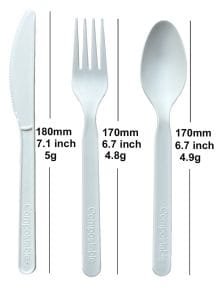
Are you ready to make a real difference with your choice of cutlery? Compostable cutlery is a smart way to reduce waste, but using it efficiently takes a little know-how.
Imagine enjoying your meal without worrying about harming the planet or dealing with soggy forks and spoons. You’ll discover simple, practical tips that help you get the most out of your compostable cutlery—saving you money, reducing waste, and keeping your meals hassle-free.
Keep reading to learn how small changes in how you use your cutlery can have a big impact on the environment and your daily routine.
Choosing The Right Compostable Cutlery
Compostable cutlery is an eco-friendly choice. It helps reduce plastic waste. Picking the right type is important for efficiency.
To make informed decisions, consider the materials and certifications. This will ensure your cutlery breaks down quickly.
Materials That Break Down Fast
Some materials decompose faster than others. Choosing the right material is key to effective composting.
- PLA (Polylactic Acid) is made from corn starch
- CPLA is a heat-resistant version of PLA
- Bamboo is a natural, fast-decomposing option
Certifications To Look For
Certifications ensure that the cutlery meets compostability standards. They give assurance about the product’s environmental impact.
- Look for “BPI Certified” for compostability
- “OK Compost” label confirms home compostable
- Check for “ASTM D6400” or “EN 13432” standards
Avoiding Mixed Materials
Cutlery with mixed materials may not compost well. Single-material options break down more efficiently.
| Avoid combining PLA with non-compostable plastic |
| Choose items that are 100% compostable |
| Avoid coatings that hinder decomposition |
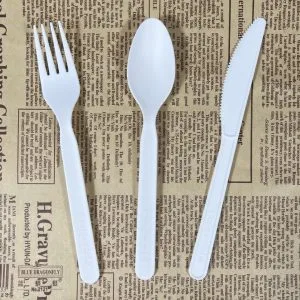
Credit: www.bioleaderpack.com
Proper Usage Tips
Compostable cutlery is a good choice for the environment. Using it well helps reduce waste and keeps it strong.
Follow simple tips to handle compostable cutlery correctly. This makes sure it works well and breaks down safely after use.
Handling To Prevent Damage
Compostable cutlery is often softer than plastic. Handle it gently to avoid breaking or bending.
Do not use too much force when cutting or scooping food. This will keep the cutlery intact and easier to compost later.
- Hold the cutlery firmly but gently.
- Use it only for light or medium textured foods.
- Do not use it to cut very hard or frozen foods.
- Store in a dry place before use to keep it strong.
Best Foods For Compostable Cutlery
Compostable cutlery works best with soft or semi-soft foods. These foods do not require heavy cutting or scraping.
Using the right foods helps avoid breakage and makes eating easier. It also ensures the cutlery composts well after use.
- Salads and fruits
- Cooked vegetables
- Soft pasta and rice dishes
- Soft desserts like pudding or yogurt
Avoiding Overuse And Waste
Use compostable cutlery only when needed. Avoid using extra pieces that are not necessary.
Taking care of your cutlery helps reduce waste and supports a cleaner environment.
- Take only one set of cutlery per meal.
- Use reusable cutlery when possible.
- Compost cutlery after use instead of throwing it in the trash.
- Educate others on correct use and disposal.
Storage And Maintenance
Compostable cutlery needs special care to stay useful. Proper storage and maintenance help keep it strong and clean.
Follow simple tips to avoid damage and waste. This makes sure your cutlery lasts longer and works well.
Keeping Cutlery Dry
Moisture can weaken compostable cutlery. Keep it dry to prevent mold and breakage.
Store cutlery in a dry place away from water or spills. Use sealed containers or bags to protect it.
- Use airtight boxes or bags
- Keep away from sinks and wet areas
- Check for any dampness before use
Avoiding Heat And Moisture
Heat and moisture damage compostable cutlery fast. Store it in a cool, dry place to keep shape and strength.
Avoid storing cutlery near ovens, stoves, or windows where heat or sunlight reach. Moist areas cause warping and softening.
- Keep cutlery away from direct sunlight
- Store at room temperature, not hot or humid
- Use shaded storage areas or cabinets
Extending Shelf Life
Proper storage extends the shelf life of compostable cutlery. This reduces waste and saves money.
Rotate stock to use older cutlery first. Store unopened packages in original wrapping to keep them fresh.
- Use first-in, first-out system
- Keep packaging intact until use
- Store in a clean, dry place
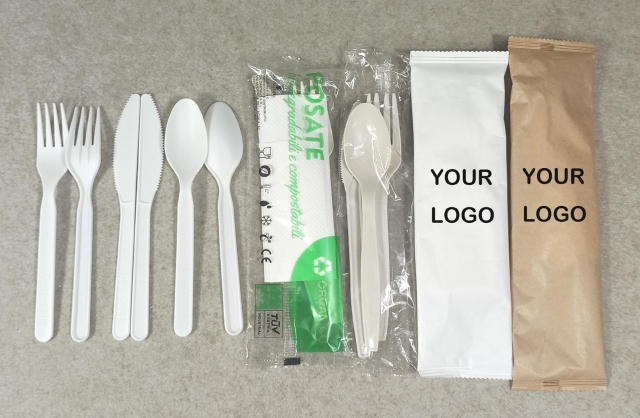
Credit: livepositively.com
Composting Best Practices
Using compostable cutlery is a good step for the environment. Proper composting helps break down materials fast and safely.
Knowing how to compost cutlery correctly can reduce waste and pollution. This guide shares simple tips to compost well.
Home Composting Vs Commercial Facilities
Home composting works best with food scraps and garden waste. It may not break down some compostable cutlery fully.
Commercial composting uses higher heat and special machines. These conditions help cutlery break down faster and cleaner.
- Home composting may take months for cutlery to decompose
- Commercial facilities use temperatures over 130°F to speed up breakdown
- Some cutlery needs commercial composting to fully disappear
- Check if your local facility accepts compostable cutlery
Preparing Cutlery For Composting
Before composting, clean the cutlery to remove food scraps. Leftover food can cause bad smells and pests.
Cut large pieces into smaller parts if possible. Smaller pieces break down faster in compost.
- Rinse off any food or sauce residue
- Break or cut large forks, spoons, and knives into smaller bits
- Use a compost bin or pile with good airflow
- Mix cutlery pieces with other compost materials like leaves or paper
Avoiding Contamination
Keep compostable cutlery separate from plastic or metal utensils. Non-compostable items harm the compost quality.
Only put items labeled as compostable into the compost bin. Wrong items can cause problems at compost sites.
- Check labels to confirm cutlery is compostable
- Do not mix with regular plastic or metal cutlery
- Remove non-compostable packaging before composting
- Educate family or event guests about proper disposal
Creative Eco Hacks
Compostable cutlery is a green choice for meals. Using it smartly helps the planet more.
Try creative ways to use compostable cutlery before composting. These ideas save waste and add value.
Repurposing Cutlery Before Composting
Before composting, you can reuse compostable cutlery in many ways. This extends its life and cuts waste.
Use forks, spoons, and knives for small tasks around the house or garden. They are light and handy.
- Use forks to plant seeds in pots or garden beds
- Spoons can scoop soil or small amounts of water for plants
- Knives can open seed packets or trim small plant stems
- Keep cutlery for arts and crafts projects with kids
Diy Compostable Crafts
Compostable cutlery works well for fun, eco-friendly crafts. Kids and adults can enjoy making things.
Use clean cutlery to create decorations, art pieces, or small useful items. Glue and paint add color.
- Make flower shapes by gluing spoons in a circle
- Create miniature garden signs by writing on knives
- Build small sculptures by connecting cutlery with string
- Turn forks into photo holders by bending tines
Combining With Other Eco-friendly Products
Pair compostable cutlery with other green products to boost eco benefits. This helps reduce waste overall.
Use compostable plates, cups, and napkins together. This keeps your whole meal zero waste and earth-friendly.
- Choose paper or bamboo plates with compostable cutlery
- Use cloth napkins instead of disposable ones
- Carry reusable containers and bags for food transport
- Compost all items properly to close the loop
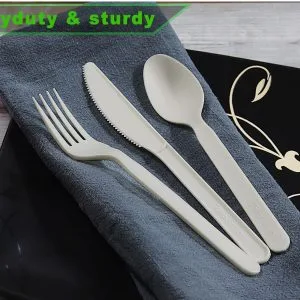
Credit: www.bioleaderpack.com
Frequently Asked Questions
What Are The Best Ways To Store Compostable Cutlery?
Store compostable cutlery in a cool, dry place away from direct sunlight. Avoid moisture to prevent early degradation. Use airtight containers or sealed packaging to keep them fresh until use. Proper storage ensures the cutlery stays sturdy and effective for your events or daily use.
How Can I Compost Used Cutlery Correctly?
After use, rinse off food residue from the compostable cutlery. Place them in a commercial compost bin or your home compost if it accepts such materials. Avoid disposing of them in regular trash or recycling to promote proper biodegradation and reduce landfill waste.
Are Compostable Cutlery Durable For Heavy Foods?
Compostable cutlery is designed for light to moderate food items. For heavy or tough foods, choose thicker or reinforced versions. Check product specifications for durability to ensure they meet your needs. Using appropriate cutlery improves user experience and minimizes breakage.
Can Compostable Cutlery Be Reused Safely?
Compostable cutlery is generally intended for single use to maintain hygiene. Some types may be washed and reused briefly, but repeated use reduces strength and safety. For best results, use them once and compost properly to support sustainability efforts.
Conclusion
Using compostable cutlery helps protect the environment. Choose the right type for your needs. Clean and store them properly to avoid waste. Dispose of them in compost bins whenever possible. Small actions make a big difference over time. Keep learning ways to reduce plastic use.
Together, these steps create a healthier planet. Simple choices lead to a cleaner future.