
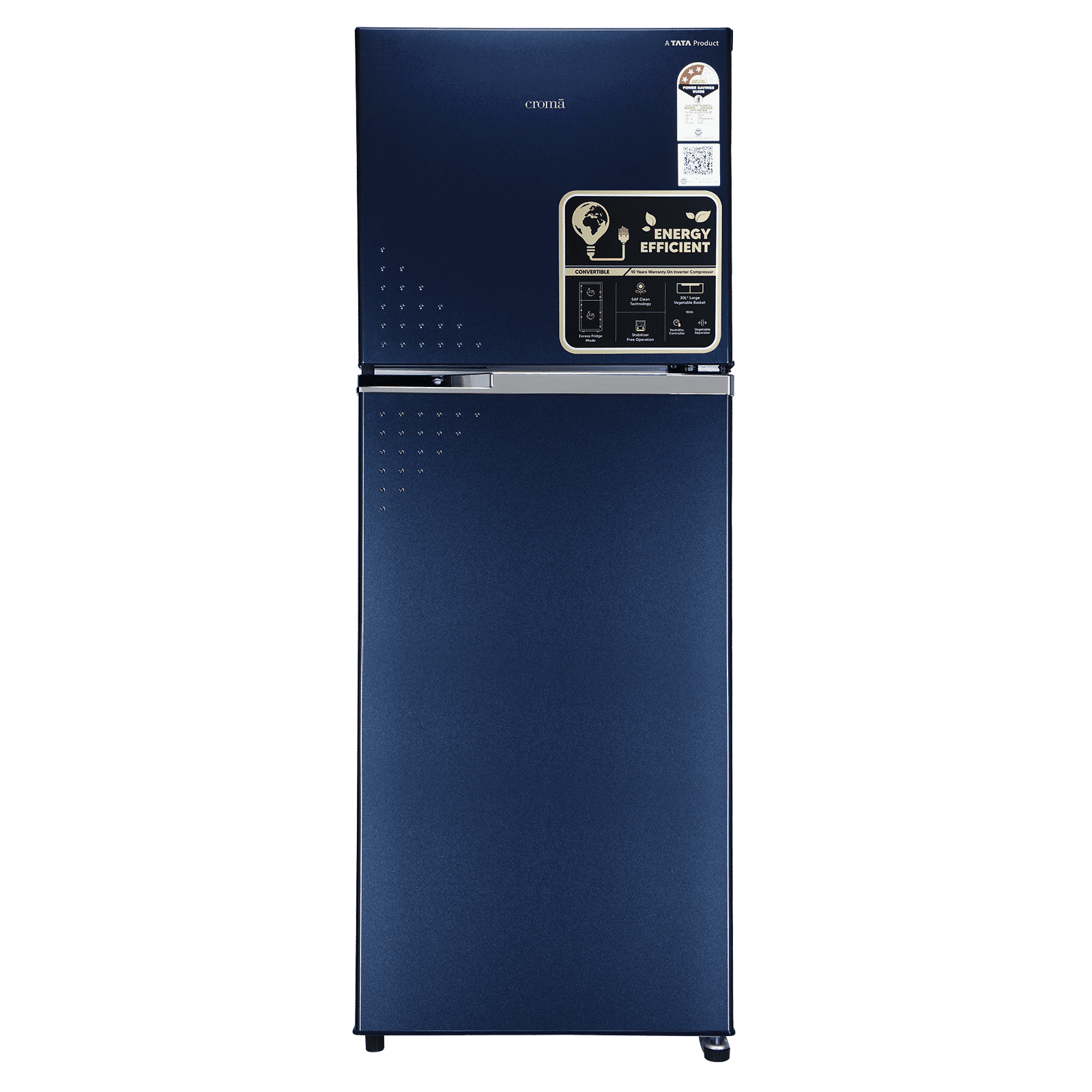
Are you tired of high electricity bills and worried about your impact on the environment? Switching to an energy-efficient refrigerator could be the simple change that saves you money and helps the planet.
But how do you choose the right model? What features should you look for? And how can you make the switch without hassle? This guide will walk you through everything you need to know, so you can make a smart choice that benefits your home and your wallet.
Keep reading to discover how easy it is to upgrade your kitchen with an energy-efficient fridge.
Benefits Of Energy-efficient Refrigerators
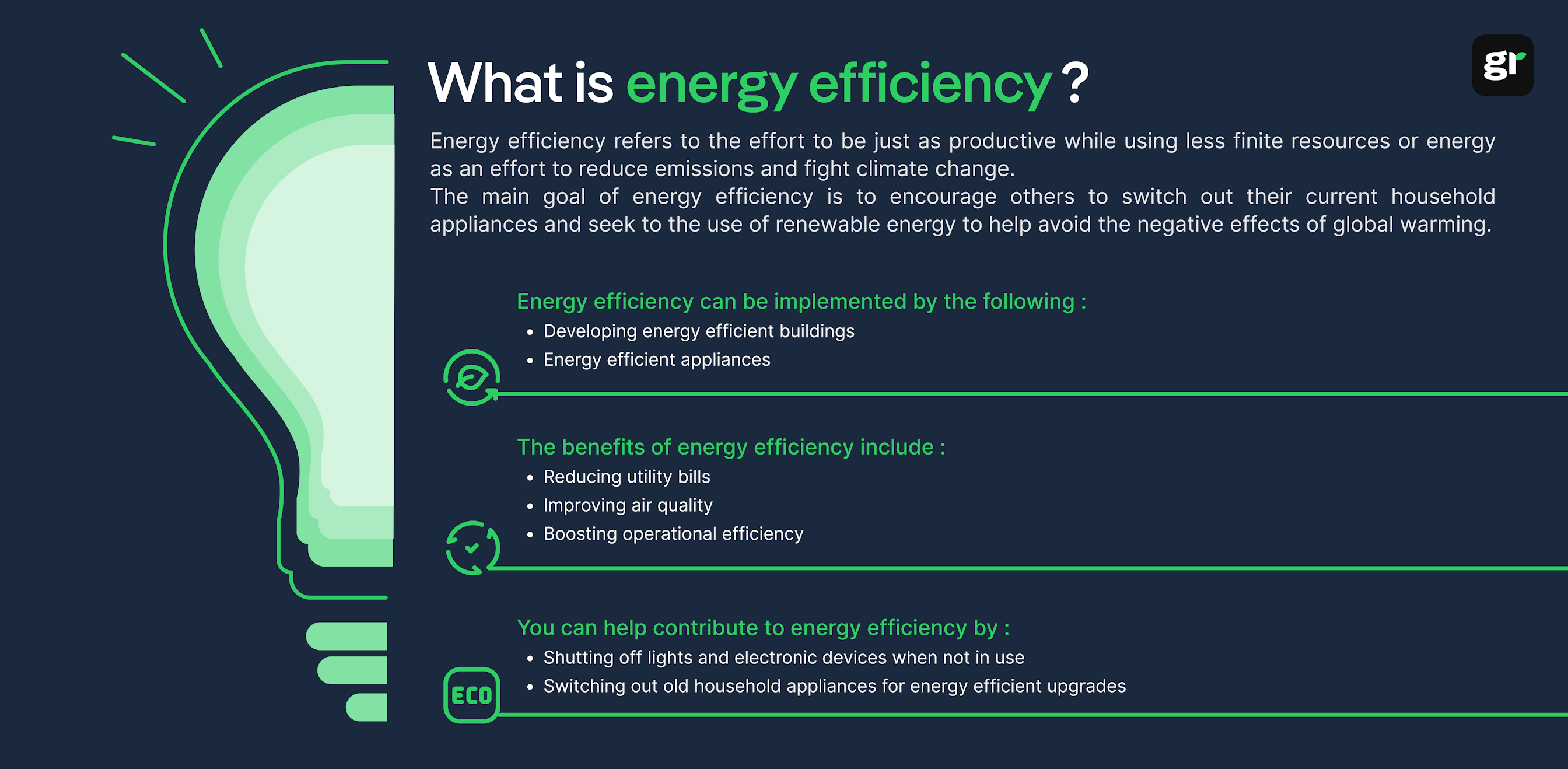
Energy-efficient refrigerators are designed to use less electricity. They offer several benefits that make them a smart choice for your home.
Switching to these refrigerators can save you money and help the environment. Let’s explore the benefits.
Lower Electricity Bills
Energy-efficient refrigerators consume less power. This means your electricity bills will be lower each month.
By using less energy, you can save money over time. This is great for your budget.
- Less electricity usage
- Monthly savings on bills
- More money for other needs
Reduced Environmental Impact
These refrigerators are better for the planet. They reduce the carbon footprint of your home.
Using less energy helps lower greenhouse gas emissions. This is important for a healthier Earth.
- Less pollution
- Contributes to cleaner air
- Supports sustainable living
Long-term Savings
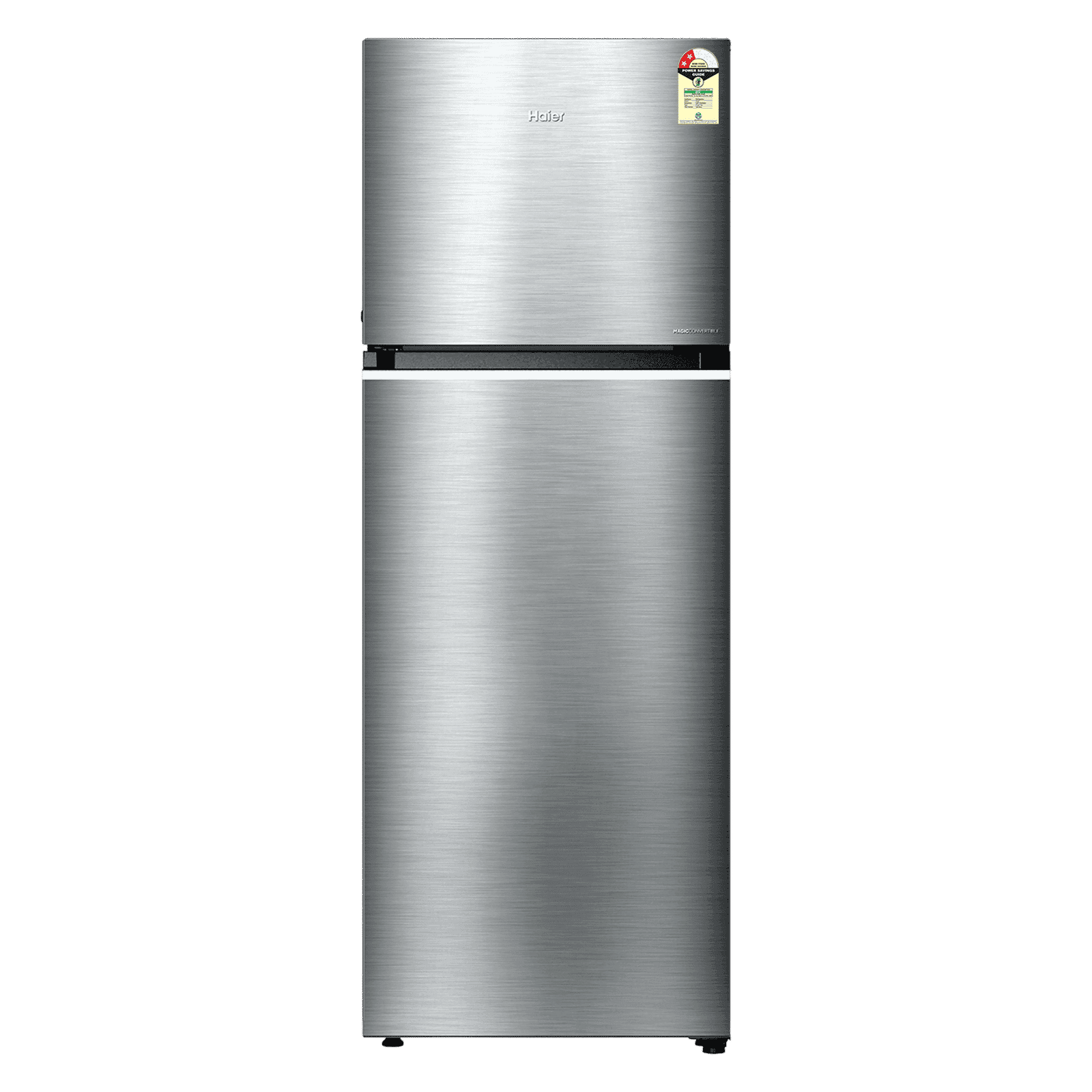
Energy-efficient refrigerators may cost more upfront. However, they save you money in the long run.
With lower bills, you recover the initial cost over time. This makes them a wise investment.
| Initial Cost | Higher |
| Monthly Savings | Consistent |
| Total Savings | Significant over time |
Credit: www.tataneu.com
Identifying Energy-efficient Models
Choosing an energy-efficient refrigerator helps save electricity and lowers bills. Look for models that use less power but work well.
Understanding how to spot these models makes your shopping easier. This guide covers key signs of energy efficiency.
Energy Star Ratings
The Energy Star label shows that a fridge meets energy-saving rules. These fridges use less energy than standard ones.
Look for the Energy Star logo on the product or packaging. It means the fridge is tested for efficiency and quality.
- Fridges with Energy Star use about 10-15% less energy
- They help reduce greenhouse gas emissions
- Energy Star models often qualify for rebates or discounts
Key Features To Look For
Some features help refrigerators save energy. Check these before buying to choose a model that uses less power.
- LED Lighting:Uses less electricity than regular bulbs.
- Inverter Compressor:Adjusts speed for efficient cooling.
- Good Insulation:Keeps cold air in and warm air out.
- Temperature Controls:Lets you set the right cooling level.
- Frost-Free Design:Prevents ice build-up, reducing energy use.
A fridge with these features will likely use less energy and last longer.
Popular Brands And Models
Many brands offer energy-efficient refrigerators. Some models are known for saving power and working well.
| Brand | Model | Type | Energy Star Certified |
|---|---|---|---|
| Whirlpool | WRX735SDHZ | French Door | Yes |
| LG | LSXS26366S | Side-by-Side | Yes |
| Samsung | RF28T5001SR | French Door | Yes |
| GE | GNE27JYMFS | French Door | Yes |
| Frigidaire | FFHB2750TS | Bottom Freezer | Yes |
Check energy ratings and features for these models to find one that fits your needs.
Assessing Your Current Refrigerator
Before switching to an energy-efficient refrigerator, check your current one. Knowing its energy use helps you decide if a new fridge is worth it.
Look at how old it is, how well it works, and if it wastes energy. These steps show if you should replace it.
Energy Consumption Comparison
Old refrigerators use more electricity than new models. New fridges save energy and lower bills.
- Check your fridge’s energy label for yearly use in kWh.
- Compare it with modern energy-efficient models.
- New refrigerators may use 30% to 50% less energy.
Age And Condition Factors
Older refrigerators usually consume more power. The parts wear out and become less efficient.
If your fridge is over 10 years old, it might be costing you more. Look for rust, leaks, or strange noises.
- Check door seals for cracks or gaps.
- Listen for unusual sounds that show strain.
- Look for frost build-up inside the freezer.
Common Inefficiencies
Some problems make refrigerators use more energy. Fixing them can help save power before buying new.
- Doors that do not close tightly let cold air out.
- Dirty condenser coils reduce cooling efficiency.
- Setting the temperature too low wastes energy.
- Overfilled fridges block air flow inside.
Credit: greenly.earth
Steps To Choose The Right Refrigerator
Switching to an energy-efficient refrigerator can save money and help the environment. Choosing the right model is important for your home.
Think about your space, budget, and features before buying. This guide will help you make smart choices.
Measuring Space And Capacity Needs
Measure the space where the fridge will go. Include room for doors to open and air to flow around it.
Consider how much food you store daily. A larger family needs more space than a single person.
- Measure height, width, and depth of the space
- Check door swing and clearance space
- Think about your household size and eating habits
Setting A Budget
Decide how much you want to spend before looking at models. Energy-efficient fridges can cost more upfront.
Think about long-term savings on electricity bills. A higher price can mean lower energy costs.
- Set a clear price range for your purchase
- Compare energy savings over time
- Look for models with good energy ratings in your budget
Balancing Features And Efficiency
Choose features you really need. Extra options may use more energy or increase cost.
Focus on energy labels and efficiency ratings. Pick a model that uses less power but fits your needs.
- Check for Energy Star or similar labels
- Prioritize good insulation and compressor quality
- Limit extra features like ice makers if not needed
Tips For A Smooth Transition
Switching to an energy-efficient refrigerator saves power and money. It also helps protect the environment.
To make this change easy, follow some simple tips. These will help you get the best use from your new fridge.
Proper Disposal Of Old Refrigerators
Old refrigerators contain harmful chemicals. They must be disposed of carefully to avoid pollution.
Contact local waste services or recycling centers. They can safely remove and recycle your old appliance.
- Check if your city offers special pick-up days.
- Never throw old fridges in regular trash.
- Look for certified appliance recyclers.
Installation Best Practices
Place the new refrigerator in a cool, dry spot. Avoid direct sunlight or near heat sources.
Keep enough space around the fridge for air to flow. This helps it run efficiently and last longer.
- Level the fridge to avoid noise and wear.
- Connect to a grounded electrical outlet.
- Follow manufacturer instructions carefully.
Maintenance For Efficiency
Clean the refrigerator coils regularly. Dust on coils makes the fridge work harder and use more energy.
Check the door seals to keep cold air inside. Replace seals if they are cracked or loose.
- Set the temperature to 37-40°F (3-4°C) for the fridge.
- Defrost if your model does not have auto defrost.
- Keep the fridge organized to reduce open-door time.
Financial Incentives And Rebates
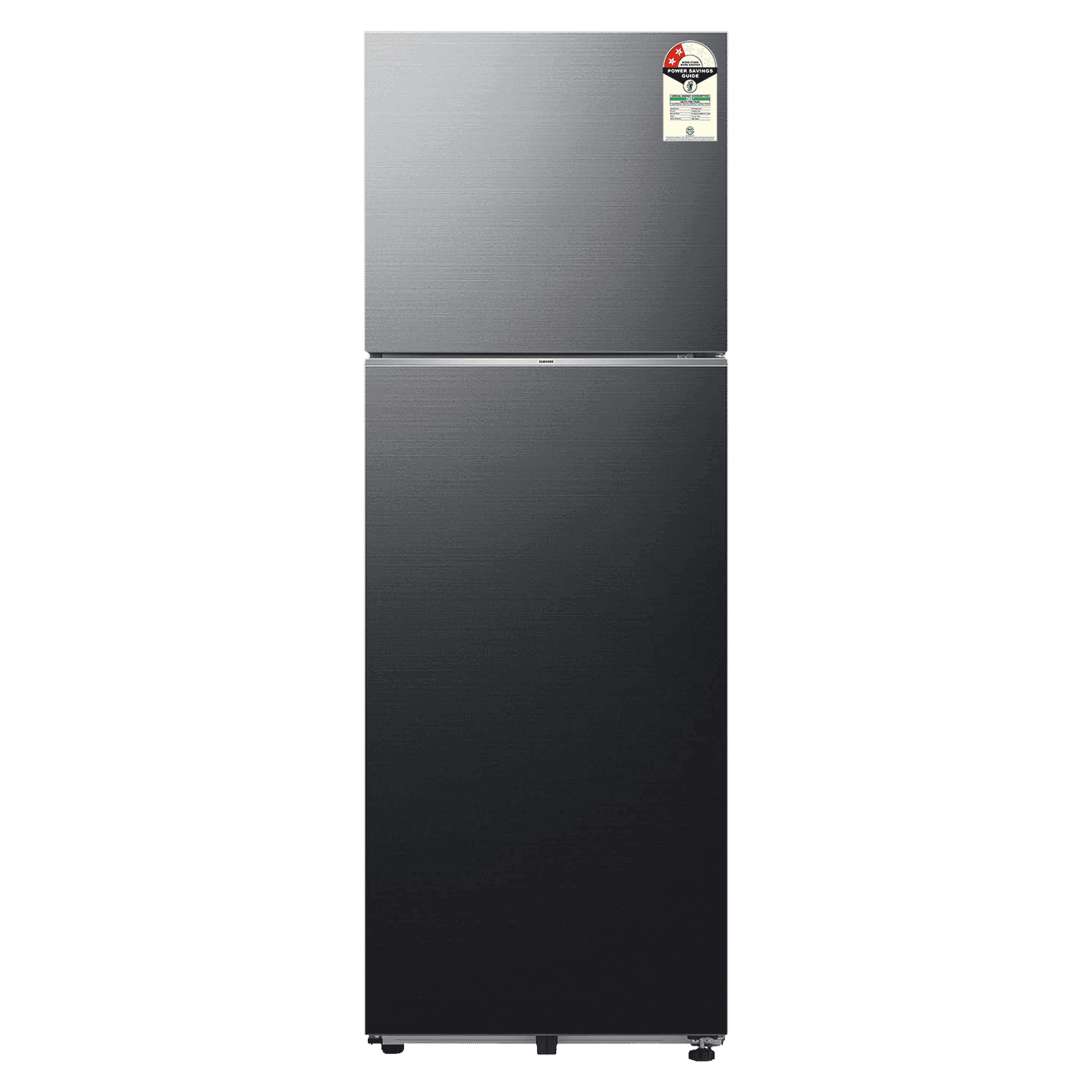
Switching to an energy-efficient refrigerator can save money on electricity bills. Many programs offer financial help to reduce the upfront cost.
These incentives come from governments, utility companies, and manufacturers. They make buying efficient appliances easier and cheaper.
Government Programs
Government programs often provide rebates or tax credits for energy-efficient appliances. They encourage people to buy products that save energy.
These programs may vary by state or country. Check with local energy offices to find available offers.
- Federal tax credits for certain energy-efficient refrigerators
- State rebates based on appliance energy ratings
- Special programs for low-income households
Utility Company Offers
Many utility companies give rebates to customers who buy energy-efficient refrigerators. These offers help lower energy use in homes.
Utility rebates can be instant discounts or mail-in rebates after purchase. Some companies also offer energy-saving tips and audits.
- Instant rebates at select stores
- Mail-in rebate forms with proof of purchase
- Energy audits to find more savings
Manufacturer Discounts
Manufacturers sometimes offer discounts or special deals on energy-efficient refrigerators. These promotions help sell newer models.
Discounts may include price cuts, bundles, or extended warranties. Look for certified energy-efficient labels like ENERGY STAR®.
- Seasonal sales on energy-efficient models
- Price reductions on ENERGY STAR® refrigerators
- Extra warranty or service offers
Credit: www.tataneu.com
Frequently Asked Questions
What Are The Benefits Of Energy-efficient Refrigerators?
Energy-efficient refrigerators reduce electricity bills and lower carbon footprints. They use advanced technology to save power while keeping food fresh longer. These models often qualify for rebates and incentives, making them cost-effective and eco-friendly choices for households.
How To Choose The Right Energy-efficient Refrigerator?
Look for the Energy Star label to ensure efficiency. Consider size, features, and your household needs. Check the annual energy consumption rating to compare models. Prioritize models with inverter compressors for better performance and lower power use.
Are Energy-efficient Refrigerators More Expensive Initially?
Yes, they usually cost more upfront but save money over time. Lower energy bills and maintenance costs offset the initial investment. Many energy-efficient models come with long-term warranties, adding value and peace of mind.
Can Switching To An Energy-efficient Refrigerator Reduce Environmental Impact?
Absolutely, these refrigerators consume less electricity, reducing greenhouse gas emissions. Using less energy helps conserve natural resources and combats climate change. Choosing energy-efficient appliances supports sustainable living and a greener future.
Conclusion
Switching to an energy-efficient refrigerator saves money and helps the planet. These models use less power and keep food fresh longer. Choosing the right size and features makes a big difference. Check energy ratings and read reviews before buying. Small changes in your home can lead to big savings.
Start today and enjoy lower bills and a greener home. It feels good to make smart, simple choices. Your future self will thank you.