
Are you tired of seeing plastic waste pile up everywhere? You might feel like your small actions don’t make a difference, but that’s far from the truth.
Every choice you make can help reduce plastic waste efficiently and protect the planet for yourself and future generations. You’ll discover simple yet powerful ways to cut down on plastic use without changing your lifestyle drastically. Keep reading to learn how easy it is to make a real impact starting right now.
Credit: www.mdpi.com
Sources Of Plastic Waste
Plastic waste comes from many places. It is important to know where it starts.
By understanding plastic sources, we can reduce waste better. This helps protect the environment.
Single-use Plastics
Single-use plastics are made to be used once and thrown away. They include items like straws, cups, and bags.
These plastics often end up in landfills or oceans. They take many years to break down.
- Plastic straws
- Disposable cutlery
- Plastic cups and plates
- Shopping bags
Packaging Materials
Packaging materials use a lot of plastic. They protect products but create waste after use.
Plastic packaging includes wraps, containers, and bubble wrap. These are common in food and shipping.
- Plastic food wraps
- Plastic containers
- Bubble wrap
- Plastic bottles and caps
Plastic In Daily Life
Many daily items contain plastic. These add up to a large amount of waste.
Examples are household goods, toys, and electronics. These plastics often last long but may be discarded.
- Plastic containers and utensils
- Children’s toys
- Electronic casings
- Personal care product bottles
Impact Of Plastic Waste
Plastic waste causes many problems for the planet. It affects the air, water, and land we use every day.
Understanding these effects helps us find ways to reduce plastic waste efficiently.
Environmental Damage
Plastic waste pollutes oceans, rivers, and soils. It takes hundreds of years to break down.
Plastic blocks sunlight and harms plants. It also clogs drainage systems causing floods.
- Plastic clogs waterways and harms ecosystems
- It releases toxic chemicals as it breaks down
- Soil pollution reduces crop growth and health
Effects On Wildlife
Animals often mistake plastic for food. Eating plastic can block their stomachs and cause death.
Plastic waste can trap animals, making it hard for them to move or breathe.
- Sea turtles eat plastic bags thinking they are jellyfish
- Birds get tangled in plastic rings and nets
- Fish absorb chemicals from plastic, affecting their health
Human Health Concerns
Plastic waste can enter the food chain through fish and plants. This affects human health.
Chemicals from plastic can cause problems like allergies and hormone disruption.
- Microplastics found in drinking water and seafood
- Plastic chemicals linked to cancer and birth defects
- Air pollution from burning plastic harms lungs
Reduce Plastic At Home
Plastic waste is a big problem for our planet. We can all help by using less plastic at home. There are simple changes you can make every day.
These changes will not only reduce waste but also make our homes more sustainable. Let’s look at some easy ways to cut down on plastic use.
Switch To Reusables
Single-use plastics like bags, bottles, and straws add up quickly. Switching to reusable options can make a big difference. Invest in items that you can use over and over again.
- Use cloth bags for shopping
- Carry a stainless steel water bottle
- Opt for glass or metal straws
Avoid Plastic Packaging
Many products come with plastic packaging that is not needed. Choose items with less or no plastic packaging. This is a simple way to reduce waste.
Look for products that use paper, glass, or other eco-friendly materials. Buy in bulk to minimize packaging waste.
Diy Cleaning Products
Many cleaning products come in plastic bottles. Making your own cleaning solutions is easy and reduces plastic waste. You can use simple ingredients found at home.
- Mix vinegar and water for a natural cleaner
- Use baking soda to scrub surfaces
- Add lemon juice for a fresh scent
Smart Shopping Habits
Reducing plastic waste starts with the choices we make while shopping. Small changes in buying habits can lower plastic use. Smart shopping helps protect the environment and saves resources.
Focus on buying items that create less plastic waste. Choosing the right products and packaging can make a big difference. Here are some easy habits to follow.
Choose Bulk Buying
Buying in bulk reduces the amount of plastic packaging used. Large packages need less wrapping than many small ones. This lowers the total plastic waste from your shopping.
Bulk buying works well for dry foods, cleaning supplies, and personal care items. Bring your own bags or containers to avoid plastic bags at the store.
- Use reusable bags or containers for bulk items
- Buy only what you need to prevent waste
- Check the store’s bulk section for options
Support Plastic-free Brands
Some brands focus on using no plastic or eco-friendly packaging. Choosing these brands helps reduce plastic pollution. It also encourages more companies to change their packaging.
Look for products with paper, glass, or metal packaging. Avoid items wrapped in plastic films or shrink-wrap. Supporting plastic-free brands makes a positive impact.
- Check labels for packaging materials
- Choose products in glass jars or metal tins
- Buy items wrapped in paper or cardboard
Use Refillable Containers
Refillable containers reduce single-use plastic waste. Use bottles, jars, or boxes that you can refill many times. This lowers the need to buy new plastic packaging often.
Bring your own containers to stores that offer refills. You can refill items like shampoo, soap, and food products. This habit cuts down plastic waste significantly.
- Carry clean containers for refilling
- Find local refill stations or stores
- Refill items like detergents and snacks
Community Actions
Reducing plastic waste takes teamwork. Communities can help by working together. Small actions by many people make a big difference.
Groups can plan activities that lower plastic pollution. These actions help keep neighborhoods clean and safe.
Organize Cleanups
Community cleanups collect plastic trash in parks, streets, and beaches. These events stop plastic from reaching water and harming animals.
Invite neighbors, schools, and local groups to join. Provide gloves and bags to make cleanup safe and easy.
- Choose a location with visible plastic waste
- Set a date and time that works for most people
- Gather tools like gloves, bags, and bins
- Sort collected trash for recycling or disposal
Promote Recycling Programs
Recycling turns plastic waste into new items. Communities can spread the word about local recycling rules and centers.
Teach people how to clean and sort plastic before recycling. Clear instructions improve recycling success and reduce contamination.
- Share flyers with recycling guidelines
- Host workshops or talks on recycling benefits
- Set up collection bins in public places
- Partner with local recycling facilities
Advocate For Plastic Bans
Communities can ask leaders to ban single-use plastics like bags and straws. These bans lower plastic waste at the source.
Start petitions and attend local meetings to share concerns. Support policies that encourage using reusable products instead.
- Identify plastics that cause the most harm
- Gather community support for bans
- Meet with policymakers to discuss rules
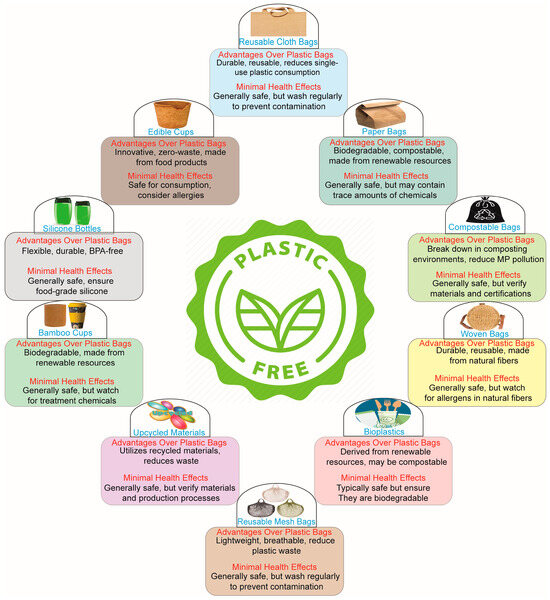
- Promote alternatives like cloth bags and metal straws

Credit: products.com.tw
Innovative Alternatives
Reducing plastic waste is important for the environment. New ideas help us use less plastic every day.
Innovative alternatives offer ways to replace plastic with safer, cleaner options. These ideas support a healthier planet.
Biodegradable Materials
Biodegradable materials break down naturally in the environment. They cause less harm than plastic.
Many products now use plant-based materials. These include bags, cutlery, and packaging that decompose quickly.
- Bioplastics made from corn or sugarcane
- Paper and cardboard from recycled sources
- Natural fibers like bamboo and hemp
Reusable Packaging Solutions
Reusable packaging helps cut down on single-use plastic waste. People use containers many times instead of throwing them away.
These solutions come in many forms like jars, bags, and boxes. They keep products safe and reduce trash.
- Glass jars for food storage and shopping
- Cloth bags for groceries and produce
- Metal tins for dry goods and gifts
Plastic-free Innovations
New inventions avoid plastic completely. These products use different materials to meet the same needs.
Plastic-free items help reduce pollution and protect wildlife. They show how creativity can reduce plastic waste.
- Edible cutlery made from grains
- Straws made from paper or metal
- Compostable food wraps from beeswax
Tracking Progress
Reducing plastic waste takes time and effort. Tracking progress helps you see how well you do.
By watching your actions, you can improve and stay motivated to cut down plastic use.
Set Realistic Goals
Choose goals that you can reach. Small targets work better than big ones.
Realistic goals keep you focused and avoid frustration if progress is slow.
- Reduce single-use plastic by 10% each month
- Use reusable bags for all shopping trips
- Bring your own water bottle daily
Monitor Plastic Use
Keep track of how much plastic you use every day or week. Write it down or use an app.
Check your trash to see what plastic items you throw away most often.
- Count plastic bags used
- Note plastic bottles discarded
- Track packaging from food and products
Celebrate Small Wins
Recognize small successes on your plastic reduction journey. It boosts your motivation.
Reward yourself for reaching goals, like using no plastic bags for a week.
- Share achievements with friends or family
- Treat yourself to a plastic-free product
- Keep a journal of progress and milestones
Credit: www.suntory.com
Frequently Asked Questions
What Are The Best Ways To Reduce Plastic Waste Daily?
Using reusable bags, bottles, and containers helps reduce plastic waste. Avoid single-use plastics and recycle properly. Choose products with minimal packaging to lower your plastic footprint effectively.
How Can Businesses Contribute To Reducing Plastic Waste?
Businesses can switch to eco-friendly packaging and promote recycling. They should encourage customers to use reusable items. Implementing waste reduction policies also plays a key role in minimizing plastic waste.
Which Alternatives Replace Single-use Plastic Items Efficiently?
Alternatives include bamboo utensils, glass containers, and cloth bags. These options are reusable, biodegradable, and eco-friendly. Switching helps reduce plastic pollution significantly and supports sustainable living.
Why Is Reducing Plastic Waste Important For The Environment?
Plastic waste harms wildlife and pollutes oceans. It takes centuries to decompose, causing long-term damage. Reducing plastic waste protects ecosystems and promotes a healthier planet.
Conclusion
Reducing plastic waste helps protect our planet and health. Simple changes like using reusable bags and bottles make a big difference. Everyone can join in by recycling and avoiding single-use plastics. Small steps add up to a cleaner, safer environment.
The future depends on what we do today. Act now to keep the Earth plastic-free. Every effort counts toward a better world. Together, we can create lasting change.