
Choosing the right refrigerator isn’t just about size or style—it’s about saving money and energy every day. Imagine cutting down your electric bills while keeping your food fresh and your kitchen stylish.
You might think all refrigerators are the same, but picking an energy-efficient model can make a big difference for your wallet and the planet. You’ll discover simple tips to find the perfect fridge that fits your needs and helps you use less energy.
Keep reading to learn how to make a smart choice that benefits you now and for years to come.
Credit: www.lg.com
Benefits Of Energy-efficient Refrigerators
Energy-efficient refrigerators save money and help the environment. They are designed to use less electricity than regular models.
These refrigerators are a smart choice for any home. They offer several advantages that make them worth the investment.
Lower Electricity Bills
Energy-efficient refrigerators use less power. This means you will pay less on your electric bill each month.
Older models can be expensive to run. Newer energy-efficient ones reduce these costs significantly.
- Use less power daily
- Save money over time
- Reduce monthly expenses
Reduced Environmental Impact
Energy-efficient refrigerators are better for the planet. They use fewer resources and produce fewer emissions.
Choosing these models helps reduce your carbon footprint. It is a small step that contributes to a healthier Earth.
| Less energy consumption | Fewer greenhouse gases |
| Eco-friendly materials | Supports sustainability |
Improved Appliance Longevity
Energy-efficient refrigerators often last longer. They are built with advanced technology that reduces wear and tear.
This means fewer repairs and replacements over the years. A long-lasting appliance is a good investment for any household.
- Durable components
- Fewer breakdowns
- Extended lifespan
Key Energy Ratings To Consider
Choosing an energy-efficient refrigerator saves money and helps the environment. Look for key energy ratings before buying.
These ratings show how much energy the fridge uses and how well it works. Understanding them makes your choice easier.
Energy Star Certification
Energy Star is a label for products that use less energy. Refrigerators with this label meet strict efficiency rules.
Choosing an Energy Star fridge means you get good performance and lower electricity bills.
Energy Efficiency Ratio
The Energy Efficiency Ratio (EER) shows how well a fridge uses energy. A higher EER means better efficiency.
Look for refrigerators with a high EER to save power without losing cooling quality.
Annual Energy Consumption
This rating tells you how much energy the fridge uses in one year. It is shown in kilowatt-hours (kWh).
Lower annual energy use means the fridge costs less to run. Check this number to compare models easily.
Types Of Energy-efficient Refrigerators
Energy-efficient refrigerators help save electricity and lower bills. They come in different styles to fit your kitchen and needs.
Choosing the right type can make a big difference in energy use and space. Learn about common models to find one that suits you.
Top-freezer Models
Top-freezer refrigerators have the freezer compartment above the fridge section. This classic design uses less energy than many other types.
They often cost less and work well in small kitchens. The simple layout helps keep cold air inside when you open the door.
- Freezer on top, fridge below
- Simple design uses less power
- Usually smaller and more affordable
Bottom-freezer Models
Bottom-freezer refrigerators place the freezer at the bottom. This design keeps fresh foods at eye level and easy to reach.
They use energy efficiently by having a well-insulated freezer. Many models include drawers for organized storage.
- Freezer drawer at the bottom
- Fresh food is easy to access
- Good insulation saves energy
Side-by-side Models
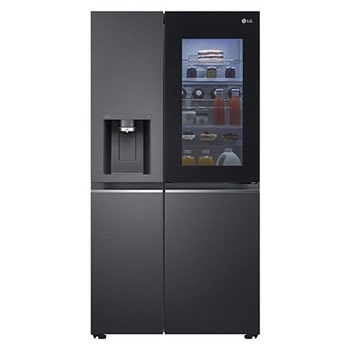
Side-by-side refrigerators have freezer and fridge sections next to each other. Doors open from the center, offering narrow access openings.
This style can use more energy but has features like water and ice dispensers. They fit well in kitchens with tight door space.
- Freezer and fridge side by side
- Narrow doors fit small spaces
- Often include ice and water dispensers
French Door Models
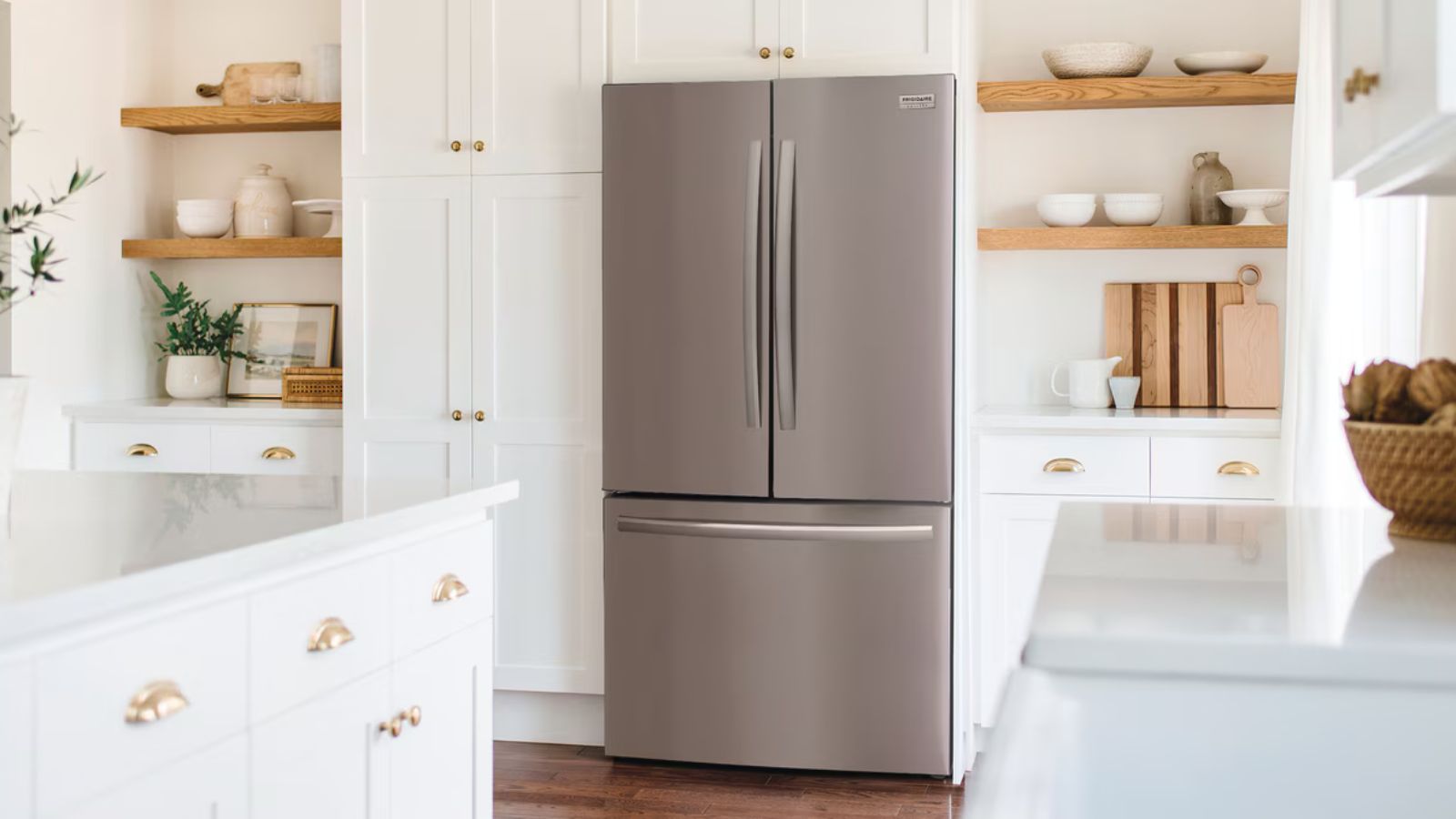
French door refrigerators combine a bottom freezer with two fridge doors on top. This design offers wide shelves and good storage space.
They often have high energy ratings due to better cooling technology. The wide doors make it easy to organize fresh foods.
- Two fridge doors on top
- Freezer drawer at the bottom
- Energy-efficient cooling systems
- Spacious and organized storage
Credit: www.consumerreports.org
Important Features For Energy Savings
Choosing an energy-efficient refrigerator saves electricity and lowers bills. Look for features that reduce power use.
These features help keep your food fresh while using less energy.
Inverter Compressors
Inverter compressors adjust their speed based on cooling needs. This uses less energy than regular compressors.
They keep temperature steady and reduce wear and tear on the fridge.
Led Lighting
LED lights use less power and last longer than traditional bulbs. They also produce less heat inside.
Good lighting helps you find items quickly, so you open the door for less time.
Smart Temperature Controls
Smart controls let you set the fridge temperature precisely. This avoids using too much energy.
Some models have sensors that adjust cooling based on food inside and room temperature.
Door Alarms And Seals
Door alarms alert you if the fridge door stays open too long. This stops cold air from escaping.
Strong door seals keep cold air inside. Check seals regularly to avoid energy loss.
Size And Capacity Considerations
Choosing an energy-efficient refrigerator means thinking about its size and capacity. The right size saves energy and fits your needs well.
Too big or too small refrigerators can waste electricity or cause inconvenience. Focus on matching size to your household.
Matching Capacity To Household Needs
Look at how many people live in your home. Bigger families need more space for food storage.
Consider your eating habits. If you cook often or buy in bulk, choose a larger capacity.
- 1-2 people: 100-200 liters
- 3-4 people: 200-400 liters
- 5 or more people: 400+ liters
Avoiding Oversized Units
Don’t buy a fridge that is too large for your needs. Large fridges use more energy than needed.
Extra space inside a fridge means it works harder to keep cool. This raises your electricity bill.
- Choose a fridge with just enough space.
- Avoid models with large freezer compartments if you don’t use them.
- Smaller fridges save money and energy.
Space And Layout Planning
Measure the place where you want the fridge. Make sure there is enough room for doors to open fully.
Think about the kitchen layout. A well-placed fridge makes cooking easier and saves energy.
- Leave space around the fridge for air flow.
- Keep the fridge away from heat sources like ovens.
- Check door swing direction to fit your kitchen.
Comparing Brands And Models
Choosing an energy-efficient refrigerator means looking at different brands and models. This helps you find the best option for your home and budget.
Focus on key factors like energy use, reliability, and customer feedback. These details guide you to a smart purchase.
Reputation For Energy Efficiency
Some brands are known for making energy-saving refrigerators. These brands use advanced technology to reduce power use.
Check if the brand has awards or certifications for energy efficiency. This shows they care about saving energy.
- Look for ENERGY STAR certified models
- Choose brands with proven low electricity use
- Compare energy labels on different models
Warranty And Support
A good warranty protects your fridge if it breaks. It shows the brand trusts its product quality.
Also, check the support services. Easy access to help saves time and stress if problems arise.
- Look for at least a one-year warranty
- Check if parts and service are easy to get
- Find brands with good customer service reputations
Customer Reviews And Ratings
Customer reviews show real experiences with brands and models. They give insight into energy use and durability.
Ratings help compare many refrigerators at once. Focus on energy efficiency and long-term performance scores.
- Read reviews about energy bills after use
- Check ratings for noise and cooling quality
- Note common problems reported by buyers
Budgeting For An Energy-efficient Refrigerator
Choosing an energy-efficient refrigerator helps save money and reduce power use. Planning your budget is important before buying.
This guide explains how to balance cost and savings, find rebates, and explore payment options.
Initial Cost Vs Long-term Savings
Energy-efficient refrigerators usually cost more at first. This higher price pays off over time with lower electricity bills.
Think about how long you will use the fridge. Savings add up each year and can cover the initial cost.
- Higher upfront price means better energy savings
- Lower electricity bills reduce monthly expenses
- Longer use increases total savings
Available Rebates And Incentives
Many places offer rebates or incentives for buying energy-efficient appliances. These reduce your purchase price.
Check local utility companies or government programs for available offers before buying your refrigerator.
- Utility company rebates lower upfront costs
- Government incentives encourage energy savings
- Programs vary by location and time
Financing And Payment Options
Some stores or manufacturers offer financing to spread out the cost of your refrigerator. This helps manage your budget.
Look for low or zero interest plans to avoid extra fees. Choose a payment option that fits your monthly budget.
- Financing spreads cost over months or years
- Zero interest plans reduce total payment
- Check terms carefully before agreeing
Credit: www.homesandgardens.com
Maintenance Tips To Maximize Efficiency
Energy-efficient refrigerators save power and reduce bills. To keep them working well, regular maintenance is important.
Simple care habits can help your fridge stay efficient for a long time. Follow these tips to maintain your refrigerator.
Regular Cleaning
Clean your refrigerator inside and out to improve its performance. Dirt and dust can make it work harder.
Wipe spills quickly and clean shelves often. Also, clean the coils at least twice a year.
- Remove food crumbs and spills inside
- Wash shelves and drawers with warm soap water
- Vacuum or brush condenser coils carefully
- Clean door gaskets to keep seals tight
Proper Ventilation
Good airflow around the fridge helps it cool better. Blocked vents make the compressor work more.
Leave space around the fridge and do not cover the vents. This keeps air moving and reduces energy use.
- Keep at least 2 inches space on sides
- Leave 1 inch space at the back
- Do not place fridge near heat sources
- Keep vents free from dust and objects
Temperature Settings
Set the right temperature to save energy. Too cold wastes power; too warm spoils food.
Keep the fridge between 37°F and 40°F and the freezer at 0°F for best results.
- Use a thermometer to check temperatures
- Avoid frequent temperature changes
- Do not overfill the fridge or freezer
- Close doors tightly to keep temperature stable
Seal Inspections
Check door seals often to keep cold air inside. Damaged seals let cold air escape and waste energy.
Clean seals regularly and replace them if they are cracked or broken to keep your fridge efficient.
- Inspect seals for cracks or gaps
- Clean seals with mild soap and water
- Test seal by closing a dollar bill in the door
- Replace seals if they do not hold tightly
Frequently Asked Questions
What Features Make A Refrigerator Energy-efficient?
Energy-efficient refrigerators have high Energy Star ratings, good insulation, and LED lighting. They use advanced compressors and maintain consistent temperatures, reducing electricity use and saving money.
How To Read Energy Labels On Refrigerators?
Energy labels show annual energy consumption in kWh. Look for lower numbers and Energy Star certification. These indicate lower power use and better efficiency.
Does Refrigerator Size Affect Energy Consumption?
Yes, larger refrigerators usually consume more energy. Choose a size that fits your needs to avoid wasting electricity and money.
Are Inverter Compressors Better For Energy Savings?
Inverter compressors adjust speed based on cooling needs. They use less energy, reduce noise, and keep temperatures stable, making them more efficient.
Conclusion
Choosing an energy-efficient refrigerator saves money and helps the planet. Check the Energy Star label for trusted efficiency. Size matters; pick one that fits your needs without waste. Look for features like good insulation and smart temperature controls. Remember, a well-chosen fridge uses less power and keeps food fresh longer.
Small steps add up to big savings over time. Start with these tips to make a smart, simple choice today.