
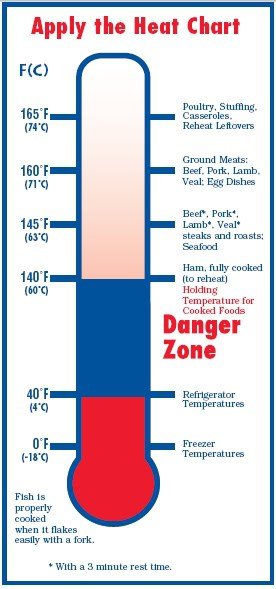
Keeping your food safe starts with one simple step: storing it at the right temperature. If you’ve ever wondered why leftovers sometimes spoil too quickly or why certain foods make you sick, the answer often lies in how they’re stored.
You don’t have to be a food expert to protect your meals and your health. With a few easy tips, you can make sure your food stays fresh longer and stays safe to eat. Ready to take control of your kitchen and avoid food-related risks?
Keep reading—these practical tips will help you master safe food storage temperatures every time.
Ideal Temperature Ranges
Keeping food at the right temperature is important. This helps prevent spoilage and foodborne illnesses.
Learn the best temperature settings for your refrigerator, freezer, and room storage.
Refrigerator Settings
Your refrigerator should be set to keep food fresh. The ideal temperature is between 35°F and 38°F (1.7°C to 3.3°C).
This range helps slow down the growth of bacteria. Always use a thermometer to check the temperature.
Freezer Guidelines
Freezers should be much colder than refrigerators. The best temperature is 0°F (-18°C) or lower.
This keeps food safe for longer periods. Ensure your freezer door seals tightly to maintain the temperature.
Room Temperature Limits
Not all food should be stored at room temperature. Perishable items should not be left out for more than 2 hours.
If the room is warmer than 90°F (32°C), reduce this time to 1 hour. This prevents bacteria from growing rapidly.
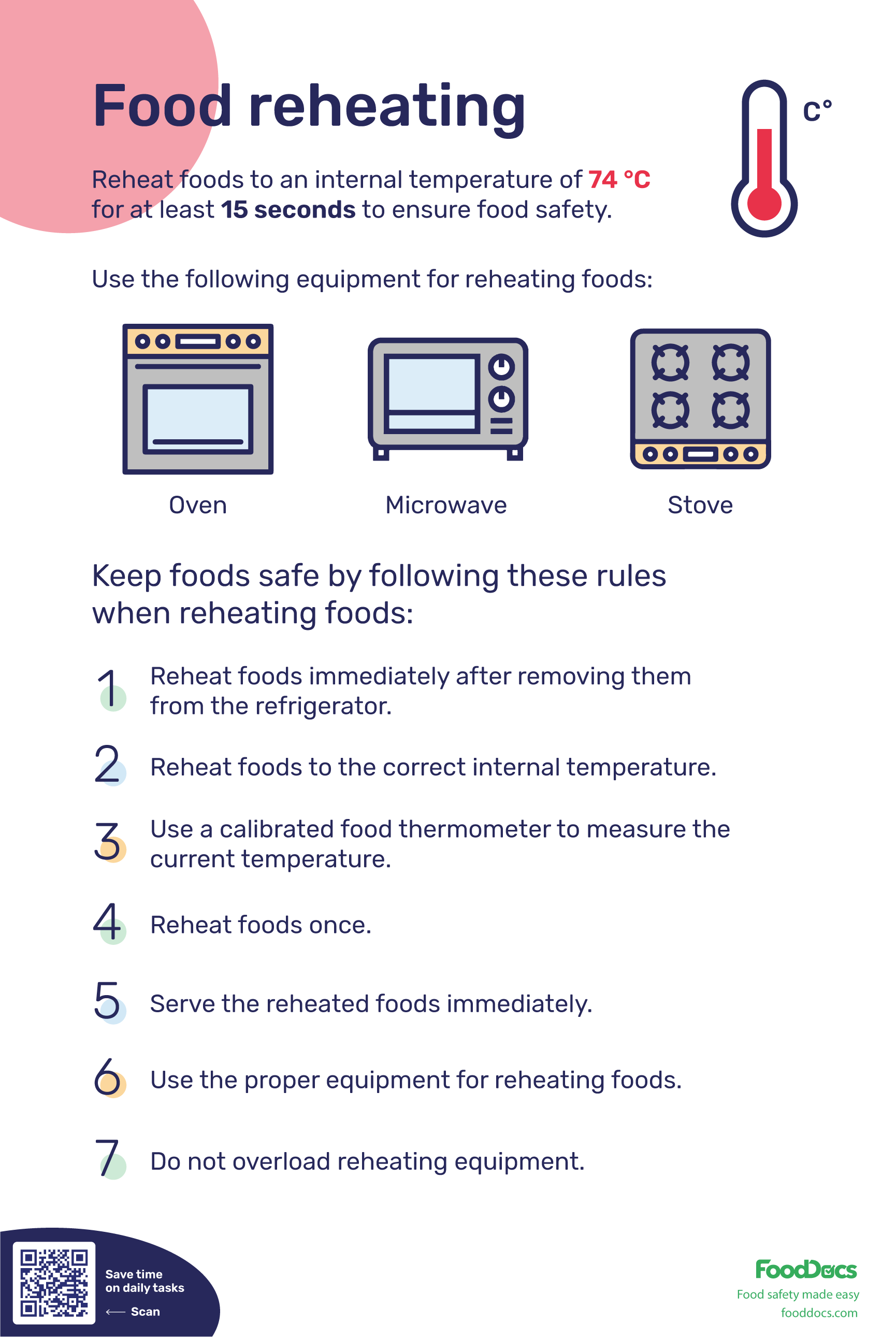
Credit: www.fooddocs.com
Safe Cooling Practices
Keeping food safe means cooling it properly after cooking. Cooling food fast stops bacteria from growing.
Safe cooling helps keep your food fresh and healthy to eat later.
Proper Food Cooling Methods
Cool food quickly by dividing it into smaller portions. Use shallow containers to spread the food out.
Place hot food in the fridge or freezer within two hours of cooking to keep it safe.
- Use shallow containers less than 3 inches deep
- Divide large amounts into smaller batches
- Stir soups or stews to cool evenly
- Leave lids off until food cools
- Put food in the fridge promptly
Avoiding Temperature Danger Zone
The temperature danger zone is between 40°F and 140°F. Bacteria grow fast in this range.
Keep food out of the danger zone by cooling quickly and storing at safe temperatures.
- Do not leave food out for more than 2 hours
- Refrigerate food below 40°F
- Freeze food below 0°F for long storage
- Use a food thermometer to check temperatures
Storing Different Food Types
Storing food at the right temperature keeps it fresh and safe. Different foods need different storage temperatures to stop bacteria growth.
Knowing how to store each type of food helps prevent spoilage and foodborne illness. Keep your food safe by following simple temperature tips.
Meat And Poultry
Meat and poultry must be stored cold to stop bacteria from growing. Keep raw meat separate from other foods to avoid cross-contamination.
Store meat and poultry at or below 40°F (4°C) in the refrigerator. Freeze if you will not use it within a few days.
- Refrigerate fresh meat within 2 hours of buying
- Use or freeze meat within 1-2 days
- Keep frozen meat at 0°F (-18°C) or lower
- Thaw meat in the fridge, not at room temperature
Dairy Products
Dairy products spoil quickly if not kept cold. Keep milk, cheese, and yogurt in the coldest part of the fridge.
Store dairy at or below 40°F (4°C) and check expiration dates. Close containers tightly to keep them fresh longer.
- Keep milk and cream in the fridge door
- Store cheese in airtight containers
- Use yogurt before the expiration date
- Do not leave dairy out for more than 2 hours
Fruits And Vegetables
Most fruits and vegetables stay fresh in the fridge. Some produce, like bananas and tomatoes, do better at room temperature.
Keep fruits and vegetables separate to avoid spoiling. Store at temperatures between 32°F and 40°F (0°C to 4°C) for best results.
- Wash produce before eating, not before storing
- Keep leafy greens in a sealed bag or container
- Store apples away from other fruits to prevent ripening
- Use crisper drawers for humidity control
Leftovers
Cool leftovers quickly and store them in shallow containers. Keep leftovers at or below 40°F (4°C) to slow bacteria growth.
Eat leftovers within 3 to 4 days. Reheat them to 165°F (74°C) before eating to kill any bacteria.
- Cool leftovers within 2 hours of cooking
- Use airtight containers for storage
- Label leftovers with the date stored
- Do not reheat leftovers more than once

Credit: realsense-learning.co.uk
Using Thermometers Effectively
Keeping food at safe temperatures stops germs from growing. Using a thermometer helps check if food is stored correctly.
Thermometers show the exact temperature inside your fridge or freezer. This helps keep food fresh and safe to eat.
Choosing The Right Thermometer
Pick a thermometer that fits your needs. Different types work for different storage places and foods.
Look for a thermometer with clear numbers and easy-to-read displays. Digital thermometers often give quick and accurate readings.
- Dial thermometers are simple and affordable
- Digital thermometers provide fast, precise results
- Probe thermometers are good for checking meat inside
- Infrared thermometers measure surface temperatures
Regular Temperature Checks
Check your fridge and freezer temperatures often. This helps catch problems before food spoils.
Write down the temperatures each day. This record shows if your storage is safe or needs fixing.
- Check fridge temperature twice a day
- Keep freezer temperature at or below 0°F (-18°C)
- Store fridge temperature between 32°F and 40°F (0°C to 4°C)
- Calibrate your thermometer regularly to keep it accurate
Preventing Cross-contamination
Cross-contamination happens when harmful bacteria spread from one food to another. This can cause food poisoning and illness.
Safe food storage helps stop bacteria from moving between foods. Keep raw and cooked foods separate to stay safe.
Separate Storage Tips
Store raw meat, poultry, and seafood below ready-to-eat foods. This stops juices from dripping and contaminating other items.
Use different containers for each food type. Label them clearly to avoid confusion and keep foods apart.
- Keep raw meat on the bottom shelf of the fridge
- Use sealed containers to prevent leaks
- Store fresh fruits and vegetables away from raw meat
- Do not mix raw and cooked foods in the same container
Cleaning And Sanitizing
Clean surfaces and tools before and after food preparation. This removes bacteria and prevents cross-contamination.
Sanitize cutting boards, knives, and countertops with a safe disinfectant. Use hot, soapy water followed by a sanitizer.
- Wash hands thoroughly with soap and water
- Clean utensils between cutting raw and cooked foods
- Use separate cutting boards for meat and vegetables
- Replace sponges and cloths often to avoid bacteria build-up
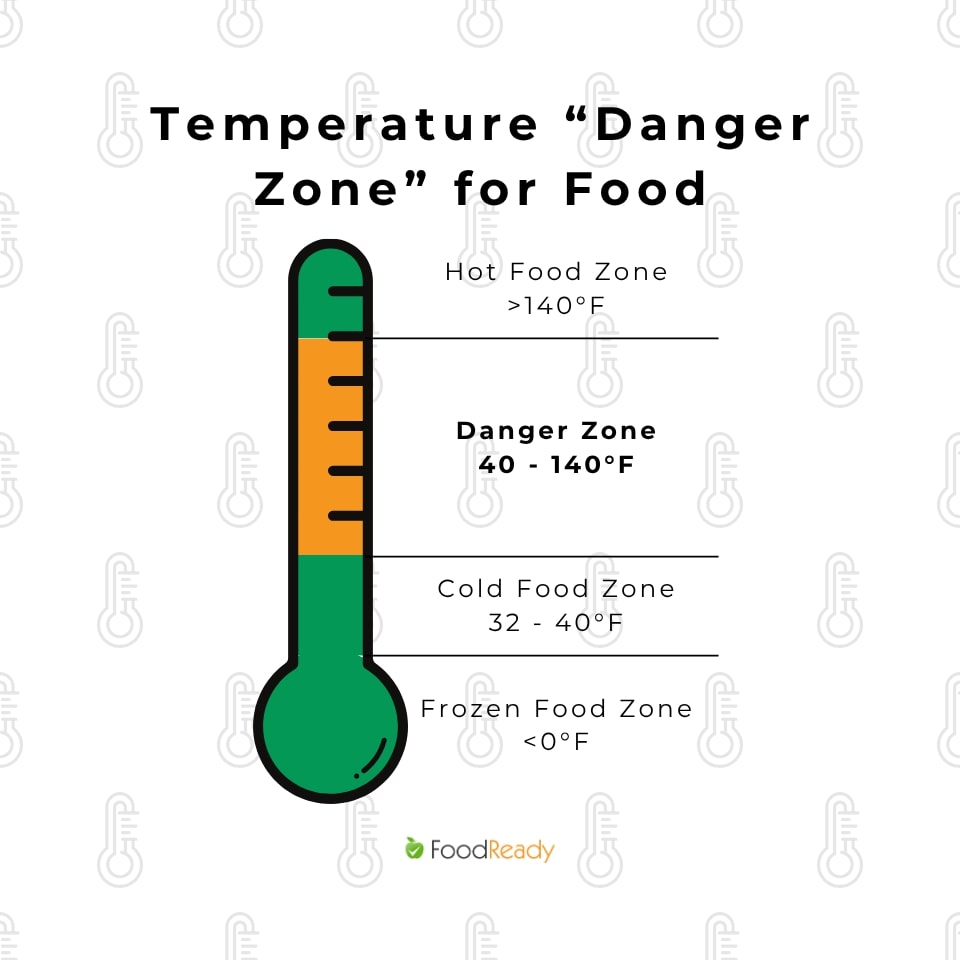
Credit: foodready.ai
Signs Of Spoiled Food
Knowing the signs of spoiled food helps keep you safe. Spoiled food can cause sickness if eaten.
Check food carefully before eating or cooking. Look for changes in how food looks, smells, and feels.
Visual Indicators
Look at food closely for strange colors or spots. Mold often appears as green, white, or black patches.
Food that looks slimy or has bubbles may be spoiled. Discoloration or dark spots show food is bad.
- Green, white, or black mold spots
- Unusual colors or dark patches
- Slime or bubbles on meat or vegetables
- Dry or cracked surfaces on cooked food
Smell And Texture Changes
Smell is a strong sign of spoilage. Sour, rotten, or ammonia-like smells mean food is unsafe.
Texture changes like stickiness or softness show food is going bad. Fresh food is firm or crisp.
- Sour or rotten odors
- Ammonia or chemical smells
- Sticky or slimy texture
- Soft or mushy feel in fruits and vegetables
Frequently Asked Questions
What Are The Ideal Temperatures For Safe Food Storage?
Safe food storage temperatures are below 40°F (4°C) for refrigeration and below 0°F (-18°C) for freezing. These temperatures slow bacterial growth and keep food fresh longer. Always use a thermometer to monitor and maintain these safe storage temperatures.
How Long Can Food Stay Safe In The Fridge?
Most cooked leftovers stay safe for 3 to 4 days in the fridge. Raw meat and seafood should be used within 1 to 2 days. Always store food in airtight containers and maintain fridge temperature below 40°F (4°C).
Why Is The Danger Zone Important In Food Storage?
The danger zone is between 40°F and 140°F (4°C to 60°C). Bacteria multiply rapidly within this range, increasing foodborne illness risk. Keep perishable food out of this zone by refrigerating promptly and cooking food to safe temperatures.
Can Freezing Kill Bacteria In Food?
Freezing does not kill bacteria; it only stops their growth. Bacteria can become active again once food thaws. Always cook frozen food thoroughly to ensure it is safe to eat.
Conclusion
Safe food storage keeps your meals fresh and healthy. Always check temperatures to stop bacteria growth. Use a thermometer to know the exact temperature. Store cold foods below 40°F and hot foods above 140°F. Avoid leaving food out too long at room temperature.
Proper storage reduces waste and saves money. Small steps make a big difference in food safety. Keep these tips in mind for every meal. Stay safe, eat well, and enjoy your food.