
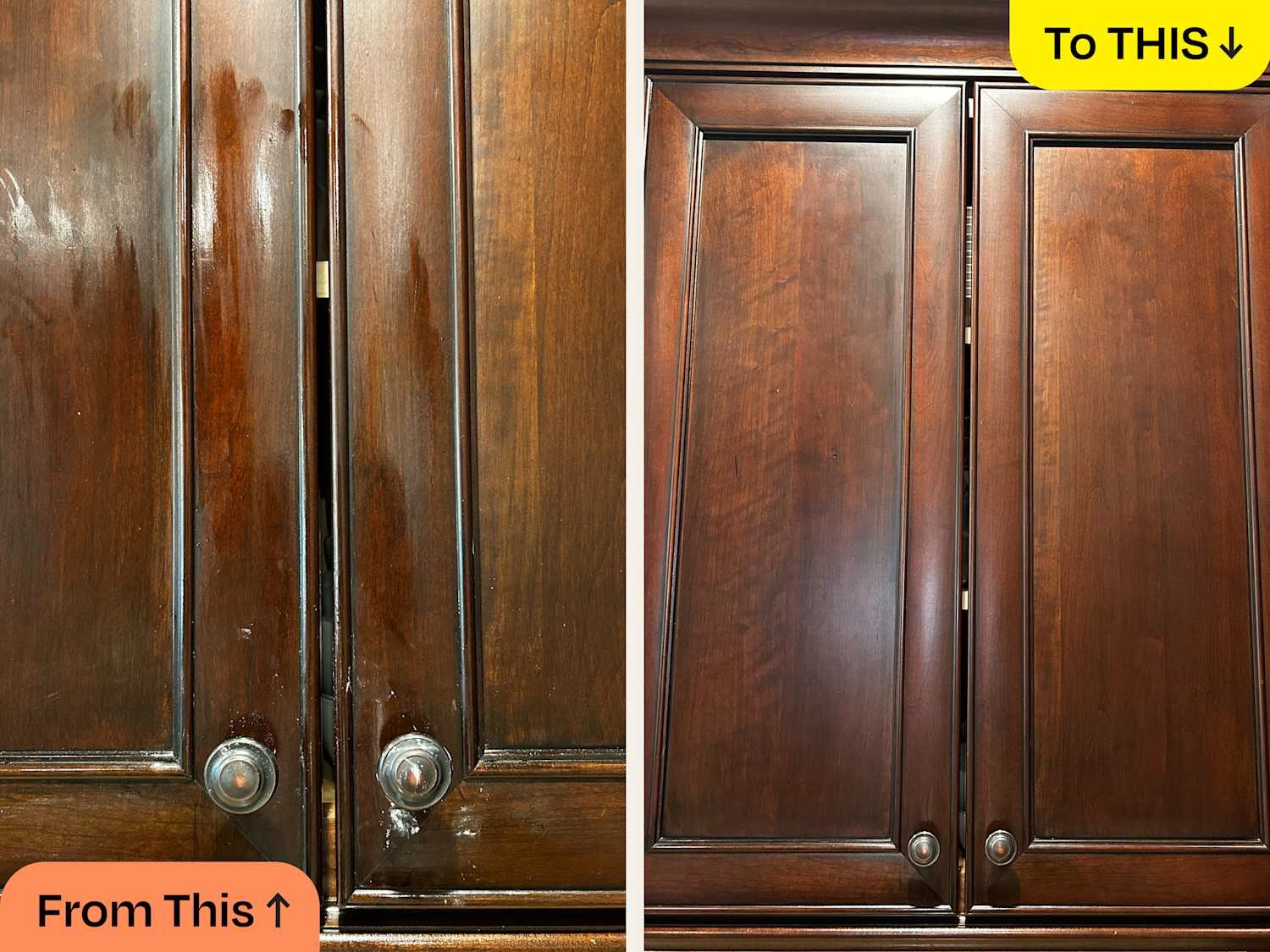
Grease buildup in your kitchen can turn a pleasant cooking space into a sticky, frustrating mess. You might not notice it at first, but over time, that greasy layer makes cleaning harder and even affects your kitchen’s smell and safety.
The good news? You can stop grease from taking over your kitchen with simple, easy steps. If you want to keep your kitchen fresh, clean, and safe without spending hours scrubbing, this guide is exactly what you need. Keep reading to discover practical tips that will help you prevent grease buildup for good.
Sources Of Kitchen Grease
Kitchen grease comes from many sources. It builds up over time and causes problems.
Understanding where grease originates helps keep your kitchen clean. Here are some common causes.
Common Grease Culprits
Fried foods are a major source of kitchen grease. They release oil when cooked.
Cooking with butter or margarine adds grease to surfaces. These fats melt and spread.
- Bacon and sausage
- Deep-fried snacks
- Cooking oils and sprays
- Butter and margarine
How Grease Accumulates
Grease sticks to surfaces and builds up. It is hard to clean once it settles.
Hot grease turns into vapor and lands on walls and ceilings. It cools and becomes sticky.
- Clings to stove hoods
- Settles on countertops
- Collects in vents
- Adheres to kitchen cabinets
Credit: x.com
Daily Cleaning Habits
Grease can build up quickly in the kitchen. Daily cleaning helps keep your kitchen fresh and safe.
Simple habits like wiping and washing dishes stop grease from sticking and spreading.
Wiping Surfaces Regularly
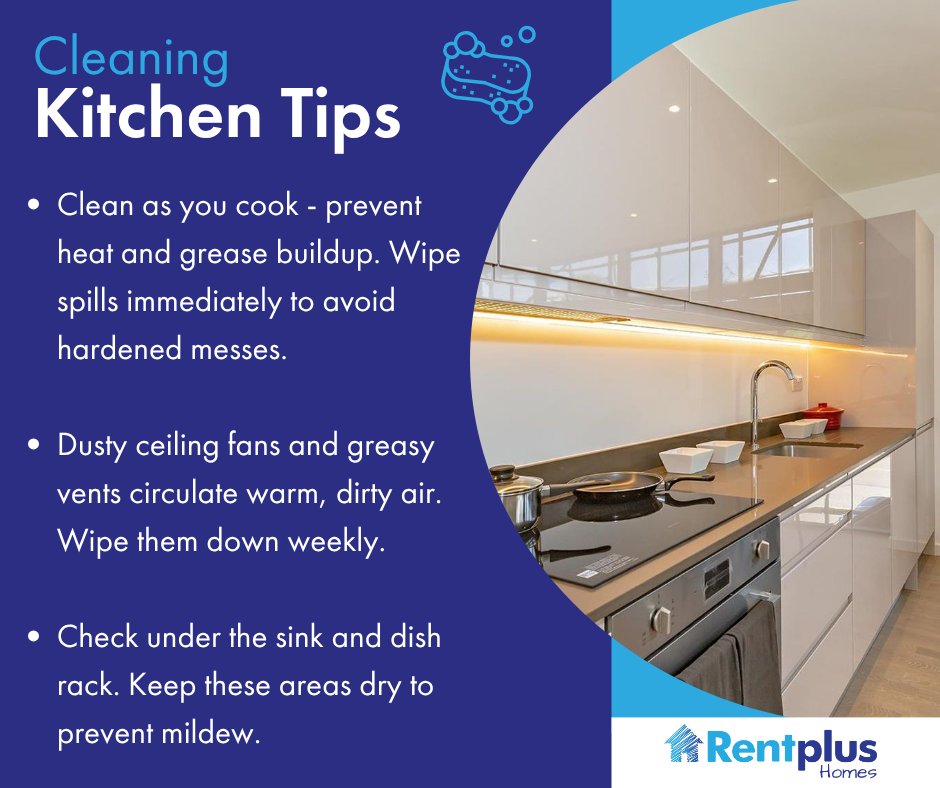
Clean kitchen surfaces every day to prevent grease buildup. Wipe counters, stovetops, and backsplashes.
Use warm soapy water or a kitchen cleaner. Avoid letting grease dry on surfaces.
- Wipe spills right after cooking
- Use microfiber cloths for better cleaning
- Clean under appliances regularly
- Pay attention to cabinet handles and knobs
Proper Dishwashing Techniques
Wash dishes well to remove all grease and food residue. Use hot water and dish soap.
Scrape off food before washing. Rinse dishes before putting them in the dishwasher or washing by hand.
- Use a scrub brush or sponge to clean pots and pans
- Change dishwater often if washing by hand
- Run the dishwasher on a hot cycle
- Air dry or use a clean towel to avoid spots
Effective Ventilation
Grease buildup in the kitchen can cause stains and bad smells. Good ventilation helps keep the air clean and fresh.
Removing smoke, steam, and grease particles stops them from settling on surfaces. This keeps the kitchen safer and easier to clean.
Using Range Hoods
Range hoods sit above the stove to catch grease and smoke. They pull air through filters and send it outside or clean it before recirculating.
Using a range hood while cooking reduces grease buildup on walls and cabinets. Clean the filters often to keep it working well.
- Turn on the range hood before cooking
- Use the highest fan speed for greasy foods
- Clean or replace filters regularly
- Make sure the hood vents outside if possible
Installing Exhaust Fans
Exhaust fans remove air from the kitchen to the outside. They help clear smoke, steam, and grease particles quickly.
Place exhaust fans near cooking areas or windows for best results. They lower moisture and prevent grease from sticking to surfaces.
- Choose a fan with enough power for your kitchen size
- Install fans near the stove or cooking zone
- Keep vents clean and clear of blockages
- Run fans during and after cooking to remove all grease
Choosing The Right Cleaning Products
Grease buildup in the kitchen can make cooking spaces dirty and unsafe. Picking the right cleaning products helps keep surfaces clean and shiny. Good products cut through grease quickly and protect kitchen materials.
Knowing which products work best saves time and effort. It also keeps your kitchen fresh and healthy.
Degreasers And Their Uses
Degreasers are strong cleaners made to break down oil and grease. They remove stuck-on food, cooking oil, and grime from kitchen surfaces.
Different degreasers work well on specific areas. Choose one that fits your kitchen needs.
- Spray degreasers clean stovetops and counters quickly.
- Foam degreasers stick to vertical surfaces like walls.
- Heavy-duty degreasers remove thick grease in ovens and grills.
- Water-based degreasers are safe for most surfaces and easy to rinse.
Natural Cleaning Alternatives
Natural cleaners use ingredients from nature to fight grease. They are safe, eco-friendly, and gentle on surfaces.
These options can be just as effective as chemical products for light to medium grease buildup.
- White vinegar cuts grease and removes odors.
- Baking soda scrubs away grease without scratching.
- Lemon juice breaks down grease and adds a fresh scent.
- Castile soap mixes with water for a mild degreaser.
Preventive Kitchen Maintenance
Grease buildup in the kitchen causes bad smells and fire risks. Keeping your kitchen clean stops grease from piling up.
Regular maintenance helps your kitchen stay safe and work well. Simple cleaning habits save time and money.
Regular Filter Cleaning
Kitchen filters catch grease and dust. Clean filters often to stop grease from building up and blocking airflow.
Remove filters and wash them with warm soapy water. Dry them before putting them back in place.
- Clean filters weekly if you cook daily
- Use a degreaser for tough grease spots
- Check filters for damage and replace if needed
Scheduled Deep Cleaning
Set a time to clean your kitchen deeply. This stops grease from hardening on surfaces and appliances.
Focus on walls, stove hoods, and exhaust fans. Use safe cleaners that remove grease without damage.
- Clean stove hoods and vents every month
- Wipe kitchen walls and cabinets regularly
- Check and clean exhaust fans to keep air flowing
Credit: www.fooddocs.com
Grease Disposal Tips
Grease buildup can cause many problems in the kitchen. It clogs drains and attracts pests.
Proper grease disposal helps keep your kitchen clean and safe. It also protects plumbing.
Avoiding Sink Clogs
Never pour hot grease down the sink. It hardens in pipes and causes blockages.
Use a container to collect grease. Let it cool and solidify before throwing it away.
- Wipe greasy pans with paper towels before washing
- Use a sink strainer to catch food scraps
- Pour cooled grease into a sealed container
- Dispose of grease containers in the trash
Safe Grease Recycling Methods
Some places accept used cooking oil for recycling. It can be turned into biofuel or soap.
Check local recycling centers for grease drop-off options. Use proper containers to store oil.
- Store used grease in clean, sealed bottles
- Label containers clearly as cooking oil
- Drop off at authorized recycling points
- Never mix grease with other waste

Credit: mats4u.co.uk
Frequently Asked Questions
How Often Should I Clean Kitchen Grease Buildup?
Regular cleaning is essential. Wipe down surfaces weekly and deep clean appliances monthly. This prevents stubborn grease buildup and maintains kitchen hygiene.
What Household Items Remove Kitchen Grease Effectively?
Vinegar, baking soda, and lemon juice are natural degreasers. They break down grease without harsh chemicals, making them safe and eco-friendly for kitchen use.
Can Ventilation Reduce Grease Accumulation In Kitchens?
Yes, good ventilation helps. Use exhaust fans or open windows when cooking to remove grease particles from the air, reducing buildup on surfaces.
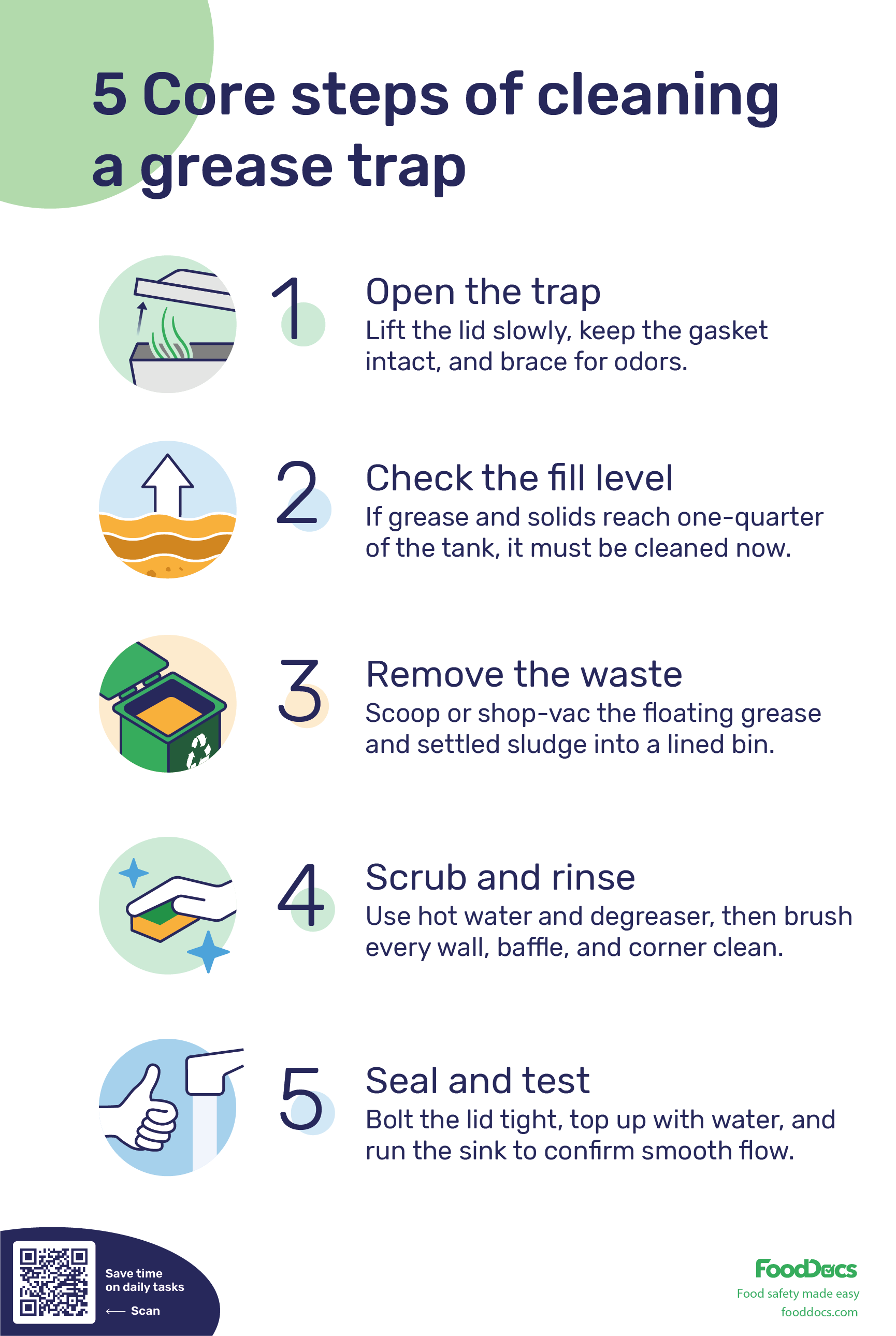
Is It Important To Clean Grease Traps Regularly?
Absolutely. Cleaning grease traps prevents clogs and unpleasant odors. Regular maintenance ensures your kitchen drains work efficiently and reduces fire hazards.
Conclusion
Preventing grease buildup keeps your kitchen clean and safe. Clean surfaces often to stop grease from sticking. Use hot water and soap for best results. Wipe spills quickly before they harden. Keep your stove and hood free of grease. Regular care saves time and effort later.
Enjoy a fresh, healthy cooking space every day. Small habits make a big difference in your kitchen. Stay consistent, and grease won’t become a problem. Simple steps lead to a cleaner home and happier cooking.