
Are you ready to make a simple change that can help protect the planet? Switching to compostable cutlery is easier than you think, and it can make a big difference in reducing plastic waste.
Imagine enjoying your meals without worrying about harmful plastic piling up in landfills or oceans. You’ll discover practical steps to switch to compostable cutlery smoothly, save money, and feel good about your choices. Keep reading to learn how you can start making a positive impact today.
Why Choose Compostable Cutlery
Compostable cutlery is a great choice for the environment. It helps reduce plastic waste and is easy to use.
Switching to compostable cutlery is a simple way to make a positive impact. It supports sustainable living and protects our planet.
Environmental Impact Of Plastic
Plastic cutlery is a major source of pollution. It takes hundreds of years to decompose and harms wildlife.
Plastic waste often ends up in oceans and landfills. This pollution affects marine life and ecosystems worldwide.
- Plastic harms animals who mistake it for food
- It contributes to microplastic pollution
- Plastic production emits greenhouse gases
Benefits Of Compostable Alternatives
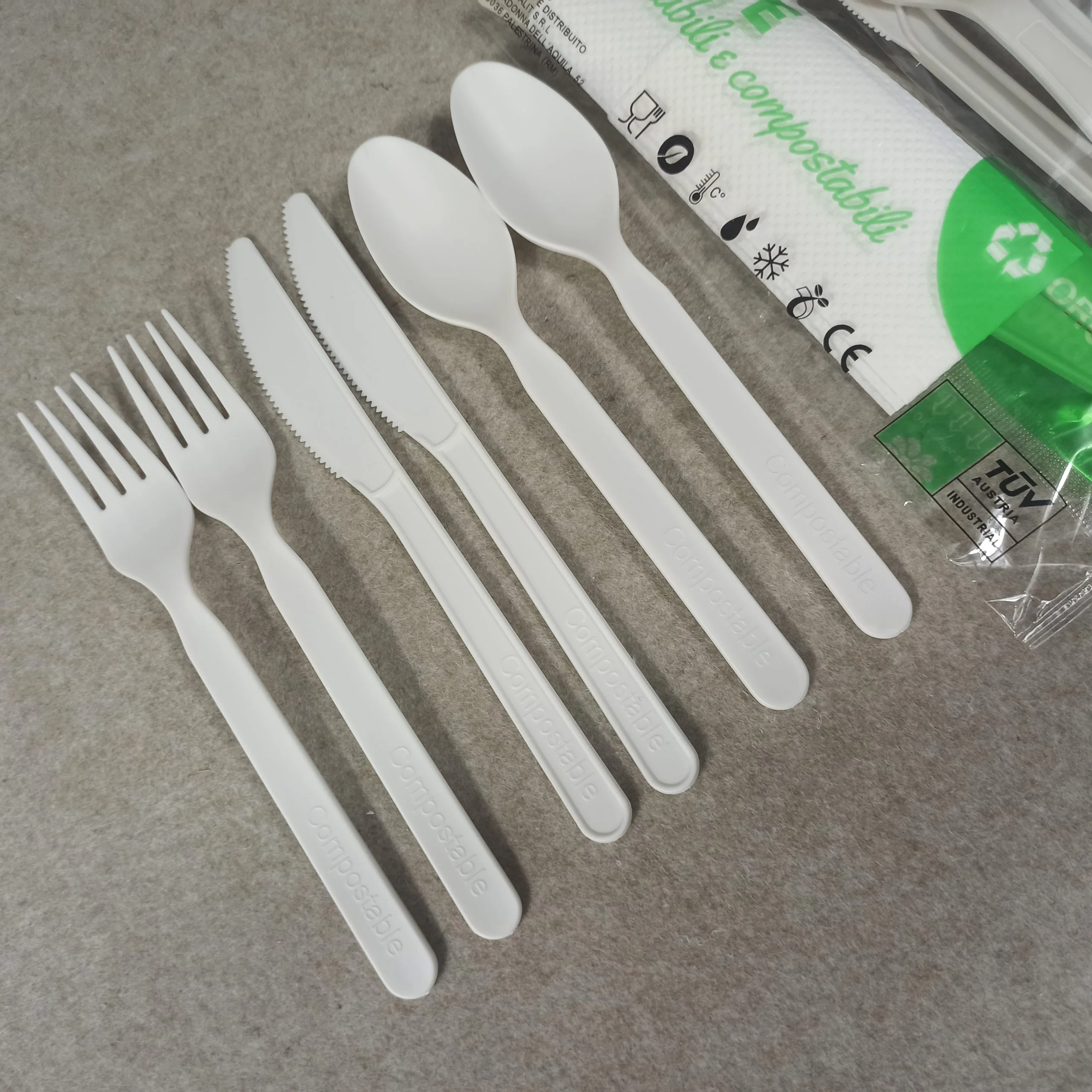
Compostable cutlery is made from natural materials like corn and sugarcane. It breaks down quickly and safely in compost.
Using compostable cutlery reduces waste and supports sustainable practices. It is a simple step towards a greener lifestyle.
- Biodegrades in weeks, not centuries
- Less harmful to wildlife
- Supports eco-friendly initiatives
Credit: www.bioleaderpack.com
Types Of Compostable Cutlery
Compostable cutlery offers an eco-friendly alternative to plastic utensils. These options break down naturally and reduce waste.
There are different types of compostable cutlery made from various materials. Each type has unique features and uses.
Materials Used
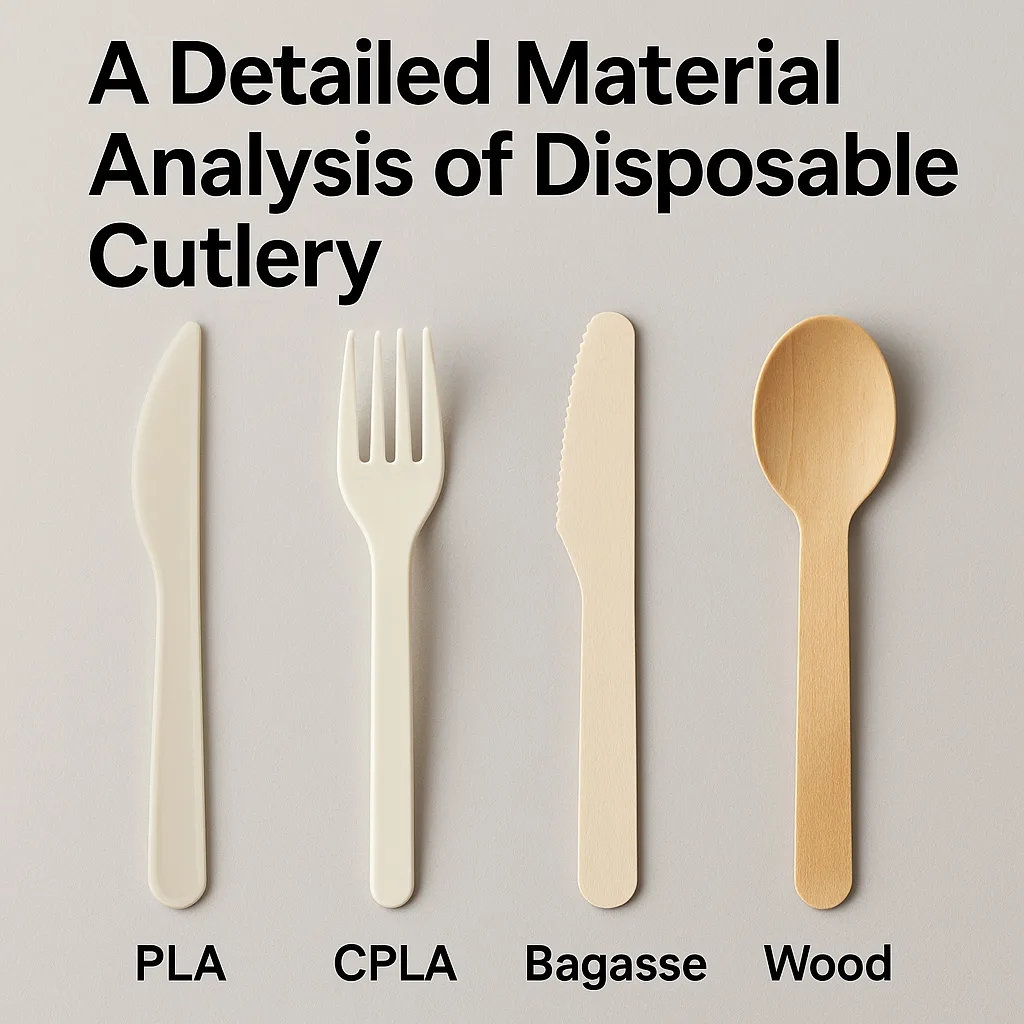
Compostable cutlery is made from natural materials that decompose quickly. Common materials include plant-based plastics and fibers.
- PLA (Polylactic Acid): Made from corn starch or sugarcane.
- Bamboo: A fast-growing grass that is strong and lightweight.
- Wood: Often made from birch or other sustainable trees.
- Bagasse: Derived from sugarcane fiber after juice extraction.
Durability And Use Cases
Durability varies depending on the material. Some cutlery works better for certain foods and occasions.
- PLA cutlery is sturdy for cold or room temperature foods but melts with hot foods.
- Bamboo cutlery is strong and reusable, good for picnics and outdoor events.
- Wood cutlery is sturdy and ideal for eating hot or cold meals.
- Bagasse cutlery is heat resistant and suitable for hot dishes.
Where To Buy Compostable Cutlery
Switching to compostable cutlery helps reduce plastic waste. Many places now offer eco-friendly options for your needs.
You can find compostable cutlery both online and in local stores. Each option has its own advantages for convenience and choice.
Online Stores
Online stores have a wide range of compostable cutlery. You can compare prices, brands, and materials before buying.
Many websites offer bulk buying options. This is great for parties, restaurants, or offices that need larger quantities.
- Amazon: Large selection and customer reviews
- Eco-friendly specialty sites: Focus on green products
- Wholesale suppliers: Good for bulk purchases
- Brand websites: Direct from the manufacturer
Local Retail Options
Local stores can offer compostable cutlery with quick pickup. You avoid shipping fees and support nearby businesses.
Check supermarkets, health food stores, and kitchen supply shops. Some stores dedicate sections to sustainable products.
- Supermarkets: Often have eco-friendly aisles
- Health food stores: Focus on natural and green items
- Party supply shops: Stock disposable but compostable utensils
- Zero-waste stores: Specialize in sustainable goods
How To Transition Smoothly
Switching to compostable cutlery helps reduce plastic waste. It can be easy with some planning.
This guide shows how to change your cutlery use step by step. Follow these tips for a smooth switch.
Assessing Your Current Usage
Start by checking how much plastic cutlery you use now. Look at how often and where you use it.
Note the types and amounts of cutlery you buy or throw away each week. This helps set a clear baseline.
- Count plastic forks, spoons, and knives used weekly
- Check if you use cutlery at home, work, or events
- Record how much waste you create from plastic cutlery
Setting Realistic Goals
Decide how much you want to reduce plastic cutlery use each month. Set small, clear goals.
Plan a timeline to fully switch to compostable cutlery. Adjust goals if needed to stay on track.
- Start by replacing 25% of your cutlery with compostable items
- Increase the amount each month until you use only compostable cutlery
- Track your progress and celebrate milestones
Educating Household Members
Talk to your family or housemates about why you want to switch. Share the benefits of compostable cutlery.
Teach them how to use and dispose of compostable cutlery properly. Clear instructions help everyone join in.
- Explain how compostable cutlery breaks down naturally
- Show where to buy and store compostable items
- Set rules for using only compostable cutlery at home
Proper Disposal Of Compostable Cutlery
Compostable cutlery breaks down naturally and helps reduce waste. Proper disposal is key to making sure it composts well.
Throwing compostable cutlery in the trash can stop it from breaking down. You need to dispose of it in the right place.
Home Composting Tips
You can compost some compostable cutlery at home if your compost pile is hot enough. It takes time and care to break down.
Cutlery made from plants like cornstarch works best for home composting. Avoid compostable plastic types that need special conditions.
- Check product labels to confirm home compostable
- Break cutlery into smaller pieces to speed up composting
- Keep compost pile warm and moist for faster breakdown
- Turn pile regularly to add oxygen
- Avoid adding compostable cutlery to cold or dry piles
Community Compost Programs
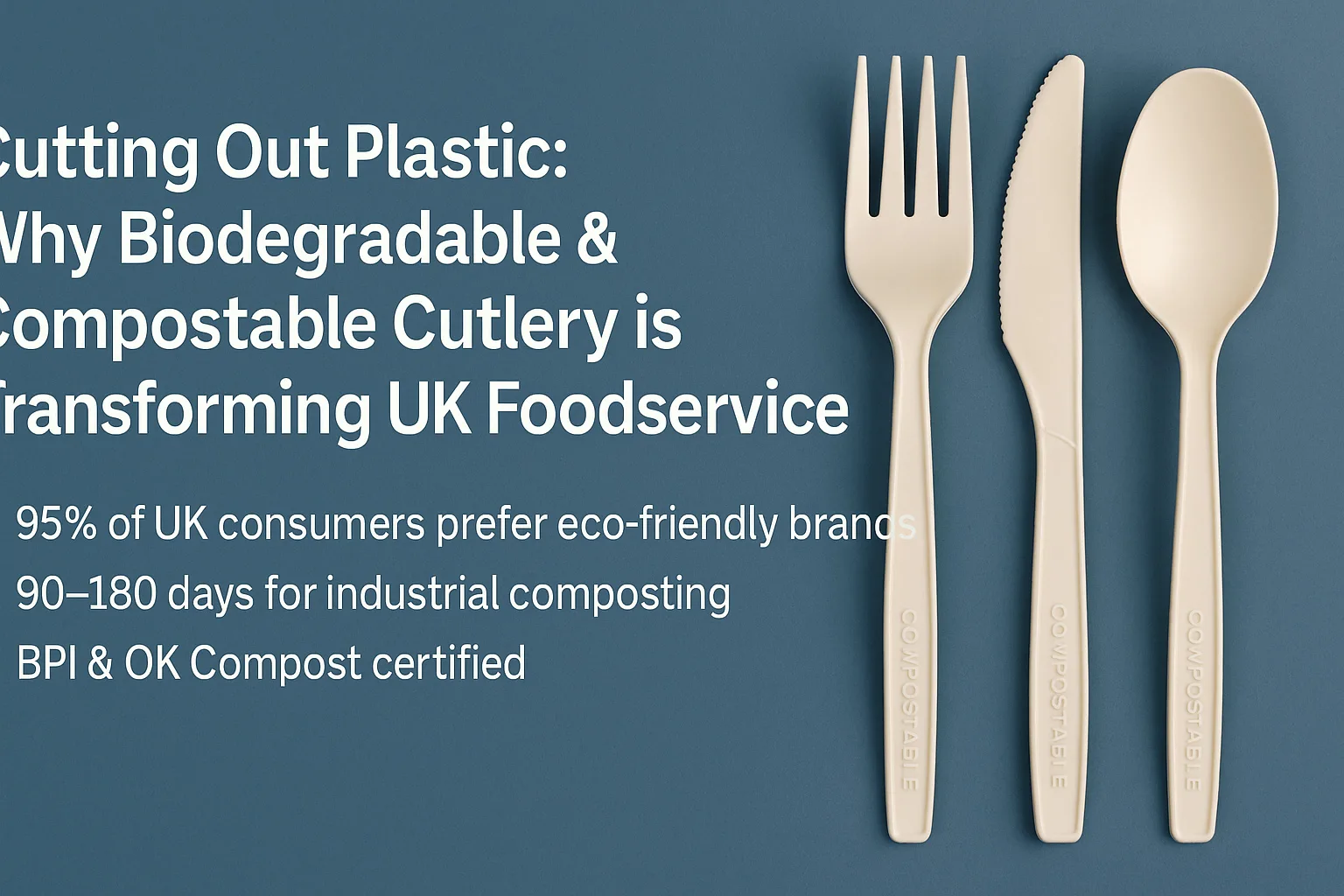
Many towns have community compost programs that accept compostable cutlery. These programs use industrial composting machines.
Industrial composting breaks down cutlery faster using higher heat and special microbes. This helps cutlery fully decompose.
- Find local compost programs that accept compostable plastics
- Separate compostable cutlery from regular trash
- Drop off cutlery at designated compost bins or centers
- Follow guidelines from your community compost service
- Ask about pickup services if available
Credit: www.londondaily.news
Overcoming Common Challenges
Switching to compostable cutlery helps reduce plastic waste. Many people face challenges when making this change.
Understanding these challenges can help you find simple solutions. Let’s look at common issues and how to manage them.
Cost Considerations
Compostable cutlery can cost more than plastic options. This may make some hesitate to switch.
Buying in bulk often lowers the price. Also, compare different brands to find the best deal.
- Buy large quantities to reduce cost per item
- Check prices from multiple suppliers
- Consider long-term savings from less waste disposal
Availability Issues
Sometimes compostable cutlery is hard to find in stores. This can slow down the switch process.
Look online for suppliers that deliver. Local eco-friendly shops may also stock these items.
- Search for online retailers specializing in compostables
- Ask local shops to order for you
- Join community groups for shared buying options
Ensuring Proper Composting
Compostable cutlery must be disposed of correctly to break down well. Throwing it in regular trash stops composting.
Set up clear bins for compostable waste. Educate users on what can go in these bins.
- Use labeled compost bins in visible places
- Provide simple instructions near disposal areas
- Work with local composting facilities for pickup
Additional Eco-friendly Practices
Switching to compostable cutlery is a smart step to help the planet. You can also use other eco-friendly habits to reduce waste.
These practices work well with compostable cutlery. They make your lifestyle greener and cleaner.
Reducing Single-use Items
Try to use fewer single-use products like plastic bags or straws. These items add a lot of waste to landfills.
Bring reusable items instead. They last longer and cut down on trash.
- Use cloth bags for shopping
- Carry a reusable water bottle
- Choose refillable containers
- Bring your own coffee cup
- Use cloth napkins instead of paper
Supporting Sustainable Brands
Buy from companies that care about the environment. They often use green materials and fair work practices.
Choosing these brands helps promote eco-friendly business and reduces harm to nature.
- Look for certifications like Fair Trade or Organic
- Check if products use recycled or natural materials
- Support brands that reduce plastic packaging
- Choose local businesses to cut shipping pollution
- Read about company values before buying

Credit: www.amazon.com
Frequently Asked Questions
What Are Compostable Cutlery Benefits?
Compostable cutlery reduces plastic waste and environmental harm. It breaks down naturally in compost, returning nutrients to soil. Using it supports sustainable living and decreases landfill impact.
How To Identify Truly Compostable Cutlery?
Look for certifications like ASTM D6400 or EN 13432. Check packaging for compostable logos and material information. Avoid items labeled biodegradable without compostable certification.
Can Compostable Cutlery Be Used For Hot Foods?
Yes, most compostable cutlery handles hot foods well. However, check product specifications for heat resistance to avoid melting or warping during use.
Where Can I Buy Compostable Cutlery?
Compostable cutlery is available at eco-friendly stores, online retailers, and some supermarkets. Choose trusted brands with proper certification for quality assurance.
Conclusion
Switching to compostable cutlery helps protect the environment. It reduces plastic waste and supports a cleaner planet. Making this change is simple and affordable. Small steps add up to big impact. Choose compostable options for your next meal or event.
Join others who care about nature’s future. Together, we can make a difference every day.