
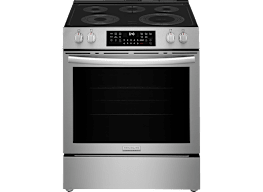
Are you ready to save money on your energy bills and make your kitchen more eco-friendly? Switching to an energy-efficient oven is easier than you think—and it can make a big difference in your daily cooking routine.
Imagine cooking your favorite meals faster, while using less electricity. You’ll discover simple steps to choose the right oven for your home, understand important features, and make the switch without any hassle. Keep reading to find out how you can upgrade your kitchen and enjoy both savings and convenience every day.
Benefits Of Energy-efficient Ovens
Switching to energy-efficient ovens helps save money and the environment. These ovens offer many benefits that make cooking easier and more economical.
Modern ovens use less energy, which lowers bills and reduces carbon footprints. They also improve cooking performance with advanced features.
Lower Energy Bills
Energy-efficient ovens consume less electricity. This means you pay less on your monthly energy bills. They are designed to heat quickly and maintain temperature efficiently.
These ovens use smart technology to reduce power usage. They ensure that energy is not wasted, saving you money over time.
- Quick heating saves time and energy
- Maintains consistent temperatures
- Reduces overall power consumption
Environmental Impact
Using energy-efficient ovens reduces your carbon footprint. They emit fewer greenhouse gases than traditional ovens. This helps in fighting climate change.
These ovens are built with eco-friendly materials. They last longer, meaning less waste in landfills and less environmental harm.
- Reduces greenhouse gas emissions
- Uses eco-friendly materials
- Less waste due to durability
Enhanced Cooking Performance
Energy-efficient ovens offer better cooking performance. They have precise temperature controls, ensuring your food is cooked perfectly every time.
These ovens often come with smart features. They include timers and sensors that help you cook more efficiently and enjoy delicious meals.
| Feature | Benefit |
| Precise temperature control | Perfect cooking results |
| Smart sensors | Efficient cooking |
Credit: asthma.org.au
Types Of Energy-efficient Ovens
Energy-efficient ovens help save electricity and reduce bills. They cook food faster and use less power.
There are different types of ovens designed to use energy wisely. You can choose one that fits your cooking style.
Convection Ovens
Convection ovens use fans to move hot air around the food. This cooks food evenly and quickly.
Because they cook faster, convection ovens use less energy than traditional ovens. They are good for baking and roasting.
- Even cooking with circulating hot air
- Shorter cooking times save energy
- Works well for baked goods and meats
Microwave Ovens
Microwave ovens use electromagnetic waves to heat food quickly. They are very energy efficient for small meals.
Microwaves use less power than ovens because they heat food directly. They are best for reheating and simple cooking tasks.
- Heats food fast with microwaves
- Uses less electricity than regular ovens
- Good for quick meals and reheating
Induction Ovens
Induction ovens use magnetic fields to heat pots and pans directly. This reduces wasted heat and energy.
They heat food faster and keep the kitchen cooler. Induction ovens are very precise and save energy in cooking.
- Uses magnetic energy to heat cookware
- Heats food quickly and evenly
- More energy efficient than gas or electric
Key Features To Look For
Switching to an energy-efficient oven can save electricity and lower bills. It helps the environment by using less power.
Look for important features before choosing an energy-efficient oven. These features make ovens save energy well.
Energy Star Certification
Energy Star certification shows the oven meets energy-saving rules. These ovens use less power than standard models.
Choosing an Energy Star oven helps reduce electricity use and cut costs over time.
- Certified ovens use efficient heating methods
- They often have better insulation and controls
- Buying certified models supports energy-saving goals
Smart Temperature Controls
Smart temperature controls keep the oven at the right heat. This stops wasting energy on too much heat.
These controls adjust the temperature quickly and precisely to cook food well and save power.
- Digital controls allow exact temperature setting
- Some ovens learn cooking habits for better use
- Timers and sensors reduce unnecessary heating
Insulation Quality
Good insulation keeps heat inside the oven. It lowers energy loss and helps the oven cook faster.
Look for ovens with thick walls and seals that trap heat well.
- High-quality insulation saves energy during cooking
- Better seals prevent heat from escaping
- Insulation improves oven temperature stability

Credit: www.whirlpool.com
Steps To Choose The Right Oven
Switching to an energy-efficient oven helps save electricity and reduce bills. Choosing the right oven fits your cooking style and kitchen space.
Consider your cooking needs, energy ratings, and oven size. These factors make sure you get the best oven for your home.
Assess Your Cooking Needs
Think about what you cook most often. Do you bake, roast, or use the oven for quick meals?
Choose an oven with features that match your cooking habits. This helps avoid paying for extras you don’t use.
- For baking, look for even heat distribution
- If you roast often, consider convection ovens
- For quick meals, a smaller, fast-heating oven works well
Compare Energy Ratings
Energy ratings show how much power an oven uses. Look for ovens with high energy-efficiency scores.
Better ratings mean lower electricity bills and less environmental impact.
- Check the energy label on the oven
- Look for ratings like A++, A+, or ENERGY STAR
- Compare similar models to find the most efficient one
Check Oven Size And Capacity
Pick an oven size that fits your kitchen space and family needs. Too big or small ovens waste energy or limit cooking.
Think about the oven’s capacity measured in liters. Larger ovens hold more food but use more energy.
| Oven Size | Best For | Energy Use |
|---|---|---|
| Small (under 50L) | 1-2 people, small meals | Lowest energy use |
| Medium (50-70L) | Small families, everyday cooking | Moderate energy use |
| Large (over 70L) | Big families, large meals | Highest energy use |
Installation And Setup Tips
Switching to an energy-efficient oven is a smart choice for saving energy and money. Proper installation and setup help your oven work at its best.
This guide covers key tips to install and set up your new oven correctly. Follow these steps for safety and efficiency.
Proper Placement For Efficiency
Place your oven where air can flow freely around it. Avoid tight spaces or near heat sources like radiators.
Good placement helps the oven cool down well and saves energy during use.
- Keep at least 2 inches of space on all sides
- Do not place near windows or direct sunlight
- Avoid spots near other hot appliances
- Ensure the oven is level and stable
Professional Installation Benefits
Hiring a professional ensures your oven is installed safely and correctly. This reduces risks and improves oven performance.
Professionals have the right tools and knowledge to handle electrical and gas connections properly.
- Meets safety codes and regulations
- Prevents leaks and electrical issues
- Optimizes oven placement and setup
- Includes warranty and support
Initial Calibration
Calibrate your oven before first use to ensure accurate temperatures. This improves cooking results and saves energy.
Follow the manufacturer’s instructions to adjust temperature settings and test the oven’s heating.
- Use an oven thermometer to check temperatures
- Adjust settings based on test results
- Run a short heating cycle before cooking food
- Consult the manual for specific calibration steps
Maximizing Energy Savings
Switching to energy-efficient ovens helps reduce electricity use. It also lowers your monthly energy bills.
Using smart cooking habits can make your oven work less. This saves energy and keeps food tasty.
Optimal Cooking Practices
Cook multiple dishes at once to use heat efficiently. Avoid opening the oven door often to keep heat inside.
Preheat the oven only when needed. Use the right temperature for your recipe to avoid wasting energy.
- Cook large meals together
- Keep oven door closed while cooking
- Use oven-safe lids or foil to trap heat
- Match oven temperature with recipe needs
Regular Maintenance
Clean your oven regularly to keep it working well. Dirt and grease can make the oven use more energy.
Check door seals for leaks. Replace damaged seals to keep heat inside and reduce energy loss.
- Clean oven interior often
- Inspect and fix door seals
- Remove burnt food debris promptly
- Service the oven as recommended
Using Oven Timers And Modes
Use oven timers to avoid overcooking and wasting energy. Set timers to turn the oven off automatically.
Choose energy-saving modes if your oven has them. These modes use less power while cooking food well.
- Set timers for accurate cooking times
- Use energy-saving or eco modes
- Avoid long preheating with timer use
- Turn off oven immediately after use
Cost Savings And Payback Period
Switching to energy-efficient ovens can lower your electricity bills. These ovens use less power while cooking food.
Understanding cost savings and payback helps you decide if the switch is worth it.
Calculating Energy Cost Reduction
Energy-efficient ovens use less electricity than traditional models. This lowers your monthly energy costs.
To calculate savings, compare the power use of your old oven with the new one. Multiply the difference by your electricity rate and usage time.
- Find your old oven’s energy use (kWh)
- Find the new oven’s energy use (kWh)
- Subtract new use from old use
- Multiply by your electricity cost per kWh
- Estimate monthly or yearly savings
Incentives And Rebates
Many governments and utilities offer rebates for energy-efficient ovens. These reduce the initial cost.
Check local programs to find available incentives. Rebates can lower your payback period significantly.
- Federal or state rebates
- Utility company discounts
- Tax credits for energy-efficient appliances
- Manufacturer promotions
Long-term Financial Benefits
Energy-efficient ovens save money beyond energy bills. They last longer and need less repair.
You pay less for maintenance and replacement. The total cost of ownership is lower over time.
- Lower energy costs
- Reduced repair expenses
- Longer appliance lifespan
- Increased home value

Credit: www.familyhandyman.com
Frequently Asked Questions
What Are The Benefits Of Energy-efficient Ovens?
Energy-efficient ovens save electricity and reduce utility bills. They cook food faster and maintain consistent temperatures. These ovens also lower carbon footprints, making them eco-friendly. Choosing one improves kitchen safety and durability. Overall, they combine savings with better cooking performance.
How To Identify An Energy-efficient Oven?
Look for ovens with ENERGY STAR certification. Check energy labels indicating low power consumption. Choose models with convection features for faster cooking. Read user reviews about energy savings. Also, opt for ovens with good insulation and smart temperature controls.
Are Energy-efficient Ovens More Expensive Upfront?
Energy-efficient ovens may cost more initially. However, they save money over time through lower energy bills. Many brands offer models at competitive prices now. Government rebates or incentives can reduce upfront costs. Investing in efficiency leads to long-term financial benefits.
Can I Switch To An Energy-efficient Oven Easily?
Yes, switching is straightforward with proper planning. Measure your kitchen space and power compatibility first. Choose a model that fits your cooking needs. Professional installation ensures safety and performance. Recycling your old oven helps reduce waste.
Conclusion
Switching to an energy-efficient oven saves money and helps the planet. These ovens use less power and cook food faster. Choose the right model by checking energy labels and features. Small changes in your kitchen can reduce your energy bills.
Start today and enjoy a cleaner, greener home. It’s simple and good for everyone.