
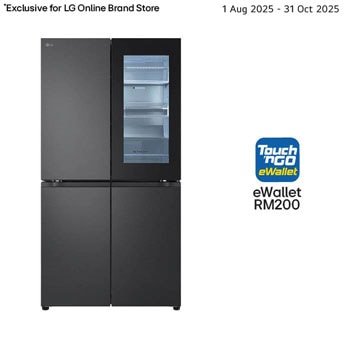
Choosing the right refrigerator can save you a lot of money and energy every year. But with so many options available, how do you pick one that is truly energy-efficient?
You want a fridge that keeps your food fresh without driving up your electricity bill. You’ll discover simple tips and clear advice to help you select the best energy-efficient refrigerator for your home. By the end, you’ll feel confident making a choice that benefits both your wallet and the environment.
Keep reading to find out how easy it can be!
Energy Efficiency Ratings
Choosing an energy-efficient refrigerator helps save on electricity bills. It also reduces environmental impact. Understanding energy efficiency ratings is important when shopping for refrigerators.
Energy ratings indicate how much electricity a refrigerator uses. More stars mean better efficiency. It’s wise to compare these ratings before buying a new fridge.
Decoding Energy Labels
Energy labels show how much energy a refrigerator consumes. They are easy to read and provide key information. Look for the number of stars and annual energy consumption in kilowatt-hours (kWh).
Higher star ratings mean more energy savings. Check the label for additional details. These include the fridge’s size and model number.
- More stars mean better efficiency
- Check annual energy use in kWh
- Consider the fridge’s size and model
Comparing Energy Star Models
Energy Star models are certified for efficiency. They use less energy than standard models. These refrigerators help reduce your electricity bills significantly.
Compare different Energy Star models to find the best one. Consider their features and energy ratings. Make sure the model fits your kitchen and lifestyle needs.
| Model | Energy Use (kWh/year) | Features |
| Model A | 400 | Spacious, Ice Maker |
| Model B | 350 | Compact, Energy Saving Mode |
| Model C | 375 | Quiet Operation, LED Lighting |
Credit: www.consumerreports.org
Types Of Refrigerators
Choosing an energy-efficient refrigerator means understanding the different types. Each style uses energy differently and fits various kitchen needs.
Knowing the refrigerator types helps you pick one that saves power and suits your space.
Top Freezer Models
Top freezer refrigerators have the freezer compartment above the fridge section. This design is common and usually uses less energy.
They are simple, reliable, and often cost less to buy and run than other types.
- Freezer on top saves energy by keeping cold air contained.
- Less complex design means fewer parts that use power.
- Good for small kitchens or tight spaces.
Bottom Freezer Options
Bottom freezer refrigerators place the freezer below the fresh food section. This keeps fresh food at eye level.
They often use energy efficiently because cold air sinks naturally to the lower freezer.
- Easy access to fresh foods you use most.
- Drawers or doors for the freezer provide better organization.
- May cost a bit more but can save energy over time.
Side-by-side Designs
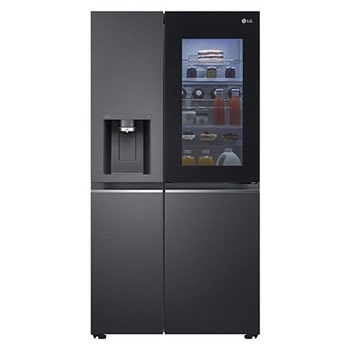
Side-by-side refrigerators have the fridge and freezer next to each other. This style offers narrow doors that fit small spaces.
These models may use more energy due to their size and door design but offer good storage options.
- Easy access to both freezer and fridge items.
- Many include water and ice dispensers, which use extra power.
- Best for kitchens with limited door swing space.
French Door Variants
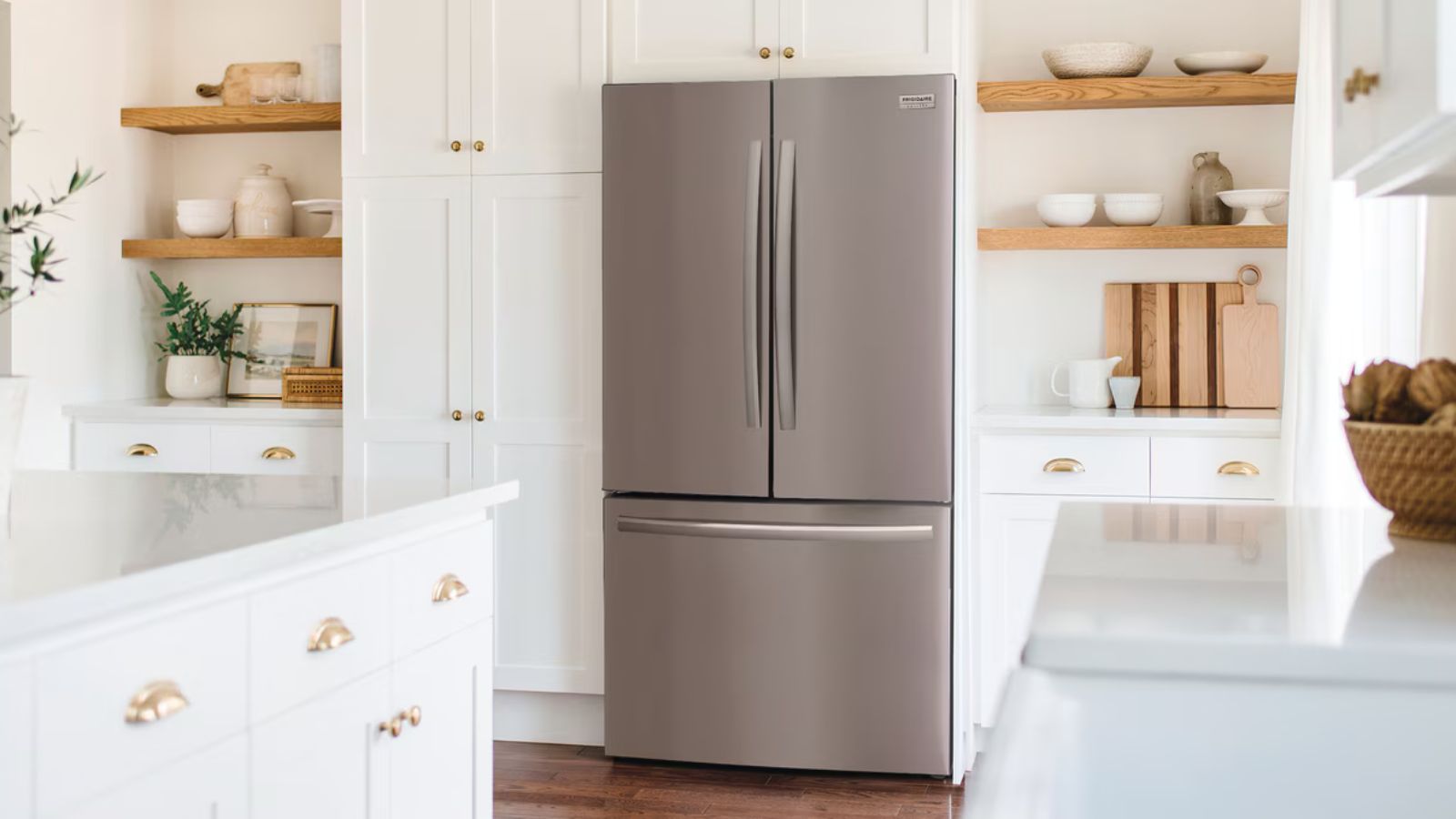
French door refrigerators combine a bottom freezer with two side-by-side doors on top. They provide wide shelves and easy access.
They can be energy efficient but often have more features that use power.
- Wide shelves fit large items easily.
- Split doors reduce cold air loss when opened.
- Often include smart features that may increase energy use.
Size And Capacity
Choosing an energy-efficient refrigerator means thinking about its size and capacity. These factors affect energy use and how well the fridge fits your needs.
Picking the right size helps save energy and keeps your food fresh. Let’s look at how to choose size and match capacity to your household.
Choosing The Right Size
Refrigerators come in many sizes. Picking one too big wastes energy. One too small limits storage.
Measure the space in your kitchen before buying. Check door openings and clearances. This avoids fitting problems later.
- Measure width, height, and depth of the space
- Consider door swing and ventilation needs
- Leave room for air to flow around the fridge
Matching Capacity To Household Needs
Capacity is how much food the fridge can hold. It is measured in cubic feet. Choose capacity based on family size and eating habits.
Smaller families need less capacity. Larger families need more space. Buying the right size prevents wasting energy on unused space.
- 1-2 people: 4 to 8 cubic feet
- 3-4 people: 10 to 16 cubic feet
- 5 or more people: 18 cubic feet or larger
- Consider how often you buy groceries and store leftovers
Key Features Affecting Efficiency
Energy-efficient refrigerators save electricity and reduce bills. Choosing the right features helps you pick a better model.
Look closely at technology, insulation, and door seals. These parts affect how well your fridge keeps food cold.
Compressor Technology
The compressor cools the refrigerator by moving refrigerant through coils. Modern compressors use less power than old ones.
Inverter compressors adjust speed to save energy. They run quietly and last longer than traditional models.
- Standard compressors run at full power all the time
- Inverter compressors change speed based on cooling needs
- Inverter models reduce electricity use and noise
Insulation Quality
Good insulation keeps cold air inside and warm air out. It helps the fridge use less energy to stay cool.
Look for thick, high-quality insulation in the walls and doors. It lowers the workload on the compressor.
- Thick foam insulation traps cold air better
- Better insulation means less energy needed
- Check for energy labels that mention insulation quality
Door Seals And Gaskets
Door seals stop cold air from leaking out. Tight seals keep the fridge running efficiently.
Check for flexible, durable gaskets that fit tightly. Worn or loose seals increase energy use.
- Good seals prevent air leaks
- Check seals for cracks or damage
- Replace worn gaskets to save energy
Additional Energy-saving Tips
Choosing an energy-efficient refrigerator is just the first step. You can save more energy with smart habits and care. Small changes help lower your electric bills.
Placing your fridge correctly and keeping it well-maintained keeps it running efficiently. These tips make a big difference over time.
Optimal Placement
Put your refrigerator in a cool, dry place away from heat sources. Avoid direct sunlight and ovens. Heat makes your fridge work harder.
Leave space around the fridge for air to circulate. This helps the motor cool down and saves energy.
- Keep at least 2 inches of space from walls and cabinets
- Place away from windows and direct sunlight
- Avoid putting near ovens, dishwashers, or heaters
- Use a shaded area if possible
Maintenance Practices
Regular cleaning and upkeep keep your refrigerator running well. Dirt and dust slow it down and increase energy use.
Check door seals for leaks. A poor seal lets cold air escape. Replace worn seals to save energy.
- Clean condenser coils every 6 months to 1 year
- Defrost freezer if ice builds up more than 1/4 inch
- Check door gaskets for cracks or damage
- Keep fridge temperature between 37°F and 40°F (3°C to 4°C)
- Keep freezer temperature at 0°F (-18°C)
Credit: www.lg.com
Budget And Long-term Savings
Choosing an energy-efficient refrigerator helps save money over time. You should think about both the price you pay now and the energy costs later.
Smart choices can lower your electric bills and reduce waste. Understanding costs helps you pick the best fridge for your budget.
Upfront Costs Vs Energy Bills
Energy-efficient refrigerators often cost more at first. These models use less electricity, which lowers monthly bills.
Think about how long you will keep the fridge. Higher initial costs can pay off with smaller energy bills.
- Higher upfront cost means better energy use
- Lower monthly energy bills save money over years
- Consider the fridge lifespan when comparing costs
- Look for Energy Star labels to find efficient models
Incentives And Rebates
Many places offer rebates or incentives for buying energy-efficient appliances. These can lower your upfront cost.
Check local programs or utility companies for deals. They help make efficient refrigerators more affordable.
- Government rebates reduce purchase price
- Utility company incentives lower energy costs
- Some programs offer tax credits or cash back
- Always check eligibility rules before buying
Credit: www.homesandgardens.com
Frequently Asked Questions
What Features Define An Energy-efficient Refrigerator?
Energy-efficient refrigerators use advanced insulation and compressors. They consume less electricity, often labeled with Energy Star certification. Look for models with LED lighting and smart temperature controls to save energy and reduce your utility bills effectively.
How To Read Refrigerator Energy Labels Correctly?
Check the EnergyGuide label for annual energy consumption in kWh. Lower kWh means higher efficiency. Compare labels across models to find the best energy saver. Also, consider the refrigerator size and features when evaluating energy labels.
Does Refrigerator Size Impact Energy Efficiency?
Yes, larger refrigerators typically use more energy. Choose a size that fits your needs without excess space. Compact models often consume less power, making them more energy-efficient for small households or limited kitchen space.
How Often Should I Maintain My Refrigerator For Efficiency?
Clean coils and door seals every 6 months to maintain efficiency. Regular maintenance ensures optimal cooling performance and reduces energy consumption. Proper upkeep prolongs the refrigerator’s lifespan and keeps electricity costs low.
Conclusion
Choosing an energy-efficient refrigerator saves money and helps the planet. Check the energy label and size carefully. Pick a model that fits your needs and space. Look for features that reduce power use. A good fridge keeps food fresh longer.
Small changes make a big difference over time. Start smart shopping and enjoy lower bills soon. Your home and future will thank you.