
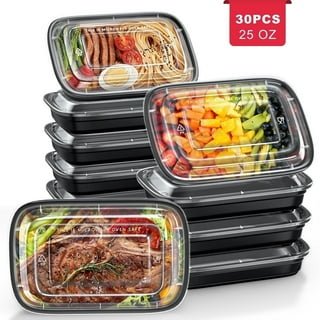
Are you looking for a smart way to store your food while helping the planet? Choosing recycled food storage containers is a simple step you can take to reduce waste and keep your kitchen eco-friendly.
But with so many options out there, how do you know which ones are truly good for you and the environment? You’ll discover easy tips to find the best recycled containers that fit your needs. Keep reading to make your food storage cleaner, safer, and greener—without any hassle.
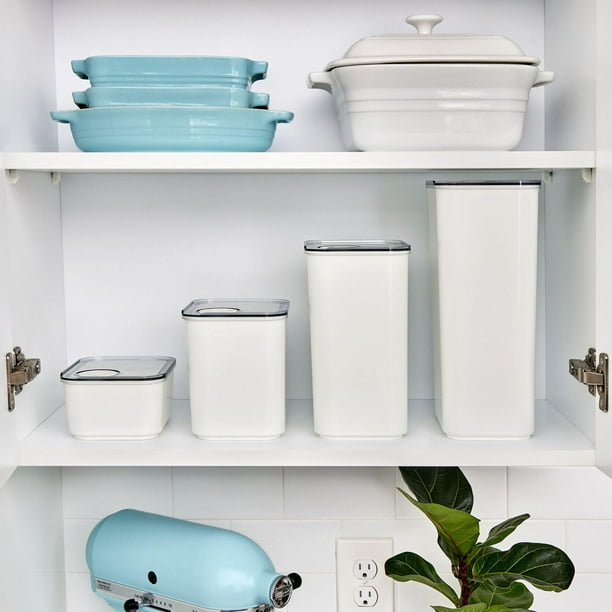
Credit: www.walmart.ca
Benefits Of Recycled Containers
Recycled food storage containers help the environment. They are safe and save money too.
Using recycled containers supports a sustainable lifestyle. Let’s explore their benefits.
Environmental Impact
Recycled containers reduce waste. They use less energy and resources.
- Less plastic in landfills
- Conserves natural resources
- Reduces carbon footprint
Health And Safety
Recycled containers are safe for food storage. They are made from non-toxic materials.
These containers are often BPA-free. This makes them safer for families.
Cost Savings
Recycled containers can be cheaper. They are a budget-friendly option for storage.
- Lower price than new plastic
- Durable and long-lasting
- Reusable for many purposes
Credit: ecoproducts.com
Materials To Look For
Buying recycled food storage containers helps reduce waste. It also saves resources by reusing materials.
Knowing which materials to choose makes your purchase better for the planet and your health.
Recycled Plastics
Recycled plastics come from used plastic products that are cleaned and reshaped. They keep plastic out of landfills and oceans.
Look for containers made from recycled PET or HDPE plastics. These are safer and often marked with recycling codes 1 or 2.
- Check labels for recycled content information
- Avoid plastics with BPA or harmful chemicals
- Choose sturdy containers that last longer
Glass And Metal Options
Glass and metal containers often use recycled materials. They are durable and can be recycled many times without losing quality.
Recycled glass containers keep food fresh without chemicals. Metal options like stainless steel are strong and long-lasting.
- Choose tempered or borosilicate glass for heat resistance
- Look for stainless steel with recycled content
- Metal lids may include silicone seals for better storage
Bamboo And Other Natural Fibers
Bamboo and natural fibers are eco-friendly choices. They come from fast-growing plants and break down easily after use.
Containers made with recycled bamboo fibers or mixed with other natural materials are lightweight and biodegradable.
- Look for food-safe finishes on bamboo containers
- Natural fiber blends add strength and durability
- These materials avoid plastic waste completely
Certifications And Labels
Buying recycled food storage containers means checking their certifications and labels. These marks show if the product is safe and eco-friendly.
Understanding these labels helps you make smart and healthy choices for your kitchen and the planet.
Recycling Symbols
Recycling symbols tell you what type of plastic is used in the container. Look for numbers inside the recycling triangle.
- 1 – PET: Often recycled but may not be best for food reuse
- 2 – HDPE: Safe and common for food containers
- 4 – LDPE: Flexible plastic, sometimes recycled
- 5 – PP: Durable and food-safe, widely recycled
Choose containers with recycling symbols that match local recycling programs.
Eco-friendly Certifications
Eco-friendly certifications prove that containers meet environmental standards. These labels show a product uses less energy and waste.
- FSC: Ensures materials come from responsible sources
- Green Seal: Confirms low environmental impact
- Cradle to Cradle: Shows product can be fully recycled
- USDA Organic: For products made with organic materials
Look for these marks to support sustainable products.
Food Safety Standards
Food safety certifications ensure containers do not harm your health. They test for chemicals and durability.
- FDA Approved: Meets US food safety rules
- LFGB Certified: German safety standard for food contact
- BPA Free: No harmful chemicals like BPA
- NSF Certified: Tested for food safety and quality
Check these certifications to keep food safe in recycled containers.
Choosing The Right Size And Shape
Buying recycled food storage containers is a smart way to reduce waste. Picking the right size and shape helps keep your kitchen neat and organized.
Think about how you use your containers. This makes sure you get the most out of them.
Space Efficiency
Choose containers that fit well in your kitchen cabinets or fridge. Square or rectangular shapes use space better than round ones.
Smaller containers work well for snacks and single meals. Larger ones hold leftovers or meal prep foods.
- Measure your shelves before buying
- Pick shapes that match your storage areas
- Use smaller sizes for portion control
Stackability
Stackable containers save space and keep things tidy. Look for containers with flat lids and uniform shapes.
Stacking makes it easy to find what you need without moving many containers.
- Flat lids prevent tipping
- Same shape containers stack better
- Clear containers help see contents quickly
Versatility
Choose containers that work for many uses. They should hold solids and liquids well.
Some shapes fit better in the fridge, while others are good for lunch boxes or freezers.
- Look for leak-proof lids
- Pick containers safe for fridge and freezer
- Choose sizes that fit your daily needs
Where To Buy Recycled Containers
Buying recycled food storage containers helps reduce waste and protect the environment. Many places sell these eco-friendly containers.
You can find recycled containers online, at local stores, or through secondhand options. Each has its own benefits.
Online Marketplaces
Online marketplaces offer a wide range of recycled food storage containers. You can compare prices and styles easily.
Look for sellers who clearly state the container is made from recycled materials. Check product reviews for quality.
- Large selection of styles and sizes
- Convenient home delivery
- Ability to read customer feedback
Local Eco Stores
Local eco stores focus on sustainable and recycled products. They often stock recycled food storage containers.
Shopping in person helps you see container quality and ask questions about materials and recycling processes.
- Supports local businesses
- Hands-on product experience
- Expert advice from store staff
Secondhand Options
Secondhand stores and online resale sites sometimes have gently used recycled containers. These reduce waste further.
Check that containers are clean and in good shape. This option can save money and extend the container’s life.
- Lower cost than new containers
- Good for testing different styles
- Helps keep items out of landfills
Maintaining And Extending Container Life
Recycled food storage containers help reduce waste. Taking care of them keeps them safe and useful for longer.
Simple habits can protect your containers from damage. This saves money and helps the environment.
Cleaning Tips
Clean containers gently after each use. Avoid harsh scrubbing that can scratch the surface.
Use mild soap and warm water. Rinse well to remove all soap residue.
- Hand wash instead of using a dishwasher
- Use a soft sponge or cloth
- Dry completely before storing
Proper Storage
Store containers with lids off or loosely placed. This helps avoid odors and moisture buildup.
Keep containers in a cool, dry place away from direct sunlight. Heat and light can weaken the plastic.
- Stack containers carefully to avoid cracks
- Do not store heavy items on top
- Keep lids separate to prevent warping
Repair And Reuse
Fix small cracks or holes with food-safe glue. This extends the container’s life and reduces waste.
Reuse containers for other purposes like organizing drawers or holding craft supplies.
- Check containers regularly for damage
- Discard containers that are too worn or unsafe
- Find new uses before recycling
Common Mistakes To Avoid
Buying recycled food storage containers is good for the environment. Still, some buyers make mistakes that affect safety and usefulness.
Knowing what to avoid helps you pick the best containers for your needs. Read on to learn common errors and how to prevent them.
Ignoring Material Safety
Not all recycled plastics are safe for food use. Some may release harmful chemicals when heated or stored with food.
Check if the containers are BPA-free and approved for food storage. Avoid plastics that are not labeled for food safety.
- Look for FDA or equivalent food safety approval
- Avoid containers with unknown plastic codes
- Do not use damaged or cracked containers
Overlooking Product Labels
Labels tell you important details about the container’s material and use. Ignoring them can lead to wrong purchases.
Read labels carefully to know if the container is microwave-safe, dishwasher-safe, or freezer-safe. This affects how you can use it.
- Check for recycling codes (like 5 for polypropylene)
- Look for temperature limits on the label
- Verify if the product is stain and odor resistant
Buying Without Purpose
Buying containers without a clear use can cause clutter and waste. Choose containers that fit your storage needs.
Think about what food you store and how much space you have. Select sizes and shapes that work well for your kitchen.
- Measure space before buying
- Pick containers that stack well
- Choose sizes that match your food portions
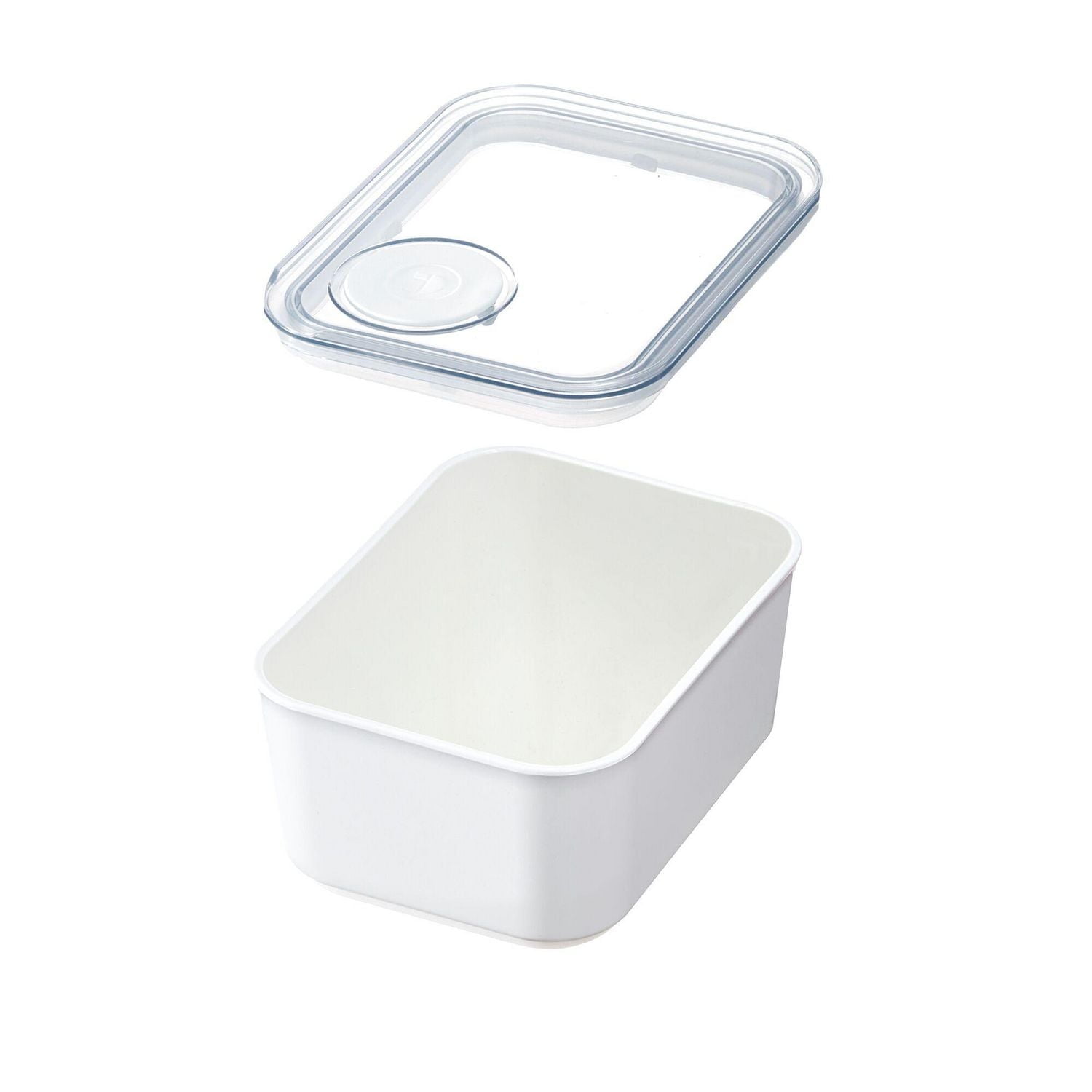
Credit: www.walmart.ca
Frequently Asked Questions
What Are Recycled Food Storage Containers Made Of?
Recycled food storage containers are typically made from reclaimed plastics or glass. These materials are processed to ensure safety and durability. Using recycled materials reduces environmental waste and conserves resources. They are designed to be BPA-free and food-safe for everyday use.
How Do I Identify Eco-friendly Recycled Containers?
Look for labels like “made from recycled materials” or recycling symbols. Check for certifications such as BPA-free or FDA-approved. Choose containers with minimal packaging and clear information about material sourcing. These indicators ensure the container is environmentally responsible and safe for food storage.
Are Recycled Food Containers Safe For Microwave Use?
Many recycled food containers are microwave-safe, but always check the product label. Avoid containers with metal components or unclear usage instructions. Using microwave-safe containers prevents chemical leaching and protects your food. When in doubt, transfer food to a microwave-safe dish before heating.
Can Recycled Containers Keep Food Fresh Longer?
Yes, many recycled containers are designed with airtight seals to preserve freshness. Proper sealing prevents moisture loss and contamination. Choose containers with secure lids and durable materials for optimal food preservation. This helps reduce food waste and saves money over time.
Conclusion
Choosing recycled food storage containers helps protect the environment. You save resources and reduce waste by buying these containers. Look for labels that show the container is made from recycled materials. Check for durability and food safety before you buy.
Using recycled containers supports a cleaner planet and healthier lifestyle. Small changes add up to big impacts over time. Start today and enjoy eco-friendly storage for your food. Simple steps make a difference for you and the Earth.