
Are you looking for simple ways to make your food service more eco-friendly? Using compostable food trays is a smart choice, but getting the most out of them takes a little know-how.
You’ll discover easy tips that help you use these trays correctly, reduce waste, and protect the environment. Keep reading to learn how small changes in your routine can make a big difference for your business and the planet.
Choosing The Right Compostable Trays
Compostable food trays are a great choice for the environment. They break down naturally and reduce waste. Here are some tips for choosing the best ones.
Consider the materials, certifications, and sizes to find the perfect tray for your needs. Make smart choices for both your business and the planet.
Materials To Look For
Compostable trays come in various materials. These materials are eco-friendly and decompose easily.
- Sugarcane bagasse: Made from the pulp of sugarcane
- PLA (Polylactic Acid): Derived from corn starch
- Wheat straw fiber: Byproduct of wheat production
Certifications And Labels
Look for certifications on compostable trays. These ensure the products meet environmental standards.
- USDA Certified Biobased Product: Confirms the use of renewable resources
- Compostable ASTM D6400: Ensures the product composts in municipal facilities
- BPI Certified: Recognizes compliance with compostability standards
Tray Sizes And Uses
Choosing the right size tray is important. Different sizes serve various purposes.
- Small trays: Perfect for snacks and side dishes
- Medium trays: Ideal for single meals
- Large trays: Suitable for family-sized portions or catering
Preparing Trays For Composting
Compostable food trays help reduce waste and protect the environment. To compost them properly, you need to prepare the trays first. This makes the composting process faster and cleaner.
Preparing trays is simple if you follow a few easy steps. These steps will keep your compost pile healthy and free from problems.
Cleaning Residue Properly
Remove leftover food from trays before composting. Large food pieces can attract pests and slow down composting.
Rinse trays with water if needed. Avoid using soap or chemicals as they harm compost microbes.
Avoiding Contamination
Keep trays free from plastic, metal, or other non-compostable materials. Contamination can spoil the compost batch.
- Check for stickers or labels and remove them
- Do not compost trays with wax or plastic coatings
- Separate trays from other trash carefully
Breaking Down Large Pieces
Cut or tear large trays into smaller parts. Small pieces break down faster in compost.
- Use scissors or hands to break trays
- Smaller pieces mix better with other compost materials
- Faster breakdown reduces composting time
Composting At Home
Compostable food trays break down naturally in compost piles. Composting them at home helps reduce waste.
You can turn these trays into rich soil by following simple composting steps.
Ideal Composting Conditions
Compost needs the right balance of air, moisture, and temperature. These conditions help trays break down fast.
Keep your compost pile moist but not wet. Turn it often to add air. Aim for a warm temperature.
- Moisture: Like a damp sponge, not dripping wet
- Air: Turn pile every 1-2 weeks
- Temperature: Between 130°F and 160°F (54°C–71°C)
Mixing With Other Organic Waste
Food trays need to mix well with other compost materials. This helps them break down evenly.
Combine trays with green waste and brown waste. Greens are wet and rich in nitrogen. Browns are dry and full of carbon.
- Green waste: Fruit scraps, grass clippings, coffee grounds
- Brown waste: Leaves, paper, straw, cardboard
- Chop large pieces for faster composting
Troubleshooting Common Issues
If trays do not break down, check your compost conditions. Poor air or moisture can cause problems.
Bad smells mean too much wet material or lack of air. Dry compost if it is too wet. Turn compost to add oxygen.
- Slow breakdown: Chop trays and mix well
- Smelly compost: Add dry brown material and turn pile
- Dry compost: Add water and mix thoroughly
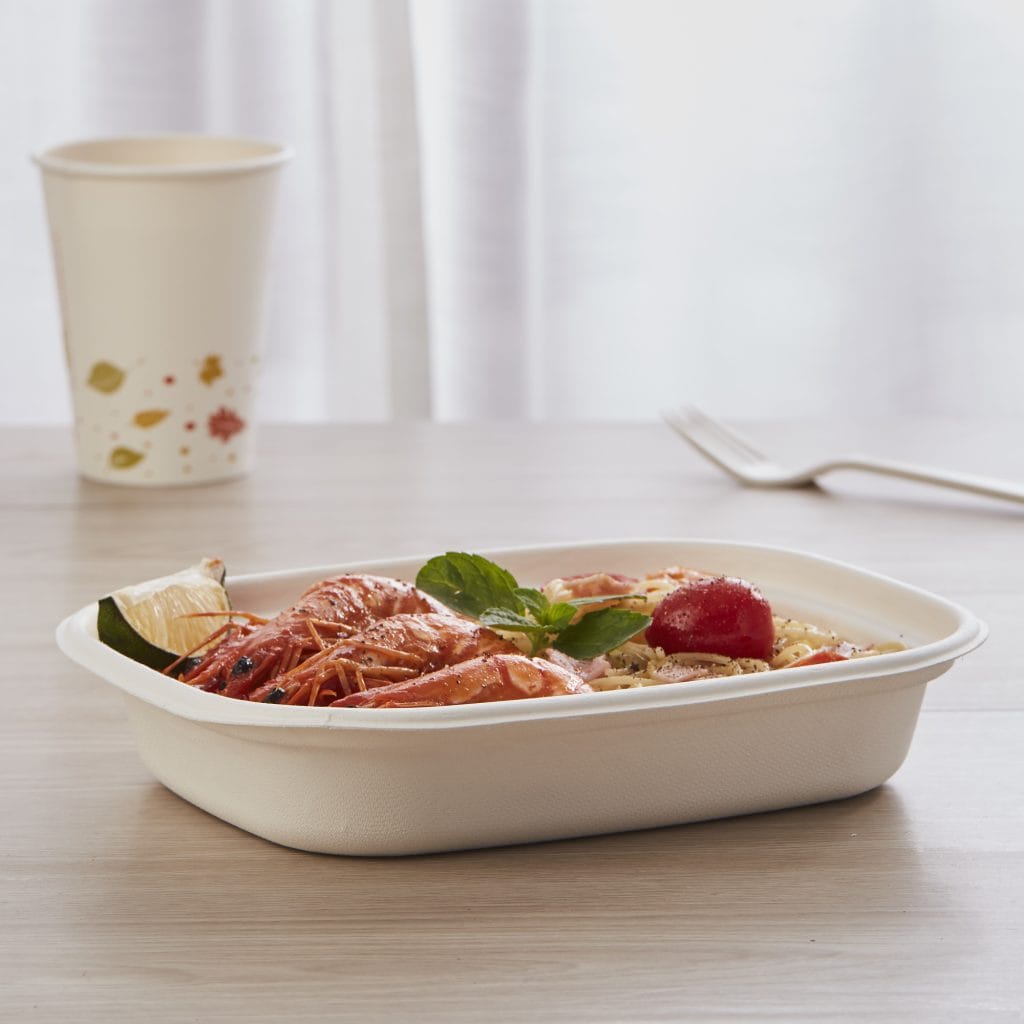
Credit: www.bioleaderpack.com
Using Compostable Trays In Events
Compostable trays are a great choice for events. They help reduce waste and protect the environment.
To use these trays well, plan how to get them, teach your guests, and manage waste properly.
Sourcing Bulk Supplies
Buy compostable trays in large amounts to save money. Look for suppliers who focus on eco-friendly products.
Check the material quality to ensure trays break down easily after use. Compare prices and delivery options.
- Order trays made from plant-based materials
- Ask suppliers about compost certification
- Buy early to avoid last-minute shortages
- Consider local suppliers to reduce shipping impact
Educating Guests
Explain to guests why compostable trays are used. Help them understand how to dispose of trays correctly.
Use clear signs and friendly staff to guide guests. Simple messages work best for all age groups.
- Place signs near food stations
- Use easy language and pictures
- Train staff to answer questions
- Remind guests to avoid plastic liners
Waste Collection Strategies
Set up bins specifically for compostable trays. Keep these bins separate from regular trash and recycling.
Make bin locations clear and easy to find. Regularly empty bins to avoid overflow and contamination.
- Label bins with clear compost logos
- Place bins near food and seating areas
- Train staff to monitor waste sorting
- Work with a composting service for pickup
Benefits Of Compostable Trays
Compostable food trays are a smart choice for the environment. They break down naturally and help reduce waste.
Using these trays supports cleaner land and healthier soil. They also help lower pollution from plastics.
Reducing Plastic Waste
Compostable trays replace plastic trays that take hundreds of years to decay. They break down quickly in compost settings.
This helps lower the amount of plastic trash in landfills and oceans. Less plastic waste means less harm to animals and plants.
- Break down in a few months
- Reduce landfill space used
- Prevent plastic pollution in water
Supporting Soil Health
Compostable trays add valuable nutrients back into the soil. As they decompose, they enrich the earth with organic matter.
Good soil helps plants grow strong and healthy. It also improves water retention and reduces erosion.
- Increase soil fertility
- Support healthy plant growth
- Improve soil texture and moisture
Lowering Carbon Footprint
Compostable trays need less energy to make than plastic trays. They come from natural materials like plants.
Using compostable trays cuts down greenhouse gas emissions. This helps fight climate change and keeps the air cleaner.
- Use renewable resources
- Reduce greenhouse gases
- Require less fossil fuel energy
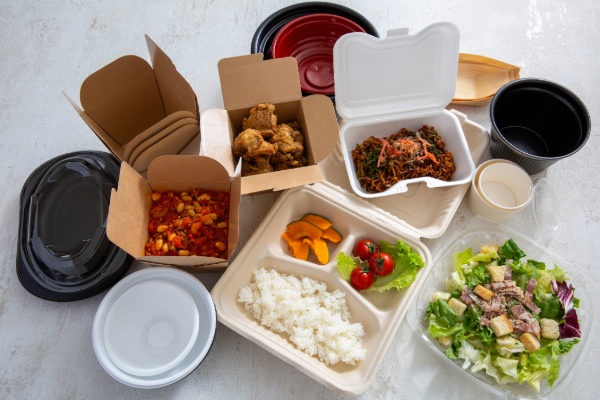
Credit: www.littleaussie.com.au
Common Mistakes To Avoid
Using compostable food trays helps reduce waste and protect the environment. But some common mistakes can stop them from breaking down properly.
Knowing what to avoid makes composting easier and more effective. Here are some common errors to watch out for.
Throwing Trays In Regular Trash
Many people throw compostable trays in the regular trash by mistake. This sends them to the landfill, where they cannot break down well.
Compostable trays need special facilities to decompose. Tossing them in the trash wastes their benefits and fills landfills.
Mixing With Non-compostables
Mixing compostable trays with plastic or other trash causes contamination. This makes composting harder and less effective.
Keep compostable trays separate from non-compostable items to ensure proper breakdown and clean compost.
- Do not mix trays with plastic containers
- Avoid putting trays in recycling bins
- Use labeled compost bins for trays only
Ignoring Local Composting Rules
Composting rules vary by area. Ignoring local guidelines can cause trays to be rejected at compost facilities.
Check local composting rules before disposal. Follow instructions on how to prepare and where to drop off trays.
- Some places require trays to be clean and free of food
- Others accept only certain types of compostable materials
- Check if curbside pickup or drop-off sites are available

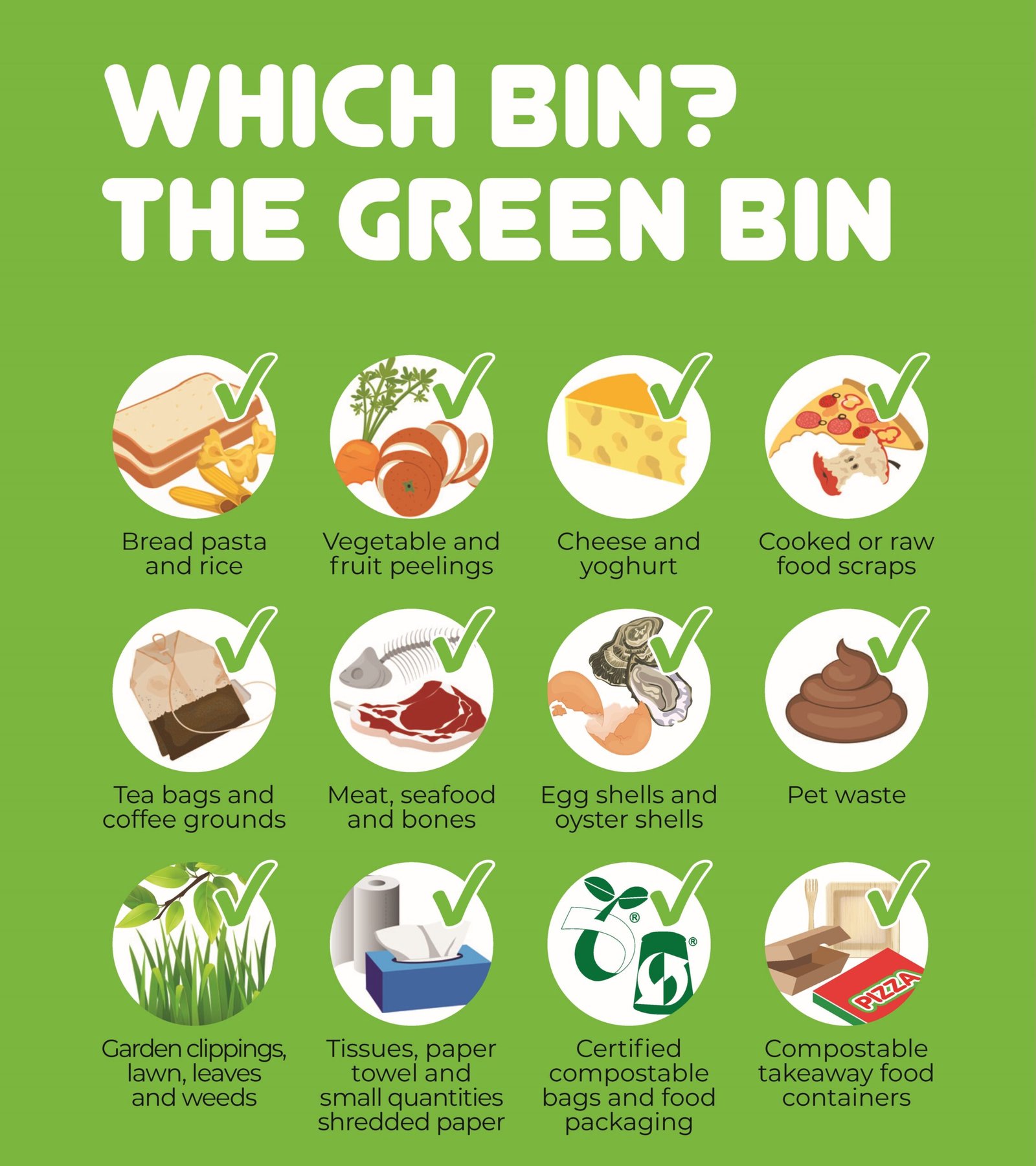
Credit: berkeleyca.gov
Frequently Asked Questions
What Are The Best Uses For Compostable Food Trays?
Compostable food trays are ideal for serving hot or cold meals. They work well for takeout, catering, and outdoor events. Use trays for foods that don’t leak heavily. Avoid trays with plastic coatings to ensure full compostability and eco-friendliness.
How Do I Properly Dispose Of Compostable Food Trays?
Dispose of compostable trays in commercial or home compost bins only. Avoid placing them in regular trash or recycling bins. Proper disposal helps trays break down naturally, reducing landfill waste and environmental impact. Check local composting guidelines for specific instructions.
Can Compostable Food Trays Handle Hot And Cold Foods?
Yes, most compostable food trays are designed for both hot and cold foods. They resist heat without melting or warping. Always check the manufacturer’s temperature guidelines to ensure safety. This versatility makes them convenient for various food service needs.
Are Compostable Food Trays Safe For Microwaving?
Many compostable trays are microwave-safe, but confirm with product specifications. Avoid microwaving trays with metallic finishes or non-compostable liners. Using microwave-safe trays helps maintain food quality and tray integrity while being environmentally responsible.
Conclusion
Compostable food trays help reduce waste and protect the environment. Use them correctly to get the best results. Separate food scraps before tossing trays in compost bins. Store trays in a dry place to keep them fresh. Small steps make a big difference for our planet.
Choose compostable trays to support eco-friendly habits. Keep learning and sharing tips to help others. Together, we can create a cleaner, greener world. Simple actions matter. Start today.