
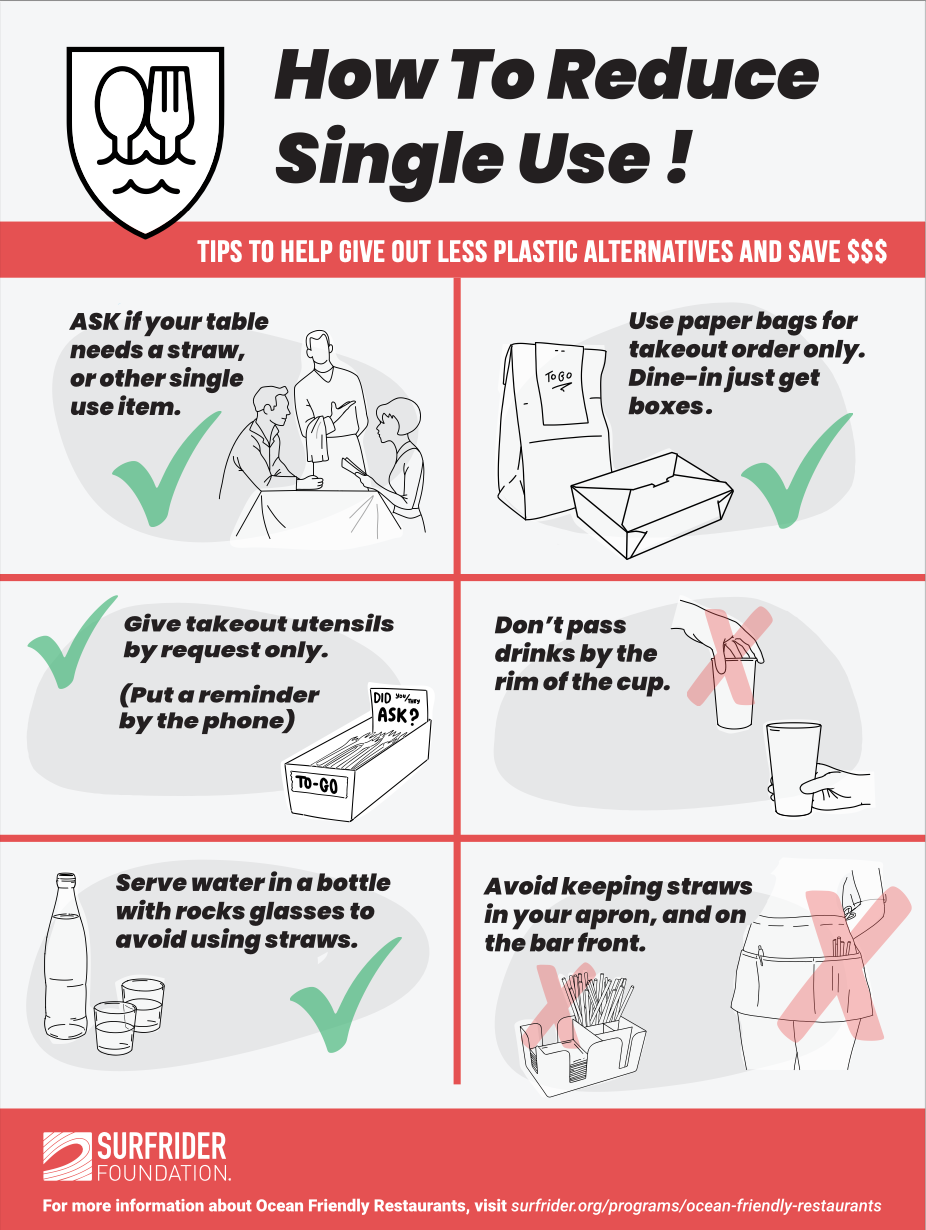
Are you tired of seeing so much waste from single-use items every day? What if you could make simple changes that save money, help the environment, and feel good too?
Reducing your use of disposable products is easier than you think—and it starts with small steps you can take right now. You’ll discover practical tips that fit into your daily life without stress. Keep reading to find out how you can make a real difference with your choices today.
Why Cut Single-use Items
Single-use items are convenient but harmful. They create a lot of waste. We need to reduce them to protect our planet.
Using fewer single-use items helps the environment and saves money. It’s a small change that makes a big difference.
Environmental Consequences
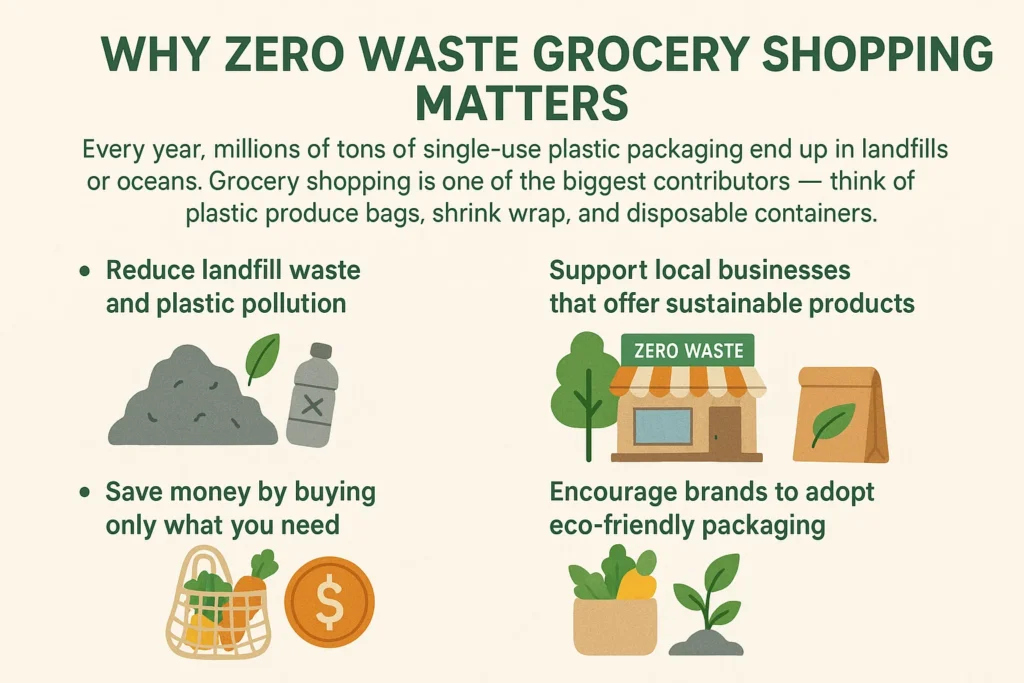
Single-use items often end up in landfills and oceans. They do not break down easily and pollute our planet.
Reducing these items can decrease pollution. It helps keep wildlife safe and our water clean.
- Less plastic in the ocean
- Cleaner landfills
- Fewer animals harmed by waste
Economic Benefits
Using reusable items can save money. You buy them once and use them many times.
It also reduces the cost of waste management. Less trash means lower costs for cities and towns.
- Save money on disposable products
- Lower trash collection costs
- Support sustainable businesses
Credit: www.ecogearguides.com
Choosing Reusables
Using reusable items helps cut down waste and protect the environment. It is easy to switch from single-use to reusable products.
Choosing the right reusable items can save money and reduce trash. Focus on bags, containers, and drinkware that last long.
Reusable Bags And Containers
Reusable bags replace plastic or paper bags for shopping. They are strong and can be used many times.
Containers help store food without using plastic wrap or single-use bags. Choose containers made from glass or durable plastic.
- Bring cloth or canvas bags to stores
- Use glass or BPA-free plastic containers for meals
- Choose containers with tight lids to avoid spills
- Clean and reuse bags and containers often
Sustainable Drinkware
Reusable drinkware cuts down on single-use cups and bottles. Look for options that are easy to carry and clean.
Materials like stainless steel, glass, and bamboo are good for reusable cups and bottles. They keep drinks fresh and avoid waste.
- Use stainless steel water bottles for cold and hot drinks
- Choose glass cups with lids for coffee and tea
- Try bamboo or silicone straws instead of plastic ones
- Wash drinkware after each use to keep it safe
Smart Shopping Habits
Reducing single-use items starts with smart shopping choices. Buying thoughtfully helps reduce waste.
Focus on habits that lower your need for disposable products. These small changes make a big impact.
Bulk Buying Tips
Buying in bulk cuts down packaging and trips to the store. It saves money and reduces waste.
Choose products you use often and can store safely. Use your own containers if allowed.
- Bring reusable bags or jars for bulk items
- Check expiration dates before buying large amounts
- Share bulk items with family or friends to avoid waste
Avoiding Excess Packaging
Pick products with little or no packaging to reduce trash. Look for items wrapped in paper or sold loose.
Skip single-use plastic bags and containers. Choose products in recyclable or compostable packaging.
- Buy fresh fruits and vegetables without plastic wrap
- Choose refill stations for cleaning supplies and toiletries
- Support brands that use minimal or eco-friendly packaging

Credit: www.thenewstribune.com
Reducing Food Waste
Food waste causes harm to the environment and wastes money. Reducing food waste helps save resources and lowers trash.
Simple habits can cut food waste. Two key ways are meal planning and proper storage techniques.
Meal Planning
Plan meals for the week before shopping. This helps buy only what you need.
Check what food you already have at home. Use those items first to avoid spoilage.
- Make a shopping list based on planned meals
- Buy fresh produce in small amounts
- Include leftovers in your plan
- Cook only the amount you will eat
Proper Storage Techniques
Store food the right way to keep it fresh longer. This reduces the chance of throwing food away.
Use airtight containers and keep food in the fridge or freezer when needed. Label items with dates.
- Keep fruits and vegetables in separate drawers
- Wrap leafy greens in paper towels to absorb moisture
- Store bread in a cool, dry place or freeze it
- Use clear containers to see contents easily
Diy Alternatives
Reducing single-use items helps protect the environment. Making your own products can cut waste.
DIY alternatives are often cheaper and healthier. You can control what goes into them.
Homemade Cleaning Products
Store-bought cleaners often come in plastic bottles. You can make simple cleaners at home.
Basic ingredients like vinegar, baking soda, and lemon work well. They clean many surfaces safely.
- Mix equal parts vinegar and water for a glass cleaner
- Use baking soda as a scrubbing powder for sinks and tubs
- Lemon juice can remove stains and freshen surfaces
- Create a paste with baking soda and water for tough spots
Reusable Personal Care Items
Many personal care products come in single-use plastic packaging. You can switch to reusable items.
Choose items that last longer and reduce daily waste. These choices help the planet and save money.
- Use cloth face rounds instead of disposable cotton pads
- Try bamboo toothbrushes with replaceable heads
- Choose safety razors with metal blades over plastic ones
- Make your own soap bars instead of buying liquid soap in bottles
Involving Community
Reducing single-use items is easier when the whole community joins in. People can share ideas and support each other.
Working together helps create habits that protect the environment. Community actions can make a big difference.
Organizing Swap Events
Swap events let people trade items instead of buying new ones. This lowers waste and saves money.
These events bring neighbors together and spread awareness about reducing single-use products.
- Choose a public place like a park or community center
- Set clear rules about what items can be swapped
- Encourage people to bring reusable bags
- Offer tips on reducing waste during the event
Supporting Local Eco-friendly Businesses
Local shops often sell products that reduce single-use waste. Buying from them helps the environment and the community.
Supporting these businesses encourages more eco-friendly options to appear in the area.
- Look for stores that offer reusable or compostable goods
- Share your favorite eco-friendly shops with friends
- Join local groups that promote sustainable shopping
- Attend markets that focus on green products
Maintaining Long-term Habits
Reducing single-use items helps protect the environment. Keeping this habit takes time and effort.
Building habits that last means staying focused and making small changes every day.
Tracking Progress
Tracking your progress shows how well you reduce single-use items. It helps keep you motivated.
You can track by noting days without using plastic or how many reusable items you use.
- Use a journal to write daily progress
- Mark a calendar for each plastic-free day
- Set weekly goals and review them
- Celebrate small wins to stay motivated
Overcoming Common Challenges
Challenges like forgetfulness or convenience can make habits hard to keep. Plan ways to handle these.
Prepare reusable bags and bottles ahead. Remind yourself why you started.
- Keep reusable items in easy places
- Set reminders on your phone
- Learn from setbacks without giving up
- Ask friends or family to support you

Credit: www.maacc.my
Frequently Asked Questions
What Are Simple Ways To Reduce Single-use Plastic?
Using reusable bags, water bottles, and containers cuts single-use plastic waste. Avoid plastic straws and utensils by opting for bamboo or metal alternatives. Small changes daily add up to significant environmental benefits.
How Can I Minimize Single-use Items At Home?
Switch to cloth napkins, washable dishcloths, and refillable soap dispensers. Buy in bulk to reduce packaging waste. These habits lower single-use consumption and promote sustainable living.
Why Should I Avoid Single-use Items?
Single-use items contribute to pollution and landfill overflow. They harm wildlife and ecosystems. Reducing usage conserves resources and supports a healthier planet for future generations.
What Are Eco-friendly Alternatives To Single-use Products?
Choose reusable shopping bags, stainless steel straws, and glass jars. Compostable plates and utensils made from plant fibers are good options. These alternatives lessen environmental impact and encourage sustainability.
Conclusion
Reducing single-use items helps protect our planet every day. Small changes in habits make a big difference. Choose reusable bags, bottles, and containers whenever possible. Carry your own items to avoid waste. Each effort counts and inspires others to act.
Together, we can create cleaner, healthier communities. Start with one step and keep going. Saving resources feels good and benefits future generations. Simple actions lead to lasting change.