
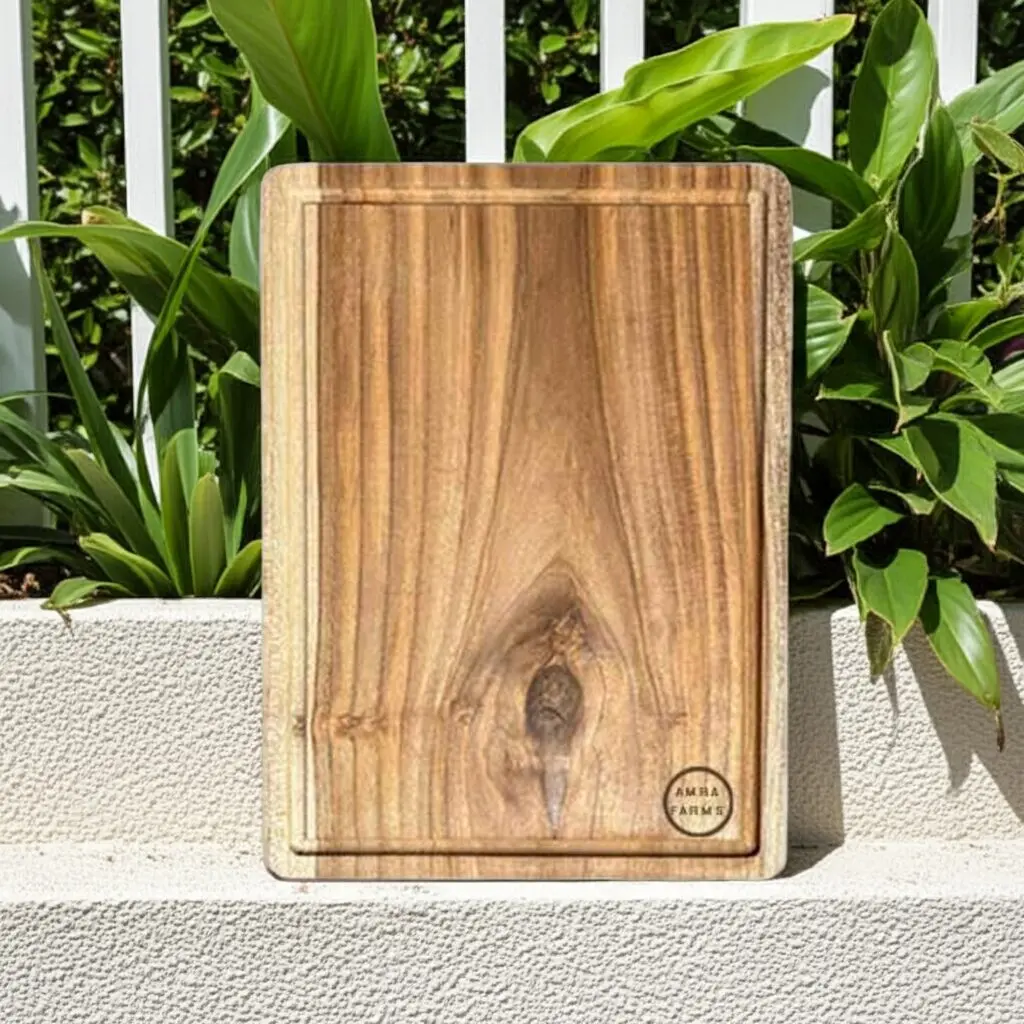
Choosing the right chopping board is more important than you might think. Your kitchen tools affect not only the food you prepare but also the planet.
If you want to make a positive change, selecting an eco-friendly chopping board is a smart step. But how do you know which one is truly green and safe for your home? You’ll discover simple tips to help you pick a chopping board that protects your health, lasts longer, and reduces waste.
Keep reading to find out how easy it is to make a choice that benefits both you and the environment.
Benefits Of Eco-friendly Chopping Boards
Eco-friendly chopping boards are made from sustainable materials. They help protect the environment and ensure safety in your kitchen.
Choosing these boards can also support healthy food preparation. They are durable and long-lasting, making them a smart choice for any home.
Health And Safety Advantages
Eco-friendly chopping boards are often free of harmful chemicals. This makes them safer for preparing food for your family.
They are easy to clean and resist bacteria growth. This helps keep your meals healthy and safe to eat.
Environmental Impact
These boards are made from renewable resources. Choosing them helps reduce waste and conserve our planet’s resources.
They decompose naturally, which lessens landfill waste. This supports a healthier environment for everyone.
Durability And Longevity
Eco-friendly chopping boards are built to last. They can withstand heavy use without showing wear.
Investing in these boards means fewer replacements. This saves money and reduces the need for frequent purchases.

Credit: www.mychemicalfreehouse.net
Materials To Choose
Choosing the right material for your chopping board helps the environment. Eco-friendly boards last longer and reduce waste.
Look for materials that are renewable, recyclable, or made from natural resources. This protects forests and cuts plastic use.
Bamboo Boards
Bamboo grows fast and needs little water. It is a strong and light material for chopping boards.
Bamboo boards resist knife marks and do not absorb much water. They are easy to clean and last a long time.
Recycled Plastic Boards
Recycled plastic boards use plastics that would otherwise become trash. They help reduce pollution.
These boards are durable and dishwasher safe. They come in many colors and sizes.
- Made from recycled milk jugs or containers
- Non-porous and easy to clean
- Resistant to stains and odors
Wood From Sustainable Sources
Wood chopping boards from well-managed forests are eco-friendly. These forests grow back quickly.
Look for boards with certifications like FSC. They ensure the wood comes from legal and safe harvesting.
- Hardwoods like maple and teak are common
- Natural antibacterial properties
- Can be sanded and refinished
Composite And Alternative Materials
Composite boards combine natural fibers with resins. They use less wood and last long.
Other materials include wheat straw or coconut shells mixed with bio-plastics. These reduce plastic use.
- Resistant to water and heat
- Less prone to cracking than wood
- Biodegradable or recyclable options available
Features To Look For
Choosing an eco-friendly chopping board means thinking about safety and how long it will last. Look for features that keep your kitchen clean and healthy.
Good chopping boards should be safe to use, easy to clean, and strong enough to handle daily tasks. These features help you pick the best board for your home.
Non-toxic Finishes And Treatments
Eco-friendly boards use natural oils or waxes to protect the wood. Avoid boards with chemical finishes that can be harmful or wear off with use.
Natural finishes keep the board safe for food and help keep the wood strong and smooth.
- Look for boards treated with mineral oil, beeswax, or coconut oil
- Avoid boards with synthetic varnishes or paints
- Natural finishes are better for your health and the environment
Resistance To Bacteria And Stains
Choose boards that resist bacteria and stains to keep your food safe. Some materials naturally fight bacteria and avoid strong smells.
Wood and bamboo boards often stop bacteria from growing. Avoid plastic boards that get deep cuts and hold germs.
- Hardwoods like maple and teak resist stains and bacteria
- Bamboo is naturally antibacterial and eco-friendly
- A smooth surface helps stop bacteria buildup
Ease Of Cleaning And Maintenance
Pick boards that are easy to clean without harsh chemicals. Regular care keeps boards safe and strong for a long time.
Natural boards need oiling to stay smooth. Avoid boards that need special cleaning tools or chemicals.
- Hand wash boards with mild soap and water
- Dry boards fully to stop warping and mold
- Apply natural oil regularly for wood and bamboo boards
Weight And Portability
Consider how heavy the board is if you move it often. Lightweight boards are easier to carry and store.
Thicker boards may be heavier but last longer. Choose a board weight that fits your kitchen space and use.
- Lightweight boards are best for small kitchens
- Heavier boards offer more stability when cutting
- Look for handles or grips for easy moving

Credit: www.amazon.ca
Certifications And Labels
Choosing eco-friendly chopping boards means looking for trusted certifications. These labels prove the product meets environmental and safety rules.
Certifications help buyers pick boards made from sustainable materials. They also show the product is safe for food use.
Fsc And Pefc Certifications
The Forest Stewardship Council (FSC) certifies wood products from well-managed forests. It ensures trees are cut in a way that protects the environment.
The Programme for the Endorsement of Forest Certification (PEFC) also promotes sustainable forest management. Both labels guarantee the chopping board wood comes from responsible sources.
- FSC and PEFC show legal and eco-friendly wood harvesting
- They help reduce deforestation and habitat loss
- Boards with these labels support forest conservation
Food Safety Standards
Food safety standards ensure chopping boards do not harm your health. These rules check that materials and finishes are safe for contact with food.
Look for labels that confirm the board meets local or international food safety laws. This means no harmful chemicals or toxic coatings are used.
- BPA-free certification means no harmful plastics
- FDA approval shows the board is safe for food contact
- EU standards regulate chemicals in wood treatments
Eco-labels And Third-party Verifications
Eco-labels are marks given by independent groups. They verify that the product meets high environmental standards beyond legal limits.
Third-party verifications add trust. They check and confirm the company’s green claims are true and honest.
- Look for labels like Green Seal or EcoCert
- These show the board has low environmental impact
- Third-party audits ensure honesty in labeling
Maintenance Tips For Longevity
Eco-friendly chopping boards need care to last long. Proper maintenance keeps them safe and useful.
Simple habits help protect your board from damage and wear. Follow these tips to keep it in good shape.
Proper Cleaning Techniques
Clean your chopping board right after use. Use warm water and mild soap to remove food residue.
Avoid soaking the board in water. Too much water can make it swell and crack over time.
- Wash with a soft sponge or cloth
- Rinse with warm water
- Dry immediately with a clean towel
Oiling And Conditioning
Oiling helps keep the wood healthy and strong. Use food-safe mineral oil or beeswax for best results.
Apply oil once a month or when the board looks dry. Rub the oil evenly and let it soak in overnight.
- Use a clean cloth to apply oil
- Cover the entire surface
- Wipe off extra oil after soaking
Avoiding Warping And Cracks
Keep the board away from extreme heat or cold. Changes in temperature can cause warping and cracks.
Store the board standing up or flat in a dry place. Do not leave it near the stove or dishwasher.
- Do not put in the dishwasher
- Keep away from direct sunlight
- Store in a dry, ventilated area
Credit: www.fooddocs.com
Where To Buy Eco-friendly Boards
Eco-friendly chopping boards are a smart choice for your kitchen. They help reduce plastic waste and use natural materials.
You can find these boards in different places. Some stores focus only on green products, while others offer a variety of options.
Local Artisans And Markets
Local artisans often make chopping boards from sustainable wood. Buying from them supports small businesses and reduces shipping impact.
Farmers’ markets and craft fairs are good places to find unique, eco-friendly boards. You can see the quality before you buy.
- Look for wood types like bamboo or reclaimed wood
- Ask about the finishing materials to ensure they are safe
- Support local craftspeople and community
Online Eco Stores
Online eco stores offer a wide range of chopping boards made from sustainable materials. These shops focus on green and ethical products.
Shopping online lets you read reviews and compare prices easily. Many sellers provide detailed info about the board’s material and care instructions.
- Choose boards made from bamboo, maple, or other renewable woods
- Look for certifications like FSC (Forest Stewardship Council)
- Check for non-toxic finishes and adhesives
Major Retailers With Green Options
Some big stores now offer eco-friendly chopping boards. They often have a section for sustainable kitchen tools.
These retailers provide easy access and sometimes offer good prices. You can buy in-store or online with flexible return policies.
- Look for boards labeled as eco-friendly or sustainable
- Check product details for natural wood and safe finishes
- Compare options to find the best size and style for your needs
Frequently Asked Questions
What Materials Are Best For Eco-friendly Chopping Boards?
Bamboo and sustainably sourced wood are top eco-friendly choices. They are renewable, biodegradable, and durable. Avoid plastic boards to reduce environmental impact. Choose boards certified by FSC or similar organizations for assured sustainability.
How To Maintain An Eco-friendly Chopping Board?
Clean your board with mild soap and water after each use. Avoid soaking it in water to prevent warping. Regularly oil wooden boards with food-safe mineral oil to maintain moisture and prevent cracking.
Are Bamboo Chopping Boards Truly Eco-friendly?
Yes, bamboo grows quickly and requires less water than wood. It’s biodegradable and renewable, making it an eco-friendly option. Bamboo boards are durable and naturally antimicrobial, ideal for sustainable kitchen use.
Can Eco-friendly Chopping Boards Resist Bacteria Effectively?
Properly maintained wooden and bamboo boards have natural antimicrobial properties. Cleaning them thoroughly after use prevents bacterial growth. Avoid deep cuts where bacteria can hide, and replace boards when excessively worn.
Conclusion
Choosing eco-friendly chopping boards helps protect the planet. Natural materials like bamboo or wood work well. They last long and avoid plastic waste. Remember to check for safe finishes and easy cleaning. Small changes in your kitchen make a big difference.
Start with one board and see the impact. Caring for the environment begins at home. It’s simple, smart, and kind to nature.