
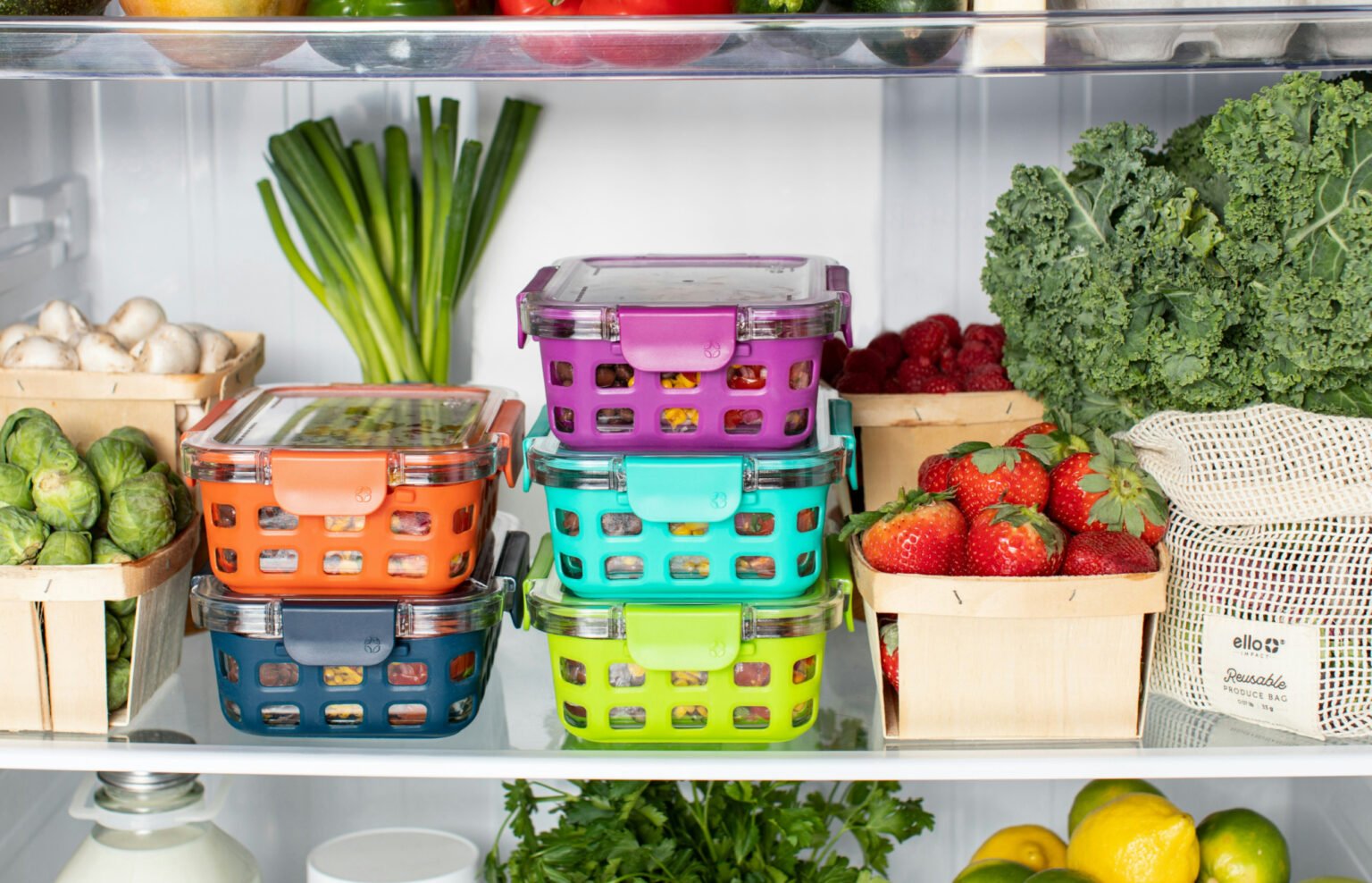
Are you looking for simple ways to store your food that are better for the planet and your health? Using eco-friendly food storage isn’t just good for the environment—it can also save you money and keep your food fresher for longer.
Imagine cutting down on plastic waste while making your kitchen more organized and stylish. You’ll discover easy tips that anyone can follow to make your food storage greener and smarter. Ready to transform your habits and make a real difference?
Keep reading to find out how!
Choosing Sustainable Containers
Eco-friendly food storage is important for reducing waste. Choosing sustainable containers helps the environment.
There are many options like glass, stainless steel, and silicone. Each has its own benefits.
Benefits Of Glass And Stainless Steel
Glass and stainless steel are great for food storage. They are durable and safe for health.
These materials do not leach chemicals into food. They keep food fresh for longer periods.
- Glass is microwave safe
- Stainless steel is lightweight
- Both are recyclable
Avoiding Single-use Plastics
Single-use plastics are harmful to the planet. They take many years to break down.
Using reusable containers reduces plastic waste. It is a simple way to help the environment.
- Bring your own containers to shops
- Choose products with less packaging
- Recycle any plastics you use
Exploring Silicone Options
Silicone is a flexible and durable option. It is safe for food storage and easy to clean.
Silicone bags and lids are reusable and reduce waste. They can be used in the freezer and oven.
- Silicone is non-toxic
- It is heat resistant
- Available in many sizes
Credit: www.morrisonhealthcare.com
Smart Storage Techniques
Using eco-friendly food storage helps reduce waste and keep food fresh. Smart storage techniques protect your food and the planet.
These tips show how to store food naturally and organize your kitchen with care.
Maximizing Freshness Naturally
Keep fruits and vegetables fresh longer by storing them properly. Use breathable containers or cloth bags to avoid moisture buildup.
Keep similar items together and store herbs with stems in water to keep them fresh.
- Use glass or stainless steel containers with lids
- Avoid plastic bags that trap moisture
- Keep leafy greens dry before storing
- Store root vegetables in cool, dark places
Using Beeswax Wraps
Beeswax wraps are a natural alternative to plastic wrap. They are reusable, breathable, and keep food fresh without chemicals.
Wrap fruits, vegetables, cheese, or bread in beeswax wraps to reduce waste and maintain freshness.
- Warm the wrap slightly to shape it around food
- Use wraps for leftovers and snacks
- Clean with cool water and mild soap
- Store wraps in a dry place when not in use
Proper Labeling And Organization
Label food containers with dates and contents. This helps track freshness and reduces food waste.
Organize your pantry and fridge by grouping similar items. Use clear containers to see contents easily.
- Write the date on reusable labels or tags
- Place older items in front to use first
- Keep snacks, grains, and spices in separate sections
- Use stackable containers to save space
Reducing Food Waste
Using eco-friendly food storage helps lower food waste in your home. It keeps food fresh longer and reduces the need to throw away spoiled items.
Small changes in how you store food can save money and protect the environment. Let’s explore easy tips to reduce waste.
Portion Control Tips
Serving the right amount of food helps avoid leftovers that may go bad. Pay attention to how much you and your family usually eat.
Use smaller plates and bowls to control portions. This helps reduce uneaten food on plates.
- Plan meals based on appetite and age
- Measure servings with cups or scales
- Store extra portions in eco-friendly containers
Storing Leftovers Effectively
Keep leftovers fresh by storing them in airtight eco-friendly containers. This slows down spoilage and keeps food safe to eat.
Label containers with dates so you know when to use the food. Eat leftovers within a few days to avoid waste.
- Use glass or BPA-free containers
- Cool food before storing to prevent condensation
- Store leftovers in small portions for easy reheating
Repurposing Food Scraps
Food scraps can be reused instead of thrown away. Some scraps can be cooked again or added to new recipes.
Use vegetable peels and cores for making stock. Fruit scraps can be used in smoothies or baked goods.
- Save bones and vegetable scraps for homemade broth
- Add stale bread to soups or salads
- Compost scraps that cannot be eaten

Credit: www.tastingtable.com
Cleaning And Maintenance
Keeping eco-friendly food storage clean is very important. Proper care helps containers last longer.
Good cleaning and maintenance protect the environment and your health. Use safe methods to keep containers fresh.
Eco-friendly Cleaning Agents
Use natural cleaners like vinegar, baking soda, and lemon juice. They clean well without chemicals.
These agents break down stains and odors gently. They are safe for your containers and the planet.
- Vinegar removes odors and kills germs
- Baking soda scrubs without scratching
- Lemon juice brightens and disinfects
- Castile soap is gentle and biodegradable
Extending Container Lifespan
Handle containers with care to avoid cracks and breaks. Clean them right after use to prevent stains.
Store containers with lids off to let them dry. Avoid extreme heat or cold that can damage materials.
- Wash containers gently by hand
- Air dry completely before storing
- Keep containers out of direct sunlight
- Use soft sponges or cloths to clean
Avoiding Harmful Chemicals
Stay away from bleach, ammonia, and strong detergents. These chemicals can harm containers and your health.
Check labels to ensure cleaning products are free from toxins. Choose simple and safe alternatives for cleaning.
- Do not use harsh chemical cleaners
- Avoid antibacterial soaps with triclosan
- Choose biodegradable and non-toxic options
- Rinse containers well to remove residues
Travel And On-the-go Storage
Carrying food while traveling or on the go can create a lot of waste. Using eco-friendly storage helps reduce plastic use. It keeps food fresh and saves money.
Choosing the right containers and bags makes packing easier. It also helps you stay organized and reduce your environmental impact.
Reusable Snack Bags
Reusable snack bags replace single-use plastic bags. They are made from cloth or silicone and can be cleaned easily. These bags are lightweight and flexible to fit many snacks.
Using them helps avoid trash and keeps snacks fresh. You can use different sizes for fruits, nuts, or sandwiches.
- Wash reusable bags after each use
- Choose bags with secure closures
- Look for materials free from harmful chemicals
Insulated Containers For Meals
Insulated containers keep meals hot or cold for hours. They are perfect for soups, salads, and leftovers. These containers reduce the need for disposable packaging.
Look for stainless steel or BPA-free plastic options. Insulated containers come in different sizes to fit your meal needs.
- Use airtight lids to prevent spills
- Preheat or pre-chill containers to keep temperature longer
- Choose containers that fit your bag size
Portable Utensil Options
Carrying your own utensils helps avoid single-use plastic forks and spoons. Portable utensil sets often include a fork, spoon, knife, and chopsticks. They come in cases for easy transport.
Materials like bamboo, stainless steel, or recycled plastic are eco-friendly choices. Clean your utensils after use to keep them ready for next time.
- Choose utensil sets with a compact carrying case
- Bring a small cloth or brush for cleaning
- Use utensils made from durable, safe materials
Shopping And Buying Tips
Using eco-friendly food storage starts with smart shopping choices. Buying the right products helps reduce waste and keeps food fresh longer.
Choosing items carefully supports the environment and saves money over time. Focus on ways to cut packaging and pick reusable options.
Selecting Bulk And Package-free Products
Buying in bulk reduces the use of single-use packaging. Many stores offer bins with grains, nuts, and spices you can scoop yourself.
Bring your own containers to avoid plastic bags. This method cuts down on waste and lets you buy just what you need.
- Use glass jars or cloth bags for bulk items
- Check labels to ensure products are unpackaged
- Buy loose fruits and vegetables instead of wrapped ones
Supporting Local And Organic Markets
Local markets often have fresher products with less packaging. They usually sell organic foods that are grown without harmful chemicals.
Shopping at these markets helps small farmers and lowers the carbon footprint from long shipping routes.
- Visit farmers’ markets regularly
- Ask vendors about their growing methods
- Choose seasonal produce to reduce waste
Choosing Refillable Packaging
Refillable packaging cuts down on plastic waste. Many stores offer refill stations for products like oils, sauces, and cleaning supplies.
Use containers that you can wash and reuse many times. This choice saves money and helps the planet.
- Carry sturdy bottles or jars for refills
- Label containers to keep track of contents
- Clean containers well before refilling
Credit: www.iaea.org
Frequently Asked Questions
What Are The Best Materials For Eco-friendly Food Storage?
Glass, stainless steel, and silicone are top eco-friendly materials. They are durable, reusable, and non-toxic. Avoid single-use plastics to reduce waste. These materials preserve food freshness without harming the environment. Choose BPA-free and recyclable options for safer, greener storage.
How Can I Reduce Plastic Use In Food Storage?
Use reusable containers like glass jars and stainless steel tins. Opt for beeswax wraps or silicone lids instead of plastic wrap. Buy food in bulk to minimize packaging waste. Always clean and reuse containers to extend their life and lower plastic consumption.
Are Eco-friendly Storage Options Cost-effective Long-term?
Yes, eco-friendly storage saves money over time. Durable materials last longer, reducing frequent replacements. Reusable containers cut single-use plastic costs. Energy-efficient storage also reduces food spoilage, saving you money. Investing upfront benefits both your wallet and the environment.
How Do I Maintain Eco-friendly Food Storage Containers?
Clean containers with mild soap and warm water. Avoid harsh chemicals that degrade materials. Dry thoroughly before storing to prevent mold. Store lids separately to maintain their shape. Regular maintenance prolongs container life and keeps food safe.
Conclusion
Using eco-friendly food storage helps protect the planet and your health. It saves money by reducing waste and keeping food fresh longer. Small changes make a big difference over time. Choose reusable containers and avoid single-use plastics. Clean and care for storage items properly.
Enjoy the benefits of a greener kitchen every day. Start simple, keep it steady, and watch your impact grow.