

Choosing the right mixing bowls might seem simple, but have you ever thought about how they impact the environment? When you pick eco-friendly mixing bowls, you’re not just making a smart choice for your kitchen—you’re helping protect the planet.
Imagine using bowls that are safe, durable, and kind to nature every time you cook or bake. If you want to make a difference without sacrificing quality or style, keep reading. This guide will show you exactly how to select mixing bowls that match your values and your needs.

Credit: magnolia.com
Benefits Of Eco-friendly Bowls
Eco-friendly mixing bowls are great for the planet and your kitchen. They offer many benefits that make them a smart choice for everyone.
These bowls are designed to be safe, durable, and kind to the environment. Let’s explore these benefits further.
Health And Safety Advantages
Eco-friendly bowls are made from natural materials. This means they do not contain harmful chemicals.
Using these bowls reduces the risk of toxins in your food. They are safe for you and your family.
Environmental Impact Reduction
These bowls help reduce waste. They are often biodegradable or recyclable.
Choosing eco-friendly options helps conserve resources. It supports a cleaner and healthier planet.
- Less plastic pollution
- Lower carbon footprint
- Supports sustainable practices
Durability And Longevity
Eco-friendly bowls are built to last. They are sturdy and resist wear and tear.
Investing in durable bowls means you buy less often. This saves money over time.
- Long-lasting materials
- Cost-effective in the long run
- Resilient against daily use

Credit: magnolia.com
Materials To Choose
Choosing eco-friendly mixing bowls means picking materials that help the planet. Some materials last longer and break down easily.
Look for options that reduce waste and use natural resources wisely. This guide covers good materials for green kitchens.
Bamboo And Wood Options
Bamboo and wood bowls are natural and biodegradable. They come from fast-growing plants or sustainably managed forests.
These bowls are lightweight and durable. They do not contain harmful chemicals and can be composted after use.
- Bamboo grows quickly and uses less water
- Wood can be recycled or composted
- Both materials add a warm look to your kitchen
Recycled Glass And Metal
Recycled glass and metal bowls use materials from old products. This saves resources and reduces landfill waste.
These bowls are strong and easy to clean. They last a long time and keep food safe without chemicals.
- Recycled glass is non-porous and stain-resistant
- Metal bowls, like stainless steel, resist rust and dents
- Both can be fully recycled at the end of life
Biodegradable Plastics
Biodegradable plastics break down faster than regular plastics. They come from natural materials like corn or sugarcane.
These bowls reduce plastic pollution. They should be composted properly to ensure they break down fully.
- Made from plant-based materials
- Designed to degrade in compost settings
- Good for short-term use and easy cleaning
Certifications To Look For
Choosing eco-friendly mixing bowls means checking for trusted certifications. These labels show the product meets environmental and health standards.
Knowing which certifications matter helps you pick bowls that are safe and kind to the planet.
Organic And Non-toxic Labels
Look for organic labels that prove natural materials were used. Non-toxic labels mean no harmful chemicals were added.
These certifications ensure the bowls do not release toxins while in use or over time.
- USDA Organic
- OEKO-TEX Standard 100
- BPA-Free Certification
Fair Trade And Ethical Sourcing
Fair Trade labels guarantee workers get fair pay and good conditions. Ethical sourcing means materials come from responsible places.
Choosing these certifications supports social fairness and reduces harm to communities.
- Fair Trade Certified
- Rainforest Alliance
- Global Organic Textile Standard (GOTS)
Recyclability Indicators
Recyclability marks show if the bowl can be recycled after use. This helps reduce waste in landfills.
Look for clear symbols on the packaging or product. They guide you on how to recycle properly.
- Mobius Loop (recycling arrows)
- Plastic Resin Codes (e.g., 1, 2, 5)
- Compostable Certification (e.g., ASTM D6400)
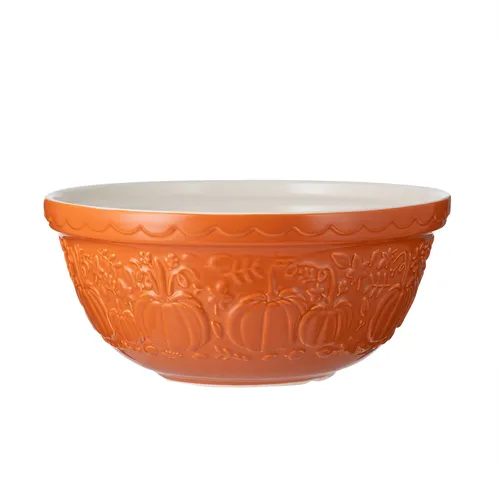
Credit: www.surlatable.com
Size And Design Considerations
Choosing eco-friendly mixing bowls means thinking about their size and design. These factors help you use the bowls well and save space.
Good size and design make your kitchen work easier and keep things organized. They also add style to your green kitchen.
Versatility For Different Recipes
Pick mixing bowls in various sizes to handle many recipes. Small bowls work for spices or dressings. Large bowls are best for dough or salads.
Bowls with wide tops allow easy mixing. Deep bowls help avoid spills. Look for designs that suit your cooking style.
- Small (1-2 cups) for sauces and toppings
- Medium (3-5 cups) for batters and mixes
- Large (6+ cups) for big recipes and dough
Stackability And Storage
Choose bowls that stack neatly to save space. Stackable bowls help keep your kitchen tidy and reduce clutter.
Look for bowls that fit inside each other well. This design helps when you store many bowls at once.
- Bowls with flat rims stack better
- Lightweight materials make stacking easier
- Non-slip bases keep stacked bowls stable
Aesthetic Appeal In Green Kitchens
Eco-friendly bowls often have natural colors and textures. These look great in kitchens with plants and wood accents.
Choose designs that match your kitchen style. Simple, clean lines create a calm and fresh look.
- Earth tones blend well with natural decor
- Matte finishes add a soft, natural feel
- Handmade or recycled materials add charm
Maintenance And Care Tips
Eco-friendly mixing bowls need special care to last long. Proper maintenance keeps them safe and clean.
Using the right cleaning methods and avoiding harsh chemicals help protect the materials.
Cleaning Methods For Eco Materials
Clean eco-friendly bowls with gentle methods. Avoid harsh scrubbing that can damage the surface.
Use warm water and mild soap to wash the bowls. Rinse well to remove all soap residue.
- Use a soft sponge or cloth
- Wash by hand instead of dishwasher
- Dry bowls with a soft towel
Avoiding Harmful Chemicals
Do not use bleach or strong cleaners on eco materials. These can break down natural fibers or coatings.
Choose natural cleaning products like vinegar or baking soda. These are safe and effective for eco bowls.
- Skip bleach and ammonia-based cleaners
- Use mild dish soap or plant-based cleaners
- Test new cleaners on a small spot first
Extending Bowl Lifespan
Store mixing bowls in a dry place to avoid moisture damage. Keep them away from direct sunlight.
Avoid sudden temperature changes to prevent cracking. Handle bowls gently during use and cleaning.
- Store bowls stacked with padding between
- Keep away from heat sources
- Do not use metal utensils that scratch
Where To Buy Eco-friendly Bowls
Choosing eco-friendly mixing bowls is a great way to reduce waste. You can find these bowls in many places that focus on sustainability.
Look for stores and markets that offer products made from recycled or natural materials. This helps support the environment and local businesses.
Local Sustainable Stores
Local stores often sell eco-friendly kitchen products. These shops focus on sustainable goods and support the community.
You can find bowls made from bamboo, recycled glass, or natural wood. Visiting these stores lets you see the product before buying.
- Check farmers markets or craft fairs
- Visit eco-friendly home goods stores
- Ask about the materials and production process
Online Eco Marketplaces
Many websites specialize in eco-friendly products. These online marketplaces offer a wide variety of mixing bowls made from safe materials.
Shopping online gives you access to customer reviews and detailed product descriptions. You can compare prices and find the best fit for your kitchen.
- Search for bowls made from bamboo or recycled plastic
- Look for certifications like organic or fair trade
- Read customer feedback before purchasing
Secondhand And Upcycled Options
Buying secondhand bowls reduces waste and saves resources. You can find used bowls that are still in good condition.
Upcycled bowls are made by transforming old materials into new products. These options are often unique and eco-friendly.
- Visit thrift stores or flea markets
- Check online resale platforms
- Look for handmade upcycled bowls
Frequently Asked Questions
What Materials Make Mixing Bowls Eco-friendly?
Eco-friendly mixing bowls are often made from bamboo, recycled glass, stainless steel, or silicone. These materials are sustainable, durable, and non-toxic, reducing environmental impact. Avoid plastic bowls that contain harmful chemicals and are less biodegradable. Choosing natural or recycled materials promotes sustainability and safe food preparation.
How To Identify Sustainable Mixing Bowl Brands?
Look for brands that use recycled or renewable materials and practice ethical manufacturing. Certifications like FSC or BPA-free labels indicate eco-friendliness. Also, check if the brand supports environmental causes or offers product recycling programs. Transparency in sourcing and production is key to selecting sustainable mixing bowls.
Are Eco-friendly Mixing Bowls Safe For Food Use?
Yes, eco-friendly mixing bowls made from natural or BPA-free materials are safe for food. They do not leach harmful chemicals into your food. Always verify the product’s food safety certifications to ensure they meet health standards. Proper care also extends their safe usability.
Can Eco-friendly Mixing Bowls Withstand Heat?
Many eco-friendly mixing bowls, especially those made from stainless steel or silicone, are heat-resistant. Bamboo bowls may not withstand high heat and are better for cold or room temperature mixing. Check product specifications for heat tolerance before use to ensure safety and durability.
Conclusion
Choosing eco-friendly mixing bowls helps protect our planet. Materials like bamboo, stainless steel, and recycled glass work well. They last long and reduce waste. Think about size, weight, and ease of cleaning. Affordable options exist for every budget. Small changes in the kitchen make a big difference.
Start with one bowl and build your collection. Enjoy cooking while caring for the environment. It’s simple and good for future generations.