
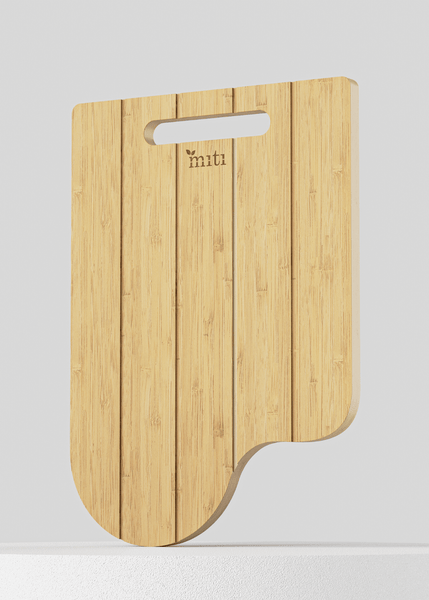
If you love cooking, you know how important a good cutting board is. Bamboo cutting boards are popular because they are sturdy, eco-friendly, and easy on your knives.
But are you really getting the most out of yours? Using your bamboo cutting board the right way can save you time, keep your kitchen cleaner, and make your food prep safer. You’ll discover simple tips that help you use your bamboo cutting board efficiently every day.
Keep reading to unlock the secrets to making your kitchen work smarter, not harder.
Choosing The Right Bamboo Board
Bamboo cutting boards are popular for their durability and eco-friendliness. It’s important to choose the right board for your kitchen needs.
Consider the type, size, and environmental benefits when selecting a bamboo board. Let’s explore these factors further.
Types Of Bamboo Boards
There are different types of bamboo cutting boards. Each type serves a unique purpose in the kitchen.
- Flat bamboo boards are ideal for chopping vegetables.
- Grooved boards collect juices from meats.
- Reversible boards offer two surfaces for different tasks.
Size And Thickness Considerations
The size and thickness of a bamboo board affect its functionality. Choose based on your kitchen space and chopping needs.
- Small boards are easy to store and clean.
- Large boards provide more space for chopping.
- Thicker boards are more durable.
Eco-friendly Benefits
Bamboo is a sustainable resource. It grows quickly and doesn’t require pesticides.
Using bamboo boards helps reduce your environmental footprint. They are a great choice for eco-conscious kitchens.
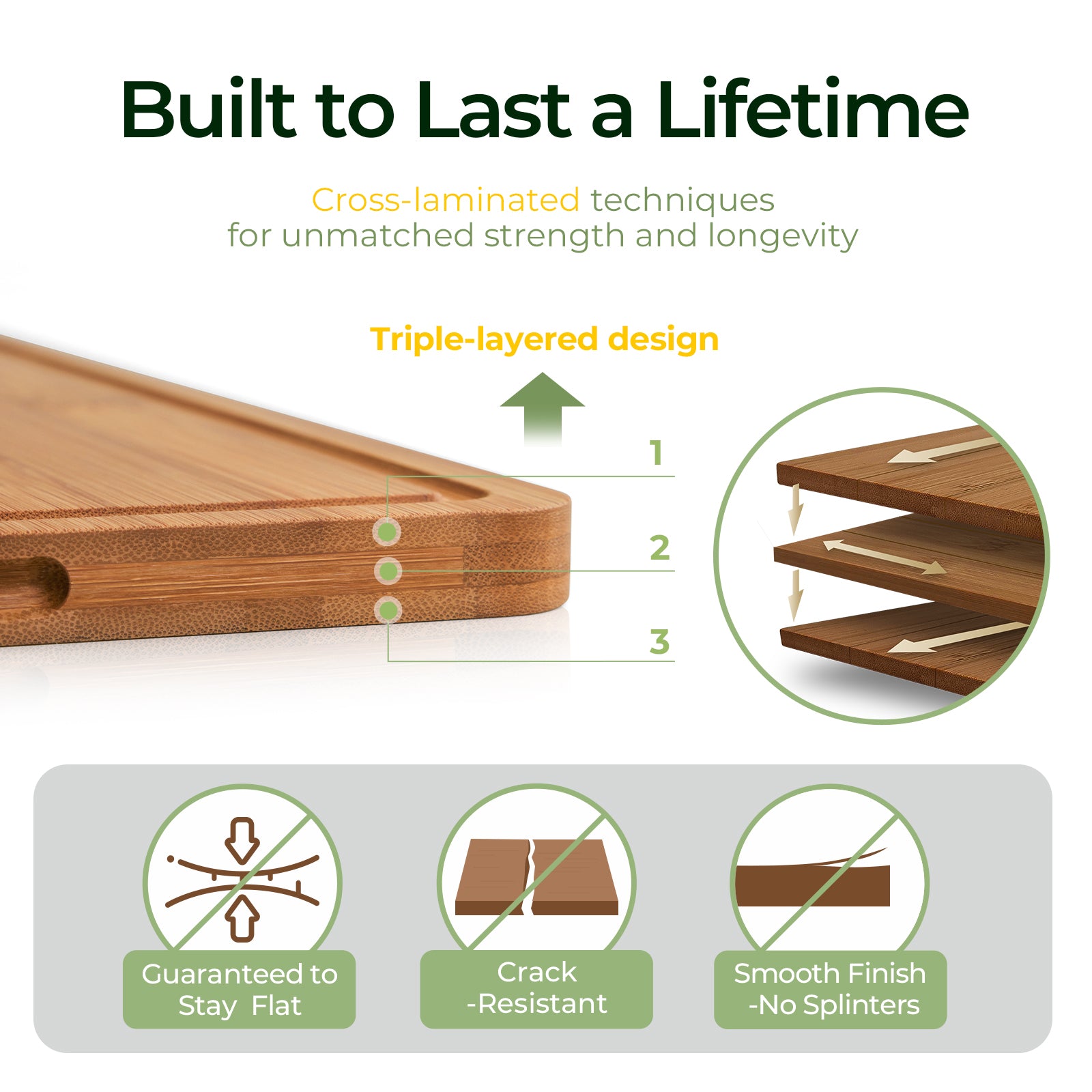
Credit: www.keecheehome.com
Preparing Your Bamboo Board
Preparing your bamboo cutting board helps keep it clean and strong. Proper care makes it last longer.
Start with the right cleaning and seasoning before you use the board for food.
Initial Cleaning Steps
Wash the bamboo board with warm water and mild soap. Use a soft sponge to remove dirt.
Do not soak the board in water. Dry it quickly with a clean towel to stop warping.
- Rinse with warm water after washing
- Wipe with a dry cloth immediately
- Keep away from dishwasher use
- Clean both sides of the board
Seasoning For Longevity
Apply food-safe mineral oil to your bamboo board to keep it from drying out. This protects the wood.
Rub the oil evenly on all surfaces. Let it soak in for a few hours or overnight.
- Use a clean, soft cloth for oiling
- Apply oil once a month or as needed
- Wipe off excess oil after soaking
- Do not use vegetable or olive oil
Daily Use Tips
Bamboo cutting boards are strong and last a long time. You can keep them in good shape with simple daily care.
Using the right techniques helps protect your bamboo board and keeps your food safe.
Cutting Techniques To Protect The Surface
Use sharp knives to cut on bamboo boards. Dull knives press harder and can damage the surface.
Cut with a gentle rocking motion instead of chopping straight down. This reduces deep cuts and scratches.
- Avoid cutting with cleavers or heavy knives
- Use smooth, even strokes when cutting
- Turn the board often to spread wear
Avoiding Cross-contamination
Keep raw and cooked foods separate on your bamboo board. This stops bacteria from spreading.
Clean the board well after each use, especially after raw meat or fish.
- Use different boards for meat and vegetables if possible
- Wash the board with hot water and mild soap
- Dry the board completely before storing
Handling Different Food Types
Bamboo boards can handle many foods but some need special care. Acidic foods can change the board’s color.
Wipe the board quickly after cutting fruits like lemons or tomatoes to avoid stains.
- Use a separate area for strong-smelling foods
- Clean sticky or oily residues right away
- Apply mineral oil regularly to keep the board smooth
Cleaning And Maintenance
Bamboo cutting boards need regular care to stay strong and clean. Proper cleaning and maintenance help them last longer.
Following simple steps keeps your bamboo board safe from damage and bacteria.
Safe Washing Methods
Wash bamboo boards by hand to avoid cracks and warping. Use warm water and mild soap.
Do not soak your board in water. Avoid putting it in the dishwasher because heat and water damage bamboo.
- Use a soft sponge or cloth for cleaning
- Rinse quickly with warm water
- Dry immediately after washing
- Do not use harsh chemicals or bleach
Drying Best Practices
Always dry your bamboo cutting board right after washing. Leaving it wet can cause cracks and mold.
Stand the board upright or lean it against a surface to air dry both sides fully.
- Use a clean towel to remove excess water
- Place in a well-ventilated area
- Avoid stacking boards while damp
- Keep away from direct sunlight or heat sources
Dealing With Stains And Odors
Remove stains and odors using natural ingredients like lemon and baking soda. These are safe and gentle on bamboo.
Rub lemon juice on the board, then sprinkle baking soda. Let it sit for a few minutes before rinsing.
- Use coarse salt and lemon to scrub tough stains
- Rinse with warm water after treatment
- Repeat if odors persist
- Avoid strong chemicals that can damage bamboo
Periodic Care And Repair
Bamboo cutting boards need regular care to last long and stay safe. Proper maintenance keeps the board strong and clean.
Small repairs help fix damage early. This stops problems from getting worse over time.
Oiling For Moisture Retention
Oiling your bamboo board keeps it from drying out and cracking. Use food-safe mineral oil or bamboo oil for the best results.
Apply oil once a month or when the board looks dry. Rub a thin layer on all surfaces. Let it soak for a few hours before wiping off excess.
- Keeps bamboo strong and flexible
- Prevents water from soaking in
- Reduces warping and splitting
Sanding Minor Scratches
Minor scratches can be smoothed with fine sandpaper. Sanding fixes rough spots and removes small cuts safely.
Use light pressure and sand with the grain of the bamboo. After sanding, clean the board and apply oil to restore moisture.
- Use 220-grit sandpaper for best results
- Smooth scratches without damaging the board
- Keep sanding areas even and clean
When To Replace Your Board
Replace the bamboo board if deep cracks or large splits appear. These can harbor bacteria and make the board unsafe.
If the board warps badly or smells bad even after cleaning, it is time to get a new one. Safety and hygiene come first.
- Deep cracks or splits
- Severe warping
- Persistent bad odor
- Surface worn down beyond sanding

Credit: www.keecheehome.com
Storage Tips
Bamboo cutting boards are strong and last a long time. Proper storage keeps them clean and safe.
Storing boards the right way stops damage and helps them dry well after use.
Proper Placement
Keep bamboo boards in a dry, cool place away from direct sunlight. Sun can fade and dry the wood too much.
Store boards upright or flat, but make sure air can move around them. Avoid stacking boards tightly.
- Place boards on a shelf or in a cabinet with good airflow
- Use a stand or rack to hold boards upright
- Do not keep boards near heat sources like stoves or ovens
Avoiding Moisture Build-up
Moisture can cause bamboo boards to warp or grow mold. Always dry boards fully before storing.
Do not leave boards in damp places or inside a closed container without airflow.
- Wipe boards dry with a towel after washing
- Let boards air dry standing up or on a rack
- Do not soak boards in water or put them in the dishwasher
- Check boards regularly for signs of mold or cracks
Common Mistakes To Avoid
Bamboo cutting boards are great for kitchen use. But using them wrong can damage them fast.
Learn about common mistakes to keep your bamboo board strong and long-lasting.
Using Harsh Chemicals
Harsh chemicals can ruin the surface of bamboo boards. They strip natural oils and cause cracks.
Use mild soap and warm water instead. Avoid bleach or strong cleaners.
- Do not use bleach or ammonia
- Avoid abrasive cleaning pads
- Stick to gentle dish soap
- Rinse well after washing
Soaking In Water
Soaking bamboo boards in water can cause swelling and warping. Bamboo absorbs water quickly.
Do not leave your board in water. Wash and dry it immediately after use.
- Never soak your board
- Dry with a towel after washing
- Stand board upright to air dry
Cutting On Both Sides Excessively
Cutting on both sides too often wears the board unevenly. It can cause warping or cracks.
Use one side mostly and flip only when needed. This keeps your board flat and strong.
- Choose one side for cutting
- Flip board only to clean
- Rotate board to spread wear

Credit: www.listful.com
Frequently Asked Questions
How Do I Clean Bamboo Cutting Boards Properly?
Clean bamboo boards with warm water and mild soap immediately after use. Avoid soaking them in water to prevent warping. Dry thoroughly with a towel and let air dry standing upright. Regular oiling keeps the board hydrated and extends its life.
Are Bamboo Cutting Boards Knife-friendly?
Yes, bamboo boards are gentle on knives. They provide a firm yet smooth surface that helps maintain sharp edges. Avoid cutting on overly hard surfaces to prevent dulling blades. Bamboo’s natural grain also resists deep cuts and grooves.
Can Bamboo Cutting Boards Be Used For Raw Meat?
Yes, but always sanitize bamboo boards after cutting raw meat. Use hot water, soap, and a mild bleach solution or vinegar for disinfection. Avoid cross-contamination by using separate boards for meat and vegetables to maintain food safety.
How Often Should I Oil My Bamboo Cutting Board?
Oil your bamboo board every 1 to 2 months or when it looks dry. Use food-grade mineral oil or bamboo-specific oil. Regular oiling prevents cracking, warping, and keeps the surface smooth for efficient cutting.
Conclusion
Bamboo cutting boards last longer with proper care. Clean them gently after each use. Dry boards well to stop cracks and warping. Use both sides to avoid deep cuts. Store in a dry place away from heat. These small steps keep your board safe and fresh.
Enjoy cooking with a strong, natural board every day. Simple habits make a big difference over time. Your bamboo board will stay useful and good-looking. Keep these tips in mind for best results.