
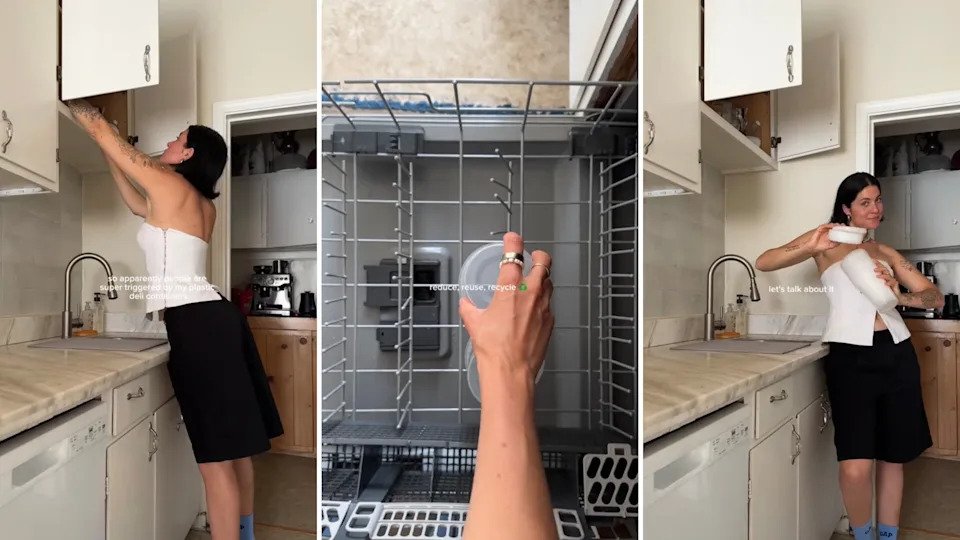
Are you tired of seeing plastic waste pile up in your kitchen? Reducing plastic use might seem hard, but it doesn’t have to be.
Imagine cutting down your kitchen plastic with simple, smart changes that save you money and help the planet. You’ll discover easy steps you can start using right now to make your kitchen greener and cleaner. Ready to take control and make a real difference?
Keep reading to find out how.
Credit: www.nytimes.com
Cut Single-use Plastics
Single-use plastics fill our kitchens and harm our planet. Reducing them helps the environment and saves money.
Simple changes can make a big difference. Start with easy swaps and see the impact.
Swap Plastic Bags For Reusables
Plastic bags are used once and then thrown away. Choose reusable bags to cut waste.
Cloth or mesh bags are strong and last a long time. Keep them handy for shopping trips.
- Use cloth bags for groceries
- Try mesh bags for fruits and veggies
- Store bags in your car or near the door
Choose Bulk Buying Over Packaged Goods
Packaged goods use lots of plastic. Buying in bulk reduces packaging waste and saves money.
Bring your own containers to fill with grains, pasta, or snacks. Some stores have bulk sections for these items.
- Look for bulk sections in your grocery store
- Bring jars or containers for bulk items
- Check local markets for bulk options
Switch To Sustainable Storage
Using less plastic in the kitchen helps the environment. Switching to sustainable storage is a smart way to cut plastic use.
Choosing the right containers and wraps can reduce waste and keep food fresh without harmful plastics.
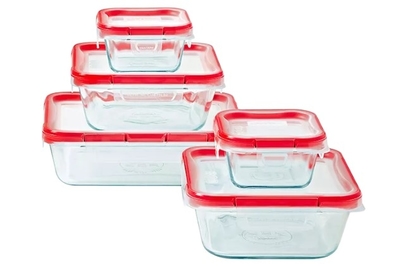
Use Glass And Metal Containers
Glass and metal containers last longer than plastic. They do not absorb smells or stains from food.
These containers are safe for the fridge, freezer, and microwave. They keep food fresh and are easy to clean.
- Glass containers are clear and let you see food inside
- Metal containers are strong and good for travel
- Both can be recycled easily at the end of use
Opt For Beeswax Wraps Instead Of Cling Film
Beeswax wraps are a natural alternative to plastic cling film. They are reusable and biodegradable.
You can wrap sandwiches, fruits, or cover bowls with beeswax wraps. They keep food fresh and reduce plastic waste.
- Wrap food with warm hands to seal the wrap
- Use wraps many times before composting
- Choose wraps made with organic cotton and beeswax
Rethink Food Preparation
Reducing plastic use in the kitchen starts with how you prepare food. Small changes help cut down plastic waste.
Choosing safer, reusable tools makes your kitchen greener and healthier.
Use Wooden And Silicone Utensils
Wooden utensils are durable and do not release harmful chemicals. They are easy to clean and last long.
Silicone tools resist heat and do not melt like plastic. They come in many shapes and colors for different tasks.
- Wooden spoons and spatulas are safe for non-stick pans
- Silicone whisks and scrapers handle heat well
- Both materials reduce single-use plastic waste
Avoid Plastic Cutting Boards
Plastic boards can get scratched and hold bacteria. This makes them less safe for food prep.
Wood or bamboo cutting boards are better choices. They are natural and easier to keep clean.
- Wood boards heal small cuts over time
- Bamboo boards are light and fast drying
- Both reduce plastic use and improve kitchen hygiene
Adopt Eco-friendly Cleaning
Reducing plastic use in the kitchen helps protect the environment. Eco-friendly cleaning is a simple way to cut plastic waste.
Switch to natural and refillable cleaning products. This change lowers plastic consumption and keeps your kitchen green.
Replace Plastic Sponges With Natural Alternatives
Plastic sponges break down into tiny pieces that pollute water. Natural sponges or brushes last longer and are safer for nature.
Look for sponges made from materials like cellulose, coconut fiber, or loofah. These options clean well and decompose naturally.
- Cellulose sponges absorb water and scrub gently
- Coconut fiber sponges resist mold and dry fast
- Loofah sponges are plant-based and biodegradable
- Wooden or bamboo brushes clean pots without plastic
Choose Refillable Cleaning Bottles
Many cleaning sprays come in single-use plastic bottles. Refillable bottles reduce plastic waste and save money over time.
Use glass or sturdy plastic bottles you can refill with bulk cleaning solutions. Label each bottle to avoid confusion.
- Buy cleaning products in bulk to refill bottles
- Reuse spray bottles made from durable materials
- Label bottles with the contents and date
- Clean bottles regularly to avoid buildup
Shop Smart And Support Brands
Reducing plastic use in the kitchen starts with smart shopping choices. Choosing the right brands helps lower plastic waste.
Supporting brands that care about the environment encourages more eco-friendly products. It also helps build a market for plastic-free options.
Look For Plastic-free Packaging
Pick products that come without plastic packaging. Look for items wrapped in paper, glass, or metal instead of plastic.
Plastic-free packaging breaks down easier and harms the environment less. It also makes recycling simpler and more effective.
- Choose loose fruits and vegetables
- Buy items in glass jars or metal tins
- Avoid single-use plastic bags or wraps
- Look for brands using compostable materials
Support Local And Zero-waste Stores
Local shops often offer products with less plastic. They may sell items in bulk or use refill stations to reduce waste.
Zero-waste stores focus on products without plastic packaging. They encourage customers to bring their own containers and bags.
- Bring reusable bags and jars for shopping
- Buy bulk dry goods like rice, beans, and flour
- Choose fresh produce without plastic wrap
- Ask staff about plastic-free options
:max_bytes(150000):strip_icc()/sea-meal-prep-containers-muzzi-madeline-01-b7e01c1a6e1e42499935b50e98e07788.jpeg)
Credit: www.seriouseats.com
Manage Waste Effectively
Reducing plastic use in the kitchen starts with managing waste well. Good waste habits help lower plastic pollution.
Sorting waste and using the right bins can make a big difference. It also helps keep your kitchen clean and organized.
Set Up A Compost Bin
A compost bin turns food scraps into useful soil. This lowers the amount of plastic bags used for trash.
Place a small bin in your kitchen for vegetable peels, fruit skins, and coffee grounds. Empty it into an outdoor compost pile or bin often.
- Use a bin with a lid to reduce odors
- Keep paper towels and napkins in the compost
- Avoid putting meat or dairy in the compost
- Turn compost regularly to help it break down
Recycle Properly And Regularly
Recycling plastic helps reduce new plastic production. Sort plastics by type and clean them before recycling.
Check local recycling rules to know what plastics are accepted. Take out recycling often to prevent overflow and pests.
- Rinse containers to remove food residue
- Flatten bottles and boxes to save space
- Do not include plastic bags unless your center accepts them
- Use separate bins for plastics, paper, and metals

Credit: www.cnn.com
Frequently Asked Questions
What Are Simple Ways To Reduce Plastic In The Kitchen?
Start by using reusable containers and cloth bags. Avoid single-use plastics like wrap and straws. Choose glass, metal, or bamboo alternatives. Compost food waste to minimize plastic bin liners. These small changes collectively reduce plastic use efficiently.
How Can I Replace Plastic Wrap In My Kitchen?
Use beeswax wraps or silicone lids instead of plastic wrap. These options are reusable, eco-friendly, and keep food fresh. Cloth covers or glass containers with airtight seals also work well. They reduce plastic waste significantly while maintaining food quality.
Which Kitchen Items Have Plastic Alternatives?
Many kitchen items like cutting boards, utensils, and storage containers have alternatives. Choose wood, bamboo, glass, or stainless steel versions. These materials are durable, safe, and eco-friendly. Switching helps reduce plastic pollution and promotes a sustainable kitchen.
How To Avoid Plastic Packaging When Grocery Shopping?
Bring your own reusable bags, mesh produce bags, and containers. Buy in bulk to reduce packaging waste. Choose fresh, unpackaged fruits and vegetables when possible. Shopping this way cuts down plastic use and supports eco-conscious habits.
Conclusion
Reducing plastic use in your kitchen helps protect the environment. Simple changes make a big difference over time. Use reusable bags, containers, and wraps instead of plastic. Choose products with less packaging whenever possible. Small steps add up to a cleaner, safer home.
Everyone can join in and create less waste. Start today, and watch your kitchen become greener. It’s easier than you think to live plastic-free.