

Are you ready to make a simple change that can help protect the planet and keep your kitchen clean? Using eco-friendly dish brushes is an easy way to reduce waste and avoid harmful plastics.
But to get the best results, you need to use them the right way. You’ll discover practical tips that will make your eco-friendly dish brush last longer, clean better, and keep your dishes sparkling. Keep reading to learn how small habits can make a big difference—for your home and the environment.
Credit: www.theguardian.com
Choosing The Right Eco Brush
Eco-friendly dish brushes help the environment. Choosing the right one can make a big difference. Look for brushes that are sustainable and effective.
It’s important to select a brush that fits your needs. Here are some tips to help you choose the best eco-friendly dish brush.
Materials To Look For
Eco-friendly brushes come in different materials. Some materials are better for the planet. Choose brushes made from natural fibers and sustainable sources.
- Bamboo handles are strong and biodegradable.
- Sisal bristles come from the agave plant.
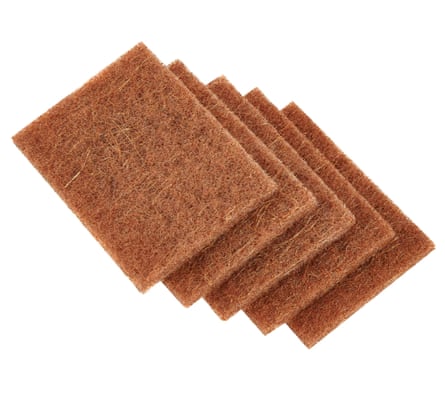
- Coconut fibers are natural and durable.
Avoiding Harmful Plastics
Many dish brushes use plastic. Plastic can harm the environment. Look for brushes without harmful plastics.
- Avoid brushes with synthetic bristles.
- Check for BPA-free labels on packaging.
- Choose brushes with compostable parts.
Brands With Sustainable Practices
Some brands focus on sustainability. These brands offer eco-friendly dish brushes. Choose brands that care for the environment.
Look for companies that use recycled materials. They should also have fair labor practices. This supports ethical production.
Maximizing Brush Longevity
Eco-friendly dish brushes can last a long time with the right care. Taking simple steps helps keep your brush clean and strong.
Proper care saves money and reduces waste by extending the life of your brush.
Proper Cleaning Techniques
Cleaning your dish brush after use removes food and bacteria. This keeps it fresh and safe to use.
Rinse the brush well with hot water. Remove stuck bits by rubbing the bristles with your fingers.
- Use mild soap to wash the bristles gently
- Avoid harsh chemicals that damage natural fibers
- Shake off excess water after rinsing
Storage Tips To Prevent Damage
Store your eco-friendly brush in a dry place. Wet brushes can grow mold and weaken the handle.
Keep the bristles facing down or hang the brush to help it dry fully.
- Use a brush holder with good air flow
- Avoid leaving the brush in the sink or water
- Keep away from direct sunlight to prevent cracking
When To Replace Your Brush
Replacing your brush at the right time keeps cleaning effective. Old brushes lose their strength and can harbor germs.
Look for signs like frayed bristles or a loose handle. If the brush smells bad even after cleaning, it is time to get a new one.
- Bristles bent or broken
- Handle cracks or splinters
- Persistent bad odor
- Brush feels soft and less effective
Eco-friendly Cleaning Methods
Using eco-friendly dish brushes helps protect the environment. These brushes are made from natural materials that break down easily.
Eco-friendly cleaning methods reduce waste and use less harmful chemicals. They keep your home clean and safe for nature.
Using Natural Cleaning Agents
Natural cleaning agents are safe and effective. They do not contain harsh chemicals that harm the environment or your health.
Common natural agents include vinegar, baking soda, and lemon juice. These ingredients clean dishes without pollution.
- Vinegar removes grease and kills bacteria
- Baking soda scrubs away stains gently
- Lemon juice cuts through grime and adds freshness
Reducing Water Waste
Saving water while washing dishes helps conserve this precious resource. Use just enough water to rinse and clean.
Turn off the tap when scrubbing with your eco-friendly brush. Use a basin or bowl to soak dishes instead of running water.
- Fill a basin for washing and rinsing
- Turn off water when scrubbing dishes
- Use water-saving faucets or aerators
Combining With Composting Practices
Composting food scraps reduces trash and creates natural fertilizer. Use your eco-friendly brush to clean dishes before composting leftovers.
Brush off food bits into the compost bin. This helps reduce waste and supports healthy soil for plants.
- Scrape leftover food into compost
- Use brush to clean off stuck bits
- Keep compost free of plastic and chemicals

Credit: www.amazon.com
Disposal And Recycling
Eco-friendly dish brushes reduce waste and help the planet. Proper disposal and recycling keep them out of landfills.
Knowing how to dispose of or recycle parts of these brushes is important. This guide covers composting, recycling, and upcycling tips.
Composting Biodegradable Brushes
Brushes made from natural materials can be composted. This includes handles and bristles made of wood, bamboo, or plant fibers.
Cut the brush into smaller pieces to help it break down faster. Avoid composting brushes with synthetic bristles or plastic parts.
Recycling Options For Handles
Handles made from plastic or metal can often be recycled. Check local recycling rules before discarding to ensure proper sorting.
Remove any non-recyclable parts like bristles or rubber grips. Clean the handle before placing it in the recycling bin.
- Separate metal handles from plastic ones
- Check if your city accepts small plastic items
- Drop off metal handles at scrap recycling centers
Upcycling Ideas
Old dish brushes can be repurposed to reduce waste. Upcycling saves resources and gives brushes a new life.
- Use old brushes for cleaning shoes or grills
- Turn handles into plant markers in the garden
- Create small scrubbing tools for crafts or hobbies
Benefits Of Sustainable Dish Brushes
Eco-friendly dish brushes are made from natural materials. They help reduce plastic waste in landfills and oceans.
Using sustainable brushes supports a cleaner environment and healthier homes. They last longer and work well for cleaning.
Environmental Impact
Sustainable dish brushes break down faster than plastic ones. They come from renewable sources like wood and plant fibers.
These brushes reduce pollution and help protect wildlife. They use less energy to produce, lowering carbon emissions.
- Made from biodegradable materials
- Reduce plastic pollution
- Lower carbon footprint during production
- Support renewable resource use
Health Advantages
Sustainable brushes avoid harmful chemicals found in some plastics. They do not release toxins into your dishes or water.
Natural fibers resist bacteria growth better than plastic bristles. This helps keep your kitchen cleaner and safer.
- No toxic chemicals in materials
- Less bacteria build-up on brushes
- Safer for sensitive skin
- Reduces risk of allergic reactions
Cost Savings Over Time
Sustainable dish brushes often last longer than cheap plastic ones. They do not break or wear out quickly.
Buying a durable brush means fewer replacements. This saves money over months or years of use.
- Longer lifespan than plastic brushes
- Less frequent replacements needed
- Good value for money spent
- Supports a budget-friendly cleaning routine

Credit: www.amazon.ca
Frequently Asked Questions
What Are The Benefits Of Using Eco-friendly Dish Brushes?
Eco-friendly dish brushes reduce plastic waste and use sustainable materials. They are biodegradable, durable, and safe for the environment. Using them helps lower your carbon footprint and supports eco-conscious living. They clean effectively without harming nature.
How Do I Properly Clean An Eco-friendly Dish Brush?
Rinse the brush thoroughly after each use to remove food particles. Allow it to air dry completely to prevent mold. Occasionally soak it in vinegar for deeper cleaning. Proper care extends the brush’s lifespan and keeps it hygienic.
Can Eco-friendly Dish Brushes Handle Tough Grease And Grime?
Yes, eco-friendly brushes with natural bristles are effective against tough grease. Their sturdy design and materials help scrub dishes thoroughly. Choose brushes with firm bristles for heavy-duty cleaning. They provide a natural alternative to synthetic scrubbers.
How Often Should I Replace My Eco-friendly Dish Brush?
Replace your eco-friendly dish brush every 2 to 3 months. Signs to replace include worn bristles or persistent odors. Regular replacement ensures optimal cleaning and hygiene. Proper maintenance can extend its useful life.
Conclusion
Choosing eco-friendly dish brushes helps protect the planet. These brushes last longer and reduce waste. They clean dishes well without harming the environment. Small changes like this make a big difference. Using natural materials supports sustainable living. Try these tips to keep your kitchen green.
Every effort counts toward a cleaner Earth. Simple swaps can lead to a healthier home. Make eco-friendly choices part of your daily routine. Caring for the environment starts with small steps.