
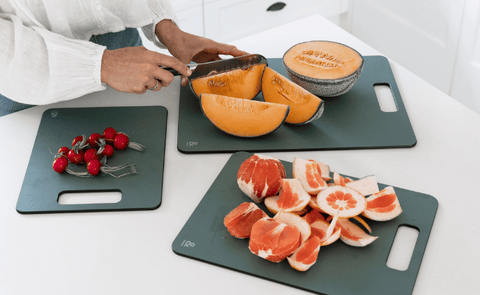
Are you ready to make a simple change in your kitchen that benefits both your health and the planet? Choosing an eco-friendly chopping board is a great start, but knowing how to use and care for it properly makes all the difference.
You’ll discover easy tips that help your chopping board last longer, stay cleaner, and reduce waste. By following these smart tricks, you’ll feel good about every meal you prepare. Keep reading to unlock the secrets to getting the most out of your eco-friendly chopping board!
Choosing The Right Material
Eco-friendly chopping boards are great for the planet. Picking the right material can help the environment and your kitchen.
Consider materials that are sustainable and durable. Here are some options to explore.
Bamboo Vs. Wood
Bamboo is a popular choice for eco-friendly chopping boards. It grows quickly and is renewable. Wood boards, like maple or walnut, are durable and long-lasting.
- Bamboo is lighter and less expensive.
- Wood is strong and can last many years.
- Both are biodegradable and safe for the environment.
Recycled Plastic Options
Recycled plastic boards are another eco-friendly choice. They use waste materials, reducing plastic pollution.
These boards are easy to clean and resistant to stains. They are perfect for those who want durable and green options.
Benefits Of Sustainable Materials
Using sustainable materials helps protect the environment. They reduce waste and conserve natural resources.
- Sustainable materials are often biodegradable.
- They support eco-friendly practices.
- Choosing them can inspire others to go green too.

Credit: www.mychemicalfreehouse.net
Cleaning And Maintenance Tips
Eco-friendly chopping boards need special care to last long. Proper cleaning and maintenance keep them safe and strong.
Using gentle methods helps avoid damage and keeps the board natural. Learn easy ways to clean and dry your board.
Natural Cleaning Solutions
Use natural items like vinegar and lemon to clean your board. These help remove stains and kill germs without harm.
Mix water with vinegar or lemon juice for a simple cleaning liquid. Rub it on the board and rinse well with water.
- White vinegar kills bacteria naturally
- Lemon juice removes odors and stains
- Baking soda works as a gentle scrub
Avoiding Harsh Chemicals
Harsh chemicals can damage eco-friendly boards. They may dry out or crack the wood and harm the environment.
Do not use bleach, strong detergents, or abrasive cleaners. These break down the board’s surface and reduce its life.
- Skip bleach and ammonia-based cleaners
- Use mild soap instead of harsh detergents
- Avoid steel wool or rough scrubbers
Proper Drying Techniques
Drying your chopping board correctly stops mold and warping. Wet boards are weak and can crack easily.
After washing, wipe the board with a dry cloth. Stand it upright or lean it to air dry fully on all sides.
- Use a clean towel to remove excess water
- Keep the board standing to let air flow
- Do not leave the board soaking in water
Extending Lifespan
Eco-friendly chopping boards last longer with proper care. Taking simple steps helps keep them strong and safe.
Good maintenance keeps the wood healthy and stops damage. This saves money and reduces waste.
Regular Oiling
Oiling your chopping board keeps the wood from drying out. It stops cracks and warping over time.
Use food-safe oils like mineral oil or beeswax. Apply oil once a month or when the board looks dry.
- Clean the board before oiling
- Use a soft cloth to spread oil evenly
- Let it soak in for a few hours
- Wipe off any extra oil
Avoiding Excess Moisture
Too much water can damage eco-friendly boards. It causes the wood to swell and split.
Do not soak the board or put it in a dishwasher. Dry it quickly after washing to keep it safe.
- Wash with warm, soapy water
- Rinse and dry immediately
- Store in a dry, upright place
- Avoid leaving it in damp areas
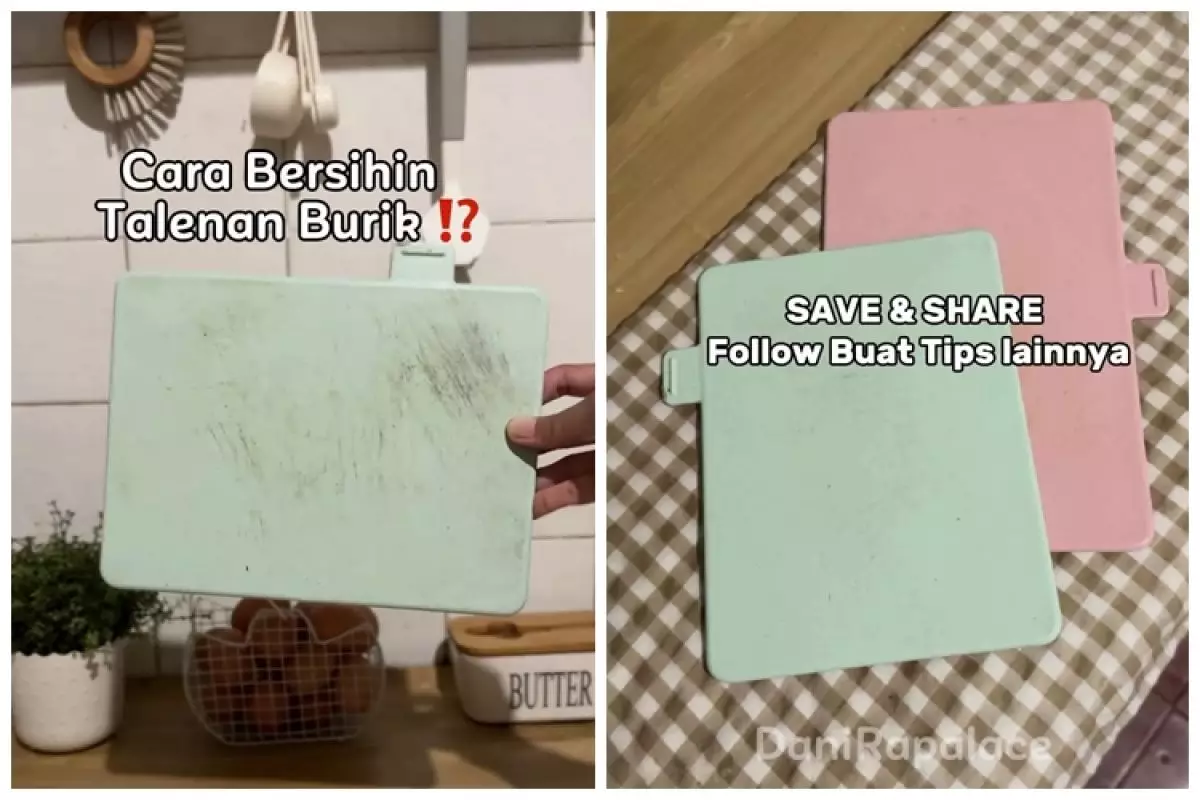
Preventing Deep Cuts
Deep cuts can trap bacteria and weaken the board. Use sharp knives and cut gently to avoid damage.
If deep cuts appear, sand the board lightly. This smooths the surface and removes grooves where germs hide.
- Use sharp knives to reduce pressure
- Cut on different areas to spread wear
- Sand rough spots with fine sandpaper
- Re-oil after sanding
Credit: en.brilio.net
Safe Food Handling Practices
Using eco-friendly chopping boards helps protect the environment. It is important to keep food safe while using them.
Following simple food handling rules can stop germs from spreading. This keeps your meals healthy and clean.
Separate Boards For Different Foods
Use different boards for meat, vegetables, and fruits. This stops germs from moving between foods.
Label or color-code your boards to remember which one to use. This makes food prep safer and easier.
- Red board for raw meat
- Green board for vegetables
- Yellow board for cooked food
Preventing Cross-contamination
Cross-contamination happens when germs spread from one food to another. Avoid this by cleaning hands before handling food.
Do not use the same knife or board for raw and cooked food without washing them first. This stops harmful bacteria.
- Wash hands before and after food prep
- Use different utensils for raw and cooked foods
- Keep raw meat away from other foods
Sanitizing After Use
Clean your eco-friendly chopping boards right after use. This removes bacteria and keeps boards safe for next use.
Use hot, soapy water and rinse well. Dry boards fully to stop germs from growing.
- Wash boards with dish soap and hot water
- Rinse thoroughly to remove soap
- Air dry boards in a clean place
- Occasionally use vinegar or baking soda to sanitize
Eco-friendly Disposal And Recycling
Eco-friendly chopping boards help reduce waste in kitchens. Proper disposal and recycling keep the environment safe.
Choosing the right way to dispose of old boards can lower landfill waste. Let’s explore some good options.
Repurposing Old Boards
Old chopping boards can get a new life with simple reuse ideas. This saves money and reduces waste.
You can turn boards into cutting mats, serving trays, or craft bases. Sand and clean them well before reuse.
- Use small pieces as coasters or plant stands
- Create wall art or photo frames
- Make garden markers by painting the wood
Composting Options
Wooden chopping boards can be composted if untreated. They add valuable nutrients to the soil.
Cut the boards into small pieces to help them break down faster. Avoid composting plastic or resin-coated boards.
- Check if the wood is free of chemicals
- Break into smaller bits for quicker composting
- Mix with green waste like leaves and food scraps
Recycling Programs
Some local recycling centers accept chopping boards made from wood or bamboo. Check your area’s rules first.
Plastic boards usually need special recycling. Look for drop-off points that handle kitchen plastics.
- Contact local waste management for accepted materials
- Separate wood and plastic boards before recycling
- Use community recycling events to dispose of old boards
Supporting Sustainable Brands
Choosing eco-friendly chopping boards helps protect the environment. Supporting brands that use sustainable practices makes a big difference.
These brands focus on using natural materials and reducing waste. They care about the planet and future generations.
Certifications To Look For
Certifications show that a chopping board meets eco-friendly standards. They prove the materials and processes are safe for the environment.
Look for labels that show the board is made from sustainable sources or recycled materials. These marks build trust in the brand.
- FSC (Forest Stewardship Council) for responsibly sourced wood
- PEFC (Programme for the Endorsement of Forest Certification)
- Organic or natural material certifications
- Non-toxic and food-safe seals
Local Vs. Imported Products
Local chopping boards often have a smaller carbon footprint. They require less transportation and support nearby businesses.
Imported products may have unique designs or materials. Check how they are made and shipped before buying to ensure eco-friendliness.
- Local boards reduce shipping emissions
- Imported boards may use rare materials
- Supporting local brands helps the community
- Imported goods might have higher environmental costs
Ethical Manufacturing Practices
Ethical manufacturing means fair treatment of workers and safe working conditions. It also means less harm to the environment.
Choose brands that use clean energy and reduce waste. These practices show care for people and the planet.
- Use of renewable energy in factories
- Fair wages and safe workplaces for workers
- Minimal waste and recycling of materials
- Non-toxic finishes and treatments

Credit: miti-life.com
Frequently Asked Questions
What Materials Are Best For Eco-friendly Chopping Boards?
Bamboo and sustainably sourced wood are top eco-friendly materials. They are renewable, durable, and biodegradable. Avoid plastic boards as they harm the environment. These materials also resist bacteria naturally, making them safer for food preparation.
How Do I Clean Eco-friendly Chopping Boards Properly?
Use mild soap and warm water to clean your board. Avoid soaking it to prevent warping. Regularly oil wooden boards with food-safe oil to maintain moisture. Proper cleaning extends board life and keeps it hygienic.
Can Eco-friendly Chopping Boards Be Used For All Foods?
Yes, but use separate boards for raw meat and vegetables. This prevents cross-contamination. Eco-friendly boards made from bamboo or wood are safe for various foods. Proper maintenance ensures they remain hygienic for all uses.
How Long Do Eco-friendly Chopping Boards Typically Last?
With proper care, eco-friendly boards last several years. Regular cleaning and oiling prevent cracking and warping. Their durability depends on material quality and usage frequency. Investing in quality boards reduces waste and replacement needs.
Conclusion
Choosing eco-friendly chopping boards helps protect the environment. They last longer and are safer for your food. Clean them well to avoid bacteria growth. Use different boards for meats and vegetables. Small changes in the kitchen make a big difference.
Start with simple tips and enjoy a greener lifestyle. Caring for your chopping board means caring for the planet. Keep these tips in mind for a healthy kitchen.