
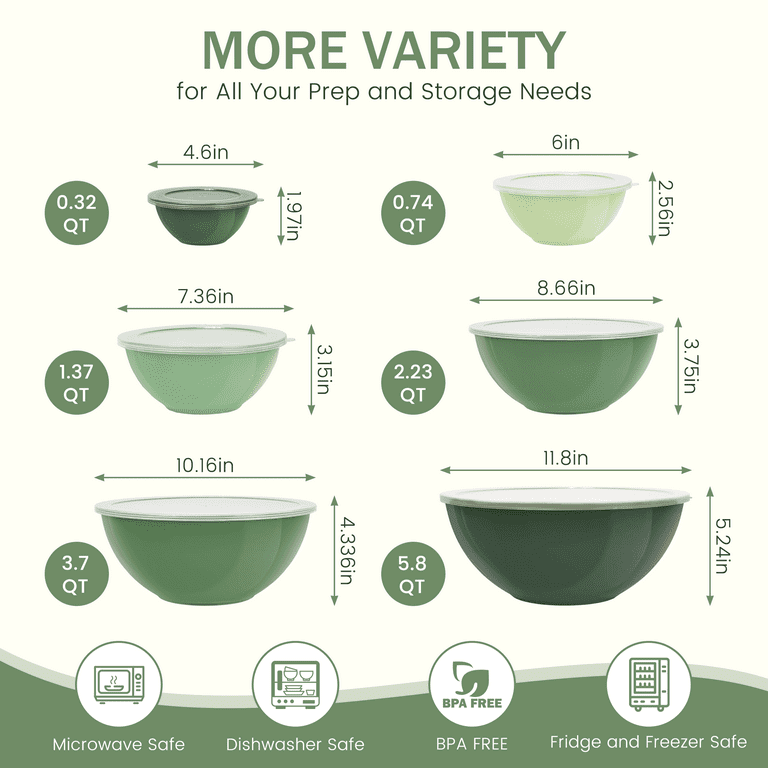
Are you looking to make your kitchen greener without sacrificing style or function? Choosing the right eco-friendly mixing bowls can make a big difference for your health and the planet.
But with so many options out there, how do you pick the best ones for your needs? This guide will help you understand what to look for, so you can confidently select mixing bowls that are safe, durable, and kind to the environment.
Keep reading to discover simple tips that will change the way you cook—and help you make smarter, eco-friendly choices every time.

Credit: www.amazon.com
Benefits Of Eco-friendly Bowls
Eco-friendly mixing bowls are good for the environment. They help reduce waste and pollution.
These bowls are made from sustainable materials. They are better for your health and the planet.
Sustainable Materials
Eco-friendly bowls use natural materials like bamboo and recycled glass. These materials do not harm nature.
Using sustainable materials means less plastic waste. It also means fewer chemicals in your kitchen.
- Bamboo is strong and grows quickly.
- Recycled glass is safe and reusable.
- Wood bowls add a natural touch to your kitchen.
Eco-friendly mixing bowls last a long time. They are sturdy and resist breaking.
Durable bowls save money over time. You will not need to replace them often.
- Less breakage means less waste.
- Investing once saves money.
- Strong materials handle daily use well.
Health Benefits
Eco-friendly bowls do not contain harmful chemicals. They are safe for food contact.
These bowls help keep your food clean and healthy. You avoid toxins that can be in plastic bowls.
- No BPA in natural materials.
- Safe for hot and cold foods.
- Better choice for family health.
Aesthetic Appeal
Eco-friendly bowls are stylish and unique. They add beauty to your kitchen.
Natural materials have a warm and inviting look. They enhance your cooking experience.
- Wood grain adds character.
- Bamboo has a sleek design.
- Glass gives a modern touch.
Materials That Matter
Choosing eco-friendly mixing bowls means picking materials that are kind to the planet. Some materials use less energy and last longer.
Look for bowls made from renewable or recycled resources. This helps reduce waste and pollution.
Bamboo And Wood
Bamboo and wood bowls come from fast-growing plants and trees. These materials are natural and break down easily.
They add a warm, natural look to your kitchen. Bamboo is strong and water-resistant, making it a good choice.
- Bamboo grows quickly without chemicals
- Wood is renewable and biodegradable
- Both need proper care to avoid cracking
Recycled Glass
Recycled glass bowls use old glass to make new products. This reduces waste in landfills and saves raw materials.
They are safe for food and easy to clean. Glass does not absorb smells or stains, which helps keep bowls fresh.
- Made from post-consumer glass
- Durable and heat resistant
- Can be heavier than other materials
Stainless Steel
Stainless steel bowls last a long time and resist rust. They are recyclable and do not release harmful chemicals.
These bowls are lightweight and easy to clean. They work well for all mixing tasks.
- Made from recycled metal in many cases
- Non-toxic and BPA-free
- Not microwave safe
Silicone Options
Silicone bowls are flexible and lightweight. Food-grade silicone is safe and can be recycled where facilities exist.
They resist stains and odors. Silicone bowls work well for mixing and pouring.
- Made from synthetic rubber
- Heat resistant and dishwasher safe
- Check for BPA-free and food-grade labels
Checking Product Certifications
Choosing eco-friendly mixing bowls means checking their product certifications. These certifications show if the product meets certain environmental standards.
Certifications help you trust the product is safe for the planet and made responsibly.
What To Look For
Look for clear labels on the packaging or product description. These labels show the bowl meets eco-friendly rules.
Check if the product uses natural or recycled materials. Also, see if it avoids harmful chemicals.
- Material source and safety
- Manufacturing process impact
- Recyclability or compostability
- Low energy or water use in production
Trusted Eco Labels
Some eco labels are well-known and reliable. These labels help you spot good eco-friendly mixing bowls.
- FSC (Forest Stewardship Council):Ensures wood comes from well-managed forests.
- Green Seal:Certifies products meet strict environmental standards.
- OEKO-TEX:Guarantees textiles are free from harmful substances.
- Cradle to Cradle:Shows product is safe and can be reused or recycled.
- USDA Organic:Verifies organic materials in the product.
Check for these labels to find bowls that are eco-friendly and safe to use.
Durability And Longevity
Choosing eco-friendly mixing bowls means finding products that last a long time. Durable bowls save money and reduce waste.
Look for bowls made with strong materials that resist cracks and breaks. This helps keep them useful for years.
Material Quality
High-quality materials make mixing bowls last longer. Bamboo, stainless steel, and recycled glass are good options.
Check if the material can handle heat and daily use without damage. Strong materials support eco-friendly goals.
Resistance To Wear And Tear
Bowls should resist scratches, stains, and cracks. This keeps them safe and clean for cooking.
Look for bowls with smooth surfaces that do not chip easily. This extends their life and keeps them eco-friendly.
Ease Of Cleaning
Bowls that are easy to clean last longer. Dirt and residue can wear down surfaces over time.
Choose bowls that are dishwasher safe or simple to hand wash. This helps keep them in good condition.
Repair And Replacement Parts
Some eco-friendly bowls offer parts you can replace. This helps fix damage instead of throwing bowls away.
Check if the brand sells lids or bases separately. Repair options add to the bowl’s lifespan.
Safe For Food And Health
Choosing eco-friendly mixing bowls means thinking about safety. Bowls must not harm your health or food.
Some materials and chemicals can be unsafe. This guide helps you find safe, eco-friendly options.
Non-toxic Materials
Look for bowls made from natural or safe materials. These do not release harmful substances into food.
Good options include bamboo, stainless steel, glass, and some types of ceramic. They are safe and eco-friendly.
- Bamboo is renewable and naturally anti-bacterial.
- Stainless steel is durable and does not react with food.
- Glass is non-porous and easy to clean.
- Ceramic is safe if made without toxic glazes.
Avoiding Harmful Chemicals
Some bowls contain chemicals that can leak into food. Avoid plastic with BPA or phthalates.
Check labels for food-safe certifications. Avoid coatings or paints with lead or cadmium.
- BPA-free plastics reduce chemical risks.
- Phthalates can disrupt hormones, avoid them.
- Lead and cadmium are toxic, avoid colored glazes with them.
- Choose products tested for food safety.

Credit: www.amazon.com
Maintenance And Care Tips
Choosing eco-friendly mixing bowls is only the first step. Proper care helps them last longer. Good maintenance keeps them safe and clean.
Each type of eco-friendly bowl needs specific care. Follow simple tips to protect your bowls and the environment.
Cleaning With Gentle Products
Use mild soap and warm water to clean your bowls. Harsh chemicals can damage natural materials and coatings.
Avoid strong detergents and bleach. They may harm the eco-friendly finish and reduce bowl lifespan.
- Choose biodegradable dish soap
- Use soft sponges or cloths
- Rinse thoroughly to remove soap
Avoiding Extreme Temperatures
Do not put eco-friendly bowls in the microwave or oven unless labeled safe. High heat can crack or warp materials like bamboo or glass.
Let bowls cool before washing with cold water. Sudden temperature changes cause damage.
Proper Drying And Storage
Dry bowls fully after washing. Moisture can cause mold or mildew on organic materials like wood.
Store bowls in a dry, cool place. Avoid stacking too tightly to prevent scratches or dents.
- Use a towel or air dry completely
- Keep away from direct sunlight
- Store with space between bowls
Regular Oiling For Wooden Bowls
Apply food-safe oil to wooden bowls to keep them from drying out. This helps maintain their natural look and strength.
Do this every few weeks or after deep cleaning. Use oils like mineral oil or walnut oil.
- Wipe bowl clean before oiling
- Apply oil with a soft cloth
- Let oil soak in for a few hours
- Remove excess oil with a dry cloth
Budget-friendly Eco Choices
Choosing eco-friendly mixing bowls helps protect the planet. You can find options that are gentle on the Earth and your wallet.
Look for mixing bowls made from sustainable materials. These choices last long and reduce waste.
Bamboo Mixing Bowls
Bamboo is a fast-growing plant that needs little water. Bowls made from bamboo are light and sturdy.
These bowls break down naturally and do not harm the environment. They are usually affordable and stylish.
- Renewable and biodegradable
- Lightweight and durable
- Easy to clean
Recycled Glass Bowls
Recycled glass bowls use old glass to make new products. This reduces landfill waste and saves energy.
They are non-toxic and safe for food use. Prices are often similar to new glass bowls.
- Made from recycled materials
- Non-toxic and safe
- Can last for many years
Stainless Steel Bowls
Stainless steel bowls are eco-friendly because they last a long time. They do not rust or break easily.
Though the upfront cost is a bit higher, they save money over time. They are also recyclable at the end of use.
- Durable and long-lasting
- Non-porous and easy to clean
- Recyclable material
Silicone Mixing Bowls
Silicone bowls are flexible and easy to store. Food-grade silicone is safe and reusable.
They are cheaper than many other eco options. Silicone is durable and resists stains and odors.
- Flexible and space-saving
- Durable and stain-resistant
- Reusable and food safe
Where To Buy Sustainable Bowls
Choosing eco-friendly mixing bowls helps reduce waste and protect the planet. Knowing where to buy these sustainable bowls makes the process easier.
Sustainable bowls come in many materials like bamboo, recycled glass, or stainless steel. You can find them online or in local eco stores.
Online Retailers
Many online stores offer a wide range of eco-friendly mixing bowls. Shopping online lets you compare prices and materials easily.
Look for shops that clearly state the materials and their sustainability. Read customer reviews to check the quality of the bowls.
- Choose bowls made from bamboo, recycled glass, or stainless steel
- Check for certifications like FSC or recycled content labels
- Compare prices and shipping options
- Read reviews for durability and safety
Local Eco Stores
Local eco stores offer sustainable bowls and support small businesses. You can see the bowls in person before buying.
These stores often focus on products with low environmental impact. Staff can help you pick the best bowls for your needs.
- Find stores that specialize in eco-friendly kitchenware
- Ask about bowl materials and their origins
- Support local and small businesses
- Check if the store offers refill or recycling programs

Credit: www.amazon.com
Frequently Asked Questions
What Materials Are Best For Eco-friendly Mixing Bowls?
Bamboo, stainless steel, and recycled glass are top eco-friendly materials. They are durable, non-toxic, and biodegradable or recyclable. Avoid plastic to reduce environmental harm. Choose materials that are sustainably sourced and safe for food use.
How To Identify Sustainable Mixing Bowl Brands?
Look for certifications like FSC, BPA-free, or recycled content labels. Check brand transparency on sourcing and manufacturing. Read customer reviews for durability and eco-friendliness. Sustainable brands prioritize ethical practices and environmental impact reduction.
Are Eco-friendly Mixing Bowls Safe For All Food Types?
Yes, most eco-friendly bowls made from bamboo, stainless steel, or glass are food-safe. They resist staining and odors, and do not leach harmful chemicals. Ensure the product is FDA-approved or meets food safety standards.
How Do Eco-friendly Bowls Impact The Environment?
Eco-friendly bowls reduce plastic waste and pollution. They use renewable or recycled materials, lowering carbon footprints. Biodegradable options minimize landfill contributions. Choosing these bowls supports sustainable production and reduces environmental harm.
Conclusion
Choosing eco-friendly mixing bowls helps protect our planet. Think about materials like bamboo, glass, or stainless steel. These options last long and reduce waste. Also, consider how easy they are to clean and store. Small changes in the kitchen make a big difference.
Your choices support a healthier environment. Start with one bowl and build your collection. Every step counts toward a greener lifestyle. Simple actions lead to better habits and cleaner homes. Make your kitchen eco-friendly and enjoy cooking with care.