
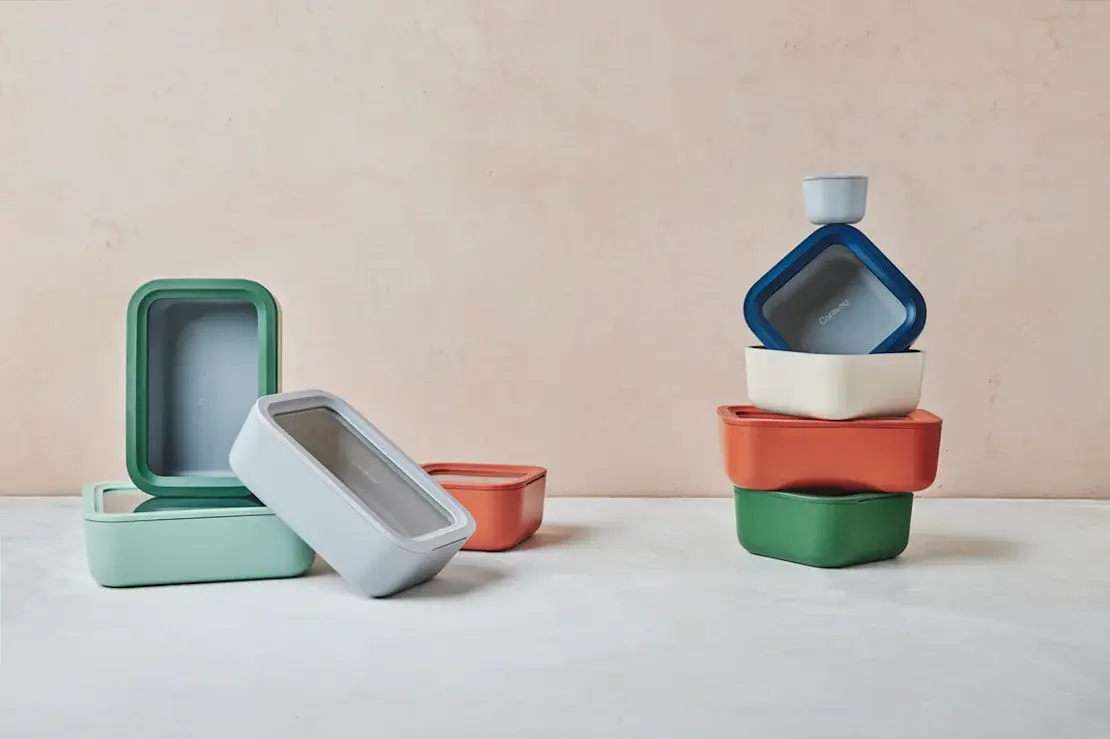
Choosing the right food containers might seem simple, but it can make a big difference for your health, your budget, and the planet. You want containers that keep your food fresh, are easy to use, and don’t harm the environment.
But with so many options out there, how do you pick the best ones? This guide will help you find sustainable food containers that fit your lifestyle and values. Keep reading, and you’ll learn smart tips that save you money and reduce waste every day.
Benefits Of Sustainable Containers
Sustainable food containers help the planet and your health. They are a smart choice for everyone.
These containers are designed to last longer and reduce waste. Let’s explore their benefits.
Environmental Impact Reduction
Sustainable containers are made from eco-friendly materials. They help reduce pollution.
Using these containers means less plastic waste in landfills. This is better for the Earth.
- Biodegradable options break down naturally
- Reusable containers lower demand for single-use plastics
- Made from renewable resources like bamboo
Health And Safety Advantages
Sustainable containers are often free from harmful chemicals. This makes them safer for your food.
They are designed to keep food fresh longer, reducing spoilage. This keeps you healthier.
- BPA-free materials prevent chemical leaching
- Glass and stainless steel options are non-toxic
- Better sealing keeps food fresh
Cost Efficiency Over Time
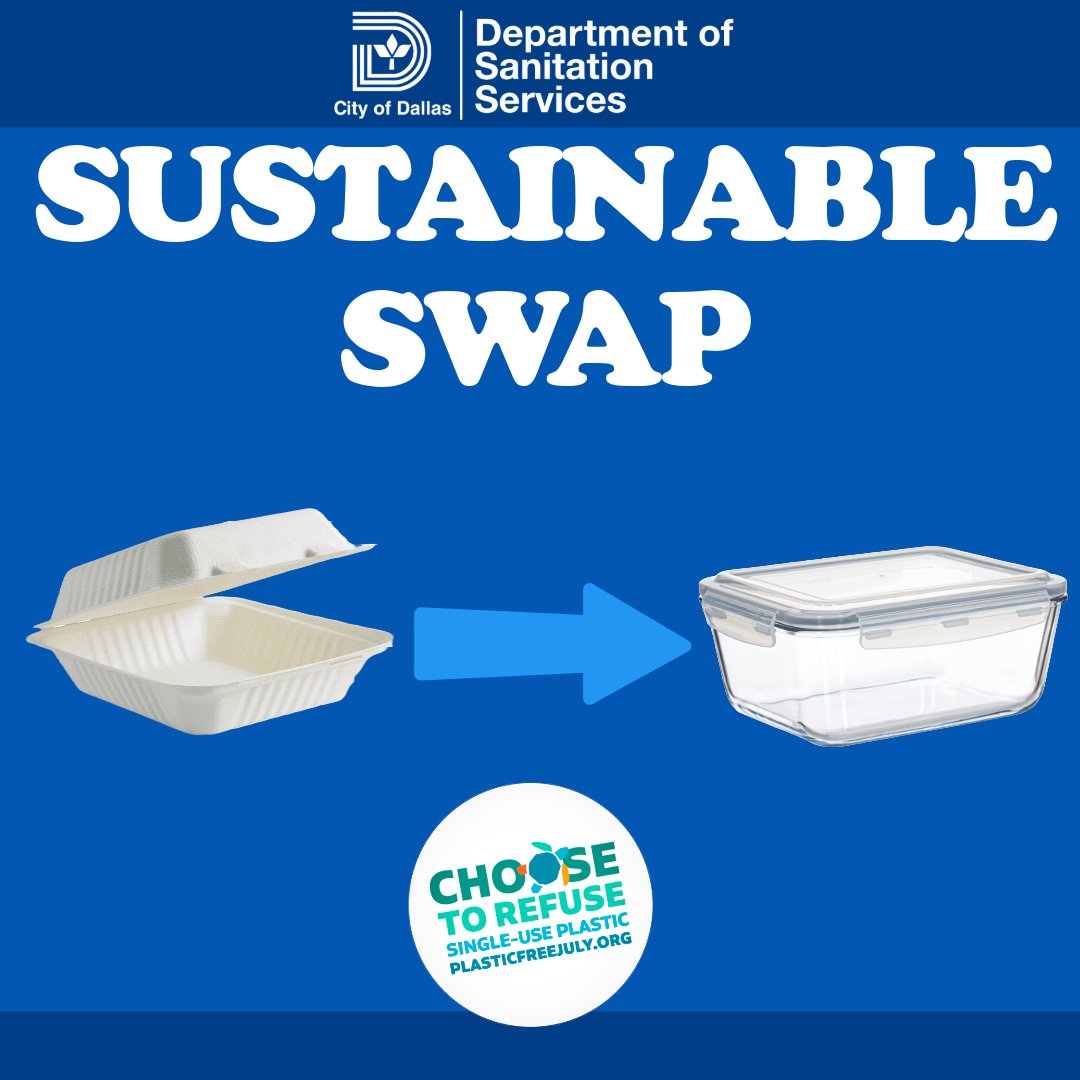
Sustainable containers might cost more upfront. But they save money in the long run.
They are durable and reusable, reducing the need for frequent replacements. This saves money.
- Less frequent buying of disposable containers
- Long-lasting materials mean fewer replacements
- Better food storage reduces waste
Credit: x.com
Materials To Choose
Choosing the right material for food containers helps reduce waste. Sustainable materials last long and are safe for food.
Look for materials that are natural or recyclable. These options protect the environment and keep your food fresh.
Bamboo And Wood
Bamboo and wood are renewable and biodegradable materials. They break down naturally without harming the earth.
Containers made from bamboo or wood are lightweight and strong. They give a natural look and feel to your kitchen.
- Bamboo grows fast and needs little water
- Wood is durable and can be reused many times
- Both materials are compostable after use
Glass And Stainless Steel
Glass and stainless steel are long-lasting and safe for food storage. They do not release chemicals into food.
These materials are easy to clean and do not absorb odors or stains. They can be recycled repeatedly.
- Glass is transparent, so you see the contents
- Stainless steel is lightweight and strong
- Both are heat-resistant and dishwasher safe
Silicone And Bioplastics
Silicone and bioplastics come from natural or recycled sources. They offer flexibility and are less harmful than plastics.
Silicone is durable and heat resistant. Bioplastics can compost under the right conditions.
- Silicone containers fold or bend easily
- Bioplastics reduce reliance on fossil fuels
- Check if bioplastics are certified compostable
Avoiding Harmful Materials
Choosing sustainable food containers means avoiding materials that harm health and environment. Some containers contain chemicals that can leak into food.
It is important to learn about harmful materials in food containers. This helps keep food safe and reduce pollution.
Plastics With Bpa And Phthalates
BPA and phthalates are chemicals in some plastic containers. They can affect hormones and cause health problems.
Look for containers labeled BPA-free and avoid soft plastics that may contain phthalates. Choose safer materials like glass or stainless steel.
- BPA is common in hard plastics and can leak into food.
- Phthalates soften plastics and may disrupt hormones.
- Check recycling codes: 3, 6, and 7 may have harmful chemicals.
- Use alternatives such as glass or metal containers.
Non-recyclable Materials
Some food containers are made from materials that cannot be recycled easily. These add to landfill waste.
Avoid containers made from mixed materials or coated paper that are hard to recycle. Choose containers made from single, recyclable materials.
- Containers with mixed plastics and metals are not recyclable.
- Coated paper containers often end up in trash.
- Look for clear recycling symbols on the container.
- Glass and metal containers are usually recyclable.
Single-use Containers
Single-use containers are made to be used once and thrown away. They create a lot of waste and pollution.
Choose reusable containers instead. Reusable containers save money and help protect the environment.
- Single-use containers include plastic bags, foam trays, and disposable cups.
- They break down slowly and harm wildlife.
- Reusable containers can be glass, stainless steel, or durable plastic.
- Wash and use reusable containers many times.
Features To Look For
Choosing the right sustainable food container helps reduce waste. It also keeps your food fresh and safe.
Look for containers that last long and are easy to clean. A good seal helps prevent leaks and spills.
Durability And Reusability
Durable containers can handle daily use without breaking. Reusable containers reduce the need for single-use plastics.
Choose containers made of strong materials like stainless steel or thick silicone. These last longer and resist damage.
- Look for crack-resistant materials
- Check if the container can be reused many times
- Avoid containers that wear out quickly
Ease Of Cleaning
Containers that are easy to clean save time and keep food safe. Smooth surfaces and simple shapes help with cleaning.
A dishwasher-safe container is a good choice. Avoid containers with many small parts or tight corners that trap food.
- Choose dishwasher-safe materials
- Look for containers with simple designs
- Avoid containers with hard-to-reach spots
Leak-proof And Airtight Design
Containers with tight seals keep food fresh and prevent spills. Look for lids that snap or screw on securely.
A good airtight container blocks air and moisture. This helps food stay fresh longer and stops leaks in bags or lunch boxes.
- Check for lids with silicone or rubber seals
- Test if the lid closes tightly
- Choose containers labeled leak-proof or airtight
Certifications And Labels
Choosing sustainable food containers means looking for trusted certifications and labels. These marks show the container meets safety and eco-friendly rules.
Understanding these labels helps you pick containers that are safe and better for the environment.
Fda And Food Safety Standards
The FDA ensures food containers are safe for storing food. Look for FDA approval on the label to confirm safety.
Food safety standards check materials do not release harmful chemicals into food. This protects your health.
- FDA approval means container meets safety rules
- Non-toxic materials keep food safe
- Containers tested for heat and cold resistance
Eco-friendly Certifications
Eco-friendly certifications show a container is made with less harm to nature. These labels guide you to greener choices.
Look for marks from trusted groups that check environmental impact and sustainable materials.
- USDA Organic: made from natural, organic materials
- FSC Certified: wood or paper from responsibly managed forests
- Green Seal: meets strict environmental standards
- Cradle to Cradle: designed for reuse and recycling
Recyclability Indicators
Recyclability labels show if a container can be recycled. This helps reduce waste and saves resources.
Check the recycling symbol and number on containers to know how to dispose of them properly.
- Triangle recycling symbol with a number inside
- Numbers 1 and 2 are widely recyclable plastics
- Compostable labels mean the container breaks down naturally
- Look for local recycling rules to sort containers correctly

Credit: www.acepack.co.in
Where To Buy Sustainable Containers
Choosing sustainable food containers helps reduce waste and protect the environment. It is important to find places that offer eco-friendly options.
You can buy sustainable containers from local shops, online stores, or even secondhand sources. Each option has its own benefits.
Local Stores And Markets
Local stores and markets often sell sustainable containers made from natural or recycled materials. Visiting these places supports small businesses in your community.
Farmers markets and eco-friendly shops are good spots to find reusable containers. You can see and touch the products before buying.
- Check health food stores for glass or bamboo containers
- Visit farmers markets for handmade or local products
- Look for zero waste shops with reusable options
Online Eco-friendly Retailers
Many online stores specialize in sustainable food containers. They offer a wide selection and deliver to your home.
Shopping online lets you compare products and read reviews. Look for retailers that focus on eco-friendly and reusable items.
- Search for containers made from stainless steel or silicone
- Choose brands with clear sustainability policies
- Look for certifications like BPA-free and compostable
Secondhand And Upcycled Options
Buying secondhand containers helps reduce waste by reusing items. You can find unique and affordable options this way.
Upcycled containers are made from repurposed materials. These choices support creativity and lessen environmental impact.
- Look for secondhand shops or thrift stores
- Check online marketplaces for used containers
- Find local craftspeople who make upcycled containers
Maintaining And Disposing
Choosing sustainable food containers helps reduce waste and protect the planet. Proper care and disposal of these containers keep them useful longer and lessen environmental harm.
Understanding how to clean, maintain, and dispose of containers correctly is key. This guide explains simple ways to do that effectively.
Proper Cleaning Techniques
Clean your containers soon after use to prevent stains and odors. Use mild soap and warm water for the best results.
Avoid harsh chemicals or abrasive scrubbers. They can damage the container’s surface and reduce its life.
- Rinse containers immediately after use
- Use soft sponges or cloths
- Wash with gentle soap and warm water
- Dry containers completely before storing
Extending Container Lifespan
Handle containers with care to avoid cracks and breaks. Store them properly to keep them in good shape.
Keep containers away from extreme heat or cold. This prevents warping or damage to the materials.
- Store containers with lids off to prevent moisture
- Avoid stacking heavy items on top
- Use containers only for their intended purpose
- Fix minor cracks early to stop them from worsening
Recycling And Composting Tips
Check the material type before recycling or composting. Some containers break down well, others need special handling.
Clean containers help recycling centers process materials better. Compostable containers belong in compost bins, not trash.
- Look for recycling symbols on containers
- Remove all food residue before recycling
- Place compostable containers in green bins
- Ask local waste management about disposal rules

Credit: www.mcpackagings.com
Frequently Asked Questions
What Materials Make Food Containers Sustainable?
Sustainable food containers are typically made from bamboo, glass, stainless steel, or recycled plastics. These materials are durable, reusable, and eco-friendly. They reduce waste and minimize environmental impact compared to single-use plastics. Choosing containers with non-toxic, biodegradable, or recyclable properties ensures better sustainability.
How To Choose Eco-friendly Food Containers?
Select containers made from natural or recycled materials. Look for BPA-free, non-toxic, and durable options. Reusability and ease of cleaning are key factors. Also, consider containers that are compostable or recyclable to reduce landfill waste. Certification labels like USDA Organic or FSC can guide your choice.
Are Glass Containers Better Than Plastic For Sustainability?
Yes, glass containers are more sustainable than plastic. They are non-toxic, reusable, and recyclable without losing quality. Glass doesn’t leach chemicals into food, making it safer and eco-friendly. Though heavier, glass’s durability and long lifespan outweigh plastic’s environmental drawbacks.
Can Sustainable Containers Keep Food Fresh Longer?
Many sustainable containers offer airtight seals and insulation to keep food fresh. Materials like glass and stainless steel maintain temperature and prevent spoilage. Proper sealing reduces food waste by preserving freshness and flavor. Choosing containers with these features benefits both health and sustainability.
Conclusion
Choosing sustainable food containers helps protect the planet and your health. Pick materials that last long and are easy to clean. Think about how you use containers every day. Small changes add up to big benefits over time. Stay mindful of waste and recycling options nearby.
Your choices support a cleaner, greener future. Simple steps make a real difference for the environment. Start today with smart, eco-friendly container options.