
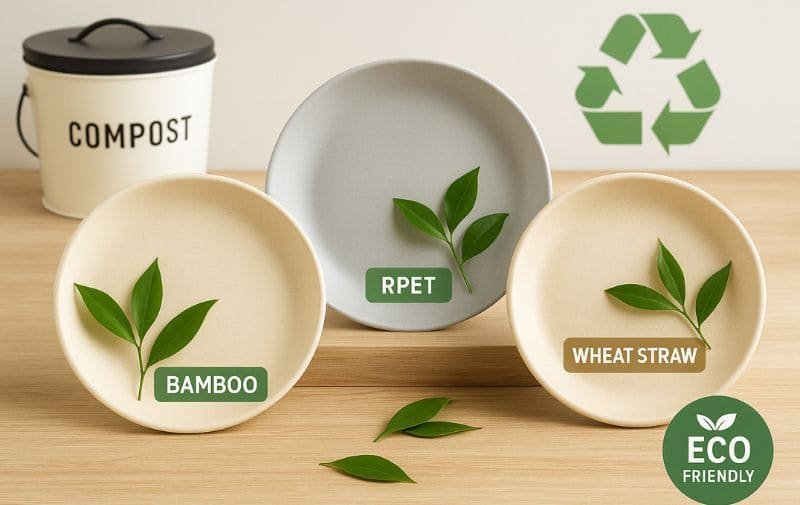
Choosing the right dishware can make a big difference—not just for your kitchen, but for the planet too. You might wonder how to pick plates and bowls that are good for you and the environment.
With so many options, it can feel confusing and overwhelming. But what if making a simple switch could help reduce waste and bring more style to your dining table? Keep reading, and you’ll discover easy, practical tips to select sustainable dishware that fits your lifestyle and values.
Your next meal could be more eco-friendly than you ever thought possible.

Credit: www.healthierhomes.com
Benefits Of Sustainable Dishware
Sustainable dishware is good for the planet and your health. It saves money over time, too. Let’s explore its many benefits.
Environmental Impact
Sustainable dishware helps reduce waste. It is often made from eco-friendly materials like bamboo or recycled glass. These materials break down faster and cause less pollution.
- Reduces landfill waste
- Lowers carbon footprint
- Uses renewable resources
Health Advantages
Many sustainable dishware options are free from harmful chemicals. This means they are safer for food and drink. They often do not leach toxins when heated.
- Non-toxic materials
- Safe for children
- Reduces chemical exposure
Cost Savings Over Time
Sustainable dishware can be more durable. It lasts longer, which means you buy less often. This leads to savings in the long run.
- Long-lasting materials
- Fewer replacements needed
- Lower long-term costs

Credit: www.joyye.com
Materials To Choose
Choosing sustainable dishware helps reduce waste and pollution. It is important to pick materials that last long and are eco-friendly.
Look for natural or recycled materials. These options use fewer resources and can often be reused or recycled again.
Bamboo And Wood
Bamboo and wood are renewable materials that grow quickly. They are biodegradable and break down naturally without harming the earth.
Bamboo is strong and light. Wooden dishware feels warm and natural. Both can add a rustic look to your table.
- Made from fast-growing plants or trees
- Biodegradable and compostable
- Durable with proper care
- Avoid if treated with harmful chemicals
Recycled Glass
Recycled glass uses old glass materials to make new dishware. This reduces the need for raw materials and saves energy.
It is sturdy and looks clean and clear. Recycled glass dishware can be recycled again after use.
- Made from melted recycled glass
- Energy-saving production
- Non-toxic and safe for food
- Can be fragile if dropped
Ceramics And Porcelain
Ceramics and porcelain come from natural clay fired at high heat. They are strong and last many years with care.
These materials do not release harmful chemicals. They are good choices for long-term use and can be recycled in some areas.
- Made from natural clay and minerals
- High durability and heat resistance
- Safe for food and dishwasher use
- May break if dropped
Stainless Steel Options
Stainless steel is strong and does not rust easily. It lasts a long time and is fully recyclable at the end of its life.
This material is lightweight and easy to clean. It does not absorb odors or stains, making it good for daily use.
- Made from recycled steel materials
- Durable and resistant to rust
- Non-porous and hygienic
- Can be recycled again
Avoiding Harmful Substances
Choosing dishware without harmful substances is important for your health. Some materials can release toxins into your food.
Understanding what to avoid helps you pick safer, sustainable dishware for your home.
Toxic Chemicals In Dishware
Some dishware contains toxic chemicals like lead, cadmium, and BPA. These can harm your body over time.
Lead and cadmium often appear in cheap ceramics and colored glazes. BPA is found in some plastic dishware.
- Lead causes brain and kidney damage
- Cadmium can harm your bones and lungs
- BPA disrupts hormones and affects health
- Avoid dishware with unknown or cheap coatings
- Look for labels that say “BPA-free” or “lead-free”
Safe Coatings And Finishes
Safe dishware uses non-toxic coatings and finishes. These protect the dishware without releasing harmful chemicals.
Look for natural or food-safe glazes that meet safety standards. These finishes are less likely to leach toxins.
- Ceramic with lead-free glaze
- Glass and stainless steel without harmful coatings
- Bamboo or wood with natural oil finishes
- Dishware labeled as food-safe or tested for toxins

Credit: www.joyye.com
Durability And Longevity
Choosing dishware that lasts a long time helps reduce waste. Durable dishware saves money and the environment.
Focus on materials and care to keep your dishware strong and useful for years.
Choosing Long-lasting Products
Pick dishware made from strong materials like ceramic, glass, or stainless steel. These materials resist breaking and wear.
Avoid dishware that chips or cracks easily. Look for thick edges and solid construction.
- Ceramic and porcelain last with careful use
- Tempered glass is stronger than regular glass
- Stainless steel is nearly unbreakable and rust-proof
- Bamboo and wood are sturdy but need good care
- Avoid cheap plastic that breaks fast
Repair And Maintenance Tips
Fix small damages to extend dishware life. Use proper tools and materials for repairs.
Clean and store dishware carefully to avoid damage. Follow care instructions for each material.
- Use food-safe glue for cracks in ceramics
- Sand rough edges gently to prevent cuts
- Hand wash delicate items to avoid dishwasher damage
- Store plates and bowls with padding between them
- Dry thoroughly to stop rust or mold growth
Certifications To Look For
Choosing sustainable dishware means finding products that are safe for the planet and people. Certifications help you know if a product meets environmental and ethical standards.
Look for trusted labels on packaging. These show the dishware was made with care for nature and workers.
Eco-labels And Standards
Eco-labels prove that dishware meets rules to protect the environment. They check materials, energy use, and waste during making.
- Look for labels like FSC for wood or bamboo products
- Check for certifications such as Green Seal or Cradle to Cradle
- Labels show the product is made with less pollution and waste
These certifications ensure the dishware is made from renewable or recycled materials. They also confirm safe chemicals were used.
Fair Trade And Ethical Sourcing
Fair Trade certification means workers got fair pay and good working conditions. Ethical sourcing means materials come from responsible places.
- Fair Trade Certified shows respect for workers’ rights
- Look for labels that support community development
- Ethical sourcing avoids harm to forests and wildlife
Choosing dishware with these marks helps support fair jobs and protect nature. It promotes honesty and safety in the supply chain.
Buying Tips For Every Budget
Choosing sustainable dishware helps protect the environment. You can find good options for any budget.
Look for materials that last long and can be reused. Think about the cost, style, and how you will use the dishware.
Affordable Sustainable Brands
Many brands offer eco-friendly dishware at low prices. These brands use recycled or natural materials to make their products.
Check for sets made of bamboo, recycled glass, or durable ceramics. These materials reduce waste and last longer.
- Look for brands that use recycled or natural materials
- Choose sets that are dishwasher and microwave safe
- Pick simple designs to save money
- Buy smaller sets first to test quality
Secondhand And Upcycled Options
Buying used dishware is a smart way to be sustainable on a budget. Thrift stores and online marketplaces have many choices.
Upcycled dishware is made from old items that get a new life. This helps reduce waste and can give your table a unique look.
- Visit local thrift shops for affordable finds
- Check online sites for gently used dish sets
- Look for upcycled items made from vintage plates or glass
- Clean and inspect secondhand dishware carefully before use
Caring For Sustainable Dishware
Sustainable dishware lasts longer when you take good care of it. Proper cleaning and storage keep it safe and usable.
Different materials need different care. Understanding how to clean and store your dishware helps protect the environment.
Cleaning Methods
Use gentle cleaning methods to avoid damage. Harsh chemicals can harm sustainable materials.
Hand wash your dishware with mild soap and warm water. Avoid soaking items for a long time.
- Use a soft sponge or cloth
- Rinse thoroughly to remove soap
- Dry immediately to prevent water spots
- Do not use abrasive scrubbers or bleach
Storage And Handling
Store dishware carefully to prevent chips and cracks. Keep it in a dry place away from direct sunlight.
Stack items with padding between them. Use soft cloths or paper towels to avoid scratches.
- Place heavier items at the bottom
- Keep fragile pieces separate
- Avoid overcrowding shelves or cabinets
- Handle with clean, dry hands
Frequently Asked Questions
What Materials Are Best For Sustainable Dishware?
Sustainable dishware is often made from bamboo, recycled glass, or ceramic. These materials are eco-friendly, durable, and biodegradable. They reduce environmental impact and promote reuse. Choosing dishware from renewable sources supports sustainability goals and minimizes waste.
How To Identify Eco-friendly Dishware Brands?
Look for brands with certifications like FSC, Green Seal, or Cradle to Cradle. Check if they use recycled or natural materials. Transparent sourcing and ethical manufacturing practices indicate eco-friendliness. Customer reviews and brand reputation also help verify sustainability claims.
Are Biodegradable Dishware Options Durable For Daily Use?
Yes, many biodegradable dishware options are strong enough for everyday use. Materials like bamboo and cornstarch-based plastics offer durability and compostability. However, their lifespan varies; some may degrade faster than traditional dishware under heavy use.
Can Sustainable Dishware Be Stylish And Functional?
Absolutely! Sustainable dishware comes in various designs, colors, and styles. Modern eco-friendly materials allow creative, functional, and aesthetically pleasing options. Choosing sustainable dishware doesn’t mean compromising on style or usability.
Conclusion
Choosing sustainable dishware helps protect our planet. It reduces waste and saves resources. Simple steps like checking materials and durability guide your choice. Think about reusable and eco-friendly options. Small changes make a big difference over time. Your choices can inspire others to care for Earth.
Start today with mindful dishware selection. Every eco-friendly plate counts.