
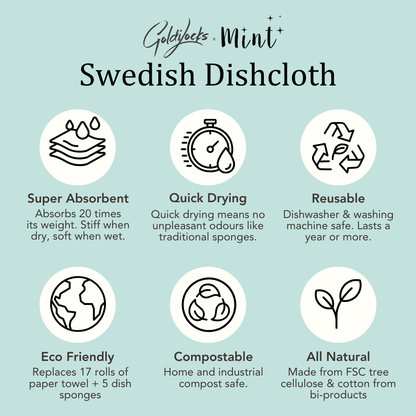
Are you ready to make your kitchen cleaner and greener? Using biodegradable dishcloths is a simple change that can have a big impact on your home and the planet.
But to get the most out of these eco-friendly cloths, you need to know how to use and care for them the right way. Keep reading to discover easy tips that will help you save money, reduce waste, and keep your dishes sparkling clean every time.
Your kitchen—and the Earth—will thank you.
Choosing The Right Biodegradable Dishcloths
Biodegradable dishcloths are an eco-friendly choice for your kitchen. They help reduce waste and are gentle on the environment. Picking the right ones is important for effectiveness and sustainability.
Let’s explore what to look for in biodegradable dishcloths to make the best choice. Consider materials, durability, absorbency, and certifications.
Materials To Look For
The material of a dishcloth affects its biodegradability. Natural fibers like cotton, bamboo, and cellulose are great options. They break down faster and are more sustainable.
- Cotton is soft and absorbent
- Bamboo is durable and eco-friendly
- Cellulose is biodegradable and effective
Durability And Absorbency
A good dishcloth should last through many uses. It should also absorb spills and clean surfaces well. Check the product details for durability and absorbency ratings.
Choose dishcloths that balance durability with eco-friendliness. A strong, absorbent cloth makes cleaning easier.
Certifications And Labels
Look for certifications that ensure the dishcloths are truly biodegradable. Labels like “compostable” or “eco-certified” are indicators of quality.
- Check for “100% biodegradable” labels
- Look for eco-friendly certifications
- Ensure the product is free from harmful chemicals

Credit: www.wildandstone.com
Effective Cleaning Techniques
Biodegradable dishcloths clean well and protect the planet. Using the right techniques helps you get dishes spotless.
Simple habits keep your cloths fresh and your dishes clean. Learn easy ways to improve your cleaning routine.
Pre-soaking For Tough Stains
Soak your dishcloth in warm water before cleaning hard stains. This softens food and grease for easier removal.
Pre-soaking saves effort and keeps the cloth from wearing out too fast. Use it for pots and pans with stuck-on food.
- Fill a bowl with warm water
- Dip the cloth and let it soak for 5–10 minutes
- Use the damp cloth to scrub the stains
Using Natural Cleaning Agents
Natural agents like vinegar and baking soda clean without harsh chemicals. They work well with biodegradable cloths.
These agents break down grease and remove odors. They keep the cloth fresh and safe for the environment.
- Sprinkle baking soda on the cloth for scrubbing
- Use vinegar to rinse and disinfect
- Mix lemon juice with water for a fresh scent
Proper Scrubbing Methods
Scrub dishes gently but firmly with your biodegradable cloth. Avoid rough scrubbing that can tear the fabric.
Use circular motions to lift dirt and grease. Rinse the cloth often to keep it clean and effective.
- Hold the cloth firmly in your hand
- Apply gentle pressure while scrubbing
- Rinse cloth in clean water frequently
- Air dry the cloth after use
Maintaining And Caring For Dishcloths
Biodegradable dishcloths need special care to last longer. Proper cleaning and storage keep them fresh and usable.
Following simple tips helps maintain their quality and reduces waste. This also keeps your kitchen cleaner.
Washing Tips To Extend Life
Wash dishcloths after each use to prevent bacteria growth. Use warm water to remove grease and dirt well.
Hand wash or machine wash on a gentle cycle to avoid damage. Avoid using fabric softeners as they reduce absorbency.
- Use mild detergent
- Wash separately from rough fabrics
- Rinse thoroughly to remove soap
- Do not wring too hard
Drying And Storage Practices
Dry dishcloths completely before storing to stop mildew. Hang them in a well-ventilated place for faster drying.
Store dishcloths in a dry, clean area. Avoid folding them while damp to prevent bad smells and germs.
- Air dry after each wash
- Use hooks or racks for hanging
- Keep away from damp drawers
- Replace when cloths start to smell
Avoiding Harsh Chemicals
Harsh chemicals can break down biodegradable fibers. Use gentle cleaning products to protect your dishcloths.
Avoid bleach and strong detergents. These can cause the cloth to wear out faster and lose its natural benefits.
- Choose eco-friendly detergents
- Skip bleach and fabric softeners
- Use vinegar or baking soda for stains
- Rinse well after cleaning

Credit: blog.whogivesacrap.org
Eco-friendly Disposal Methods
Biodegradable dishcloths are a smart choice for the environment. They break down naturally, reducing waste.
Knowing how to dispose of them properly helps keep the planet clean and safe.
Composting Biodegradable Cloths
Composting is a great way to dispose of biodegradable dishcloths. They turn into rich soil instead of trash.
Before composting, cut the cloths into smaller pieces. This helps them break down faster.
- Use a backyard compost bin or community composting site
- Avoid composting cloths with heavy stains or chemicals
- Mix cloth pieces with food scraps and yard waste
Repurposing Old Dishcloths
Old biodegradable dishcloths can have a second life. Use them for cleaning tasks around the house.
Cut them into smaller rags or dusters. This reduces waste and saves money.
- Use old cloths for wiping windows or furniture
- Keep some for car cleaning or gardening
- Donate clean cloths to local shelters or community centers
Avoiding Landfill Waste
Throwing biodegradable dishcloths in the trash sends them to landfills. There, they may not break down well.
Try to avoid landfill waste by choosing composting or repurposing options. This helps reduce pollution.
- Check local rules for composting biodegradable materials
- Separate biodegradable cloths from regular trash
- Educate family and friends on eco-friendly disposal
Additional Sustainable Cleaning Hacks
Using biodegradable dishcloths is a great start for eco-friendly cleaning. You can also try other ways to keep your cleaning green.
These tips help reduce waste and save resources while keeping your home clean and fresh.
Using Reusable Cleaning Tools
Choose cleaning tools that you can use many times. This cuts down on trash from single-use items.
Look for brushes, mops, and cloths made from natural materials. They last longer and break down easily.
- Use washable microfiber cloths instead of paper towels
- Pick wooden-handled brushes over plastic ones
- Replace sponges with natural fiber scrubbers
Reducing Water And Energy Usage
Save water by using only what you need while cleaning. Avoid leaving taps running.
Use cold water for most cleaning tasks to save energy. Heat water only when necessary.
- Fill a basin instead of washing under running water
- Wash dishes in batches to reduce water use
- Air dry cleaning tools instead of using a dryer
Incorporating Natural Scents
Add natural scents to your cleaning routine to freshen your home without chemicals.
Use herbs, essential oils, or citrus peels for a gentle, pleasant smell.
- Add a few drops of lavender or lemon oil to your dishcloths
- Use dried rosemary or mint in cleaning water
- Boil orange peels to create a fresh aroma in the kitchen
Credit: www.lemon8-app.com
Frequently Asked Questions
What Are Biodegradable Dishcloths Made Of?
Biodegradable dishcloths are made from natural fibers like cotton, bamboo, or cellulose. These materials decompose quickly and reduce plastic waste. They are eco-friendly alternatives to synthetic cloths and help minimize environmental impact while maintaining cleaning efficiency.
How Do I Properly Care For Biodegradable Dishcloths?
Wash biodegradable dishcloths with mild detergent in cold or warm water. Avoid bleach or fabric softeners to preserve fibers. Air dry or tumble dry on low heat. Proper care extends their lifespan and maintains their eco-friendly properties.
Can Biodegradable Dishcloths Handle Tough Kitchen Messes?
Yes, biodegradable dishcloths effectively clean grease, spills, and food residues. Their natural fibers absorb liquids and scrub surfaces gently. They are durable enough for everyday kitchen tasks while being environmentally responsible.
How Long Do Biodegradable Dishcloths Typically Last?
Biodegradable dishcloths usually last between 2 to 4 weeks with regular use. Longevity depends on usage frequency and cleaning methods. When worn out, they can be composted, making disposal sustainable.
Conclusion
Using biodegradable dishcloths helps protect the environment daily. They break down faster than regular cloths. This means less waste in landfills. Choose cloths made from natural fibers like cotton or bamboo. Wash them gently to keep them effective longer. Avoid harsh chemicals that can harm their fibers.
Switch to biodegradable options for a cleaner kitchen and planet. Small changes like this make a big difference over time. Try these tips and enjoy a greener lifestyle today.