
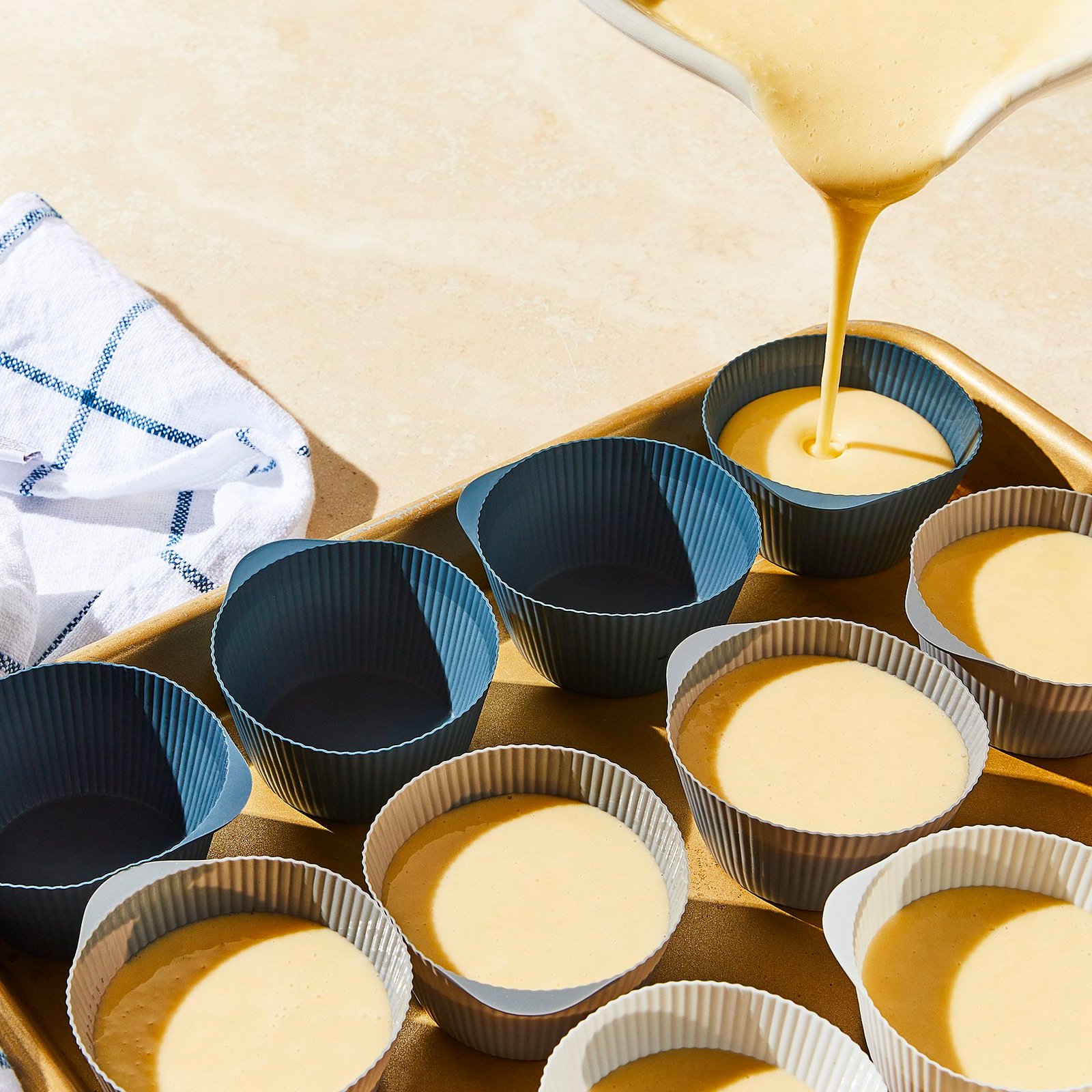
If you’re looking to bake delicious treats while being kinder to the planet, compostable baking cups are a fantastic choice. But using them the right way can make all the difference in how your cupcakes turn out.
Imagine perfectly baked goodies that not only taste great but also leave no waste behind. Ready to discover simple tips that will help you get the best results every time? Keep reading—you’re about to make your baking easier, cleaner, and more eco-friendly.
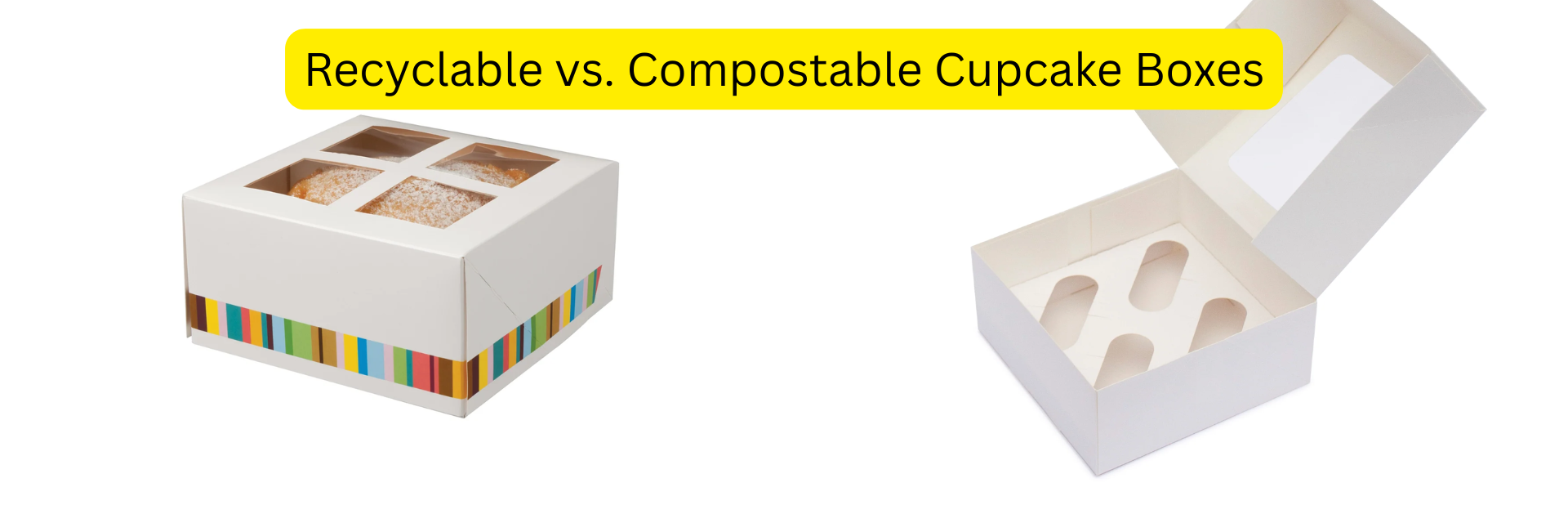
Credit: www.kimecopak.ca
Choosing The Right Compostable Cups
Compostable baking cups are a great eco-friendly choice. They make baking greener and reduce waste.
Choosing the right compostable cup is important. You need to consider materials, size, and shape.
Materials To Look For
Compostable baking cups are made from different materials. Some are better for the environment than others.
Look for cups made from natural fibers. These break down easily in compost.
- Unbleached paper is a good choice
- Plant-based wax coatings are safe
- Avoid plastic linings
Size And Shape Options
Compostable cups come in different sizes and shapes. The right one depends on your baking needs.
Consider what you are baking. Muffins and cupcakes need different sizes.
- Standard size for most cupcakes
- Mini size for small treats
- Square shapes for special desserts

Credit: food52.com
Preparing Cups For Baking
Compostable baking cups are eco-friendly and safe for baking. Preparing them well helps your baked goods turn out great.
Proper preparation stops problems like sticking and leaking. Use simple tips to get the best results with these cups.
Greasing Techniques
Greasing compostable cups helps baked goods release easily. Use a small amount of oil or butter to coat the inside.
Too much grease can weaken the cup. Use a brush or paper towel to spread a thin, even layer.
- Use vegetable oil or melted butter for greasing
- Apply a thin coat to avoid sogginess
- Grease only if the recipe is sticky
- Test one cup first to check results
Avoiding Leakage
Compostable cups can leak if batter is too runny or cups are thin. Choose thicker cups for wet batters.
Fill cups only two-thirds full. This prevents overflow and reduces leaks during baking.
- Use thicker compostable cups for liquid batters
- Fill cups up to two-thirds to avoid spills
- Place cups on a baking tray for support
- Avoid shaking the tray before baking
Baking With Compostable Cups
Compostable baking cups are a great way to reduce waste. They break down naturally after use.
These cups work well for cupcakes and muffins. You need to adjust your baking process slightly.
Adjusting Oven Temperature
Compostable cups are thinner than regular paper cups. They can brown faster or burn if the heat is too high.
Lower your oven temperature by 10 to 15 degrees Fahrenheit. This helps the cups stay intact and avoid burning.
- Set oven to 325°F instead of 350°F
- Watch for signs of burning on the edges
- Use a thermometer to check oven accuracy
Baking Time Tips
Compostable cups can bake faster than regular cups. Check your baked goods a few minutes earlier than usual.
Start checking 5 minutes before the recipe time ends. This prevents overbaking and drying out your treats.
- Test with a toothpick to check doneness
- Remove from oven once toothpick comes out clean
- Cool cupcakes in the cups before removing
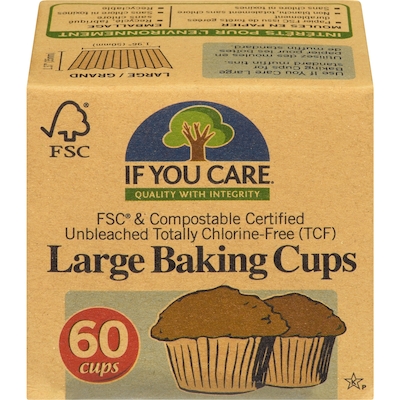
Credit: www.realcanadiansuperstore.ca
Removing And Serving
Compostable baking cups are great for the environment and easy to use. Removing them carefully helps keep your baked goods looking nice.
Serving cupcakes or muffins in these cups is simple if you follow a few tips. These tips help avoid tearing or sticking.
Cooling Methods
Let your baked goods cool completely before removing the cups. Cooling helps the treats firm up and reduces sticking.
Use a wire rack to cool cupcakes or muffins. This allows air to flow all around and keeps the bottoms from getting soggy.
- Remove from oven and place on wire rack
- Cool for at least 15-20 minutes
- Check if the edges pull away slightly from the cup
Easy Release Tricks
To remove compostable cups easily, gently peel the paper away from the baked good. Start at the edges and work slowly.
If the cups stick, try chilling the treats in the fridge for a short time. Cold helps the paper separate better.
- Peel slowly from the edges
- Use a butter knife to loosen if needed
- Chill baked goods for 10-15 minutes before peeling
- Serve on a plate or in a small paper liner for neat presentation
Composting Used Baking Cups
Compostable baking cups are a good way to reduce waste. They break down naturally after use. Composting these cups helps the environment.
It is important to compost them correctly. This makes sure they do not harm the compost. Follow some simple tips for best results.
Cleaning Before Composting
Remove leftover food from the baking cups before composting. Large food pieces can slow down composting. Small crumbs are usually okay.
Cleaning helps keep pests away. You can rinse the cups lightly with water. Avoid using soap or chemicals as they harm compost.
Composting At Home Vs. Commercial
Home composting breaks down baking cups slower than commercial composting. Home piles have less heat and fewer microbes. This means cups may take more time to decompose.
Commercial composting uses high heat and special conditions. This breaks down compostable cups faster and more completely. Check if your local facility accepts these cups.
- Home composting: slower, less heat, good for small amounts
- Commercial composting: faster, higher temperature, handles more waste
- Some cups need commercial composting to break down fully
Common Mistakes To Avoid
Compostable baking cups are a great eco-friendly choice. Using them correctly helps your baked goods turn out well.
Some common mistakes can cause problems with these cups. Avoid these errors to get the best results.
Overfilling Cups
Putting too much batter in compostable cups can cause spills. The batter may overflow during baking.
Overflow can make the cups soggy and lose their shape. It also leads to uneven cooking of your treats.
- Fill cups only two-thirds full
- Leave space for batter to rise
- Check recipe for batter amount per cup
Using In Non-compatible Recipes
Not all recipes work well with compostable baking cups. Very wet or oily batters can weaken the cups.
Using these cups in such recipes may cause them to break or leak. This can ruin your baked goods and make a mess.
- Avoid recipes with very high oil or moisture
- Use cups for standard cupcake or muffin batters
- Test new recipes carefully before baking many
Additional Eco-friendly Baking Hacks
Using compostable baking cups is a great way to reduce waste. There are other easy ways to make baking greener.
These tips help you save resources and lower your kitchen’s impact on the environment.
Reusable Alternatives
Reusable baking cups cut down on trash from single-use liners. They come in silicone or metal and can be cleaned easily.
Using them saves money over time and reduces your kitchen waste.
- Silicone cups are flexible and non-stick
- Metal cups last for years and hold shape well
- Both types can be washed in the dishwasher
- Reusable cups work for cupcakes, muffins, and more
Reducing Food Waste
Plan your baking to use all ingredients. Save leftovers for other recipes or freeze for later use.
Compost scraps like fruit peels and vegetable bits instead of throwing them away.
- Measure ingredients carefully to avoid excess
- Use leftover batter for mini muffins or pancakes
- Freeze extra batter in small portions
- Compost organic kitchen waste to enrich soil
Frequently Asked Questions
What Are Compostable Baking Cups Made Of?
Compostable baking cups are made from natural fibers like unbleached paper, cornstarch, or bamboo. They break down easily in compost, reducing waste and environmental impact.
How To Use Compostable Baking Cups Correctly?
Place the compostable cup in a muffin tin before adding batter. Avoid grease or heavy moisture to prevent weakening the cup during baking.
Can Compostable Baking Cups Be Used In Ovens?
Yes, most compostable baking cups are oven-safe up to 400°F. Always check packaging instructions to ensure safe temperature limits for baking.
How To Dispose Of Compostable Baking Cups?
Dispose of used compostable cups in a compost bin or green waste. They decompose naturally, unlike traditional plastic or foil liners.
Conclusion
Using compostable baking cups helps reduce waste and protect the planet. They work well for baking and make cleanup easier. Choose the right size and check if they fit your pans. Store them in a dry place to keep their shape.
Remember to compost them after use to help nature. Small changes in baking can make a big difference. Try these tips to enjoy eco-friendly baking every time.