
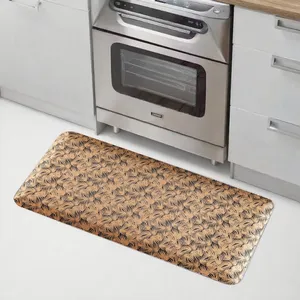
Choosing the right kitchen mat might seem simple, but it can make a big difference in your daily comfort and kitchen style. If you care about the environment and want to add a touch of eco-friendly charm to your home, recycled kitchen mats are a smart choice.
But how do you pick the best one for your needs? You’ll discover easy tips to find a recycled kitchen mat that fits your space, feels great underfoot, and lasts long. Keep reading to make a choice you’ll be happy with every time you step into your kitchen.

Credit: www.jayeshvariety.com
Benefits Of Recycled Kitchen Mats
Recycled kitchen mats are a smart choice for any home. They help reduce waste and protect your floors.
These mats offer many benefits beyond being eco-friendly. Let’s explore how they impact the environment, your health, and daily use.
Environmental Impact
Recycled kitchen mats use materials that would otherwise go to landfills. This reduces trash and saves resources.
Choosing recycled mats helps lower pollution and energy use. It supports a cleaner planet for future generations.
- Reduces landfill waste
- Saves natural resources
- Lowers carbon footprint
- Supports recycling industries
Health And Safety
Recycled mats often contain fewer harmful chemicals than new plastic mats. This improves indoor air quality.
Many recycled mats are made with non-toxic materials. This makes them safer for families and pets in the kitchen.
- Lower chemical emissions
- Non-toxic materials
- Safe for children and pets
- Easy to clean and maintain
Durability And Comfort
Recycled kitchen mats are strong and last long. They resist wear from daily kitchen use.
These mats provide cushioning to reduce foot fatigue. They make standing in the kitchen more comfortable.
- Long-lasting materials
- Resists stains and tears
- Provides soft support
- Easy to move and clean
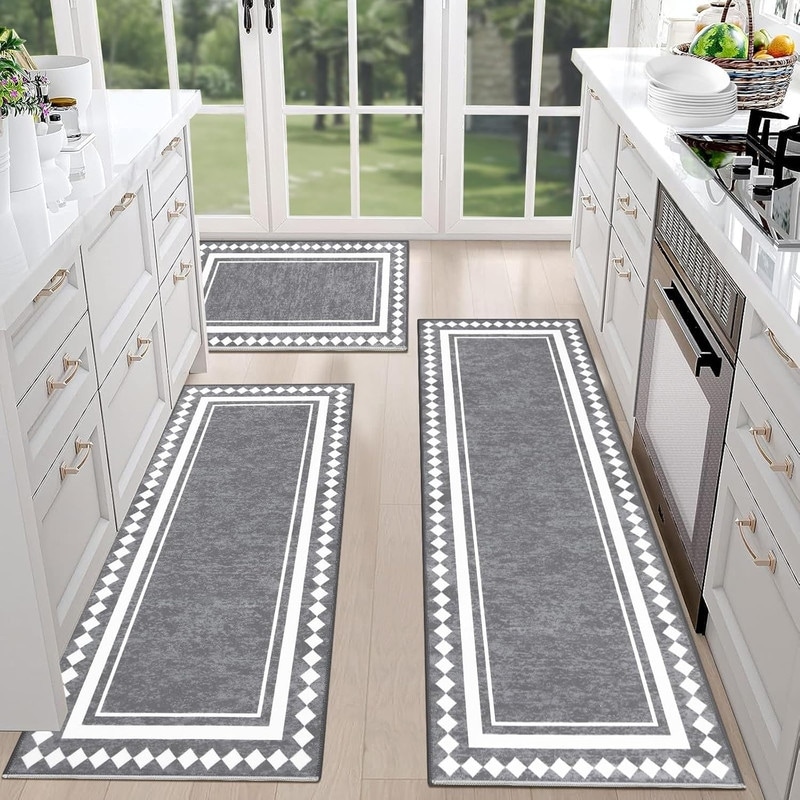
Credit: www.bedbathandbeyond.com
Materials Used In Recycled Mats
Recycled kitchen mats offer an eco-friendly choice for your home. Understanding the materials used can help you make an informed decision.
Here are some common materials used in recycled kitchen mats that you might consider.
Recycled Rubber
Recycled rubber mats are durable and slip-resistant. They are made from old tires and other rubber products.
These mats are great for areas where water spills are common. They offer good cushioning for your feet.
- Long-lasting and sturdy
- Good for wet areas
- Cushions feet while standing
Recycled Plastic
Recycled plastic mats are lightweight and easy to clean. They are made from bottles and other plastic waste.
These mats often come in vibrant colors and patterns. They are ideal for adding a decorative touch to your kitchen.
- Lightweight and portable
- Easy to clean
- Colorful and decorative
Natural Fibers
Mats made from natural fibers are biodegradable and eco-friendly. Common fibers include jute, hemp, and coir.
These mats have a natural, rustic look. They are best for dry areas to prevent mold.
- Biodegradable and sustainable
- Natural appearance
- Best for dry areas
Key Features To Consider
Choosing the right recycled kitchen mat helps keep your kitchen safe and clean. Look for important features to find the best fit.
These features affect comfort, safety, and how easy the mat is to care for. Focus on size, slip resistance, and cleaning ease.
Size And Thickness
Pick a mat size that fits your kitchen space well. Too small or too large mats may cause tripping or clutter.
Thicker mats offer more comfort for standing and protect floors better. Thin mats may wear out fast or slide around.
- Measure your kitchen area before buying
- Look for mats with enough thickness to cushion your feet
- Consider thickness for durability and floor protection
Non-slip Properties
Non-slip mats keep you safe by stopping slips and falls. Check if the mat has a strong grip on floors.
Look for mats with textured or rubber backing. These hold the mat in place on tile or wood floors.
- Choose mats with anti-slip backing
- Avoid mats that slide easily
- Check product details for slip resistance ratings
Ease Of Cleaning
Kitchen mats get dirty fast. Pick mats that clean easily to keep your space fresh and hygienic.
Some mats can be machine washed. Others need a simple wipe or spot clean. Choose what suits your routine.
- Look for mats labeled as machine washable
- Consider mats that dry quickly
- Pick materials that resist stains and odors
Design And Style Options
Choosing the right recycled kitchen mat means looking at design and style. These options make your kitchen look nice and fit your needs.
Design choices include colors, patterns, texture, and finish. Each part helps make the mat both useful and attractive.
Colors And Patterns
Colors set the mood of your kitchen space. You can find mats in soft pastels or bold, bright shades.
Patterns add character and style. Look for simple stripes, geometric shapes, or natural themes.
- Light colors make the kitchen feel larger and cleaner
- Dark colors hide dirt and stains better
- Patterns can match kitchen decor or stand out as a feature
- Mix and match colors and patterns for a custom look
Texture And Finish
Texture changes how the mat feels underfoot and how it looks. Some mats are smooth, while others have a rough or woven surface.
The finish affects durability and cleaning. Matte finishes reduce glare, while glossy ones can be easier to wipe clean.
- Soft textures provide comfort when standing for long times
- Rough textures help prevent slipping
- Matte finishes hide scratches and wear
- Glossy finishes resist stains and moisture
Where To Buy Recycled Kitchen Mats
Recycled kitchen mats are a smart choice for eco-friendly homes. Finding the right place to buy them matters. You want mats made from quality recycled materials.
This guide shows common places to find recycled kitchen mats. Each option has benefits and unique choices.
Online Retailers
Online shops offer many recycled kitchen mats in one place. You can compare styles, prices, and materials easily. Reviews help you pick trusted products.
Look for stores that focus on eco-friendly goods. They often provide detailed info about the mat’s recycled content.
- Large selections and easy shopping
- Customer reviews and ratings
- Some offer free shipping
- Check return policies before buying
Eco-friendly Stores
Eco-friendly shops focus on sustainable products. They usually stock kitchen mats made from recycled rubber, plastic, or fabric.
These stores help you learn more about the environmental benefits. Staff can answer questions about the mats’ materials and care.
- Specialized product knowledge
- Support green business practices
- Often locally owned
- May offer unique or handmade mats
Local Artisans
Local artisans create recycled kitchen mats by hand. They use materials like repurposed fabrics or old tires. Buying from them supports the community.
These mats are often one-of-a-kind. You can ask for custom sizes or colors. Visiting local markets or craft fairs is a good way to find them.
- Unique and handmade designs
- Custom options available
- Direct support to makers
- Chance to learn craft stories
Price Range And Budget Tips
Choosing recycled kitchen mats means thinking about price and quality. You want mats that fit your budget and last long.
Knowing the price range helps you find good mats without spending too much. Budget tips make your shopping easier.
Affordable Choices
Affordable recycled kitchen mats are easy to find. They cost less but still protect your floors well.
Look for mats made from recycled rubber or plastic. These materials are cheaper and eco-friendly.
- Check sales and discounts in stores or online
- Buy mats with simple designs to save money
- Smaller mats cost less and work well in limited spaces
- Read reviews to find budget mats that last
Investing In Quality
Quality mats may cost more but last longer. They save money over time by not needing quick replacement.
Choose mats with thick, durable recycled materials. They resist stains and wear better in busy kitchens.
- Look for mats with good padding for comfort
- Choose non-slip backing for safety
- Pick mats that clean easily to keep them fresh
- Consider brands known for eco-friendly production
Maintenance And Longevity
Choosing recycled kitchen mats means caring for them properly. Good maintenance helps mats last longer and look better.
Simple cleaning and careful use protect your mat’s quality. This saves money and reduces waste.
Cleaning Tips
Regular cleaning keeps your recycled kitchen mat fresh. Dirt and spills can cause stains or damage over time.
Use gentle cleaning methods to avoid harming the mat’s material. Avoid harsh chemicals or scrubbing too hard.
- Shake or vacuum the mat weekly to remove dust and crumbs
- Wipe spills immediately with a damp cloth
- Use mild soap and water for deeper cleaning
- Let the mat dry completely before placing it back
Extending Mat Life
Handle your kitchen mat with care to make it last. Avoid sharp objects or heavy pressure that can wear it out.
Store the mat flat or rolled gently when not in use. Keep it away from direct sunlight to prevent fading.
- Place the mat on clean, dry floors
- Do not use harsh chemicals or bleach
- Rotate the mat regularly to prevent uneven wear
- Avoid dragging heavy items across the mat
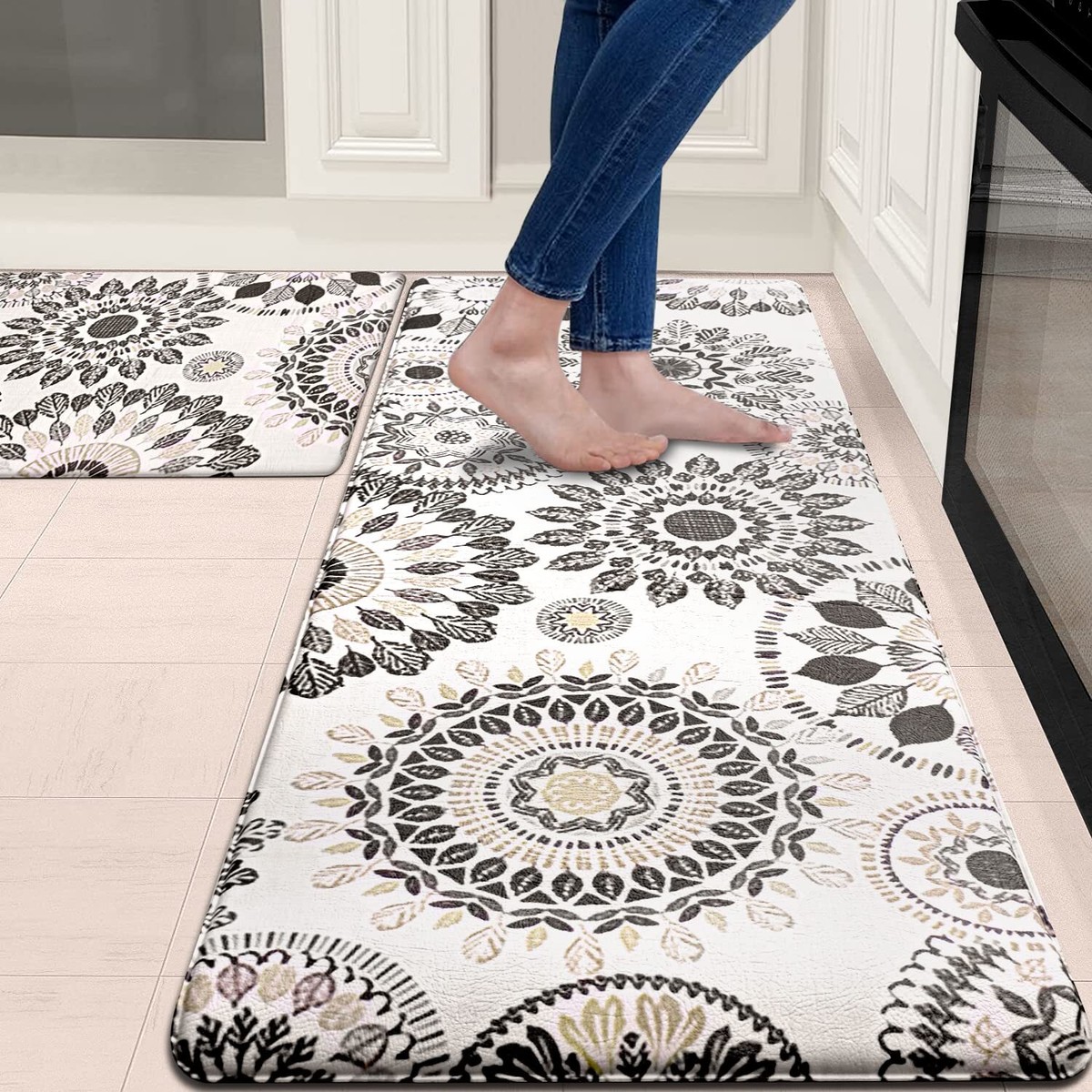
Credit: www.ebay.ca
Frequently Asked Questions
What Materials Are Used In Recycled Kitchen Mats?
Recycled kitchen mats are made from materials like rubber, plastic, and fabric scraps. These materials reduce waste and promote sustainability. They offer durability, non-slip surfaces, and easy maintenance for kitchen use. Choosing mats made from high-quality recycled materials ensures long-lasting performance and environmental benefits.
How To Assess The Durability Of Recycled Kitchen Mats?
Check the material type and thickness to assess durability. Look for mats with dense fibers or sturdy rubber bases. Read customer reviews to gauge real-world performance. Durable mats resist wear, stains, and moisture, ensuring they last in busy kitchen environments.
Are Recycled Kitchen Mats Safe For Food Prep Areas?
Yes, most recycled kitchen mats are non-toxic and BPA-free. They meet safety standards to prevent harmful chemicals from leaching. Always verify product certifications for food safety. These mats provide hygienic surfaces while supporting eco-friendly practices.
How To Clean And Maintain Recycled Kitchen Mats?
Clean mats regularly with mild soap and water. Avoid harsh chemicals that can degrade recycled materials. Allow mats to air dry completely before placing them back. Proper maintenance extends their lifespan and keeps kitchens hygienic.
Conclusion
Choosing the right recycled kitchen mat helps protect your floor and the planet. Focus on comfort, durability, and eco-friendly materials. Think about size, design, and ease of cleaning. A good mat makes your kitchen safer and cozier. Small choices add up to big benefits for the environment.
Take your time and pick one that fits your needs well. A smart choice supports a greener home and lifestyle.