
Choosing the right blender can save you more than just time in the kitchen—it can also lower your energy bills and reduce your carbon footprint. But with so many options out there, how do you find one that’s truly energy-efficient without sacrificing performance?
You’ll discover simple tips to pick a blender that works smart, uses less power, and fits perfectly into your lifestyle. Keep reading to make a choice that benefits both you and the planet.
Benefits Of Energy-efficient Blenders
Energy-efficient blenders are a smart choice for your kitchen. They save power and protect the environment.
Choosing the right blender can also help you save money in the long run. Here are some benefits of using energy-efficient blenders.
Lower Electricity Bills
Energy-efficient blenders use less power. This means you pay less for electricity.
Using a blender that saves energy can reduce your monthly bills. It’s a simple way to cut costs.
Environmental Impact
Blenders that save energy help the planet. They use less electricity, which means fewer power plants burn fuel.
This helps to reduce pollution and protect our environment. Every small action counts.
Long-term Savings
Energy-efficient blenders last longer. They are built to save power and money over time.
Investing in a good blender now means fewer replacements in the future. This adds up to big savings.
- Use less energy and cut costs
- Help protect the environment
- Save money over the years
Key Features To Look For
Choosing an energy-efficient blender helps save electricity and lowers bills. Look for features that use power smartly and work well.
Understanding what makes a blender energy efficient helps you pick the right one for your kitchen. Focus on these key features.
Power Consumption
Power consumption shows how much energy a blender uses. Lower watts mean less electricity used.
Choose blenders with enough power to handle tasks but avoid very high wattage models if not needed.
- Look for blenders with 300 to 600 watts for everyday use
- High wattage blenders consume more energy
- Energy labels can help compare power use
Motor Efficiency
A blender’s motor efficiency affects how well it converts electricity into work. Efficient motors use less power for the same job.
Motors with good build quality and copper wiring tend to be more efficient and last longer.
- Check for brushless motors that last longer and waste less energy
- Look for reviews mentioning quiet and smooth motor operation
- Energy-efficient motors reduce heat and noise
Speed Settings
Multiple speed settings let you use less power for simple tasks. You can adjust speed to match what you blend.
Blenders with variable speeds save energy by not running at full power all the time.
- Choose blenders with at least three speed levels
- Pulse function helps control blending and saves energy
- Use lower speeds for soft ingredients
Blade Design
Blade design affects how fast and well a blender processes food. Good blades reduce blending time and energy use.
Look for sharp, durable blades made of stainless steel. Some designs improve circulation inside the jar.
- Multi-level blades blend food evenly
- Angled blades create better mixing action
- Strong blades handle tough ingredients quickly
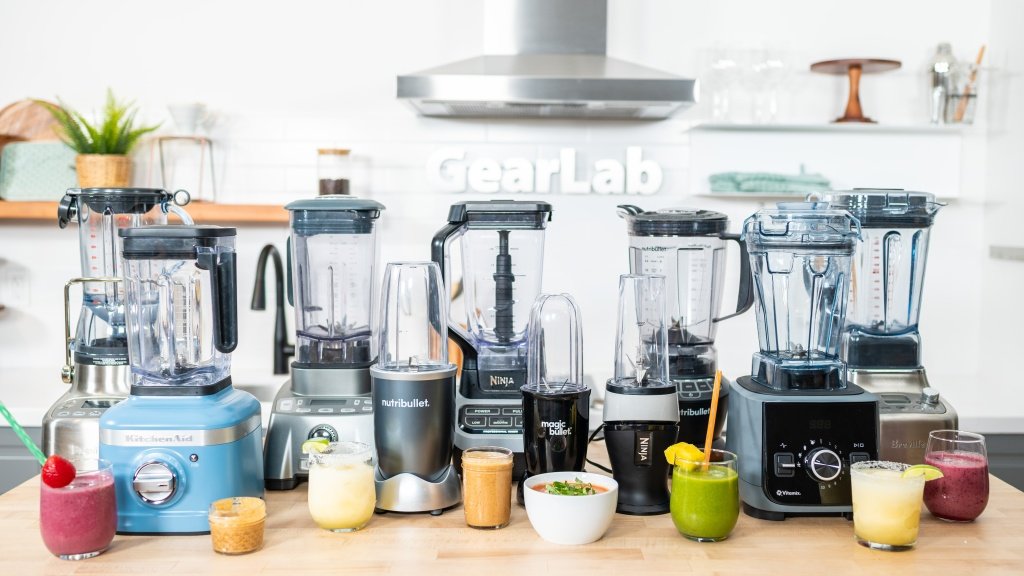
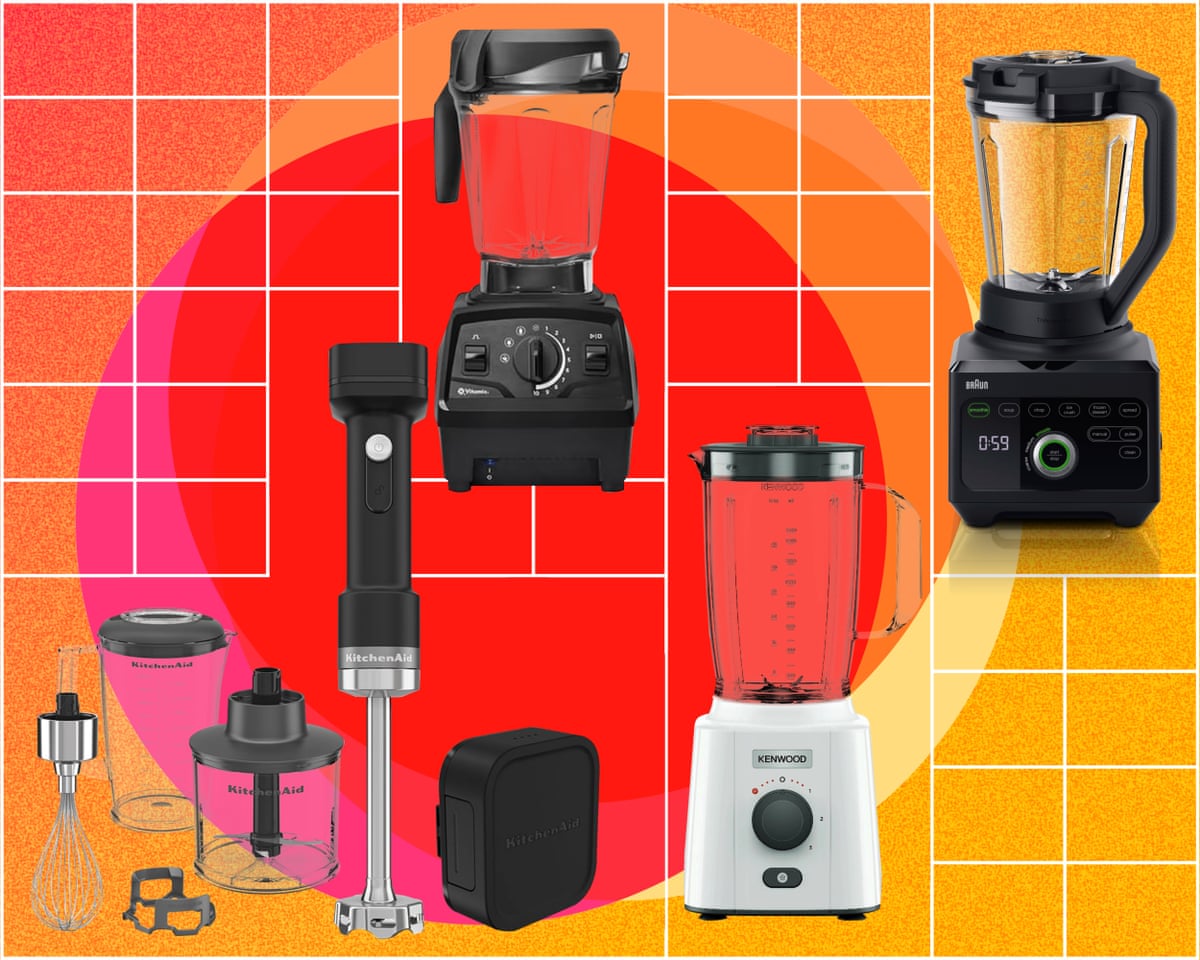
Types Of Energy-efficient Blenders
Energy-efficient blenders use less power while blending food well. Choosing the right type helps save electricity and money.
There are different types of blenders. Each type fits different kitchen needs and energy use.
Countertop Blenders
Countertop blenders are large and strong. They handle tough ingredients and big batches.
Energy-efficient countertop blenders use motors that run with less power. They often have speed controls to save energy.
- Good for smoothies, soups, and sauces
- Usually have multiple speed settings
- Large jars hold more food
- Some models use energy-saving motors
Personal Blenders
Personal blenders are small and portable. They blend single servings quickly.
These blenders use less energy because of their size. They are perfect for quick, small jobs.
- Compact and easy to store
- Use less power than big blenders
- Great for smoothies and shakes
- Fast blending saves energy
Immersion Blenders
Immersion blenders are hand-held devices. They blend food directly in pots or bowls.
These blenders use low power and only run when needed. They are energy-efficient for small blending tasks.
- Lightweight and easy to use
- Perfect for soups and sauces
- Consume less electricity
- Can blend directly in cooking containers
Credit: www.techgearlab.com
Energy Ratings And Labels
Energy ratings and labels help you pick energy-efficient blenders. They show how much power a blender uses.
Choosing blenders with good ratings can save electricity and lower bills. It also helps the environment.
Understanding Energy Star Ratings
Energy Star is a label for appliances that use less energy. It means the blender meets strict efficiency rules.
Blenders with Energy Star use less electricity than regular models. They work well and save power.
- Look for the blue Energy Star logo on the box or blender
- Certified blenders consume less power during use
- Energy Star models often last longer due to better parts
Other Certification Marks
Besides Energy Star, other labels show energy efficiency and safety. These marks are trusted by buyers.
Check for marks like the CE mark, UL certification, and EU energy labels. They ensure quality and safety.
- CE mark means the blender meets European safety rules
- UL certification shows the product passed safety tests in the USA
- EU energy labels rate blenders from A+++ (best) to D (lowest)
Material And Build Quality
Choosing an energy-efficient blender starts with its material and build quality. These factors affect how well the blender works and lasts.
Good materials help reduce energy waste and make the blender safer to use. Let’s look at important points about durability and eco-friendly materials.
Durability And Longevity
Durable blenders last longer and need less repair. This saves energy and money over time. Look for blenders with strong parts like metal blades and sturdy containers.
High-quality motors also improve longevity. A well-built motor uses energy better and does not overheat. Check if the blender has a warranty to ensure its reliability.
- Metal blades resist wear and stay sharp
- Strong containers prevent cracks and leaks
- Sealed motors avoid dust and moisture damage
- Reliable warranties show confidence in build
Eco-friendly Materials
Eco-friendly materials reduce harm to the environment. Choose blenders made from recycled plastics or BPA-free parts. These materials are safer for you and the planet.
Some blenders use stainless steel or glass, which are recyclable and last longer. Avoid blenders with cheap plastics that break easily and pollute.
- Recycled plastics lower environmental impact
- BPA-free parts keep food safe
- Stainless steel parts are durable and recyclable
- Glass containers avoid plastic waste

Credit: www.jackery.com
Capacity And Usage Needs
Choosing the right blender means thinking about how much you need to blend. Capacity affects how energy-efficient the blender will be.
Understanding your usage helps pick a blender that saves power and fits your needs.
Small Vs Large Capacity
Small blenders use less energy because they blend less food at once. They are good for single servings or small meals.
Large blenders handle big batches but may use more power. They work well for families or making large portions.
- Small capacity: 20-40 ounces, saves energy on small tasks
- Large capacity: 50 ounces or more, best for big meals
- Choose size based on how much food you blend at once
Frequency Of Use
If you use a blender daily, pick one with good energy efficiency to lower power use over time.
For occasional use, a smaller or basic blender may save energy since it uses less power per blend.
- Daily use: invest in an energy-efficient model to save electricity
- Occasional use: smaller or simpler blenders consume less power
- Match frequency with blender type to avoid wasting energy
Price Vs Performance
Choosing an energy-efficient blender means balancing cost and how well it works. You want a blender that saves power but also blends smoothly.
Think about how often you will use the blender. This helps decide if you need a basic or a high-end model.
Budget-friendly Options
Budget-friendly blenders use less power and cost less. They work well for simple tasks like making smoothies or sauces.
These models usually have lower wattage motors but still offer good blending for everyday use.
- Lower price under $50
- Energy use around 300-400 watts
- Good for light blending jobs
- Simple controls and fewer features
Premium Models
Premium blenders have stronger motors and use energy efficiently. They blend tough ingredients faster and smoother.
These models cost more but save time and energy in the long run. They often come with extra features.
- Price ranges from $150 to $500
- Power usage between 600-1500 watts
- Handles hard or frozen ingredients easily
- Multiple speed settings and presets
Maintenance And Cleaning
Keeping your blender clean helps it work well and last longer. Regular maintenance saves energy and avoids damage.
Simple cleaning steps prevent build-up and keep blades sharp. This makes your blender energy-efficient over time.
Ease Of Cleaning
Choose blenders that are easy to clean. Removable parts and smooth surfaces make cleaning faster and better.
Some blenders have dishwasher-safe parts. This saves time and effort while keeping the blender safe.
- Look for wide jars and smooth interiors
- Check if parts can go in the dishwasher
- Choose blenders with detachable blades
- Avoid hard-to-reach corners
Parts Replacement
Blenders with replaceable parts last longer. You can swap worn parts instead of buying a new blender.
Check if the manufacturer sells spare parts like blades and seals. This helps keep your blender running well.
- Ask if blades can be replaced easily
- Find out about gasket or seal availability
- Check warranty for parts coverage
- Choose brands with good customer support
Customer Reviews And Ratings
Customer reviews help buyers choose energy-efficient blenders. They show real experiences and opinions.
Ratings give a quick look at how well a blender works. Higher ratings often mean better quality.
Reliability Feedback
Reliability feedback shows if a blender lasts long and works without issues. Customers share how often parts fail.
Look for reviews that mention motor life and blade strength. These parts affect energy use and durability.
- Users report if the blender stops working early
- Comments on noise levels during use
- Notes about easy or hard repairs
- Information on consistent performance over time
Performance Insights
Performance insights tell how well the blender blends with low energy use. Customers describe blending speed and smoothness.
Check reviews for energy-saving features and power efficiency. These details help find blenders that save electricity.
- Speed options and their energy consumption
- Effectiveness with different food types
- Customer notes on motor power vs. energy use
- Comments on how fast tasks are completed
Credit: www.theguardian.com
Tips To Maximize Blender Efficiency
Energy-efficient blenders save power and work well. Using them the right way helps you get the best results.
Follow simple tips to use and care for your blender. This keeps it running smoothly and saves energy.
Proper Usage Techniques
Use the blender correctly to avoid wasting energy. Add ingredients in small amounts for better blending.
Start blending on a low speed and increase gradually. This method uses less power and protects the motor.
- Cut ingredients into small pieces before blending
- Fill the jar only halfway for best results
- Use pulse mode for thick mixtures
- Avoid running the blender longer than needed
Regular Maintenance
Clean your blender after each use to keep it working well. Remove food bits from the blades and jar.
Check the blades and seals often. Replace any worn parts to keep the blender efficient and safe.
- Wash the jar and lid with warm, soapy water
- Dry all parts completely before reassembling
- Inspect blades for dullness or damage
- Lubricate moving parts if recommended by the manufacturer
Frequently Asked Questions
What Features Make A Blender Energy-efficient?
Energy-efficient blenders use powerful motors with low wattage. They have optimized blade designs and variable speed settings to save power. Look for models with Energy Star ratings for guaranteed efficiency.
How To Compare Energy Consumption Of Different Blenders?
Check the blender’s wattage and power usage per blend cycle. Lower wattage blenders use less energy but should still handle your tasks. User reviews often mention real-world energy performance.
Does Motor Type Affect Blender Energy Efficiency?
Yes, brushless motors are more energy-efficient and last longer. They reduce friction and heat loss, improving power use. Choose blenders with high-quality motors for better efficiency.
Can Energy-efficient Blenders Handle Tough Ingredients Well?
Modern energy-efficient blenders combine power and smart design to blend hard ingredients effectively. Look for high torque and strong blades. This balance ensures efficiency without sacrificing performance.
Conclusion
Choosing an energy-efficient blender saves money and power. Check the wattage and speed settings carefully. Pick a model with a good energy rating. Think about how often you will use it. A blender that works well and uses less energy is smart.
Small steps like this help the environment. Now you know what to look for. Make your kitchen greener with the right blender. Easy, simple, and smart.