
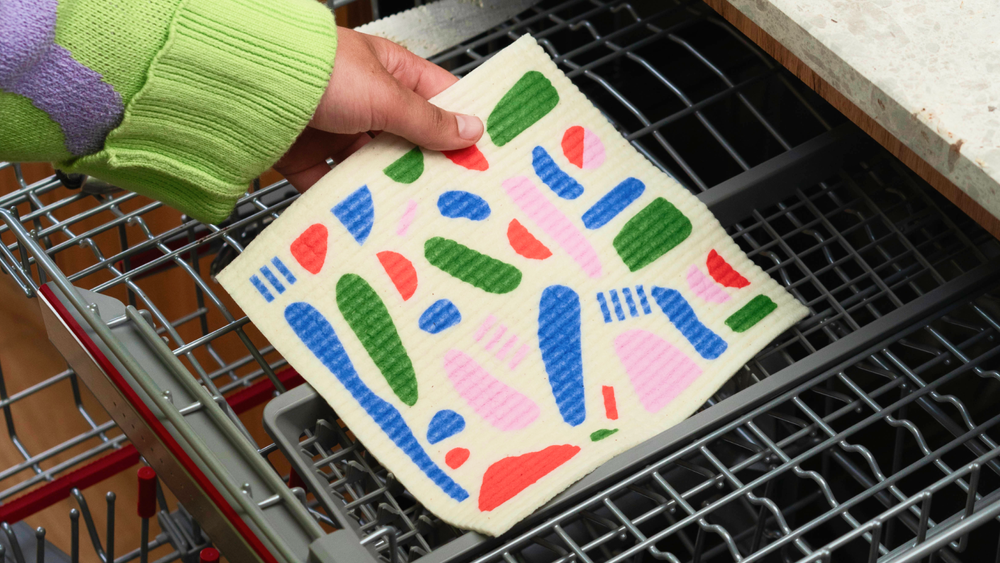
Are you tired of constantly buying paper towels that just add to the waste in your home? Using reusable dish towels is a simple change that can save you money and help the environment.
But are you sure you’re getting the most out of them? You’ll discover easy tips to keep your dish towels fresh, clean, and lasting longer. These tricks will make your kitchen routine smoother and give you a sense of satisfaction every time you reach for a towel.
Keep reading to unlock the secrets to using reusable dish towels like a pro.
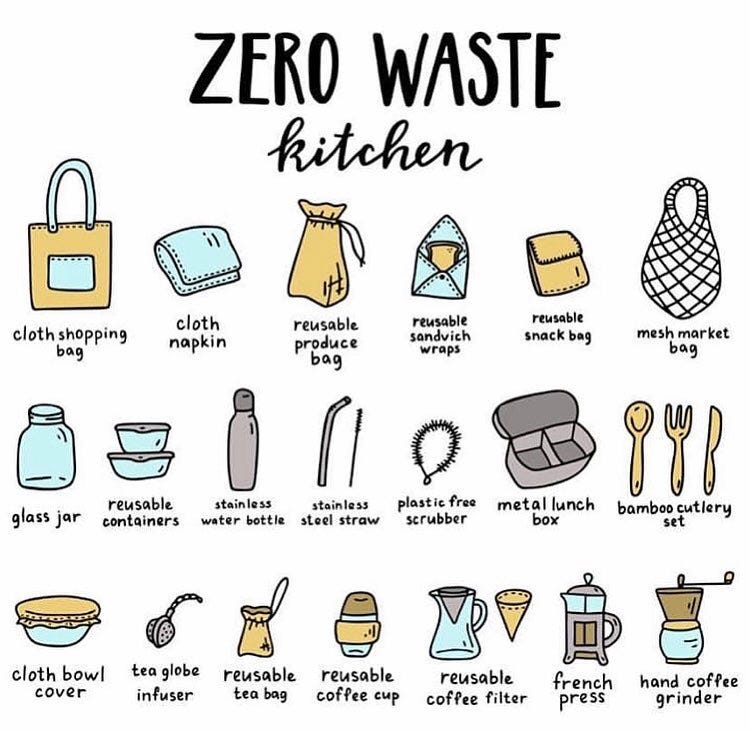
Credit: medium.com
Choosing The Right Towels
Reusable dish towels help reduce waste in the kitchen. Choosing the right ones can make your cleaning tasks easier.
Consider factors like material, size, and color when selecting towels. These features affect their performance and convenience.
Material Matters
The material of dish towels impacts their absorbency and durability. Cotton is soft and absorbs well, while microfiber dries quickly.
Choose materials based on your cleaning needs. Some materials are better for scrubbing, others for drying.
- Cotton for softness and absorbency
- Microfiber for quick drying
- Linen for strength and durability
Size And Thickness
Towel size and thickness determine how much liquid they can hold. Larger and thicker towels are best for big spills.
Smaller towels work well for light tasks. Consider your kitchen’s needs when picking the size.
- Large towels for big messes
- Small towels for quick cleanups
- Thicker towels for heavy-duty use
Color Coding
Using different colors helps organize your towels. Assign colors for specific tasks to avoid cross-contamination.
Color coding makes it easy to grab the right towel for the job. It also keeps your kitchen clean and tidy.
- Red for raw meat
- Blue for dishes
- Green for vegetables
Proper Cleaning Techniques
Reusable dish towels help reduce waste and save money. Keeping them clean is key to using them safely.
Good cleaning stops germs and keeps towels fresh. Learn how to wash, remove stains, and dry them well.
Washing Frequency
Wash dish towels often to avoid bacteria buildup. Towels used daily should be cleaned after each use.
If you use towels less, wash them at least once a week. Frequent washing keeps them safe and fresh.
- Wash towels after heavy use
- Change towels daily if possible
- Store dry towels in a clean place
Effective Stain Removal
Remove stains quickly before washing. Treat fresh stains with cold water to stop them from setting.
Use gentle stain removers or natural options like baking soda. Scrub lightly to protect fabric.
- Rinse stains with cold water first
- Apply baking soda paste or mild detergent
- Let the treatment sit before washing
Drying Tips
Dry towels completely to stop mold and smells. Use sunlight or a dryer to dry them fast.
Avoid damp storage. Fold or hang towels only when fully dry to keep them fresh longer.
- Dry towels in direct sunlight if possible
- Use a hot dryer setting for thorough drying
- Store towels in a dry, clean space
Maximizing Usage
Reusable dish towels help reduce waste and save money. Using them well means they last longer and stay clean.
Simple habits can make your towels work better. Learn how to use, clean, and store them smartly.
Designated Uses
Use different towels for different kitchen tasks. This stops germs from spreading and keeps towels fresher.
Keep some towels just for drying dishes, others for wiping counters or cleaning spills.
- Dry dishes only
- Wipe kitchen counters
- Clean spills and messes
- Handle hot pots or pans
Rotating Towels
Use towels in rotation to avoid wearing some out too fast. This keeps all towels in good shape.
Have a system to switch towels after each use or day. This helps you keep track of which towels need washing.
- Use one towel per task before switching
- Set aside used towels for washing
- Keep clean towels ready to use
Storage Solutions
Store towels where they can dry well and stay clean. Damp towels can grow bacteria and smell bad.
Use hooks, racks, or baskets in your kitchen. Keep towels off counters and away from dirty areas.
- Hang towels on hooks for air drying
- Fold and store clean towels in baskets
- Keep wet towels separate until washing
Maintaining Hygiene
Reusable dish towels help reduce waste and save money. Keeping them clean is important to stop germs from spreading.
Good hygiene keeps your kitchen safe and healthy for everyone. Follow simple tips to maintain your towels well.
Avoiding Cross-contamination
Use different towels for different tasks. For example, one towel for dishes and another for wiping counters.
Do not use the same towel for raw meat spills and clean dishes. This stops harmful bacteria from spreading.
- Label towels for specific uses
- Change towels often during cooking
- Keep towels away from raw foods
Sanitizing Methods
Wash dish towels in hot water to kill germs. Use detergent and dry them fully before reuse.
You can also soak towels in a bleach solution to sanitize. Make sure to rinse well after soaking.
- Machine wash with hot water (above 60°C or 140°F)
- Use regular laundry detergent
- Optional: Soak in 1 tablespoon bleach per liter of water for 5 minutes
- Dry towels completely in the sun or dryer
Replacing Old Towels
Old towels can hold bacteria even after washing. Replace them if they smell bad or look worn out.
Using fresh towels helps keep your kitchen clean and avoids spreading germs.
- Replace towels every few months
- Check for stains, tears, or bad smells
- Keep extra towels ready for quick replacement
Eco-friendly Benefits
Reusable dish towels help protect the environment. They reduce the need for disposable paper towels.
Using these towels saves resources and lowers waste in landfills. They are a smart choice for daily use.
Reducing Waste
Disposable paper towels create a lot of trash. Reusable dish towels cut down this waste by lasting longer.
You can wash and use them many times. This reduces how much garbage ends up in dumps and oceans.
- Less trash means cleaner land and water
- Fewer resources used to make new towels
- Less energy spent on trash collection and disposal
Saving Money
Reusable dish towels save money over time. You buy them once and use them repeatedly.
Paper towels cost more because you must keep buying them. Cloth towels reduce this ongoing expense.
- Lower grocery bills with less paper towel purchases
- Durable towels last for months or years
- Less waste means fewer disposal fees if paid
Sustainable Practices
Using reusable dish towels supports eco-friendly habits. It shows care for the planet.
These towels often come from natural materials like cotton. They break down easier than synthetic options.
- Choose towels made from organic or recycled fabrics
- Wash in cold water to save energy
- Air dry towels to reduce electricity use

Credit: www.youtube.com
Creative Tips And Hacks
Reusable dish towels are great for the kitchen and beyond. Using them smartly saves money and helps the environment.
Try these creative tips to get the most out of your reusable dish towels every day.
Quick Drying Tricks
Drying reusable dish towels fast stops smells and mildew. Use these tricks to keep towels fresh.
- Hang towels in a sunny spot for faster drying
- Spread towels flat instead of folding them
- Use a fan or open window to increase airflow
- Spin towels in the washing machine to remove extra water
- Rotate towels often so they dry evenly
Multi-purpose Uses
Reusable dish towels do more than dry dishes. Use them in different ways around your home.
- Use as a pot holder or hot pad
- Wrap fresh bread to keep it soft
- Clean windows and mirrors without streaks
- Use as a placemat or coaster
- Cover rising dough when baking
Travel-friendly Ideas
Reusable dish towels are great to pack for trips. They help keep things clean and tidy on the go.
- Use towels as napkins during picnics
- Clean spills or wipe hands while traveling
- Wrap fragile items for extra padding
- Use as a quick drying cloth after swimming
- Freshen up your travel bag by wiping surfaces
:max_bytes(150000):strip_icc()/alr-roundup-smarter-swap-non-scratch-dishcloths-tout-4778b6bed5ad455e84d12babb26db1f0.jpg)
Credit: www.allrecipes.com
Frequently Asked Questions
How Do I Properly Clean Reusable Dish Towels?
Wash reusable dish towels in hot water with detergent. Avoid fabric softeners to maintain absorbency. Dry them thoroughly to prevent odors and bacteria growth.
How Often Should Reusable Dish Towels Be Replaced?
Replace reusable dish towels every 1-2 months or when stained and smelly. Frequent washing extends their usability and keeps them hygienic.
Can Reusable Dish Towels Replace Paper Towels?
Yes, reusable dish towels are eco-friendly alternatives to paper towels. They absorb well, reduce waste, and save money over time.
What Materials Make The Best Reusable Dish Towels?
Cotton and linen are the best materials for dish towels. They are absorbent, durable, and easy to clean, making them ideal for kitchen use.
Conclusion
Reusable dish towels help save money and reduce waste. Clean them often to keep them fresh and safe. Use different towels for different tasks to avoid germs. Choose soft, absorbent fabrics for better results. Small changes make a big difference in your kitchen.
Start using reusable towels today for a cleaner, greener home. Simple habits lead to lasting benefits. Easy to use, easy to care for. A smart choice for you and the planet.