
You want to make a positive impact on the environment, right? Using compostable utensils is a great step toward that goal.
But are you sure you’re getting the most out of them? If you don’t use or dispose of them properly, their benefits can quickly disappear. You’ll discover simple, practical tips that help you use compostable utensils effectively. By following these easy steps, you’ll reduce waste, save money, and feel good about your choices.
Keep reading to learn how to make every bite count—for you and the planet.
Choosing The Right Compostable Utensils
Compostable utensils are better for the environment. They break down and reduce waste. Picking the right ones can be tricky.
You need to know what to look for. This guide will help you choose compostable utensils that are truly eco-friendly.
Materials To Look For
The material of the utensil is important. Look for items made from plant-based materials. These materials decompose easily.
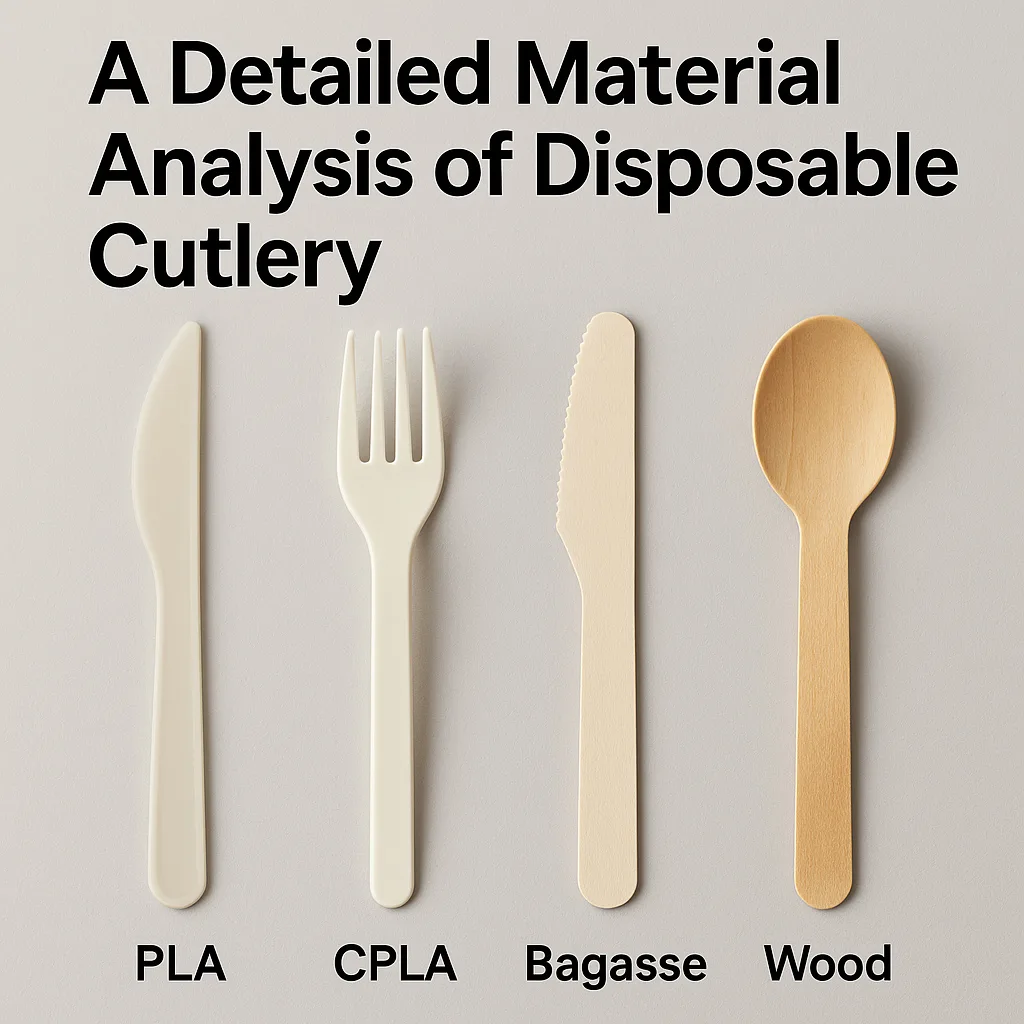
Common materials include cornstarch, bamboo, and sugarcane. These are renewable resources.
- Cornstarch: Made from corn plants
- Bamboo: Fast-growing and sustainable
- Sugarcane: Made from plant fibers
Certifications And Labels
Certifications help you know if a product is truly compostable. Look for labels like “BPI Certified” or “Compostable in Commercial Facilities”.
These labels mean the product meets certain standards. It will break down in the right conditions.
- BPI Certified: Meets compostability standards
- Compostable in Commercial Facilities: Suitable for industrial composting
Avoiding Hidden Plastics
Some utensils claim to be compostable but contain plastics. Check the product details carefully. Avoid items labeled as “biodegradable” without more information.
Biodegradable does not mean compostable. Plastics can still be present, causing harm.
- Avoid “biodegradable” without specific details
- Check for hidden plastic content

Credit: www.bioleaderpack.com
Proper Use For Maximum Eco Benefits
Compostable utensils help reduce waste and protect the environment. Using them correctly makes their impact even better.
Follow simple tips to get the most eco benefits from compostable forks, spoons, and knives.
Using Utensils For Suitable Foods
Compostable utensils work best with certain foods. They hold up well with dry or semi-solid foods like salads and pasta.
Avoid using them with very heavy or tough foods. Hard foods can break the utensils and cause waste.
- Good for salads, rice, noodles, and soft fruits
- Not ideal for tough meats or hard vegetables
- Use compostable knives carefully on firmer foods
Avoiding Cross-contamination
Keep compostable utensils clean to avoid cross-contamination. Use separate utensils for raw and cooked foods.
Do not reuse single-use compostable utensils. This stops germs from spreading and keeps food safe.
- Use fresh utensils for each food type
- Keep utensils in clean packaging until use
- Dispose of used utensils properly in compost bins
Handling Heat And Liquids
Compostable utensils can handle some heat but may soften with hot liquids. Use them with warm foods, not boiling hot.
For soups or hot drinks, choose utensils made for heat resistance. Avoid leaving utensils in hot liquids for long periods.
- Use utensils with warm or cold foods
- Do not use in boiling or very hot liquids
- Check packaging for heat tolerance information
Composting Tips For Utensils
Compostable utensils are a better choice for the environment than plastic ones. They break down naturally and reduce waste.
Knowing how to compost these utensils properly helps them return to the earth faster. This guide shares useful tips.
Home Composting Vs Industrial Facilities
Some compostable utensils break down well in home compost bins. Others need industrial composting to fully decompose.
Industrial facilities use high heat and special conditions that speed up composting. Home composting is slower and less controlled.
- Home composting works best for utensils labeled “home compostable.”
- Industrial composting suits utensils marked “compostable in industrial facilities.”
- Check packaging to know where to compost your utensils.
Preparing Utensils For Composting
Rinse utensils before composting to remove food scraps. This helps reduce odors and pests.
Cut large utensils into smaller pieces. Smaller bits break down faster in compost piles.
- Remove any non-compostable parts like plastic handles.
- Rinse off sauces or oils before composting.
- Break utensils into smaller pieces if possible.
Common Composting Mistakes
People often mix compostable utensils with regular plastic. This causes contamination and waste.
Another mistake is putting utensils in trash bins instead of compost bins. This sends them to landfills.
- Do not compost utensils that are not labeled compostable.
- Avoid mixing compostable utensils with plastic or metal trash.
- Use the correct bin to help composting work well.

Credit: ecoqualityinc.com
Storing And Transporting Compostable Utensils
Compostable utensils are eco-friendly and useful for meals on the go. Storing and carrying them properly keeps them clean and ready to use.
Good care helps avoid damage and contamination. This guide shares tips on storing and transporting compostable utensils safely.
Keeping Them Dry And Clean
Moisture can weaken compostable utensils and make them less safe to use. Store them in a dry place away from water or dampness.
Keep utensils clean by avoiding contact with dirt and food residue. Use clean hands or gloves when handling them.
- Store utensils in sealed containers or bags
- Keep them away from sinks or wet areas
- Use clean storage spaces free from dust and grime
- Handle with dry hands to prevent moisture buildup
Portable Storage Ideas
Choose containers that protect utensils from dirt and damage during travel. Small boxes or reusable bags work well.
Keep utensils organized to find them quickly and keep them clean. Group forks, spoons, and knives separately if possible.
- Use small plastic or metal boxes with lids
- Reusable cloth bags keep utensils clean and dry
- Compartments or pouches help separate utensil types
- Label containers for easy identification
Preventing Damage During Travel
Compostable utensils can bend or break if not packed carefully. Avoid heavy pressure or sharp bends during transport.
Pack utensils in sturdy containers and place them where they won’t get crushed by other items. Cushion them if needed.
- Use hard cases or boxes for protection
- Place soft padding like cloth or paper around utensils
- Do not pack heavy items on top of utensils
- Handle containers gently to avoid cracks or breaks
Creative Ways To Reuse Compostable Utensils
Compostable utensils are good for the environment, but you can also reuse them in creative ways. Reusing helps reduce waste and gives these items a second life.
Here are some simple ideas to reuse your compostable spoons, forks, and knives around your home and garden.
Garden Markers And Plant Labels
Use compostable utensils as garden markers to identify your plants. Write the plant names on the handles with a permanent marker.
Stick the utensils into the soil near your plants. This helps you remember what you planted where.
- Write plant names or planting dates on handles
- Use spoons or forks for different plant types
- Keep markers clean for reuse each season
Craft Projects And Decorations
Compostable utensils can be used in fun craft projects. Glue them together to make shapes or decorations.
Paint them in bright colors to create art pieces or party decorations. They are lightweight and easy to work with.
- Make flower shapes by gluing spoon heads
- Create wall art by arranging utensils in patterns
- Decorate with paint or markers for color
Diy Seed Starters
Use compostable forks or spoons as small seed starters. Fill the utensil heads with soil and plant seeds in them.
Once seedlings grow, you can transplant them into your garden. The utensils will break down naturally in soil.
- Fill utensil heads with potting mix
- Plant seeds and keep moist
- Plant seedlings directly with utensil to compost
Combining Compostable Utensils With Other Eco Practices
Using compostable utensils is a good way to protect the environment. You can do even more by adding other green habits to your daily routine.
Small changes together can make a big difference for the planet. Let’s look at some ways to combine compostable utensils with other eco practices.
Using Reusable Containers
Reusable containers cut down on trash by replacing single-use packaging. They keep your food fresh and save money over time.
Carry your own containers when you buy or pack food. This works well with compostable utensils to reduce waste further.
- Choose containers made from glass or stainless steel
- Wash and reuse containers often
- Store utensils inside containers to stay organized
Reducing Overall Waste
Cutting down on waste means using less and throwing away less. Compostable utensils help, but you can do more.
Plan your meals and buy only what you need. Avoid plastic bags and bring your own bags instead.
- Use cloth bags for shopping
- Buy in bulk to reduce packaging
- Recycle and compost properly
Supporting Sustainable Brands
Pick brands that care about the environment. They often use eco-friendly materials and ethical practices.
Look for products that show clear information about their impact. Supporting these brands helps grow the green market.
- Check for certifications like USDA Organic or Fair Trade
- Choose companies that use recycled or natural materials
- Buy from local businesses to reduce shipping emissions
Credit: www.sustained.kitchen
Frequently Asked Questions
What Are The Benefits Of Using Compostable Utensils?
Compostable utensils reduce plastic waste and lower environmental impact. They break down naturally in composting conditions. Using them supports sustainable living and helps conserve resources.
How Do I Properly Dispose Of Compostable Utensils?
Dispose of compostable utensils in industrial compost bins. Home composting may not break them down effectively. Avoid mixing with regular trash or recycling to ensure proper decomposition.
Are Compostable Utensils Safe For Hot Foods?
Yes, most compostable utensils are heat resistant and safe for hot foods. Check packaging for temperature guidelines. They maintain strength and don’t release harmful chemicals when heated.
Can Compostable Utensils Be Reused?
Compostable utensils are designed for single use. Reusing may reduce their structural integrity. For best results, use them once and then compost to ensure environmental benefits.
Conclusion
Choosing compostable utensils helps protect the environment. Use them properly to reduce waste and pollution. Always check if your utensils are certified compostable. Dispose of them in the right compost bins only. Avoid mixing with regular trash to ensure breakdown.
Small changes like this make a big difference. Together, we can support a cleaner, greener planet. Keep these tips in mind for better use every day. Simple actions lead to lasting, positive impact.