
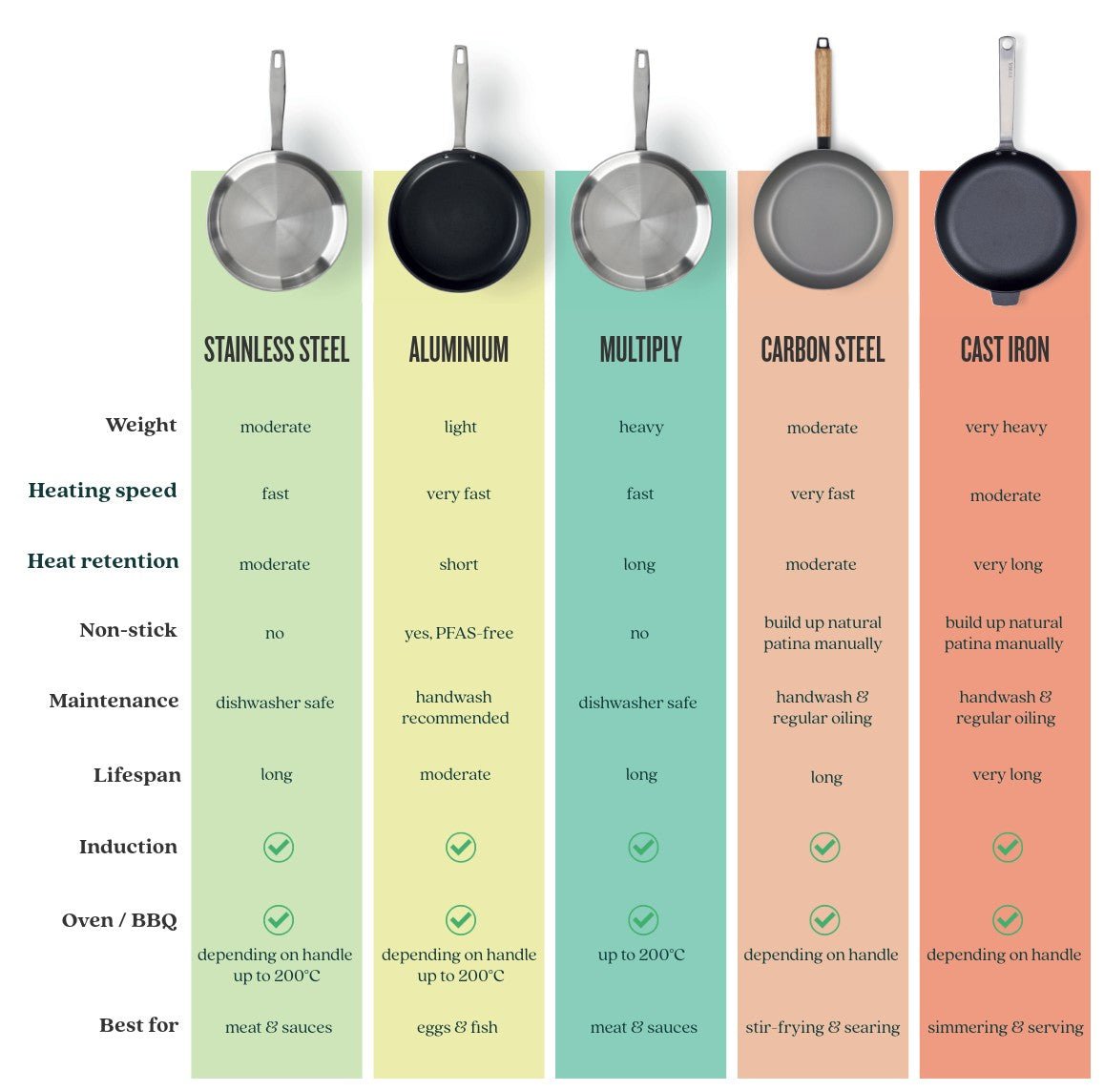
Are you ready to upgrade your kitchen with cookware that’s good for you and the planet? Choosing sustainable cookware isn’t just a smart move—it’s a way to cook healthier meals while reducing your environmental footprint.
But with so many options out there, how do you know which ones truly make a difference? You’ll discover simple tips to pick cookware that lasts longer, uses safe materials, and supports eco-friendly practices. Keep reading to find out how your next set of pots and pans can change the way you cook—and care for the world around you.
Benefits Of Sustainable Cookware
Sustainable cookware is gaining popularity. It offers many advantages for health, the environment, and long-term savings.
Choosing sustainable cookware means making a choice that benefits you and the planet.
Health Advantages
Sustainable cookware often uses safe materials. These materials do not release harmful chemicals when heated.
Cooking with these products can reduce exposure to toxins. This helps in maintaining better health over time.
- Non-toxic surfaces prevent chemical leaching
- Reduces risk of consuming harmful substances
- Promotes a healthier cooking environment
Environmental Impact
Sustainable cookware is made from eco-friendly materials. These materials are often recycled or renewable.
Using such cookware reduces waste and environmental harm. It supports a cleaner and greener planet.
- Less waste in landfills
- Lower carbon footprint from production
- Supports sustainable manufacturing processes
Cost Efficiency Over Time
Investing in sustainable cookware can save money. It lasts longer and performs well over years.
Durable materials mean fewer replacements. This results in cost savings in the long run.
- Long-lasting quality reduces need for new purchases
- Lower long-term expenses
- Good performance ensures efficient cooking
Materials To Consider
Choosing sustainable cookware means picking materials that last long and are safe for the environment. Some materials use less energy to make and can be recycled or reused.
Here are some common sustainable materials you can consider for your kitchen.
Stainless Steel
Stainless steel is strong and does not rust easily. It lasts for many years with proper care. It does not react with food, so it is safe to use.
This material is recyclable, which helps reduce waste. Stainless steel cookware works well on many heat sources.
Cast Iron
Cast iron cookware is very durable and can last for decades. It heats evenly and keeps heat well. It can also add a small amount of iron to your food.
Cast iron needs seasoning to keep it from rusting. It is recyclable and can be repaired if damaged.
Ceramic
Ceramic cookware is made from natural clay and minerals. It is non-toxic and does not release chemicals when heated. It has a smooth surface that is easy to clean.
Ceramic cookware is often biodegradable and can be recycled. It works best on low to medium heat settings.
Recycled Aluminum
Cookware made from recycled aluminum uses less energy in production. Aluminum heats quickly and evenly. Recycled aluminum reduces the need for new mining.
Look for cookware labeled as made from recycled materials to support eco-friendly choices. Recycled aluminum can be fully recycled again.
Bamboo And Wood
Bamboo and wood are renewable resources that grow fast. They are biodegradable and do not pollute the environment. These materials are great for utensils and cutting boards.
They do not conduct heat, so they are safe to handle. Choose bamboo and wood products without harmful finishes or chemicals.
Avoiding Harmful Chemicals
Choosing cookware without harmful chemicals helps keep your food safe. Some coatings release toxins when heated.
Learn which non-stick coatings to avoid. Find safer, natural options for your kitchen.
Non-stick Coatings To Skip
Many non-stick pans use chemicals that can harm health. PFOA and PTFE are common ones to avoid.
These chemicals can release fumes when heated very high. This can cause health problems for people and pets.
- PFOA (Perfluorooctanoic acid)
- PTFE (Polytetrafluoroethylene), also called Teflon
- Other fluorinated chemicals in non-stick coatings
Natural Alternatives
Look for cookware made from natural materials. They do not have harmful chemicals and last long.
Cast iron, stainless steel, and ceramic are safe choices. They cook food well without toxins.
- Cast iron: Durable, heats evenly, improves with use
- Stainless steel: Non-reactive, easy to clean, rust-resistant
- Ceramic-coated pans: Non-stick without harmful chemicals
- Glass cookware: Safe for baking and cooking
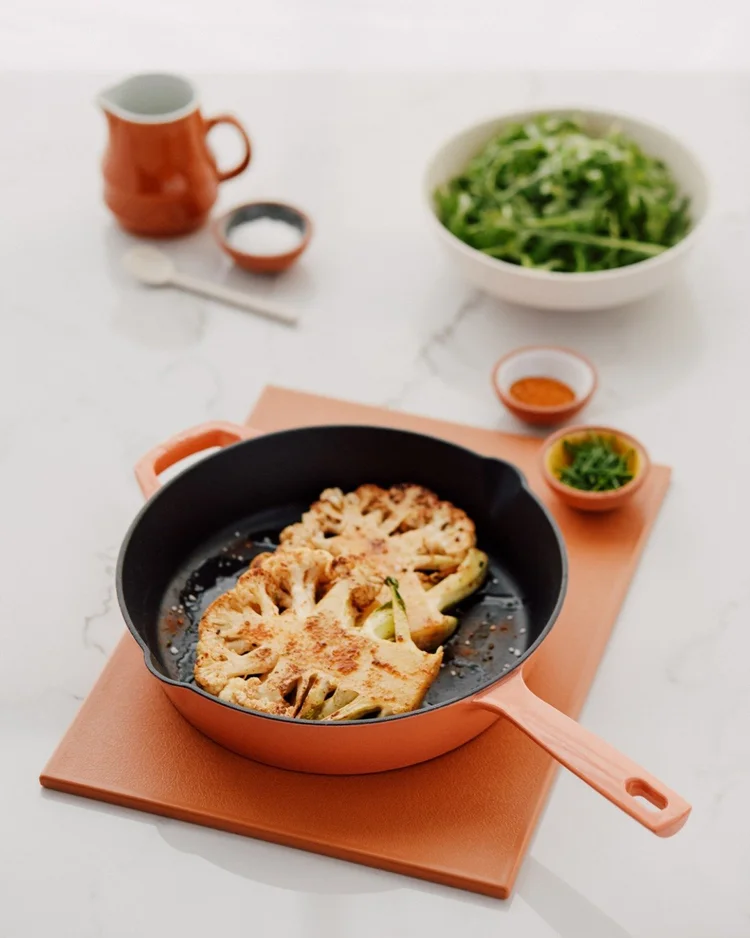
Credit: www.sustainably-chic.com
Durability And Longevity
Choosing sustainable cookware means picking items that last a long time. Durable cookware reduces waste and saves money.
Cookware that lasts many years needs good materials and strong construction. Look carefully before you buy.
Signs Of Quality
Quality cookware shows in its materials and build. Heavy weight and solid feel often mean better durability.
- Thick metal like stainless steel or cast iron
- Even and smooth surfaces without rough spots
- Strong handles that do not wobble
- Good fitting lids with tight seals
- Non-toxic coatings that resist scratching
Check for warranties or brand reputation. These can show confidence in the product’s lifespan.
Maintenance Tips
Proper care keeps cookware in good shape. Clean and store it right to avoid damage and rust.
- Hand wash instead of using a dishwasher
- Dry cookware fully before storing
- Avoid metal utensils that scratch surfaces
- Season cast iron pans regularly
- Store lids separately to prevent chips
Use cookware as the maker suggests. Following instructions helps it last longer and stay safe to use.
Certifications And Labels
Choosing sustainable cookware means looking for trusted certifications. These labels show the product meets eco-friendly standards.
Certifications help you avoid harmful materials and support ethical manufacturing. They guide you to safer, greener choices.
What To Look For
Check for labels that confirm the cookware is made from safe, non-toxic materials. Look for signs of energy-efficient production.
Also, find certifications that ensure the product is durable and recyclable. This reduces waste and helps the environment.
- Non-toxic and chemical-free materials
- Energy and water-saving manufacturing
- Recyclability and durability of the product
- Fair labor and ethical sourcing standards
Reliable Eco-certifications
Several eco-certifications show cookware meets green standards. These labels come from trusted organizations worldwide.
Look for these marks to ensure your cookware is sustainable and safe to use every day.
- Green Seal:Verifies low environmental impact and safe chemicals.
- Forest Stewardship Council (FSC):Certifies wood or bamboo parts come from responsibly managed forests.
- OEKO-TEX Standard 100:Tests for harmful substances in textiles or handles.
- Cradle to Cradle Certified:Focuses on product safety, recyclability, and renewable energy use.
- UL ECOLOGO:Shows products meet strict environmental performance standards.
Budgeting For Sustainable Choices
Choosing sustainable cookware means thinking about your budget and the environment. You want good quality without spending too much.
Planning your budget helps you pick items that last long and are safe for the planet. This guide shows how to balance cost and quality.
Balancing Cost And Quality
Good sustainable cookware may cost more at first. Cheaper options might wear out fast or use harmful materials.
Look for products made from recycled or natural materials. These often last longer and are safer for cooking.
- Check product reviews for durability
- Choose brands with clear eco-friendly policies
- Compare prices to find the best value
Where To Invest More
Spend more on items you use every day, like frying pans or saucepans. These need to be strong and safe.
Less-used items can be cheaper, but still eco-friendly. Focus your budget on quality where it matters most.
- Invest in non-toxic, durable cookware bases
- Choose handles made from sustainable materials
- Buy pieces that fit your cooking style
Brands Leading In Eco-friendly Cookware
Choosing sustainable cookware helps protect the environment. Many brands now focus on eco-friendly materials and processes.
These brands offer options that reduce waste and use safe, natural materials. Here are some leading names in green cookware.
Greenpan
GreenPan uses ceramic non-stick coatings made without harmful chemicals. Their products avoid PFAS, PFOA, lead, and cadmium.
The cookware is made from recycled aluminum and uses energy-saving production methods. GreenPan focuses on healthy cooking and easy cleanup.
Lodge
Lodge offers cast iron cookware made in the USA. Their pans last for decades and can be recycled at the end of life.
Cast iron is natural and non-toxic. Lodge also uses recycled materials and minimal packaging to reduce waste.
Caraway
Caraway uses non-toxic ceramic coatings free from PTFE and PFAS. Their pans have a recycled aluminum base for heat efficiency.
The brand also focuses on sustainable packaging made from recycled paper and avoids plastic inserts.
Finex
FINEX produces cast iron cookware with a unique octagonal shape for easy handling. Their pans are handcrafted in the USA.
The company uses recycled raw materials and eco-friendly finishing techniques. FINEX products are built to last a lifetime.
All-clad
All-Clad offers stainless steel cookware made with high-quality, durable materials. Their products often include recycled metals.
The brand uses sustainable manufacturing practices to lower waste and energy use. All-Clad pans are long-lasting and recyclable.
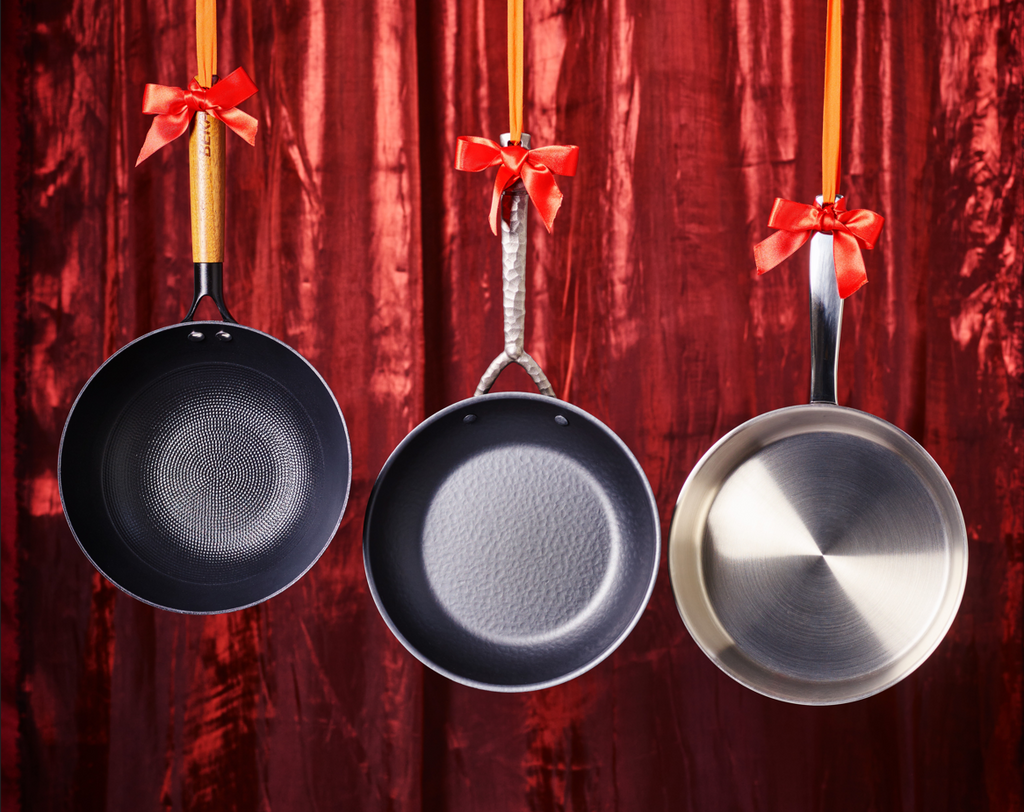
Credit: www.beka-cookware.com
Tips For Responsible Disposal And Recycling
Choosing sustainable cookware is important for the environment. When your cookware is old or damaged, dispose of it responsibly.
Recycling and proper disposal reduce waste and help save resources.
Check Material Recycling Guidelines
Different cookware materials need different recycling methods. Learn about the rules for metals, ceramics, and glass.
Aluminum and stainless steel pans are often recyclable at scrap metal centers. Non-stick coatings may need special handling.
- Separate metal cookware from non-metal parts
- Clean cookware before recycling
- Contact local recycling centers for accepted materials
Donate Or Repurpose Usable Cookware
If your cookware still works, consider donating it. Charities and community kitchens often accept gently used items.
You can also repurpose old pans as plant pots or storage containers. This extends their life and keeps them out of landfills.
- Check for chips or cracks before donating
- Clean cookware thoroughly
- Use old pans creatively in your home
Avoid Throwing Cookware In Regular Trash
Do not throw cookware in the normal trash. Many parts can harm the environment if not handled properly.
Some coatings contain chemicals that need special disposal. Check with your local waste management for safe options.
- Identify hazardous materials in cookware
- Follow local guidelines for hazardous waste
- Use special drop-off points if available
Look For Take-back Programs
Some cookware brands or stores offer take-back programs. They accept old cookware for recycling or proper disposal.
These programs help ensure materials are reused and reduce landfill waste.
- Ask local stores about take-back options
- Check brand websites for recycling programs
- Use these services to recycle cookware safely
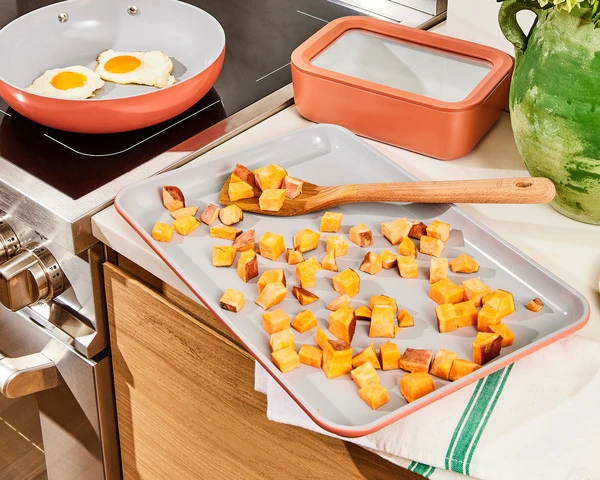
Credit: www.carawayhome.com
Frequently Asked Questions
What Materials Make Cookware Sustainable?
Sustainable cookware is often made from materials like stainless steel, cast iron, and recycled aluminum. These materials last longer and reduce environmental impact. Choosing non-toxic coatings also ensures safer cooking and less pollution during production.
How To Identify Eco-friendly Cookware Brands?
Look for brands committed to sustainability certifications and transparent sourcing. Check if they use recycled materials or renewable energy in manufacturing. Reading customer reviews and brand mission statements can also help identify truly eco-friendly cookware.
Why Choose Sustainable Cookware Over Conventional Options?
Sustainable cookware reduces waste and environmental harm by lasting longer and using safer materials. It promotes healthier cooking by avoiding toxic chemicals. Choosing sustainable options supports responsible manufacturing and helps protect natural resources.
Are Non-stick Coatings Sustainable And Safe?
Some non-stick coatings are eco-friendly, like ceramic or PTFE-free options. Avoid traditional Teflon, which can release harmful chemicals. Sustainable non-stick coatings offer easy cleaning without compromising health or the environment.
Conclusion
Choosing sustainable cookware helps protect the planet and your health. Think about materials that last long and clean easily. Avoid items with harmful chemicals or coatings. Consider how the cookware is made and where it comes from. Small changes in your kitchen can make a big difference.
Use what you learn to pick better products. Enjoy cooking with tools that care for the Earth. It feels good to make smart, kind choices every day.