
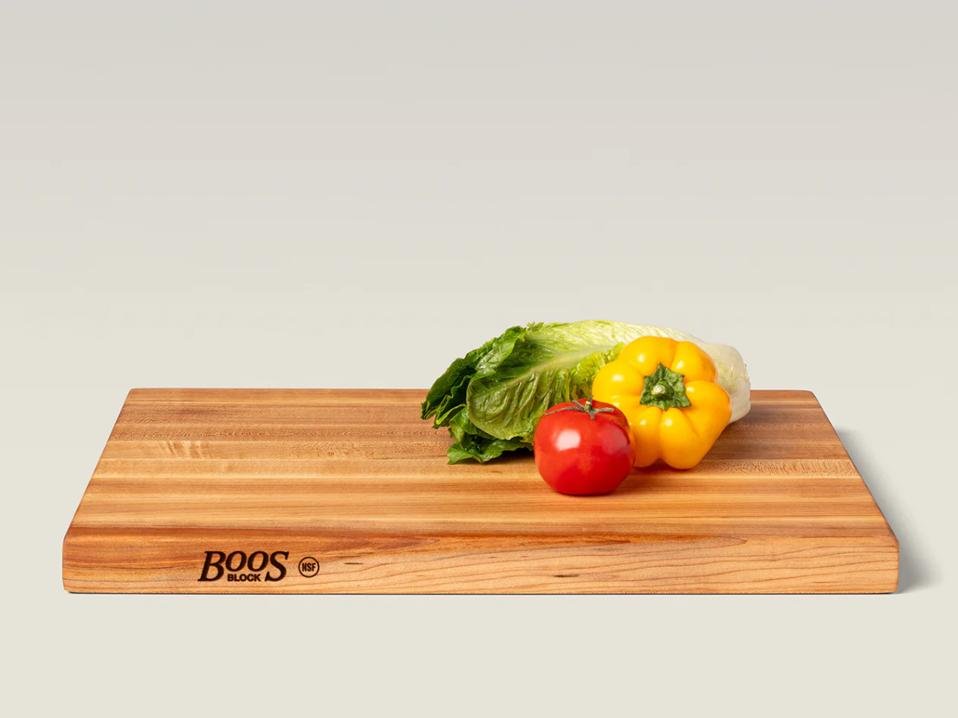
Choosing the right cutting board might seem simple, but it can make a big difference for your kitchen and the planet. If you want a cutting board that lasts, looks great, and helps reduce waste, you need to know what to look for.
You’ll discover easy tips that will guide you to the best sustainable cutting boards. By the end, you’ll feel confident about making a choice that benefits both your cooking and the environment. Keep reading to find out how small changes in your kitchen can have a big impact.

Credit: www.mychemicalfreehouse.net
Choosing The Right Material
Finding a sustainable cutting board means choosing the right material. This ensures your board is eco-friendly and durable.
Let’s explore different materials that are both sustainable and practical for your kitchen needs.
Wood Types For Durability
Wooden cutting boards are popular for their durability and natural look. Different wood types offer various benefits.
Hardwoods like maple and walnut are known for their strength. They can withstand heavy use in the kitchen.
- Maple: Dense and scratch-resistant
- Walnut: Stylish and long-lasting
- Beech: Affordable and durable
Bamboo Benefits
Bamboo is a fast-growing grass, making it a sustainable choice. It is lightweight yet strong.
Bamboo cutting boards are resistant to water. They are less likely to warp compared to wood.
- Eco-friendly: Rapid growth and renewable
- Lightweight: Easy to handle and store
- Durable: Resists water damage
Recycled Materials Options
Recycled cutting boards use materials like reclaimed wood or plastic. They help reduce waste.
These boards are often made from kitchen scraps or old furniture. They give new life to discarded materials.
- Reclaimed wood: Unique and eco-friendly
- Recycled plastic: Durable and colorful
- Composite materials: Mix of recycled elements
Eco-friendly Certifications To Look For
Choosing a sustainable cutting board means checking for trusted certifications. These labels show the board meets environmental and health standards.
Certifications help you find products that protect forests and use safe materials. Look for these marks when buying your cutting board.
Fsc Certification
The Forest Stewardship Council (FSC) label means wood comes from well-managed forests. These forests follow strict rules to protect nature and wildlife.
Buying FSC certified cutting boards helps reduce deforestation. It supports responsible logging and keeps forests healthy for the future.
- Ensures wood is harvested sustainably
- Protects endangered species and habitats
- Supports local communities and workers
- Promotes long-term forest health
Organic And Non-toxic Finishes
Finishes protect cutting boards and keep them looking good. Choose boards with organic or non-toxic finishes to avoid harmful chemicals.
These finishes use natural oils or waxes. They are safe for food contact and better for your health and the environment.
- Use natural oils like coconut, flaxseed, or beeswax
- Free from harmful solvents and chemicals
- Safe for cutting and food preparation
- Help wood last longer without damage
Size And Thickness Considerations
Choosing the right size and thickness for a cutting board helps in daily kitchen tasks. It also supports sustainability by lasting longer.
Understanding your kitchen needs can guide you to pick the best board size and thickness for your cooking style.
Matching Board Size To Kitchen Needs
Pick a board size that fits your kitchen counter space and cooking habits. A too-large board may be hard to store.
Smaller boards work well for quick tasks, while larger boards are better for big meals or multiple ingredients.
- Small boards (8×10 inches) are easy to store and good for fruits.
- Medium boards (10×14 inches) suit everyday cooking.
- Large boards (18×24 inches) fit big meal prep and multiple tasks.
Benefits Of Thicker Boards
Thicker boards tend to last longer because they resist warping and cracking. They handle heavy chopping better.
Thick boards also provide a stable surface, which makes cutting safer and easier for you.
- Durability: Thick boards resist damage over time.
- Stability: Heavy boards stay in place while cutting.
- Longevity: They can be sanded and refinished multiple times.
Maintenance For Longevity
Taking good care of your sustainable cutting board helps it last longer. Proper maintenance keeps it clean and strong.
Simple habits can protect the wood and keep your board safe for food use. Learn easy tips to maintain it well.
Cleaning Tips
Clean your cutting board right after use. Use warm water and mild soap to remove food particles.
Avoid soaking the board or putting it in the dishwasher. Too much water can warp or crack the wood.
- Wipe with a damp cloth after washing
- Dry the board standing up or on a rack
- Use lemon or vinegar to remove odors
- Disinfect with a salt scrub for tough stains
Oiling And Conditioning
Apply food-safe oil to your board regularly. This keeps the wood hydrated and prevents cracks.
Use natural oils like mineral oil or beeswax-based conditioners. Rub the oil in and let it soak overnight.
- Oil the board once a month or when it looks dry
- Use a soft cloth to spread the oil evenly
- Wipe off excess oil before use
- Conditioning helps keep the board smooth and strong
Brands Committed To Sustainability
Choosing a sustainable cutting board helps the planet and your kitchen. Some brands focus on eco-friendly materials and fair work practices.
These brands use renewable resources and avoid harmful chemicals. They aim to reduce waste and support communities.
Top Eco-friendly Brands
Several brands lead in making cutting boards with care for nature. They use wood from managed forests or recycled materials.
These brands also focus on durability. Their boards last long, reducing the need to replace them often.
What Sets Them Apart
Eco-friendly brands follow strict rules to protect the environment. They choose non-toxic finishes and avoid plastics.
- Use FSC-certified or reclaimed wood
- Apply natural oils instead of synthetic coatings
- Support fair wages and safe work conditions
- Design products for easy repair and long use
- Minimize packaging waste with recyclable materials
Avoiding Harmful Chemicals
Choosing a sustainable cutting board means avoiding harmful chemicals. Some boards have finishes that can be unsafe for food.
It is important to know which finishes and treatments are safe. This protects your health and the environment.
Safe Finishes And Treatments
Look for cutting boards treated with natural oils. These include mineral oil, beeswax, and carnauba wax.
These finishes keep wood strong and safe. They do not release harmful chemicals into food.
- Food-grade mineral oil seals and protects wood
- Beeswax adds a natural waterproof layer
- Carnauba wax is plant-based and non-toxic
What To Watch Out For
Avoid cutting boards with finishes like varnish, polyurethane, or paint. These can have toxic chemicals.
Some plastics may contain BPA or phthalates. These chemicals can be harmful if ingested.
- Steer clear of boards with synthetic finishes
- Check labels for “food safe” or “non-toxic”
- Avoid plastic boards with unknown chemical content
Cost Vs. Sustainability
Buying sustainable cutting boards means thinking about both price and the environment. Some options cost more upfront but last longer.
Choosing the right board can save money and reduce waste over time.
Investing In Quality
High-quality cutting boards use better materials and last longer. They often come from sustainable sources like bamboo or hardwood.
Spending more at first means you get a board that stays safe and strong for years.
- Look for boards made from renewable materials
- Check if the board is treated with non-toxic finishes
- Choose boards that resist cracking and warping
Long-term Savings
Cheaper cutting boards may need replacing often. This adds to the cost and creates waste.
A durable, sustainable board reduces how often you buy new ones. This saves money and helps the planet.
- Durable boards reduce waste from replacements
- Proper care extends the life of your board
- Saving money over years beats low initial cost
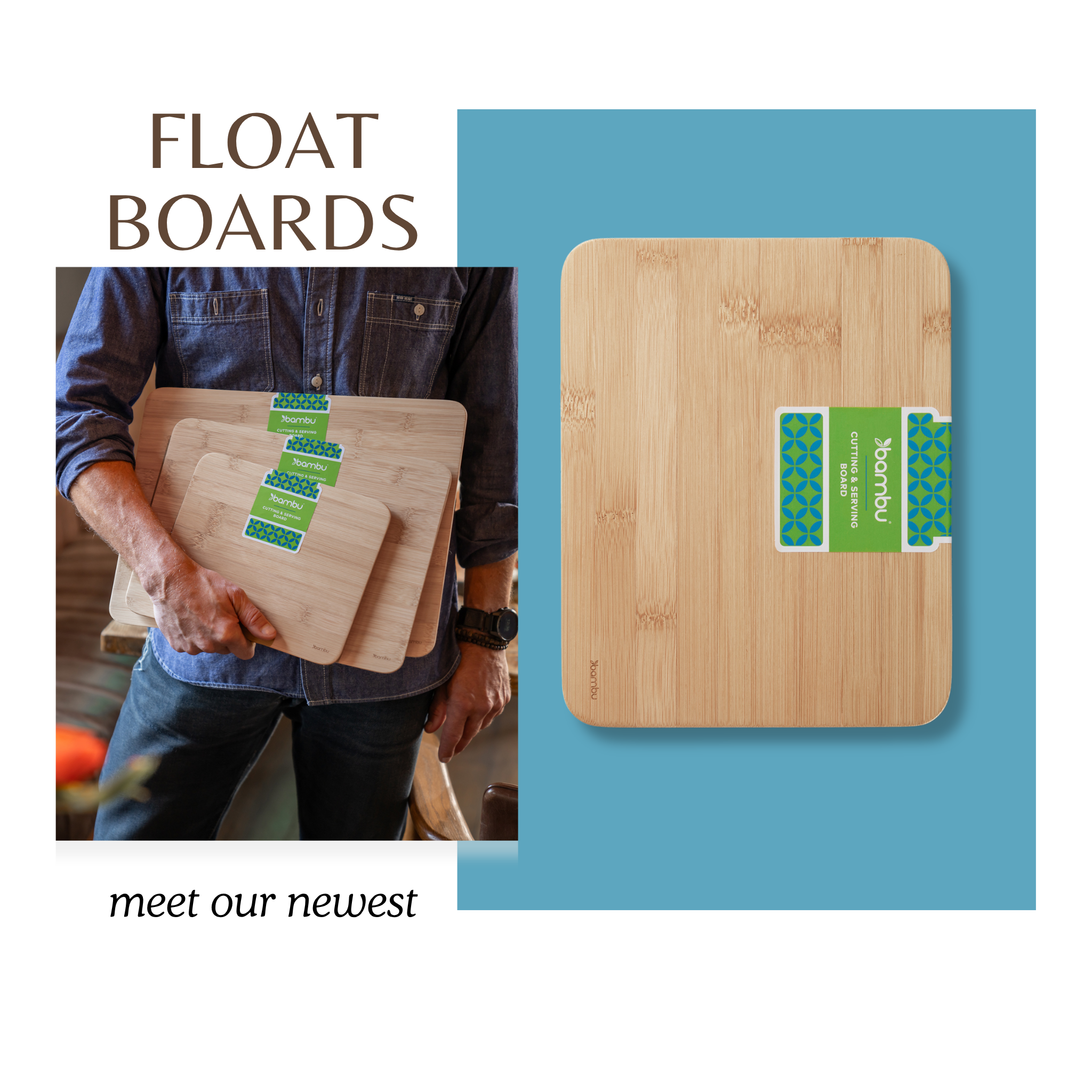
Credit: www.bambuhome.com

Credit: forgecreative.co
Frequently Asked Questions
What Materials Are Best For Sustainable Cutting Boards?
Wood and bamboo are top sustainable materials. They are renewable, biodegradable, and durable. Avoid plastic boards as they harm the environment.
How To Identify Eco-friendly Cutting Boards?
Look for certifications like FSC or organic bamboo. Check if boards are made from reclaimed or sustainably harvested wood.
Can Sustainable Cutting Boards Resist Bacteria Effectively?
Yes, wood and bamboo naturally resist bacteria. Their dense fibers prevent germs from penetrating, making them safer than plastic boards.
How To Maintain A Sustainable Cutting Board?
Clean with mild soap and water. Oil regularly with food-safe oil to keep the wood hydrated and crack-free.
Conclusion
Choosing a sustainable cutting board helps protect the planet. Pick materials that last long and are easy to clean. Small choices make a big difference for the environment. Think about how the board is made and where it comes from.
Keep your cutting board in good shape to avoid waste. A simple switch can support eco-friendly habits every day. Your kitchen can be greener with smart, sustainable picks.