
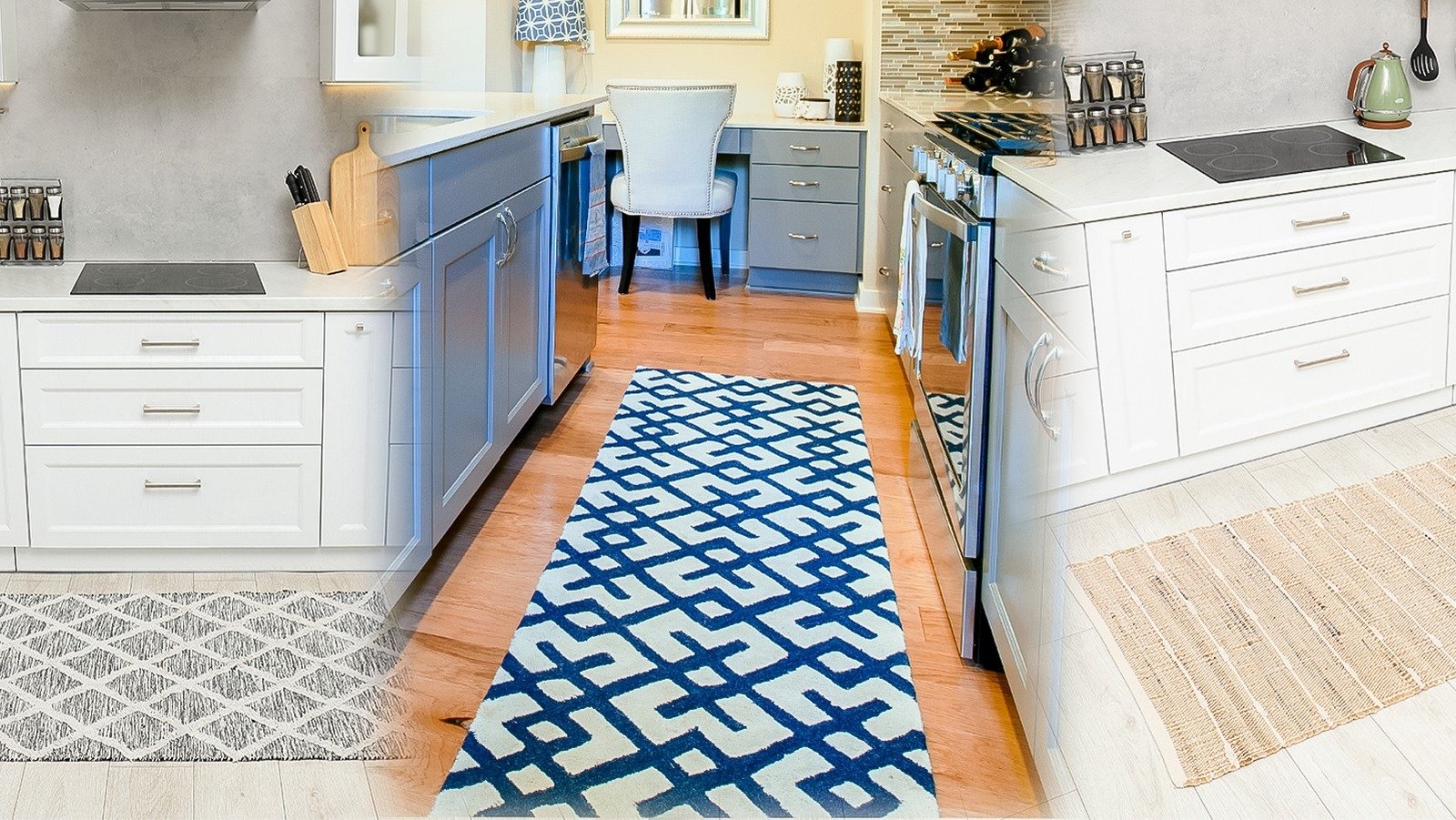
Are you looking to make your kitchen more eco-friendly without sacrificing comfort or style? Choosing the right sustainable kitchen mat can make a big difference—not just for your home, but for the planet too.
But with so many options out there, how do you find one that truly fits your needs? In this guide, you’ll discover simple tips to pick a kitchen mat that’s durable, safe, and kind to the environment. Keep reading to learn how to make a choice that feels good every time you step into your kitchen.

Credit: www.amazon.com
Benefits Of Sustainable Kitchen Mats
Sustainable kitchen mats are a smart choice for the eco-conscious homeowner. They offer many advantages that make them a great investment for your home.
These mats are not only good for the planet but also for your health and wallet. Let’s explore their benefits in detail.
Environmental Impact
Sustainable kitchen mats are made from eco-friendly materials. They reduce waste and pollution in the environment.
Using these mats helps conserve resources and protect ecosystems. Choose mats with recyclable or biodegradable materials.
- Reduces landfill waste
- Minimizes carbon footprint
- Promotes renewable resources
Health Advantages
Sustainable mats often contain fewer chemicals. This makes them safer for your family and pets.
They can also improve air quality in your kitchen. Choose mats that are free from harmful substances.
- Non-toxic materials
- Allergy-friendly options
- Improves indoor air quality
Durability And Cost Efficiency
Sustainable mats are designed to last longer. This means you will save money in the long run.
Investing in durable mats reduces the need for frequent replacements. Choose mats with high-quality craftsmanship.
- Long-lasting performance
- Reduces replacement costs
- High return on investment
Key Materials To Look For
Choosing sustainable kitchen mats means picking materials that are good for the planet. These mats should be strong, safe, and made from eco-friendly sources.
Look for mats made from natural, recycled, or non-toxic materials. These options reduce waste and pollution in your home and the environment.
Natural Fibers
Natural fibers come from plants or animals. They break down easily and do not add plastic waste to landfills.
Common natural fibers in kitchen mats include cotton, jute, and coir. These fibers offer good durability and comfort.
- Cotton: Soft and absorbent, easy to clean
- Jute: Strong and rough-textured, adds grip
- Coir: Made from coconut husks, very durable
Recycled Materials
Recycled materials use waste products to create new mats. This lowers the demand for new raw materials.
Look for mats made from recycled rubber or plastic. These mats keep trash out of oceans and landfills.
- Recycled rubber: Soft, slip-resistant, and durable
- Recycled plastic: Lightweight and easy to clean
- Recycled textiles: Made from old clothes or fabrics
Non-toxic Options
Non-toxic mats do not release harmful chemicals into your kitchen. These mats keep your family safe and healthy.
Choose mats labeled free of PVC, phthalates, and harmful dyes. Natural dyes and organic materials are safer choices.
- PVC-free mats avoid toxic plastic chemicals
- Phthalate-free mats protect from hormone disruptors
- Natural dyes reduce skin irritation risks
Certifications And Labels
Choosing a sustainable kitchen mat means checking its certifications and labels. These show if the product is safe for the environment and made fairly.
Certifications help you trust the product’s claims about being eco-friendly or ethical. They guide you in making a better choice.
Eco-friendly Certifications
Eco-friendly certifications show that the kitchen mat uses safe materials and less pollution during production. They focus on reducing harm to nature.
Look for labels that check chemicals, waste, and energy use. These certifications prove the mat meets strict green rules.
- OEKO-TEX Standard 100: Tests for harmful substances
- Global Organic Textile Standard (GOTS): Organic fibers and eco-friendly production
- GreenGuard: Low chemical emissions for indoor air quality
- Forest Stewardship Council (FSC): Sustainable wood or bamboo sources
Fair Trade And Ethical Standards
Fair Trade labels ensure workers get fair wages and safe work conditions. They prevent child labor and promote community welfare.
Ethical certifications mean the product supports good social and labor practices. This helps you choose mats made with respect for people.
- Fair Trade Certified: Fair pay and safe workplaces
- SA8000: Social accountability and workers’ rights
- World Fair Trade Organization (WFTO): Full fair trade commitment
Design And Functionality Considerations
Choosing a sustainable kitchen mat means thinking about both how it looks and how it works. Good design and function keep your kitchen safe and comfy.
Look for mats that fit your kitchen style and meet your daily needs. This helps you pick a mat that lasts and feels right.
Comfort And Support
Kitchen mats should reduce tiredness in your feet and legs. Look for mats with soft padding or foam layers for support.
Comfort helps you stand longer without pain. This is important if you cook often or for long times.
- Choose mats with thick cushioning
- Check if mats relieve pressure on joints
- Look for ergonomic designs that fit your feet
Water Resistance And Maintenance
Kitchen mats can get wet from spills or splashes. Pick mats that resist water to avoid damage and mold.
Easy cleaning saves time. Look for mats that you can wipe or wash without harm.
- Waterproof or water-resistant materials work best
- Choose mats that dry quickly
- Check if mats can be machine washed or hand cleaned
Size And Placement
Measure your kitchen space before buying a mat. The right size fits your area and does not block doors or appliances.
Place mats where you stand most, like near the sink or stove. This gives comfort where you need it most.
- Measure width and length carefully
- Leave room for easy movement around the mat
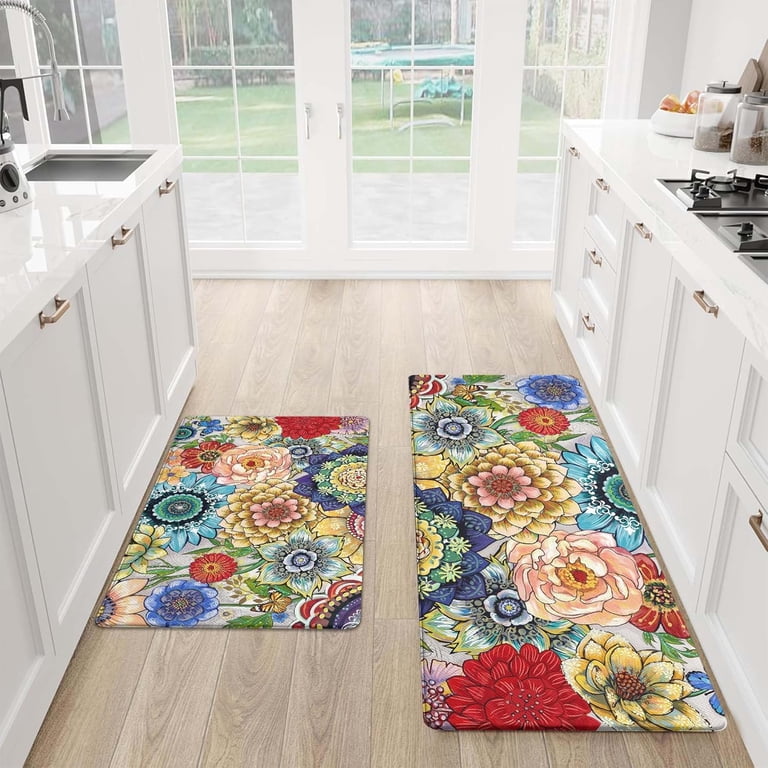
- Consider using multiple smaller mats for large areas
Where To Shop For Sustainable Mats
Choosing sustainable kitchen mats means picking mats that are good for the planet. Finding the right place to shop helps you get mats made with eco-friendly materials and fair work practices.
You can find sustainable mats from local makers or online stores that focus on green products. Both options offer unique choices that support the environment and communities.
Local Artisans And Small Businesses
Local artisans create kitchen mats using natural and recycled materials. They often use traditional methods that reduce waste and pollution. Buying from small businesses helps your local economy and supports fair work.
Look for craft fairs, farmers markets, or local shops that sell handmade mats. You can ask questions about the materials and how the mats are made. This helps you make a better choice for the environment.
Online Eco-friendly Retailers
Many online stores specialize in eco-friendly kitchen mats. They offer a wide range of products made from bamboo, organic cotton, or recycled rubber. These retailers often provide detailed product information and certifications.
Shopping online lets you compare prices and styles easily. Check for stores with clear sustainability policies and customer reviews. This helps ensure you buy mats that are truly eco-friendly.
Credit: www.walmart.com
Tips For Extending Mat Lifespan
Choosing a sustainable kitchen mat is a smart step for your home and the planet. To get the most from your mat, you need to care for it well. Good care helps keep the mat strong and looking good for a long time.
Here are some easy tips to clean and store your kitchen mat properly. These tips help protect the material and keep the mat useful for years.
Proper Cleaning Techniques
Cleaning your kitchen mat regularly stops dirt and spills from causing damage. Use gentle cleaning methods to avoid wearing out the material.
Check the mat’s label for cleaning instructions. Most mats can be cleaned with mild soap and water. Avoid harsh chemicals or bleach, as these can break down natural fibers or eco-friendly materials.
- Shake the mat outside to remove loose dirt
- Use a soft brush or cloth with mild soap and warm water
- Rinse well and let the mat air dry completely
- Do not use washing machines unless the label says it is safe
- Avoid direct sunlight during drying to prevent fading
Storage And Care
Proper storage keeps your kitchen mat in good shape when not in use. Store the mat in a dry place away from direct sunlight or heat sources.
Rolling the mat instead of folding prevents creases and damage. If the mat gets wet, make sure it is completely dry before storing to stop mold or mildew growth.
- Roll mats gently for storage, avoid folding
- Keep mats in a cool, dry area
- Do not place heavy objects on stored mats
- Air out mats regularly to prevent odors
- Inspect mats for damage and clean before long storage

Credit: www.overstock.com
Frequently Asked Questions
What Materials Are Best For Sustainable Kitchen Mats?
Natural materials like organic cotton, bamboo, and jute are best for sustainable kitchen mats. They are biodegradable and eco-friendly. Avoid synthetic fibers that harm the environment. These materials also provide durability and comfort, making them ideal for kitchen use.
How To Identify Eco-friendly Kitchen Mats?
Look for certifications like GOTS or OEKO-TEX on kitchen mats. These labels ensure the product meets environmental and safety standards. Also, check if the mat is made from renewable or recycled materials. Transparency from the brand about sourcing confirms eco-friendliness.
Why Choose Biodegradable Kitchen Mats?
Biodegradable kitchen mats break down naturally without polluting soil or water. They reduce landfill waste and minimize your carbon footprint. Choosing biodegradable mats supports sustainable living and protects the environment. They are a smart choice for eco-conscious households.
How To Maintain Sustainable Kitchen Mats?
Clean sustainable kitchen mats gently with mild soap and water. Avoid harsh chemicals that damage natural fibers. Regular maintenance extends their life and keeps them eco-friendly. Proper care reduces waste and replacement frequency.
Conclusion
Choosing sustainable kitchen mats helps protect the planet and your home. Pick mats made from natural, eco-friendly materials. Check for durability to save money over time. Consider mats that are easy to clean and safe for your family. Small changes in your kitchen can make a big difference.
Your choices today shape a greener tomorrow. Keep these tips in mind for a smart, eco-friendly kitchen. Sustainable mats combine comfort, style, and care for the Earth.