
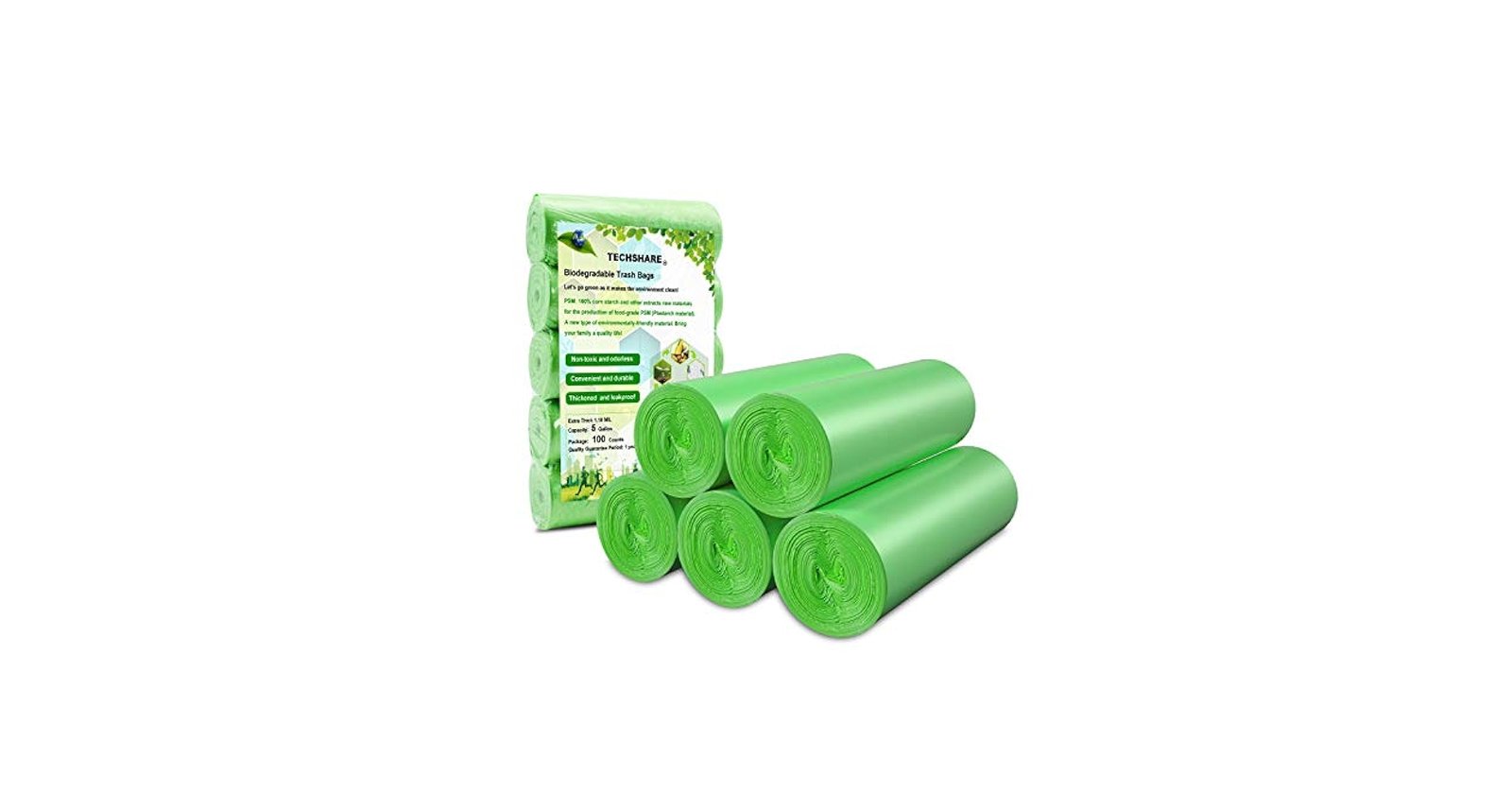
Are you ready to make a simple change that can protect the planet while keeping your home clean? Choosing the right biodegradable trash bags might seem confusing, but it doesn’t have to be.
You want bags that are strong, eco-friendly, and fit your needs perfectly. In this guide, you’ll discover exactly what to look for and how to pick the best biodegradable trash bags for your lifestyle. Keep reading to find out how easy it is to make a smart, green choice that benefits you and the environment.
Benefits Of Biodegradable Trash Bags
Biodegradable trash bags break down naturally over time. They help reduce pollution and waste problems.
Choosing these bags supports a cleaner planet. They are a good option for eco-friendly living.
Environmental Impact
Biodegradable bags reduce the amount of plastic waste in nature. They decompose faster than regular plastic bags.
These bags lower harm to animals and plants. They help keep oceans and soil cleaner.
Reducing Landfill Waste
Landfills grow less crowded with biodegradable bags. They break down into natural elements quicker than plastic.
- Less space used in dumps
- Less toxic chemicals released
- Faster waste breakdown
Supporting Sustainable Brands
Buying biodegradable bags supports companies that care about Earth. These brands use eco-friendly materials and processes.
Choosing these products encourages more green business practices. It helps grow the market for sustainable goods.

Credit: www.amazon.com
Types Of Biodegradable Materials
Biodegradable trash bags break down naturally in the environment. They help reduce plastic waste and pollution.
There are different materials used to make biodegradable bags. Each has unique features and uses.
Plant-based Plastics
Plant-based plastics come from natural sources like corn or sugarcane. They are made to replace regular plastics.
These plastics can break down faster than traditional plastics under the right conditions. They are often clear and strong.
- Made from renewable plants
- Biodegrades in industrial compost
- Reduces use of fossil fuels
Compostable Options
Compostable bags break down completely into natural elements. They leave no harmful residues behind.
These bags work well in compost piles or industrial composting facilities. They help create nutrient-rich soil.
- Made from natural materials like starch
- Break down in 90 days or less
- Safe for composting environments
Oxodegradable Bags
Oxodegradable bags have additives that help them break down with oxygen. Sunlight and heat speed this process.
These bags start to fragment into smaller pieces. They may take longer to fully biodegrade than compostable bags.
- Contain additives to speed degradation
- Break into small plastic fragments
- May not fully compost in natural settings
Key Features To Look For
Biodegradable trash bags help reduce waste impact on the environment. Choosing the right bag can make a difference.
Look for key features that ensure the bags work well and break down naturally.
Material Composition
The material used in biodegradable bags affects how they break down. Bags made from plant-based materials are better for the earth.
Common materials include cornstarch, vegetable oils, and other natural fibers. Avoid bags with too much plastic.
- Look for bags made from renewable resources
- Check if the bag is free from harmful chemicals
- Choose bags labeled as compostable or biodegradable
Strength And Durability
Bags must be strong enough to hold trash without tearing. A weak bag can cause messes and spills.
Check the bag’s thickness and tear resistance. Good bags balance strength with biodegradability.
- Look for puncture and tear resistance
- Choose bags designed for your trash weight
- Test small packs before buying in bulk
Decomposition Time
Decomposition time shows how fast the bag breaks down in nature. Shorter times help reduce landfill waste.
Check for certification or labels that state the breakdown time. Bags that decompose within months are best.
- Look for bags that decompose in under one year
- Choose bags certified by environmental standards
- Avoid bags that take several years to break down
Certifications And Labels
Buying biodegradable trash bags means checking for proper certifications and labels. These prove the product meets eco-friendly standards. They help you pick the best bags for the environment.
Understanding these certifications makes it easier to avoid bags that only claim to be green. Look for trusted marks to ensure real biodegradability and compostability.
Compostability Certifications
Compostability certifications show that trash bags break down safely in compost settings. These bags turn into natural materials without harming the soil.
Common certifications include:
- OK Compost: Proves the bag breaks down in industrial composting.
- ASTM D6400: A US standard for compostable plastics.
- EN 13432: European standard for compostability.
Biodegradability Standards
Biodegradability standards confirm trash bags decompose naturally over time. They focus on how fast and fully the bags break down in the environment.
Look for these standards on packaging:
- ISO 14855: Measures biodegradation under composting conditions.
- ASTM D5988: Tests biodegradability in soil.
- EN 17033: European norm for biodegradable mulch films, also used for bags.
Eco-labels To Trust
Eco-labels help shoppers identify products with verified environmental benefits. Trusted labels ensure the bag’s claims are checked by independent groups.
Some reliable eco-labels for biodegradable bags are:
- Green Seal: Certifies products meet strict environmental standards.
- USDA BioPreferred: Shows a product contains renewable materials.
- European Bioplastics Label: Marks products made from bioplastics.
Sizing And Capacity Options
Choosing the right biodegradable trash bags can be confusing. It’s important to know the different sizing and capacity options available. This will help you pick the best bags for your needs.
Consider the size and type of trash you have. This ensures your bags will fit perfectly and handle the waste efficiently.
Choosing The Right Size
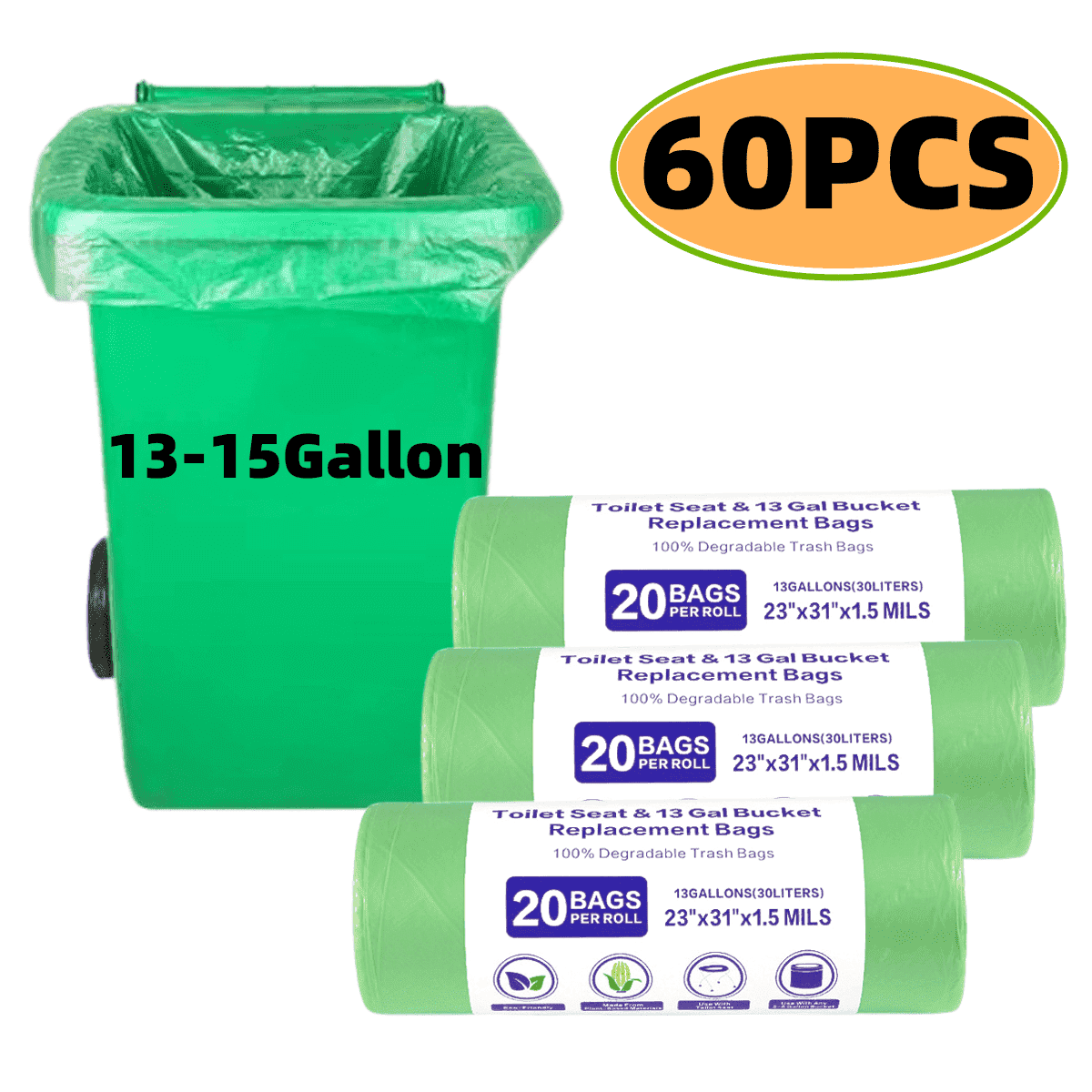
Trash bags come in many sizes. You need to match the bag size to your trash can. Small cans use smaller bags, while large cans need bigger ones.
- 4-6 gallon bags for small bins
- 8-10 gallon bags for medium bins
- 13-15 gallon bags for standard kitchen bins
- 30+ gallon bags for outdoor cans
Matching Bags To Trash Types
Different trash types need different bags. Kitchen waste often includes wet items, requiring strong bags. Recyclables might need bags that are easy to separate.
Consider the type of waste you usually throw away. This helps you choose bags that won’t tear or leak.
- Use thick bags for kitchen waste
- Choose clear bags for recyclables
- Opt for scented bags for bathroom trash
Credit: www.walmart.com
Price Considerations
Buying biodegradable trash bags needs careful thought about price. You want good bags without spending too much.
Price affects the kind of bags you get. Knowing what to expect helps you find the best deal.
Cost Vs. Quality
Cheap bags may seem like a good choice, but they might tear easily. Stronger bags cost more but last longer.
Good quality bags reduce waste and save money over time. Look for bags that balance price and durability.
- Low-cost bags may break or leak
- High-quality bags hold heavy trash better
- Some mid-range bags offer good strength and price
Bulk Buying Benefits
Buying in bulk lowers the price per bag. This saves money if you use many bags regularly.
Bulk packs can reduce trips to the store and keep you stocked longer. Check for deals on large packages.
- Bulk buying lowers cost per bag
- Large packs reduce shopping frequency
- Look for bulk deals at local stores or online
Where To Buy Biodegradable Bags
Biodegradable trash bags are a better choice for the environment. Many people want to buy them but do not know where to start. There are several places to find these bags, both online and in physical stores.
It helps to know the best places to shop for biodegradable bags. This guide explains where you can find them easily.
Online Retailers
Online stores offer a wide range of biodegradable trash bags. You can compare brands, sizes, and prices from your home. Many websites provide customer reviews to help you choose.
Shopping online is convenient and often has better deals. You can order in bulk and get the bags delivered to your door.
- Large e-commerce websites
- Eco-friendly product shops
- Specialty packaging stores
Local Eco-friendly Stores
Many cities have shops that focus on green products. These stores often stock biodegradable trash bags. You can see the products in person and ask staff questions.
Shopping locally supports small businesses. It also reduces packaging waste and shipping emissions.
- Health food stores with eco sections
- Zero-waste shops
- Natural living stores
Subscription Services
Some companies offer subscription plans for biodegradable trash bags. You receive new bags regularly without reordering. This makes it easier to keep a steady supply.
Subscriptions often include options to customize bag size and quantity. They can save time and help reduce plastic waste consistently.
Tips For Proper Disposal
Using biodegradable trash bags helps reduce waste harm to the planet. Proper disposal ensures they break down correctly.
Follow these tips to dispose of biodegradable bags in an eco-friendly way.
Composting Guidelines
Biodegradable trash bags work best in composting systems. Check if your bags are compostable before use.
Place the bags in a home or industrial compost bin. Avoid mixing with non-compostable waste.
- Use bags labeled as compostable
- Cut bags into smaller pieces for faster breakdown
- Keep compost moist and aerated
- Do not compost bags with plastic coatings
Avoiding Contamination
Contamination slows down biodegradation. Keep biodegradable bags clean and dry before disposal.
Do not mix biodegradable bags with regular plastic bags or hazardous waste. This keeps recycling streams pure.
- Dispose of food scraps inside the bags
- Do not throw chemicals or oils in the bags
- Separate biodegradable waste from recyclables
- Check local rules for compostable bag disposal
Waste Management Practices
Proper waste management supports biodegradation. Use bins marked for organic or compostable waste.
Contact your local waste service to learn if they accept biodegradable bags. Some areas have special collection programs.
- Sort waste into correct bins
- Follow collection schedules for organic waste
- Do not place biodegradable bags in landfill trash
- Educate family and friends on proper disposal
Common Misconceptions
Many people want to use biodegradable trash bags to help the environment. They believe these bags break down quickly and safely. This is not always true.
This article explains common misconceptions about biodegradable trash bags. It also helps you understand the difference between biodegradable and compostable bags.
Biodegradable Vs. Compostable
People often think biodegradable and compostable mean the same thing. They do not. Biodegradable means the bag can break down over time. Compostable means it breaks down into safe materials fast.
Biodegradable bags may take months or years to break down. Compostable bags break down in a few months in a compost bin. Compostable bags also meet strict standards for safety.
- Biodegradable bags can leave harmful residues.
- Compostable bags turn into healthy compost.
- Look for certification labels on compostable bags.
Environmental Claims To Question
Some trash bags claim to be eco-friendly but do not explain how. These claims can be confusing. Some bags say biodegradable but need special conditions to break down.
Check if the bag breaks down in home compost or industrial compost. Also, see if it leaves plastic bits behind. Not all “green” bags are good for the environment.
- Ask if the bag is certified compostable.
- Check if it breaks down in natural settings.
- Beware of vague terms like “oxo-biodegradable.”
- Look for clear information on packaging.

Credit: www.amazon.com
Frequently Asked Questions
What Are Biodegradable Trash Bags Made Of?
Biodegradable trash bags are made from plant-based materials like cornstarch or vegetable oils. These materials break down naturally. They decompose faster than regular plastic bags, reducing landfill waste and environmental harm.
How To Identify Truly Biodegradable Trash Bags?
Look for certifications like ASTM D6400 or EN 13432 on the packaging. Check if the bags specify compostability or biodegradability. Verified labels ensure the bags break down safely in industrial composting facilities.
Are Biodegradable Trash Bags As Strong As Regular Bags?
Many biodegradable bags match regular plastic bags in strength and durability. However, some may tear easier if overloaded. Choose thicker bags or reinforced designs for heavy waste to avoid breakage.
Can Biodegradable Trash Bags Be Composted At Home?
Not all biodegradable bags are suitable for home composting. Some require industrial composting conditions. Always check product instructions to ensure proper disposal for effective breakdown.
Conclusion
Choosing biodegradable trash bags helps protect the environment. These bags break down faster than regular plastic. Check the materials and certifications before buying. Size and strength matter for your needs. Remember to buy from trusted brands. Small changes like this make a big difference.
Start using eco-friendly bags today. Your planet will thank you.