
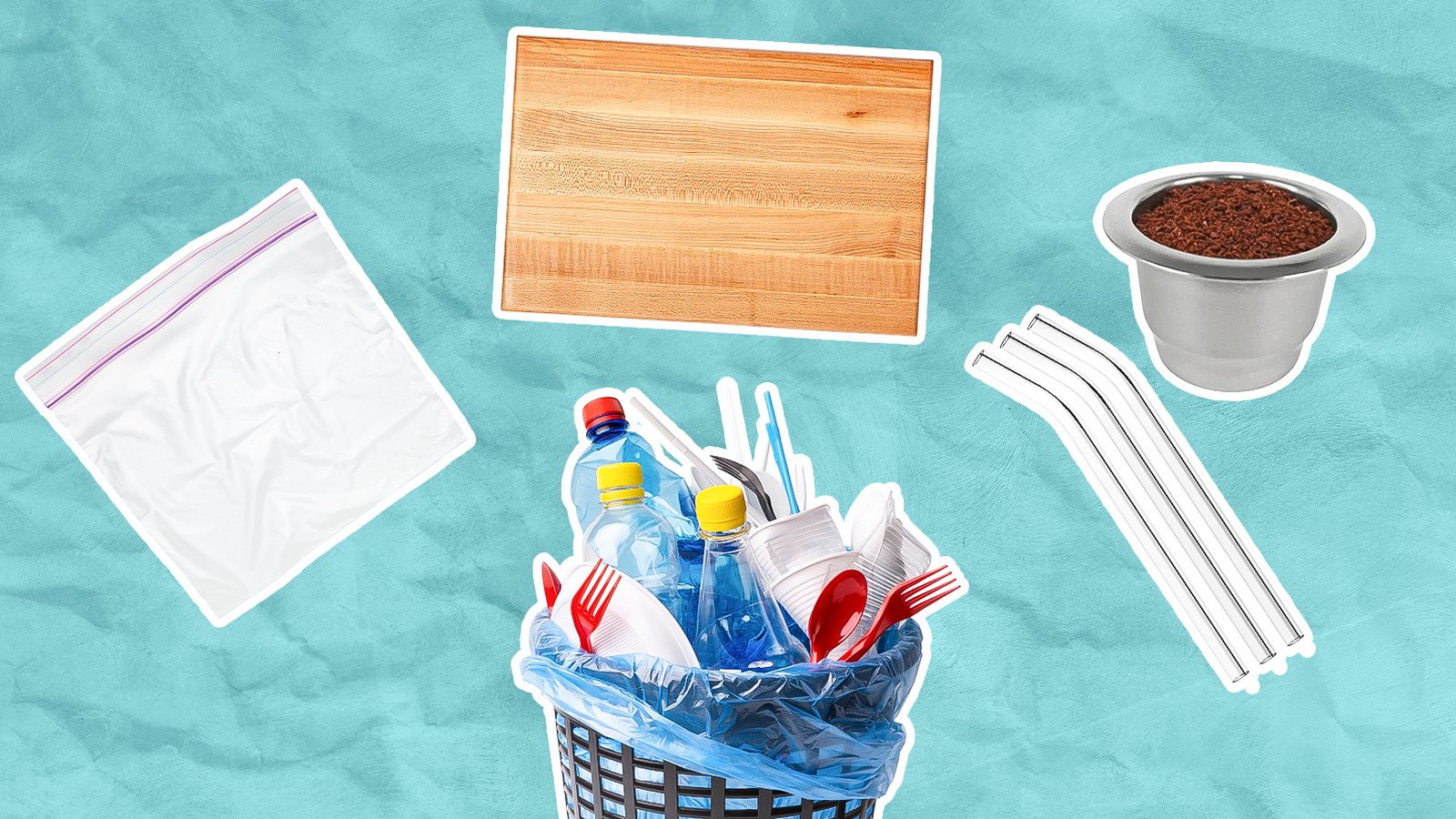
You use your kitchen every day, but have you ever stopped to think about how much single-use plastic it produces? From plastic wrap to disposable bags, these items quietly pile up and harm the environment.
What if you could make simple changes that save money, reduce waste, and make your kitchen a cleaner, greener place? Keep reading, and you’ll discover easy, practical steps you can take right now to cut down on single-use plastic—and feel great about the difference you’re making.
Cut Plastic Packaging
Reducing single-use plastic in the kitchen is essential. Plastic packaging often ends up in landfills. We can make simple changes to minimize plastic waste.
Cutting down on plastic packaging is a good start. It helps the environment and reduces waste. Here are some practical steps to help you get started.
Choose Bulk And Loose Items
Buying in bulk can reduce plastic use. Choose loose items instead of pre-packaged ones. This way, you use fewer plastic bags and containers.
Many stores offer bulk sections. You can find grains, nuts, and spices there. Use your own containers to store these items at home.
- Look for stores with bulk bins
- Bring your own jars or bags
- Avoid pre-packaged produce
Shop With Reusable Bags
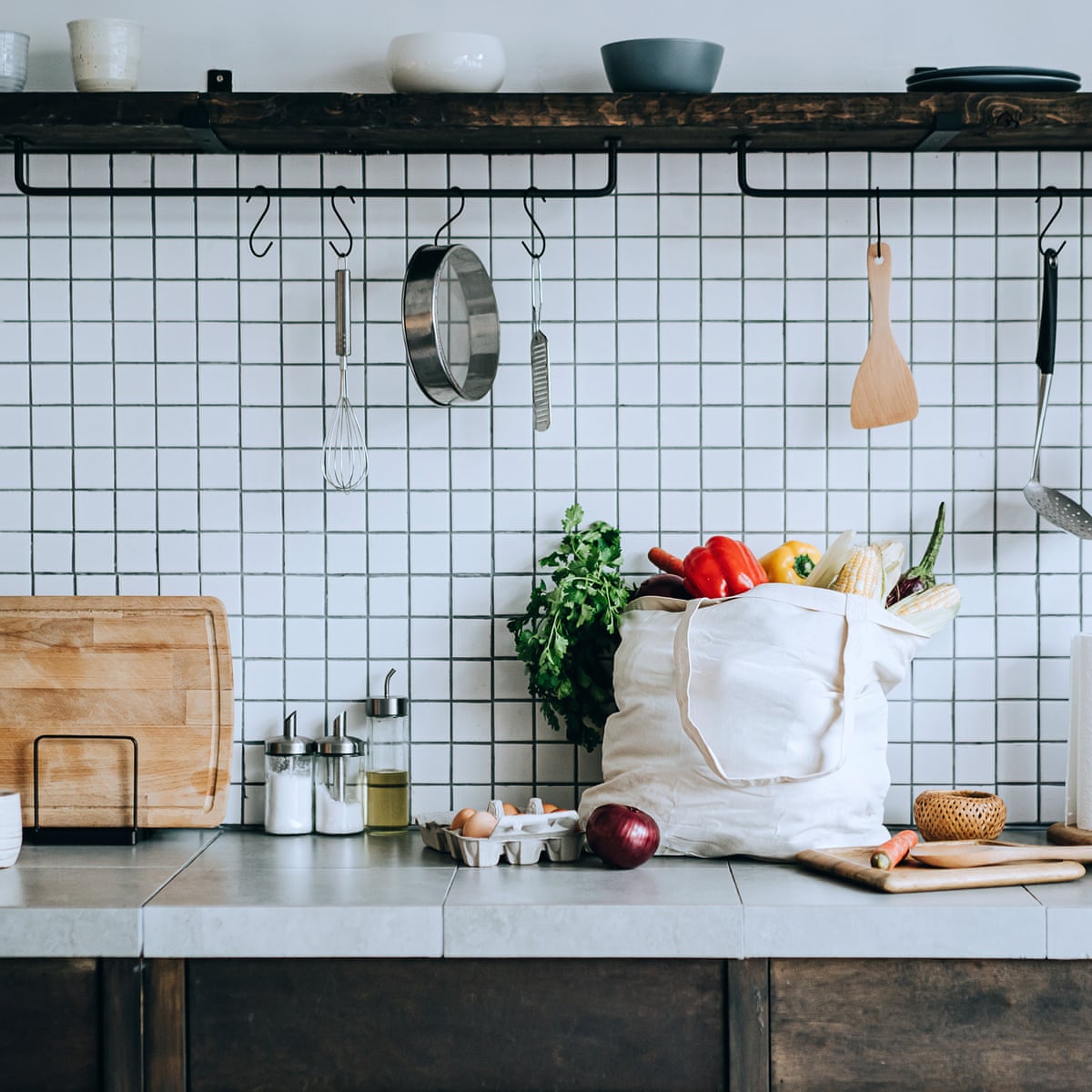
Reusable bags are better than plastic ones. They help cut down on waste. Bring them every time you shop for groceries.
Keep reusable bags in your car or by the door. This way, you won’t forget them. Some stores even offer discounts for using them.
- Choose cloth or canvas bags
- Store them in easy-to-remember places
- Use for all types of shopping
Credit: www.theguardian.com
Switch To Reusables
Single-use plastics create a lot of waste in kitchens. Switching to reusable items helps reduce this waste. Reusables last longer and are better for the environment.
Many simple swaps can cut down plastic use. Using cloth towels, beeswax wraps, and glass or metal containers are easy changes.
Use Cloth Towels Instead Of Paper
Cloth towels can replace paper towels in the kitchen. They are washable and can be used many times. This cuts down on single-use paper waste.
Choose soft, absorbent cloth towels for wiping spills and cleaning surfaces. Keep a few cloth towels handy for daily kitchen tasks.
Replace Plastic Wrap With Beeswax Wraps
Beeswax wraps cover food like plastic wrap but are reusable. They keep food fresh without plastic waste. Beeswax wraps are easy to clean with cold water.
You can wrap sandwiches, fruits, or cover bowls. Beeswax wraps are flexible and mold to shapes using your hands.
Opt For Glass Or Metal Containers
Glass and metal containers last longer than plastic ones. They do not absorb smells or stains. These containers are safe for hot and cold food.
Using glass or metal helps reduce plastic waste. Store leftovers and pack lunches in these containers to avoid single-use plastic bags.
Rethink Food Storage
Reducing single-use plastic in the kitchen starts with how you store food. Changing your food storage habits helps cut down plastic waste.
Using reusable and smart storage options keeps food fresh and reduces the need for disposable plastic bags and wraps.
Store Leftovers Smartly
Keep leftovers in glass or stainless steel containers instead of plastic wrap. These containers can be used again and again.
Label containers with dates to use food before it goes bad. This reduces waste and the need for new plastic bags.
- Choose containers with tight lids to keep food fresh
- Use stackable containers to save space in the fridge
- Wash and reuse containers instead of throwing them away
Use Silicone Bags And Lids
Silicone bags and lids are great alternatives to single-use plastic. They are flexible, washable, and can be used many times.
These items work well for storing snacks, fruits, and covering bowls. They help keep food fresh without plastic waste.
- Silicone bags seal tightly to prevent leaks
- Silicone lids stretch to fit different bowl sizes
- Both can be cleaned in the dishwasher for easy use

Credit: creators.yahoo.com
Eco-friendly Cleaning
Reducing single-use plastic in the kitchen helps protect the planet. You can start by making simple changes in cleaning habits.
Eco-friendly cleaning uses less plastic and safer products. It keeps your kitchen clean and the environment healthy.
Ditch Plastic Sponges
Plastic sponges break down into tiny pieces that pollute water. They also do not last long and add to waste.
Choose reusable sponges made from natural materials. These sponges are compostable and safer for the environment.
- Use sponges made from cellulose or cotton
- Try loofah sponges for scrubbing
- Replace sponges less often to reduce waste
Choose Natural Cleaning Products
Many cleaning products come in plastic bottles and contain harsh chemicals. These chemicals can harm your health and nature.
Pick natural cleaners that come in glass or refillable containers. You can also make your own cleaners using simple ingredients.
- Use vinegar and baking soda for cleaning
- Buy soap bars instead of liquid soap in plastic
- Look for refill stations to reduce packaging
Rethink Kitchen Tools
Reducing single-use plastic in the kitchen helps protect the environment. Small changes in kitchen tools can make a big difference.
Choosing reusable and natural materials lowers plastic waste. This guide focuses on rethinking your kitchen tools.
Select Bamboo Or Wooden Utensils
Bamboo and wooden utensils are strong and last a long time. They are natural and break down easily after use.
These utensils do not add plastic waste to landfills. They also feel nice to hold and use while cooking.
- Bamboo is lightweight and grows quickly
- Wooden tools are durable and heat resistant
- Both materials are compostable
- They do not contain harmful chemicals
Avoid Single-use Cutlery And Straws
Single-use plastic cutlery and straws create a lot of waste. They are used once and then thrown away.
Use reusable metal, bamboo, or silicone options instead. These last much longer and reduce trash.
- Keep a set of reusable cutlery in your bag
- Choose metal or bamboo straws
- Avoid plastic forks, spoons, and knives
- Carry a straw cleaner to reuse straws safely

Credit: www.yahoo.com
Compost And Recycle
Reducing single-use plastic in the kitchen helps protect the environment. Composting and recycling are two key ways to cut down plastic waste.
These actions turn waste into useful materials and keep plastic out of landfills and oceans.
Set Up A Compost Bin
Composting turns food scraps into nutrient-rich soil. Set up a bin in your kitchen or outside to collect compostable waste.
Add items like fruit peels, vegetable scraps, coffee grounds, and eggshells. Avoid plastics, meat, and dairy.
- Choose a container with a lid to reduce smells
- Empty the bin regularly into a larger compost pile or municipal compost
- Mix green waste (food scraps) with brown waste (leaves or paper) for balance
Sort Waste Properly
Sorting waste helps recycle plastic correctly. Separate plastics, paper, glass, and metals before disposal.
Clean containers and remove food residues. Dirty items can contaminate recyclables and cause rejection.
- Use separate bins for recyclables and trash
- Check local recycling rules to know what plastics to recycle
- Flatten plastic bottles and containers to save space
Buy From Eco Brands
Choosing eco brands helps reduce single-use plastic in your kitchen. These brands focus on products that use less plastic or none at all.
By buying from eco brands, you support companies that care about the environment. This choice encourages more plastic-free options.
Support Plastic-free Products
Look for kitchen items made without plastic. Many eco brands offer products from materials like glass, bamboo, and stainless steel.
These products last longer and create less waste. Switching to plastic-free items helps keep your kitchen green and clean.
- Glass storage containers instead of plastic ones
- Bamboo utensils and cutting boards
- Stainless steel water bottles and straws
- Reusable beeswax wraps instead of plastic wrap
Look For Sustainable Certifications
Sustainable certifications show products meet eco-friendly standards. These labels help you choose items with less plastic impact.
Check for certifications on packaging or brand websites. They prove the product is made with care for the planet.
- FSC (Forest Stewardship Council) for wood and bamboo products
- Cradle to Cradle for safe, recyclable products
- Green Seal for eco-friendly cleaning supplies
- Fair Trade for socially responsible production
Frequently Asked Questions
What Are Easy Ways To Reduce Single-use Plastic In Kitchen?
Start by using reusable bags, containers, and wraps. Avoid plastic utensils and straws. Choose bulk items and fresh produce. Switch to glass or metal storage options. These small steps significantly cut single-use plastic waste in your kitchen.
How Can I Replace Plastic Wrap In The Kitchen?
Use beeswax wraps, silicone lids, or cloth covers instead. These alternatives are reusable, eco-friendly, and keep food fresh. They reduce plastic waste and save money over time. Avoid cling film to minimize plastic pollution.
Which Kitchen Items Commonly Contain Single-use Plastic?
Common items include plastic bags, disposable cutlery, straws, cling wrap, and packaging. Identifying these helps in finding reusable or biodegradable alternatives. Reducing these items lowers plastic pollution and promotes sustainability.
How Does Reducing Kitchen Plastic Help The Environment?
Less plastic waste means reduced landfill and ocean pollution. It lowers greenhouse gas emissions from plastic production. This protects wildlife and conserves natural resources. Small changes in the kitchen contribute to global environmental health.
Conclusion
Reducing single-use plastic in your kitchen helps the planet. Small changes make a big difference over time. Choose reusable bags, containers, and wraps instead. Buy in bulk to cut down on plastic waste. Clean habits lead to a cleaner, safer home.
Everyone can join this effort to protect nature. Start today and watch your impact grow. It’s simple, easy, and good for future generations. Keep trying, keep changing, and keep the Earth healthy.