
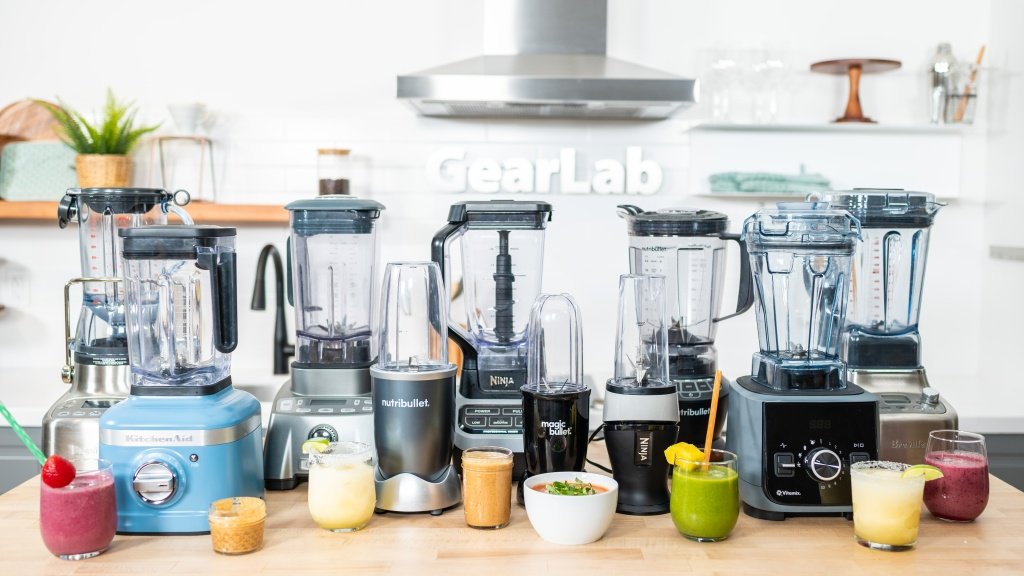
Looking for a blender that saves energy without sacrificing power? Choosing an energy-efficient blender can cut your electricity bills and help the environment, but with so many options out there, it’s easy to feel overwhelmed.
You want a blender that works fast, lasts long, and uses less energy—but how do you find the right one? Keep reading, and you’ll discover simple tips that make picking the perfect energy-saving blender easy and stress-free. Your kitchen deserves the best, and so do you.
Benefits Of Energy-efficient Blenders
Choosing an energy-efficient blender can save you money and help the planet. These blenders use less power while providing excellent results.
Let’s explore how they lower electricity bills, benefit the environment, and enhance performance.
Lower Electricity Bills
Energy-efficient blenders consume less electricity. This results in lower utility bills over time. They are designed to use power more effectively.
With rising energy costs, these savings add up. It makes energy-efficient blenders a smart choice for every household.
Environmental Impact
Reducing energy use helps the environment. Energy-efficient blenders produce fewer carbon emissions. This helps combat climate change.
Choosing such blenders supports eco-friendly practices. It’s a simple way to make a positive impact on our planet.
Enhanced Performance
These blenders are not just efficient; they perform well too. They blend ingredients smoothly and quickly. This ensures you get the best texture every time.
Advanced technology in these blenders leads to consistent results. Enjoy making smoothies, soups, and more with ease.
- Consistent blending results
- Quick operation saves time
- Suitable for various recipes
Key Features To Look For
Choosing an energy-efficient blender saves electricity and reduces bills. It also helps the environment by using less power.
Look for specific features that improve efficiency and performance. These features make the blender work well without wasting energy.
Motor Power And Efficiency
Motor power tells you how strong the blender is. Choose a motor that matches your blending needs without being too large.
Efficient motors use less electricity while providing enough power. Look for blenders with energy-saving motors to cut energy use.
- Check the wattage; 300-600 watts is good for most tasks
- High-efficiency motors use less power for the same output
- Brushless motors last longer and save energy
Blade Design And Material
Blades affect how well your blender cuts and mixes food. Strong blades need less power to do the job.
Look for blades made of stainless steel. This material stays sharp longer and resists rust, helping the blender run efficiently.
- Sharp blades blend faster and use less energy
- Stainless steel blades resist wear and tear
- Multi-angle blades improve blending performance
Speed Settings And Controls
Speed options help you control how fast the blades move. Use the right speed for each task to save energy and get better results.
Simple and clear controls make it easy to pick the best speed. Some blenders have preset programs that match common blending jobs.
- Multiple speed settings offer better control
- Pulse function blends quickly without wasting power
- Preset modes simplify blending and reduce energy use
Energy-saving Modes
Some blenders have special modes to reduce power use. These modes adjust motor speed and time automatically.
Energy-saving modes help you blend efficiently without guesswork. They also protect the motor from overheating.
- Auto shut-off saves energy when blending stops
- Eco modes lower power use for light blending
- Overload protection prevents motor damage
Types Of Energy-efficient Blenders
Choosing an energy-efficient blender helps save electricity and reduce bills. Different types of blenders use power in various ways.
Understanding the types of energy-efficient blenders makes it easier to pick the right one for your kitchen needs.
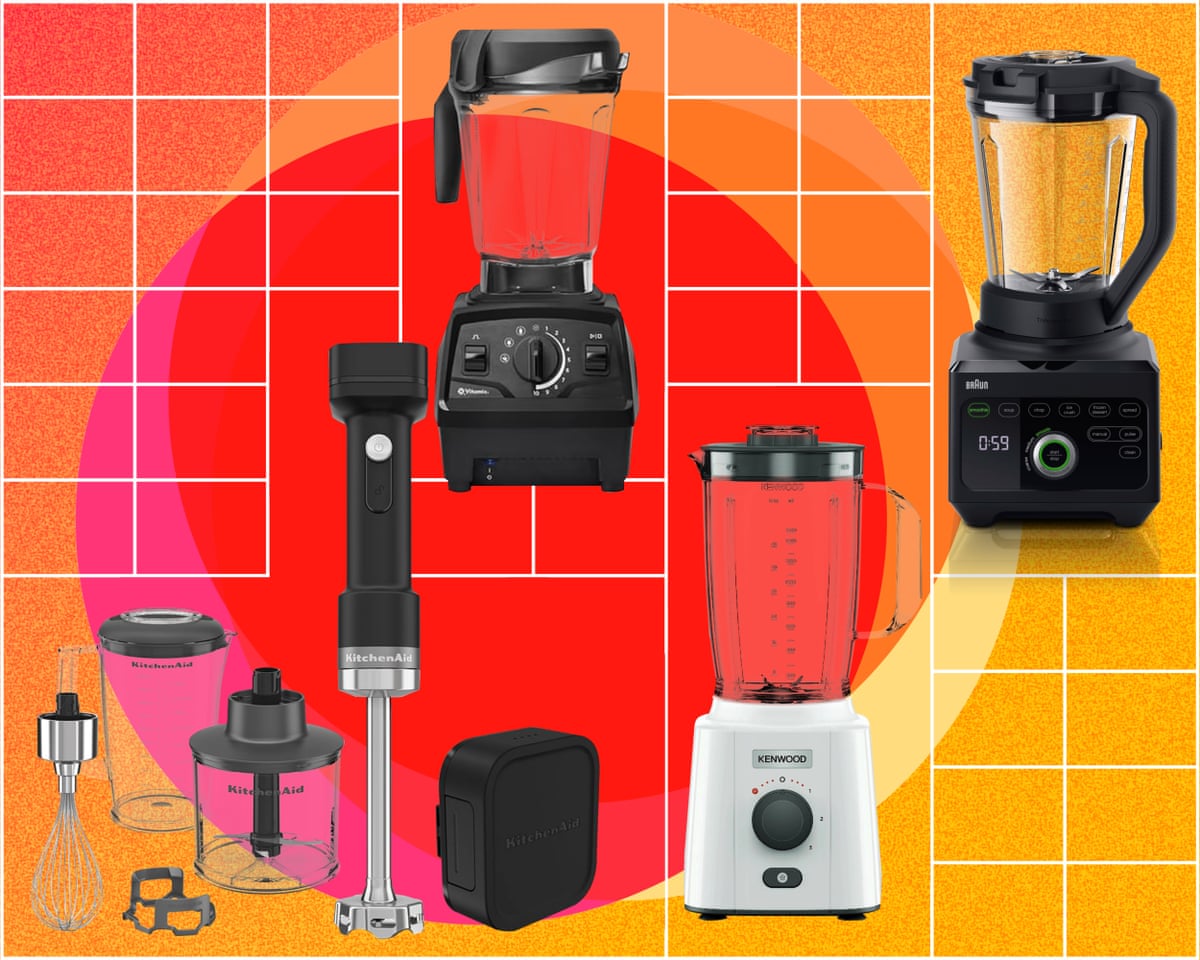
Countertop Blenders
Countertop blenders are the most common type. They have powerful motors for tough tasks like crushing ice or blending thick mixtures.
Energy-efficient models use less power by running motors at variable speeds. They stop automatically when blending is done.
- Use variable speed motors
- Auto shut-off feature saves power
- Good for large quantities
Immersion Blenders
Immersion blenders are handheld and easy to use. They blend directly in pots or bowls, reducing extra dishwashing.
These blenders consume less energy because they have smaller motors and are used for short times.
- Small, efficient motors
- Used for quick blending tasks
- Save energy by blending in place
Personal Blenders
Personal blenders are compact and made for single servings. They use less power than larger blenders.
They work well for smoothies and small recipes. Their small size helps save electricity during use.
- Compact and lightweight
- Designed for small portions
- Lower power consumption
Credit: www.theguardian.com
Comparing Popular Brands
Choosing an energy-efficient blender saves power and money. Different brands offer various models with unique features.
Knowing the strengths of each brand helps you pick the right blender. Look at power use, design, and price.
Top Energy-efficient Models
Some brands focus on low power use without losing blending strength. These models use smart motors and blades.
- Brand A: Uses a motor that adjusts speed based on load.
- Brand B: Has a blade design that blends faster with less power.
- Brand C: Offers models with energy-saving modes.
Customer Reviews And Ratings
Customer feedback shows how well blenders work in real life. Energy use and blending quality are common points.
Look for reviews that mention low electricity bills and strong performance. High ratings often mean good energy efficiency.
- Check if users say the blender saves power.
- See if the blender handles tough ingredients fast.
- Note if customers mention quiet and smooth operation.
Warranty And Support
A good warranty protects your purchase. Energy-efficient blenders may have special parts that need coverage.
Choose brands that offer long warranties and easy customer service. This helps if the blender stops working well.
- Look for at least one year of warranty.
- Check if the company offers online support or phone help.
- Find out if replacement parts are easy to get.
Tips For Maintaining Efficiency
Keeping your blender energy-efficient means it works well and uses less power. Simple habits help your blender last longer and blend better.
Clean parts and use the blender carefully. Regular care keeps the motor and blades in good shape.
Proper Cleaning Techniques
Clean your blender after every use. This stops food from building up and makes the motor work harder.
Use warm water and mild soap to wash the jar and blades. Avoid harsh cleaners that can damage parts.
- Rinse the jar right after use
- Use a soft brush for the blades
- Dry parts completely before reassembling
- Never soak the motor base
Regular Blade Sharpening
Dull blades make the blender use more energy. Sharp blades cut ingredients faster and save power.
Check blades often for dullness or damage. Sharpen or replace them to keep the blender efficient.
- Use a sharpening tool made for blender blades
- Handle blades with care to avoid injury
- Replace blades if sharpening does not help
Safe Usage Practices
Use your blender as the manual suggests. Overloading or running it too long wastes energy and harms the motor.
Give the blender breaks during heavy use. This helps the motor stay cool and run smoothly.
- Do not fill the jar over the max line
- Cut ingredients into small pieces before blending
- Turn off the blender before removing the jar
- Unplug the blender when not in use
:max_bytes(150000):strip_icc()/faw-blender-sep-24-test-vitamix-explorian-310-rkilgore-1140-1-1b7741df57004b8d8c2221b29a81c92c.jpeg)
Credit: www.foodandwine.com
Budgeting For An Energy-efficient Blender
Choosing an energy-efficient blender means thinking about the cost and the benefits. You want a blender that saves power and fits your budget.
Planning your spending helps you find the best blender for your needs without wasting money.
Price Ranges And Features
Energy-efficient blenders come at different prices. Cheaper models have basic features. More expensive ones offer extra functions and better designs.
- Low price: Simple motor, fewer speed options
- Mid price: Stronger motor, multiple speeds, energy saving modes
- High price: Advanced motors, digital controls, quiet operation
Pick a blender with features you really need. Extra features may cost more but can save energy.
Long-term Savings
Energy-efficient blenders use less electricity. This saves money on your power bill over time.
Consider how often you will use the blender. Frequent use means bigger savings with an efficient model.
- Lower power use means smaller electric bills
- Durable parts reduce repair costs
- Good warranties protect your investment
Where To Buy
You can buy energy-efficient blenders in stores or online. Both have pros and cons.
Stores let you see and test the blender. Online shops often have more choices and better prices.
- Check appliance and kitchen stores for hands-on experience
- Look at online retailers for user reviews and deals
- Compare prices and features before buying
Credit: www.techgearlab.com
Frequently Asked Questions
What Makes A Blender Energy-efficient?
An energy-efficient blender uses less power while maintaining strong blending performance. It typically has a high-efficiency motor and optimized blade design to reduce electricity consumption without compromising results.
How To Identify Energy-saving Blender Features?
Look for blenders with Energy Star ratings, variable speed settings, and power-efficient motors. These features help minimize energy use during blending tasks and improve overall appliance efficiency.
Are Energy-efficient Blenders More Expensive?
Energy-efficient blenders can have a higher upfront cost, but they save money long-term through lower electricity bills. Investing in one reduces energy waste and benefits both your wallet and the environment.
Can Energy-efficient Blenders Blend Tough Ingredients Well?
Yes, many energy-efficient blenders combine optimized motor power and blade design to handle tough ingredients effectively while using less energy. Look for models with strong torque and durable blades.
Conclusion
Choosing an energy-efficient blender saves money and power. Check the blender’s wattage and energy rating. Pick one with strong performance and low energy use. Think about how often you will blend. A smart choice helps the environment and your wallet.
Small steps like this make a big difference. Start blending smarter today for a greener future.