
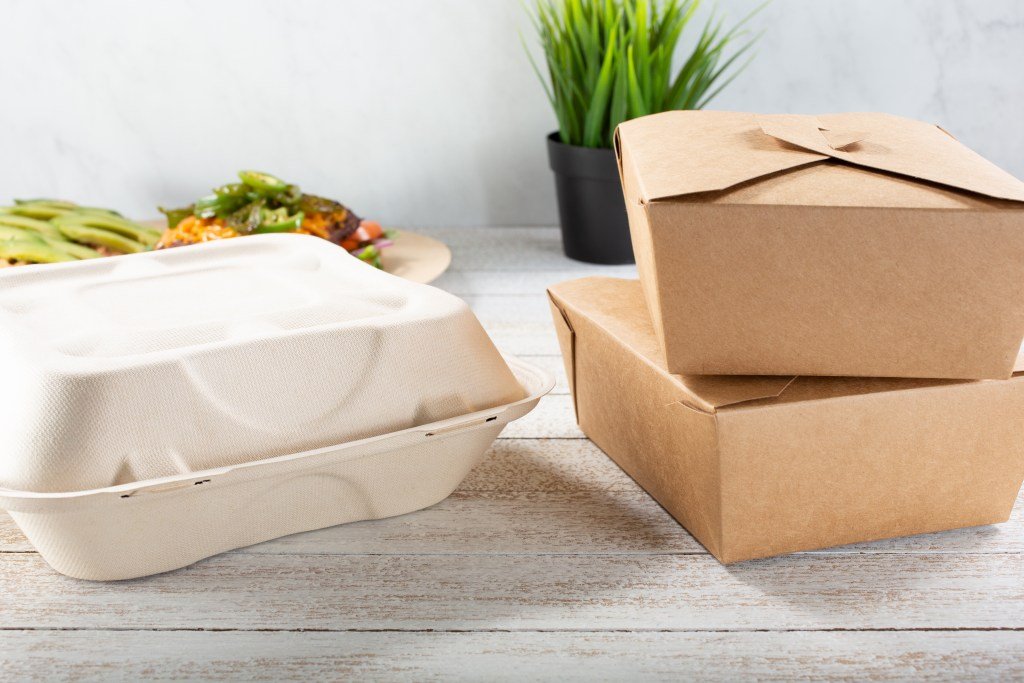
Choosing the right biodegradable containers can feel overwhelming with so many options out there. But what if you could make a choice that’s good for your needs and the planet?
You want containers that keep your food fresh, are easy to use, and break down naturally without harming the environment. You’ll discover simple tips to pick the best biodegradable containers for you. Keep reading to find out how to make a smart, eco-friendly choice that fits your lifestyle perfectly.
Benefits Of Biodegradable Containers
Biodegradable containers are good for the planet. They break down naturally over time. Choosing them helps reduce waste and protect nature.
These containers are made from plants or recycled materials. They do not harm the environment like plastic. They are a great choice for eco-friendly living.
Environmental Impact
Biodegradable containers reduce pollution. They decompose faster than plastic. This means less trash in landfills and oceans.
- Made from renewable resources
- Break down into natural elements
- Lower carbon footprint
Health And Safety
Biodegradable containers are safe for health. They do not release harmful chemicals. This makes them safer for food storage and use.
- No toxic substances
- Safe for storing food
- Better for indoor use
Cost Considerations
Biodegradable containers can cost more than plastic. But their benefits often outweigh the cost. They help save the environment and improve health.
Many people find the extra cost worth it. Supporting green products can also encourage more companies to make eco-friendly choices.
Credit: oxopackaging.com
Types Of Biodegradable Materials
Biodegradable containers break down naturally in the environment. They help reduce waste and pollution.
Different materials can make biodegradable containers. Each type has its own features and uses.
Plant-based Plastics
Plant-based plastics come from natural plants like corn or sugarcane. They look like regular plastic but break down faster.
These plastics are good for single-use containers. They reduce the need for fossil fuels.
- Made from renewable plants
- Compostable under certain conditions
- Used for cups, cutlery, and bags
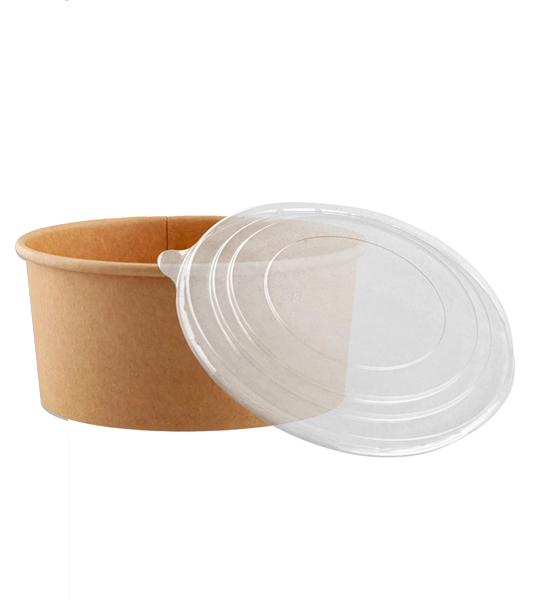
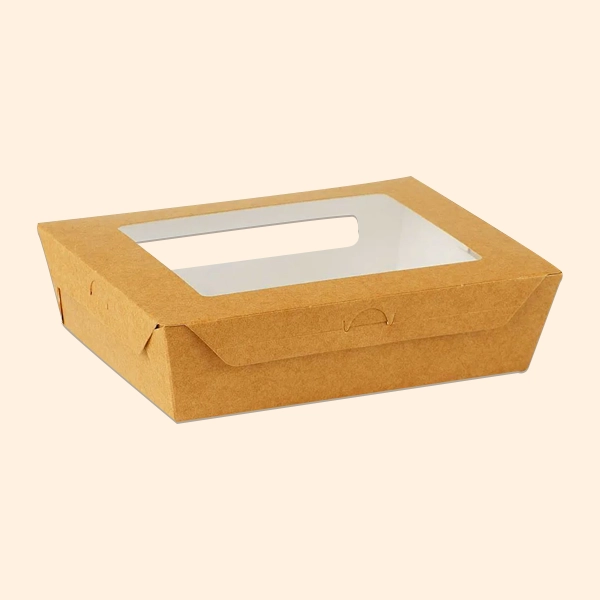
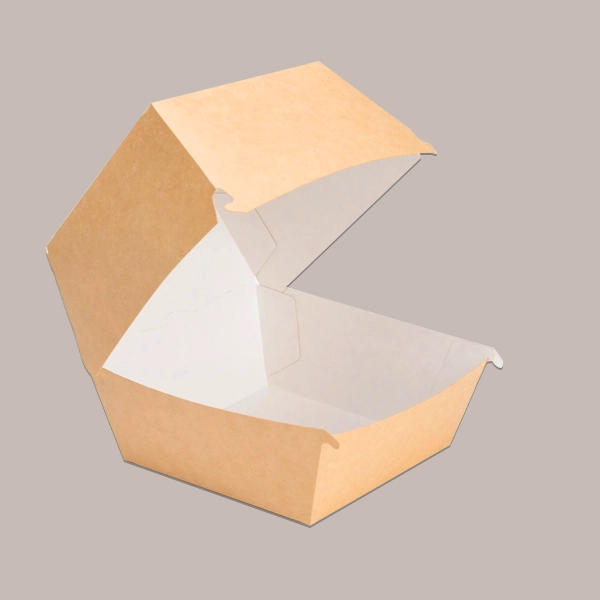
Paper And Cardboard
Paper and cardboard containers come from wood pulp. They are easy to recycle and break down quickly.
These containers often have coatings to keep food fresh. Look for options with biodegradable coatings.
- Made from natural fibers
- Good for boxes, cups, and plates
- Recyclable and compostable
Bagasse And Palm Leaves
Bagasse is the leftover fiber from sugarcane after juice is extracted. Palm leaves are fallen leaves shaped into containers.
Both materials are sturdy and fully compostable. They work well for hot or cold food.
- Bagasse is strong and heat-resistant
- Palm leaf containers have a natural look
- Both break down in home compost bins
Key Features To Look For
Choosing the right biodegradable container is important for the environment and your needs. Look for key features that ensure the container works well and breaks down safely.
Focus on compostability standards, durability, and water resistance to find the best option for your use.
Compostability Standards
Check if the container meets recognized compostability standards. This shows it breaks down safely in composting conditions.
Look for certifications like ASTM D6400 or EN 13432. These prove the container is tested for composting.
- ASTM D6400: US standard for compostability
- EN 13432: European standard for industrial composting
- OK Compost: Certification for industrial composting
Durability And Strength
Biodegradable containers must be strong enough to hold food without breaking. Check the material’s thickness and build quality.
Good durability means the container can handle weight and pressure during use and transport.
- Look for tear-resistant materials
- Check if the container holds liquids or solids well
- Choose containers that keep shape under pressure
Water Resistance
Water resistance is key for containers that hold wet or greasy food. It stops leaks and keeps the container strong.
Find containers made with water-resistant coatings or natural fibers that resist moisture.
- Containers with biodegradable liners prevent leaks
- Look for moisture-resistant materials like bagasse or bamboo
- Water resistance helps maintain container shape and function
Credit: oxopackaging.com
Certifications And Labels
Choosing biodegradable containers needs careful checking of certifications and labels. These marks show if containers meet eco-friendly rules.
Understanding these labels helps buyers pick products that break down safely and quickly in nature.
Certified Compostable Logos
Certified compostable logos prove that containers meet specific standards for composting. They show products break down in a compost environment.
Look for well-known logos from trusted organizations. These ensure the container will not harm the soil or plants after use.
- Products with these logos pass strict testing
- Common logos include ASTM D6400 and EN 13432
- Certified containers help reduce landfill waste
Third-party Testing
Third-party testing means an independent group checks the container’s biodegradability. This testing gives unbiased proof of claims.
Check if the product label mentions third-party testing or shows test results. This information confirms the container breaks down as promised.
- Testing covers compostability and biodegradability
- Look for tests done by accredited labs
- Third-party results prevent false marketing claims
Biodegradability Claims
Biodegradability claims say the container breaks down into natural elements. These claims vary in accuracy and speed of breakdown.
Choose containers with clear labels explaining the biodegradation process and timeframe. This helps avoid products that take too long to decompose.
- Some products degrade only in industrial composting
- Others break down in home compost or soil
- Look for clear instructions and proof of claims
Choosing Based On Use Case
Biodegradable containers come in many types. It is important to pick the right one for your needs.
Different uses need different features like size, strength, and compostability time. Think about what you will use the container for.
Food Packaging
Food packaging needs containers that keep food fresh and safe. Choose containers that do not leak or break easily.
Look for containers made from materials like sugarcane or cornstarch. These are good for dry or cold foods.
Takeout And Delivery
Takeout containers must be sturdy and keep food warm. They should seal well to avoid spills during transport.
Containers made from bagasse or molded fiber are strong and heat resistant. They work well for hot meals and sauces.
- Strong to hold heavy food
- Leak-proof to prevent spills
- Heat resistant to keep food warm
Event And Catering Supplies
Event containers should be easy to carry and stack. They need to look nice and match the event style.
Choose biodegradable containers that are compostable quickly. This helps reduce waste after the event.
- Lightweight for easy transport
- Attractive design for presentation
- Fast composting for quick disposal
Disposal And Composting Tips
Choosing biodegradable containers helps reduce waste. Proper disposal and composting make a big difference.
Learn how to compost these containers safely at home or in commercial facilities. Avoid mistakes that harm the environment.
Home Composting
Biodegradable containers can break down in home compost bins. Make sure your bin is warm and moist.
Cut or break containers into small pieces. This helps microbes work faster and speeds up composting.
- Keep compost moist but not wet
- Turn compost regularly for air
- Avoid adding greasy or coated containers
Commercial Composting Facilities
Many commercial facilities accept biodegradable containers. These places use high heat and machines to break them down.
Check if your local facility accepts these containers. Some require specific labels or certifications.
- Look for ASTM D6400 or EN 13432 certification
- Follow facility rules for sorting and dropping off
- Do not mix with regular trash or recycling
Avoiding Contamination
Contamination can stop biodegradable containers from composting well. Keep food and plastic waste separate.
Rinse containers if they have food residue. Remove stickers, tape, or non-biodegradable parts before composting.
- Do not compost plastic-lined containers
- Check for non-compostable labels or parts
- Sort waste carefully to avoid contamination
Common Mistakes To Avoid
Choosing biodegradable containers can help reduce waste. But many people make mistakes that hurt the environment.
Learn about common errors. Avoid them to get the most eco-friendly choice.
Misleading Labels
Some containers say they are biodegradable but are not fully safe for nature. Labels can be confusing or false.
Look for certifications from trusted groups. Check if the container breaks down quickly without harmful residue.
- Beware of “compostable” vs. “biodegradable” terms
- Check for third-party certification logos
- Read the fine print for time and conditions
Mixing With Regular Plastics
Do not mix biodegradable containers with regular plastics. This can spoil the recycling process.
Separate biodegradable containers when disposing. Mixing wastes resources and harms the environment.
- Use separate bins for biodegradable waste
- Educate staff or family about sorting properly
- Avoid buying containers that look like plastic but are not
Ignoring Local Regulations
Different places have rules about biodegradable containers. Ignoring them can cause fines or waste.
Check your local laws before buying or disposing of these containers. Follow instructions carefully.
- Some areas require certain certifications
- Disposal methods may vary by region
- Local composting facilities may accept only specific types
Credit: oxopackaging.com
Frequently Asked Questions
What Are Biodegradable Containers Made Of?
Biodegradable containers are typically made from plant-based materials like cornstarch, sugarcane, and bamboo. These materials break down naturally, reducing environmental impact compared to plastic. They decompose quickly in composting conditions, making them eco-friendly alternatives for packaging and food storage.
How To Identify Truly Biodegradable Containers?
Check for certifications like ASTM D6400 or EN 13432 on the packaging. These standards ensure the container breaks down within a specific timeframe. Also, look for clear labeling stating compostability or biodegradability to avoid confusion with conventional plastics.
Are Biodegradable Containers Safe For Food Use?
Yes, most biodegradable containers are designed to be food-safe. They are free from harmful chemicals and toxins, meeting food safety regulations. Always verify product specifications and certifications to ensure they are suitable for your intended food use.
Can Biodegradable Containers Be Composted At Home?
Many biodegradable containers can be composted at home if you have a proper compost setup. However, some require industrial composting facilities for complete breakdown. Check product guidelines to confirm composting requirements for best results.
Conclusion
Choosing biodegradable containers helps protect the environment. They break down naturally and reduce waste. Consider the material, cost, and purpose before buying. Look for containers certified as biodegradable or compostable. Small changes in your choices can make a big difference.
Use containers that fit your needs and support eco-friendly habits. Every step counts towards a cleaner planet. Start today and help reduce plastic pollution. Simple actions lead to lasting impact.