
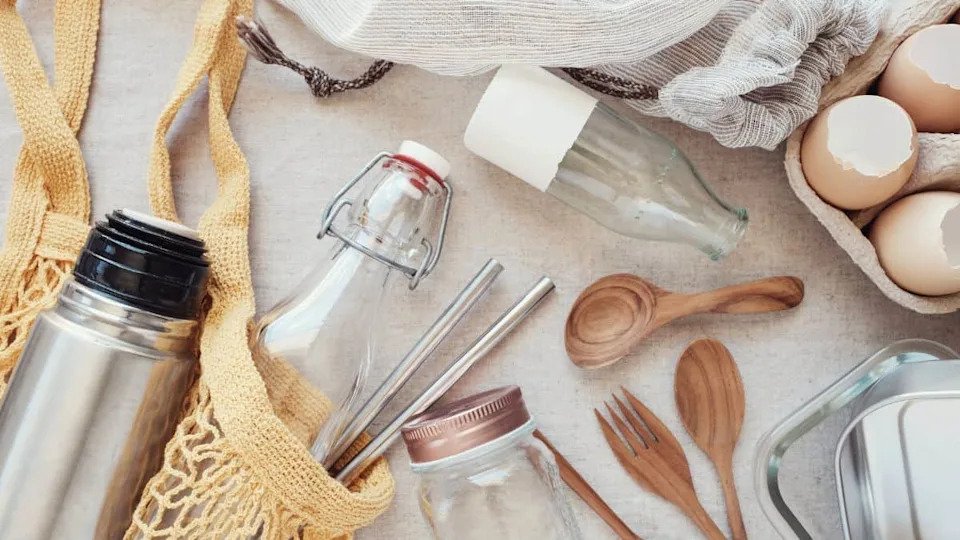
Are you tired of seeing plastic waste pile up in your kitchen every day? You might not realize it, but your kitchen is one of the biggest sources of plastic consumption in your home.
Reducing plastic here can make a huge difference—not just for the environment, but for your health and your wallet too. Imagine cutting down on plastic without giving up convenience or style. You’ll discover simple, practical steps that anyone can follow to reduce kitchen plastic use.
Ready to take control and make your kitchen greener? Let’s dive in!
Cut Single-use Plastics
Reducing plastic in the kitchen is important for the environment. Start by cutting single-use plastics in daily routines.
Small changes can make a big difference. Focus on reusable options to reduce waste and protect nature.
Swap Plastic Bags For Reusable Ones
Plastic bags are often used once and then thrown away. They can harm wildlife and pollute oceans.
Use reusable bags for shopping. They are stronger and can be used many times. Keep a few in your car or by the door.
- Cloth bags are washable and durable
- Mesh bags are great for fruits and vegetables
- Foldable bags fit easily in a purse or pocket
Choose Alternatives To Plastic Wrap
Plastic wrap is often used to cover food. It is not reusable and ends up in landfills.
Consider using alternatives like beeswax wraps or silicone lids. These options can be used multiple times.
- Beeswax wraps mold to containers with warmth from your hands
- Silicone lids stretch to fit various bowl sizes
- Glass containers with lids are perfect for leftovers
Avoid Disposable Cutlery And Plates
Disposable cutlery and plates are convenient but wasteful. They are used once and then discarded.
Opt for reusable options. This helps reduce trash and saves money over time.
- Use metal or bamboo cutlery sets
- Choose ceramic or glass plates for meals
- Consider compostable options for large gatherings

Credit: creators.yahoo.com
Switch To Sustainable Storage
Reducing kitchen plastic helps the environment. Choosing sustainable storage cuts down plastic waste.
Using eco-friendly containers keeps food fresh and lowers plastic use. It is easy to make this change.
Use Glass Or Metal Containers
Glass and metal containers last long and do not release chemicals. They are safe for hot and cold foods.
These containers are easy to clean and can be reused many times. They also look good in the kitchen.
- Use glass jars for leftovers and dry goods
- Choose stainless steel lunch boxes for meals
- Pick containers with tight lids to keep food fresh
Opt For Beeswax Wraps
Beeswax wraps are natural and reusable. They replace plastic wrap for covering bowls and wrapping food.
These wraps are breathable and keep food fresh longer. They can be washed with cool water and used again.
- Wrap sandwiches, cheese, and fruits
- Cover bowls or pots without lids
- Store snacks in a natural way
Store Food In Cloth Bags
Cloth bags are a great alternative to plastic bags. They work well for fruits, vegetables, and bread.
These bags are washable and last a long time. Using cloth bags helps reduce single-use plastic waste.
- Buy or make cotton or linen bags
- Use bags to shop fresh produce
- Store dry items like nuts and grains
Buy In Bulk
Buying food and household items in bulk helps reduce plastic waste. It lowers the need for many small packages.
Bulk buying saves money and cuts down on trash from single-use plastics.
Reduce Packaging Waste
Bulk items often use less packaging than smaller packages. This means less plastic to throw away.
Look for stores that sell grains, nuts, and spices without plastic wrapping. This reduces packaging waste a lot.
Bring Your Own Containers
Using your own containers helps avoid plastic bags and boxes. Bring jars, cloth bags, or boxes to the store.
Ask if the store allows filling your containers. This cuts down plastic use and keeps food fresh.
- Glass jars
- Cloth produce bags
- Reusable plastic containers
Choose Loose Produce
Buy fruits and vegetables without plastic wrap or bags. Loose produce reduces plastic waste greatly.
Pick items from bins or open displays. Bring your own bags to carry them home safely.

Credit: news.yahoo.com
Choose Eco-friendly Kitchen Tools
Reducing plastic in the kitchen helps protect the environment. Using eco-friendly tools can lower plastic waste.
Choosing the right kitchen tools is an easy way to cut down on plastic use every day.
Select Wooden Or Bamboo Utensils
Wooden and bamboo utensils are natural and biodegradable. They replace plastic spoons, forks, and spatulas.
These utensils are gentle on pots and pans. They also last a long time if cared for properly.
Avoid Plastic Cutting Boards
Plastic cutting boards can wear out and create small plastic pieces. These pieces may get into your food.
Choose cutting boards made from wood or bamboo. They are safer and more eco-friendly.
- Wood boards are durable and easy to clean
- Bamboo boards resist bacteria and dry quickly
- Both options reduce plastic waste in kitchens
Invest In Durable Appliances
Buy kitchen appliances that last many years. Durable products reduce the need to buy plastic replacements.
Choose appliances with metal or glass parts instead of plastic. They are easier to recycle and less harmful.
Practice Smart Recycling
Reducing plastic use in the kitchen helps the environment. Recycling plastics correctly is one way to cut waste.
Smart recycling means knowing how to prepare plastics and what to recycle. This makes sure plastics get reused properly.
Clean And Sort Plastics Properly
Rinse plastic containers to remove food scraps. Dirty plastics can spoil the recycling batch.
Sort plastics by type if your recycling program asks for it. This helps machines process them better.
- Remove labels and lids if required
- Flatten bottles to save space
- Keep plastics dry before recycling
Know What Your Local Program Accepts
Each town or city recycles different plastics. Check your local rules to avoid mistakes.
Some programs accept only certain plastics like bottles or containers. Others may take bags or wrap.
- Visit your city’s website for recycling guidelines
- Ask at local waste centers if unsure
- Follow rules to prevent contamination
Repurpose Plastic Items Creatively
Instead of throwing plastics away, reuse them around the house. This reduces new plastic use.
Turn containers into storage boxes or use jars as planters. Get creative to give plastics a second life.
- Use old plastic bottles to water plants
- Cut containers for organizing drawers
- Make craft projects from plastic lids
Make Homemade Alternatives
Reducing plastic in the kitchen helps the environment. Making homemade alternatives cuts plastic waste.
Simple changes at home can lower plastic use. Start with easy DIY projects that save money and plastic.
Prepare Your Own Cleaning Products
Many cleaning products come in plastic bottles. You can make your own cleaners at home with natural ingredients.
Use items like vinegar, baking soda, and lemon to clean your kitchen safely. Store these in reusable containers.
- Mix vinegar and water for an all-purpose cleaner
- Use baking soda to scrub surfaces
- Lemon juice removes stains and smells
- Keep solutions in glass spray bottles
Create Diy Food Wraps
Plastic wrap adds a lot of waste in kitchens. You can make your own food wraps using natural fabrics and beeswax.
These wraps are washable and reusable. They keep food fresh without plastic packaging.
- Use cotton fabric squares as a base
- Melt beeswax and brush it on the fabric
- Let wraps dry to create a flexible cover
- Use wraps for sandwiches, fruits, and bowls
Cook More To Avoid Packaged Meals
Packaged meals often come in plastic containers. Cooking fresh food helps reduce this plastic waste.
Cooking from scratch lets you use less plastic and eat healthier meals. Plan simple recipes to save time.
- Buy fresh ingredients without plastic packaging
- Cook meals in bulk and store in glass containers
- Use reusable bags for shopping
- Choose recipes with few ingredients and easy steps

Credit: x.com
Frequently Asked Questions
How Can I Start Reducing Kitchen Plastic Use?
Begin by identifying single-use plastics in your kitchen. Replace them with reusable alternatives like glass containers and cloth bags. Opt for bulk buying to minimize packaging waste. Small changes create lasting impact.
What Are Eco-friendly Kitchen Storage Options?
Use glass jars, stainless steel containers, and bamboo baskets. These materials are durable, non-toxic, and reusable. They help reduce plastic waste and keep food fresh naturally.
How To Avoid Plastic Packaging While Grocery Shopping?
Bring your own reusable bags and containers. Choose loose produce instead of pre-packaged items. Buy from local markets that use minimal packaging. This reduces plastic waste significantly.
Are Biodegradable Plastics Good For Kitchen Waste?
Biodegradable plastics break down faster but still need proper composting conditions. They are better than conventional plastics but not a complete solution. Prefer reusable and compostable materials for eco-friendly kitchens.
Conclusion
Reducing plastic in your kitchen helps protect the environment. Small changes make a big difference over time. Choose reusable bags, containers, and wraps instead of plastic. Buy products with less packaging when possible. Clean and reuse items to cut waste.
These steps save money and reduce pollution. Everyone can help create a cleaner world. Start today and see the positive impact grow. Simple habits lead to lasting change. Keep it easy and stay consistent. Your kitchen can be plastic-free, one choice at a time.