
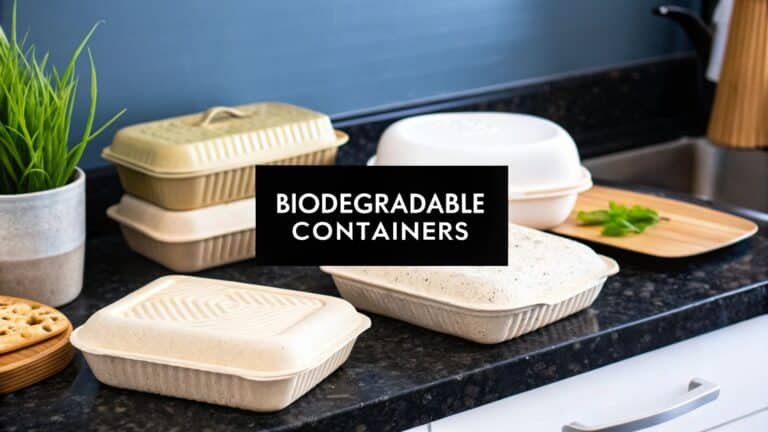
Are you ready to make a simple change that can protect the planet and improve your lifestyle? Switching to biodegradable containers is easier than you think, and the benefits are huge.
Imagine reducing plastic waste from your daily routine while still keeping your food fresh and safe. You’ll discover practical steps to make the switch smoothly and why it matters more than ever. Keep reading to find out how you can make a real difference with just one small change.
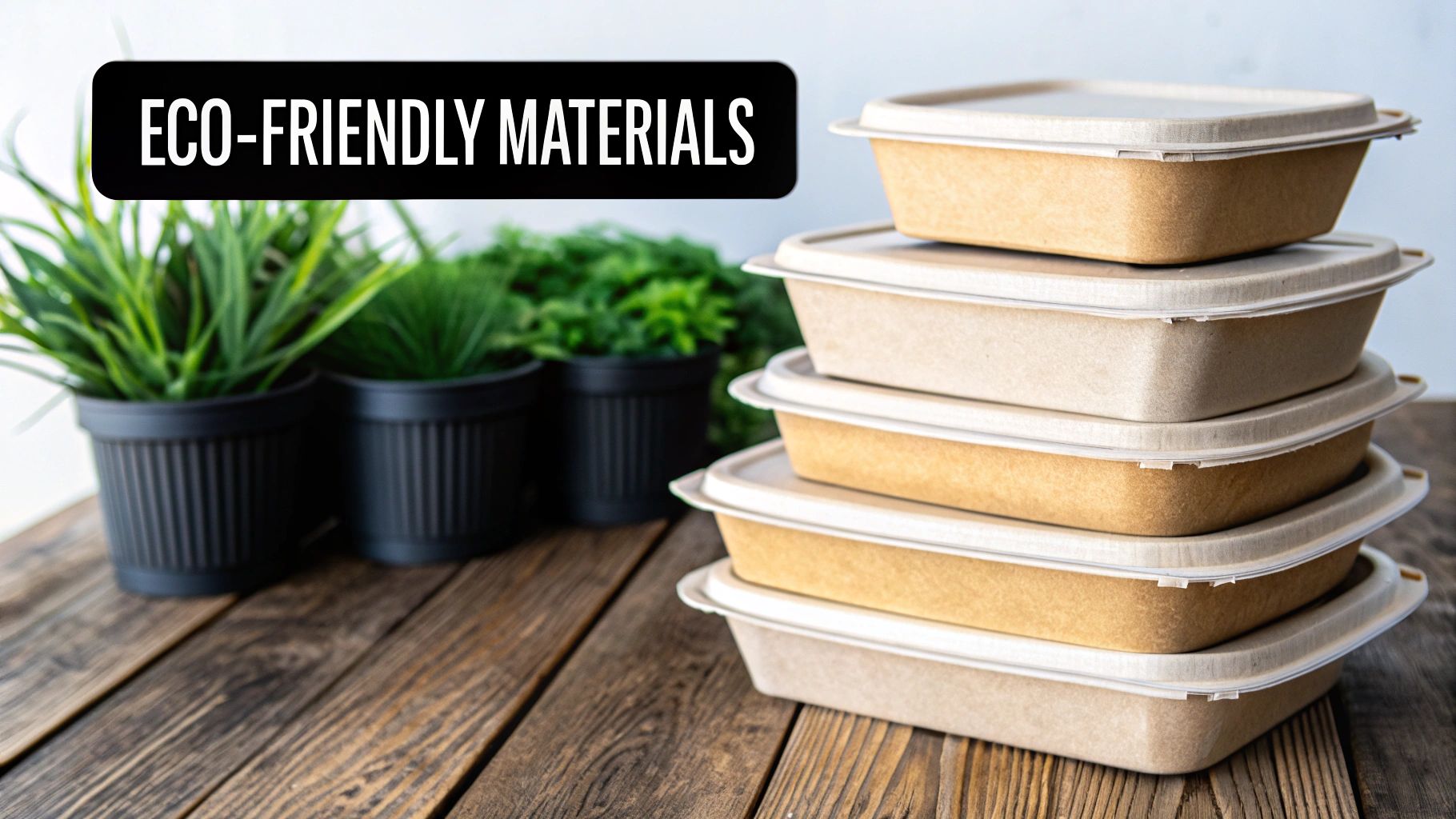
Credit: www.mrtakeoutbags.com
Benefits Of Biodegradable Containers
Switching to biodegradable containers offers many advantages. They are made from natural materials and break down quickly. This helps reduce waste and protect our planet.
Biodegradable containers are becoming more popular. They provide an eco-friendly option for businesses and individuals. Let’s explore their benefits.
Impact On The Environment
Biodegradable containers reduce landfill waste. They decompose naturally and do not harm the soil. This helps keep our environment clean.
These containers can be made from plants. This reduces our reliance on plastic and fossil fuels.
- Less plastic in oceans and landfills
- Lower carbon footprint
- Supports sustainable farming
Health Advantages
Biodegradable containers are often free from harmful chemicals. This makes them safer for storing food and beverages. They do not leach toxins into food.
Using these containers can reduce the risk of health issues. They are a safer choice for families and children.
- Non-toxic materials
- Safe for food contact
- Reduces exposure to harmful substances
Cost Considerations
Biodegradable containers can be more expensive than regular plastic. However, they offer long-term savings by reducing waste disposal costs.
Many businesses find the investment worthwhile. It can also improve brand image and attract eco-conscious customers.
- Potentially higher initial cost
- Reduced waste management expenses
- Appeals to environmentally aware consumers
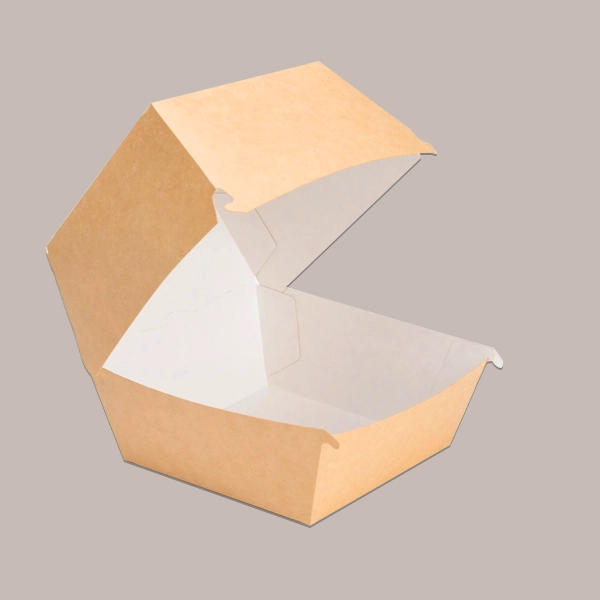
Credit: oxopackaging.com
Types Of Biodegradable Containers
Biodegradable containers break down naturally in the environment. They help reduce plastic waste and protect nature.
There are different types of biodegradable containers. Each type uses different materials and works in unique ways.
Plant-based Materials
Plant-based containers are made from crops like corn, sugarcane, and bamboo. These materials are renewable and grow back quickly.
They often look and feel like plastic but break down faster in soil or compost. They do not leave harmful residues.
- Corn starch containers
- Sugarcane bagasse trays
- Bamboo fiber boxes
Compostable Plastics
Compostable plastics are made from natural materials but act like regular plastic. They break down in industrial composting facilities.
These plastics need specific conditions like heat and moisture to decompose. They are good for food packaging and single-use containers.
- PLA (polylactic acid) from corn starch
- PHA (polyhydroxyalkanoates) from bacteria
- Starch blends mixed with bioplastics
Paper And Cardboard Options
Paper and cardboard containers are made from wood pulp or recycled paper. They are easy to recycle and break down quickly.
These containers may have coatings to hold liquids or grease. Some coatings are biodegradable too, making the container fully compostable.
- Uncoated paper cups and trays
- Cardboard boxes with plant-based liners
- Pulp molded containers
Choosing The Right Container
Switching to biodegradable containers helps reduce waste and protect the environment. Choosing the right container means thinking about your needs and the container’s features.
Look at how you will use the container. Check if it meets safety and quality standards. Also, compare how strong and long-lasting the container is.
Assessing Usage Needs
Think about what you will store in the container. Different foods or items need different container types. Some containers work better for hot foods, others for cold or dry items.
Also, consider the size and shape. Make sure the container fits your product and storage space. Choose containers that are easy to handle and carry.
- Type of food or product
- Temperature requirements
- Container size and shape
- Ease of handling and transport
Checking Certifications
Look for containers with trusted certifications. These prove the product meets environmental and safety standards. Certifications show the container is truly biodegradable and safe for use.
Some common certifications include compostability labels and food safety marks. These help you choose reliable containers that do not harm people or the planet.
- Compostability certifications (e.g., ASTM D6400, EN 13432)
- Food safety approvals
- Biodegradability guarantees
- Eco-labels from trusted organizations
Comparing Durability
Check how strong the containers are. Durability matters if you carry heavy or wet items. Containers should not break or leak easily.
Test containers for resistance to heat and moisture. Choose those that keep your products safe and fresh. Good durability means less waste from damaged containers.
- Strength for heavy items
- Resistance to heat and moisture
- Leak-proof features
- Maintains shape during use
Easy Steps To Make The Switch
Switching to biodegradable containers helps reduce waste and protect the planet. You can start this change at home or work.
The switch does not have to be hard. Follow simple steps to make the change easy and lasting.
Start Small
Begin by replacing a few plastic containers with biodegradable ones. Choose items you use daily.
This small change helps you get used to new materials and shapes. It also lowers initial costs.
- Swap lunch boxes or food storage containers first
- Use biodegradable bags for snacks
- Try compostable plates for small gatherings
Replace Gradually
Change your containers step by step. Replace old plastic containers when they wear out.
This approach avoids waste and spreads out the cost. It also helps find the best biodegradable products for your needs.
- Check your current containers for damage
- Buy biodegradable replacements during your regular shopping
- Keep using plastic containers until they need replacement
Educate Household Or Staff
Tell everyone in your home or workplace why you choose biodegradable containers. Share easy tips for use and care.
Understanding the benefits encourages everyone to support the change and handle the containers properly.
- Explain how biodegradable containers reduce plastic waste
- Show how to clean and store the containers
- Encourage recycling or composting of used containers
Maintaining Biodegradable Containers
Biodegradable containers are better for the environment. To keep them useful, you must care for them properly. Maintenance helps these containers last longer and work well.
This guide explains how to clean, store, and dispose of biodegradable containers the right way.
Proper Cleaning Tips
Clean biodegradable containers gently. Use mild soap and warm water. Avoid strong chemicals or scrubbing hard. This can damage the container’s surface.
Rinse containers well to remove all soap. Let them air dry completely before storing. Drying prevents mold and bad smells.
- Use soft sponges or cloths
- Do not use bleach or harsh cleaners
- Rinse thoroughly with water
- Air dry in a clean area
Storage Guidelines
Store biodegradable containers in a cool, dry place. Avoid direct sunlight and heat. These can cause the containers to break down too fast.
Keep containers away from sharp objects. Stack them carefully to avoid cracks or dents. Proper storage keeps containers safe and clean.
- Choose a dry, shaded storage area
- Keep containers away from heat sources
- Stack gently to prevent damage
- Avoid placing heavy items on top
Disposal Methods
Dispose of biodegradable containers in compost or green waste bins. They break down faster in these environments. Do not throw them in regular trash.
Check local rules for biodegradable waste disposal. Some places have special guidelines. Proper disposal helps reduce landfill waste and pollution.
- Use compost bins if available
- Follow your area’s waste disposal rules
- Do not burn biodegradable containers
- Avoid mixing with plastic waste
Common Challenges And Solutions
Switching to biodegradable containers can help the environment. Many businesses want to make this change.
Some challenges come with the switch. Knowing the problems and fixes helps make the change easier.
Cost Management
Biodegradable containers often cost more than plastic ones. This higher price can be a big concern for businesses.
To manage costs, buy in bulk and find local suppliers. This can lower prices and reduce shipping fees.
- Compare prices from different suppliers
- Order larger quantities for discounts
- Look for seasonal sales or offers
- Reduce waste to save money
Availability Issues
Biodegradable containers may not be easy to find everywhere. Some areas have limited supply.
Check multiple suppliers and ask for delivery options. Planning ahead can prevent running out of containers.
- Search for local and online suppliers
- Keep extra stock for busy times
- Talk to suppliers about regular deliveries
User Adaptation
People may not know how to use biodegradable containers. This can cause confusion or waste.
Train staff and inform customers about the new containers. Clear signs and simple instructions help everyone.
- Provide short training sessions for employees
- Use labels to explain container use
- Encourage feedback to improve the process
Eco-friendly Practices To Complement The Switch
Switching to biodegradable containers helps reduce plastic waste. To make a bigger impact, adopt other green habits too.
These simple eco-friendly practices support your choice and protect the planet for future generations.
Reducing Overall Waste
Cut down the total amount of waste you create each day. Use only what you need and avoid extra packaging.
Try these tips to lower your waste output:
- Buy in bulk to reduce packaging
- Choose reusable bags and containers
- Plan meals to avoid food waste
- Compost organic scraps at home
Supporting Sustainable Brands
Pick brands that care for the environment. They often use eco-friendly materials and fair work practices.
Look for products with clear sustainability labels. This helps ensure your purchases support green businesses.
- Choose items made from recycled or natural materials
- Support local companies to reduce shipping emissions
- Read about brand values before buying
- Buy from companies that give back to the environment
Encouraging Recycling
Recycling helps keep materials in use and cuts landfill waste. Make recycling easy and clear for everyone.
Set up bins and explain what goes where. Remind people to clean containers before recycling.
- Use separate bins for paper, plastic, and glass
- Place recycling bins in visible spots
- Teach others the benefits of recycling
- Check local rules for recycling guidelines

Credit: ecori.org
Frequently Asked Questions
What Are The Benefits Of Switching To Biodegradable Containers?
Switching reduces plastic waste and lowers environmental impact. Biodegradable containers decompose naturally, saving landfill space. They often use renewable resources, promoting sustainability and healthier ecosystems.
How Do Biodegradable Containers Compare To Plastic Ones?
Biodegradable containers break down faster and don’t release harmful toxins. Plastic containers persist for centuries and pollute oceans. Biodegradables support eco-friendly waste management and reduce carbon footprint.
Where Can I Buy Affordable Biodegradable Containers?
Many online retailers and eco-friendly stores offer affordable options. Check local grocery stores or specialty shops focused on sustainability. Bulk buying can also reduce costs significantly.
Are Biodegradable Containers Safe For Food Storage?
Yes, most biodegradable containers are food-safe and non-toxic. They meet health regulations and keep food fresh. Always check product labels for certifications ensuring food safety.
Conclusion
Switching to biodegradable containers helps protect our planet. These containers break down naturally and reduce waste. They keep the environment cleaner and safer for everyone. Start small by replacing one type of container first. Choose options made from materials like bamboo, paper, or plant fibers.
Your choices can make a big difference over time. Together, we can support a greener, healthier world. Every step counts toward a better future.