
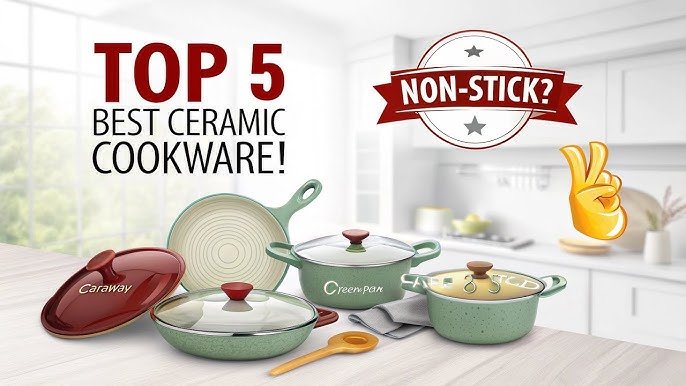
Are you ready to upgrade your kitchen with cookware that’s better for you and the planet? Choosing eco-friendly cookware can feel overwhelming with so many options out there.
But don’t worry—knowing the right tips makes the process simple and rewarding. You’ll discover easy ways to pick cookware that’s safe, durable, and kind to the environment. Keep reading to find out how small choices in your kitchen can make a big difference.
Your next cooking adventure starts here!
Benefits Of Eco-friendly Cookware
Eco-friendly cookware is better for the planet. It also offers many benefits for your health and wallet. Choosing the right cookware can make a big difference.
This guide will help you understand the advantages of eco-friendly cookware. Learn how it impacts health, the environment, and cost efficiency.
Health Advantages
Eco-friendly cookware is made without harmful chemicals. It often uses natural materials that are safe for cooking. This reduces the risk of toxins in your food.
Non-toxic cookware can improve your health. It can prevent exposure to dangerous substances. Enjoy cooking with peace of mind.
Environmental Impact
Eco-friendly cookware is good for the Earth. It is often made from sustainable materials. This helps reduce waste and pollution.
Choosing these products supports eco-friendly practices. It encourages manufacturers to be more responsible. Your choice can help protect the planet.
Cost Efficiency Over Time
Eco-friendly cookware can save you money. It is often durable and long-lasting. This means fewer replacements and lower costs over time.
Investing in quality cookware pays off. You will spend less on replacements. Quality materials offer better cooking experiences.
- Lasts longer than traditional cookware
- Reduces need for frequent purchases
- Improves cooking efficiency
Materials To Consider
Choosing eco-friendly cookware means picking materials that last long and are safe for the environment. Some materials use less energy to make and can be recycled or reused.
Look for cookware made from natural or recycled materials. These options reduce waste and avoid harmful chemicals in your kitchen.
Stainless Steel
Stainless steel is a durable and non-toxic option. It does not react with food, so it keeps your meals safe and healthy. It also lasts a long time, which reduces waste.
This material is easy to recycle and can be reused many times. It heats evenly and works well for many cooking styles.
Cast Iron
Cast iron is a natural and heavy material that holds heat well. It can last for decades if cared for properly. This makes it a great eco-friendly choice.
Cast iron can be recycled and often improves with use as it develops a natural non-stick surface. It is good for frying, baking, and slow cooking.
Ceramic
Ceramic cookware is made from natural clay and minerals. It is free of harmful chemicals and safe for cooking. Ceramic coatings also prevent food from sticking without toxic sprays.
Ceramic pots and pans are biodegradable and break down naturally. They work well for low to medium heat cooking and are easy to clean.
Recycled Aluminum
Recycled aluminum uses less energy to produce than new aluminum. It is light and heats quickly, making cooking faster and more efficient.
Choosing cookware made from recycled aluminum helps reduce mining waste. Look for products that clearly state they use recycled materials.
Avoiding Harmful Coatings
Choosing eco-friendly cookware means avoiding harmful coatings. Some coatings release toxic chemicals when heated. These chemicals can harm your health and the environment.
Learning about coatings helps you pick safe cookware. This guide explains risks and safer options for non-stick pans.
Teflon And Ptfe Risks
Teflon is a common non-stick coating made with PTFE. It works well but can be unsafe if overheated. High heat breaks down PTFE, releasing toxic fumes.
These fumes can cause flu-like symptoms called “polymer fume fever.” They may also harm pet birds and small animals. Avoid cooking on Teflon pans at very high temperatures.
- Do not heat Teflon pans above 500°F (260°C)
- Replace pans if coating peels or chips
- Use proper ventilation when cooking
Safe Non-stick Alternatives
Look for cookware with safe, eco-friendly coatings. Ceramic and cast iron are good non-stick choices. They do not release harmful chemicals when heated.
These materials last long and are easy to clean. They work well with less oil, helping you cook healthy meals.
- Ceramic coatings are free from PTFE and PFOA
- Cast iron builds a natural non-stick surface over time
- Stainless steel pans are durable and chemical-free

Credit: www.greenpan.us
Durability And Longevity
Choosing eco-friendly cookware means looking for items that last a long time. Durable cookware saves money and reduces waste.
Good quality means your cookware can handle daily use without breaking or wearing out quickly. This helps protect the environment.
Signs Of Quality Craftsmanship
Look for cookware made with strong materials like stainless steel or cast iron. These materials resist damage and last for years.
Check how well the parts are joined. Welds or seams should be smooth and tight without gaps or rough edges.
- Heavy weight shows solid material and good construction
- Even surface without dents or warps
- Handles firmly attached with rivets or screws
- Non-toxic, eco-friendly coatings without peeling
Maintenance Tips
Clean your cookware gently to keep it in good shape. Avoid harsh chemicals that can damage eco-friendly finishes.
Dry your cookware completely after washing. This stops rust and keeps materials strong over time.
- Use soft sponges or cloths for cleaning
- Season cast iron pans regularly to prevent rust
- Store cookware in a dry place with good air flow
- Avoid metal utensils that can scratch coatings
Sourcing And Certifications
Choosing eco-friendly cookware means checking where materials come from. It also means looking for trusted certifications.
These steps help ensure the cookware is safe for you and the planet.
Eco-friendly Labels To Look For
Look for labels that prove the cookware is made with eco-friendly methods. These labels show the product meets strict environmental rules.
- Energy Star: Shows products use less energy
- Green Seal: Certifies low environmental impact
- FSC Certified: Confirms wood comes from responsible forests
- OEKO-TEX: Ensures no harmful chemicals in textiles or coatings
Fair Trade And Ethical Manufacturing
Fair Trade labels mean workers get fair pay and good conditions. Ethical manufacturing means factories follow safe and fair rules.
Choosing cookware made this way supports people and the planet.
- Fair Trade Certified: Ensures fair wages and safe work
- SA8000: Focuses on workers’ rights and safety
- Certified B Corporation: Meets high social and environmental standards
Budget-friendly Sustainable Options
Buying eco-friendly cookware does not have to be expensive. There are many options that fit a tight budget. Choosing the right cookware helps reduce waste and protect the planet.
Look for products made from safe materials that last long. This saves money and reduces the need to replace items often.
Affordable Brands
Some brands focus on making sustainable cookware at low prices. They use recycled or natural materials. These brands keep quality good while lowering costs.
Look for brands that avoid harmful chemicals and use eco-friendly packaging. This helps the environment and your health.
- Check for stainless steel or cast iron cookware
- Choose brands with clear sustainability practices
- Buy sets instead of single pieces to save money
- Look for warranties to ensure long use
Second-hand And Upcycled Cookware
Buying used cookware is a smart eco choice. It saves resources by reusing items that still work well. You can find good quality pots and pans at thrift shops or online marketplaces.
Upcycled cookware is made from old materials given new life. This type of cookware often has unique designs and helps reduce waste.
- Inspect used cookware for damage before buying
- Clean and season cast iron pans to extend life
- Support local shops that sell upcycled kitchen items
- Consider DIY projects to customize old cookware
Caring For Eco-friendly Cookware
Eco-friendly cookware needs special care to last long. Proper cleaning and storage keep it safe.
Taking good care helps protect the environment and your health. It also keeps the cookware working well.
Cleaning Techniques
Clean eco-friendly cookware gently to avoid damage. Use soft sponges or cloths to wash them.
Avoid harsh chemicals and abrasive scrubbers. These can harm the surface and reduce its lifespan.
- Use warm water and mild soap
- Rinse well to remove soap residue
- Dry with a soft towel to stop rust
- For stuck food, soak in water before cleaning
Storage Tips
Store cookware in a dry place to stop moisture damage. Keep lids and pots separate if possible.
Use cloth or paper towels between stacked pieces. This prevents scratches and keeps surfaces smooth.
- Keep cookware in a cool, dry cabinet
- Stack with soft layers to protect surfaces
- Hang pots and pans if you have hooks
- Store lids upside down for better space use

Credit: www.greenpan.us

Credit: www.greenpan.us
Frequently Asked Questions
What Materials Are Best For Eco-friendly Cookware?
Eco-friendly cookware is often made from stainless steel, cast iron, ceramic, or recycled aluminum. These materials are durable, non-toxic, and recyclable. They avoid harmful chemicals like PFOA and PTFE, ensuring safer cooking and less environmental impact.
How To Identify Non-toxic Cookware Coatings?
Look for cookware labeled PFOA-free, PTFE-free, or ceramic-coated. These coatings avoid harmful chemicals that can release toxins when heated. Always check product descriptions and certifications to ensure the cookware is safe for your health and the environment.
Are Eco-friendly Cookware Options More Durable?
Yes, eco-friendly cookware like cast iron and stainless steel is highly durable. They last for years with proper care, reducing waste and the need for replacements. This durability makes them a sustainable choice for everyday cooking.
Can Eco-friendly Cookware Improve Cooking Performance?
Eco-friendly cookware often heats evenly and retains heat well. Materials like cast iron and stainless steel enhance cooking efficiency and flavor. Better heat distribution means less energy use and more consistent cooking results.
Conclusion
Choosing eco-friendly cookware helps protect the planet and your health. It saves energy and reduces waste in the kitchen. Simple choices, like checking materials and brands, make a big difference. Durable pots and pans last longer and cut down on trash.
Cooking with safe, natural materials keeps food pure and tasty. Small steps add up to a greener home. Start today, enjoy cooking, and care for the Earth at the same time. Your kitchen can be eco-friendly and practical.