
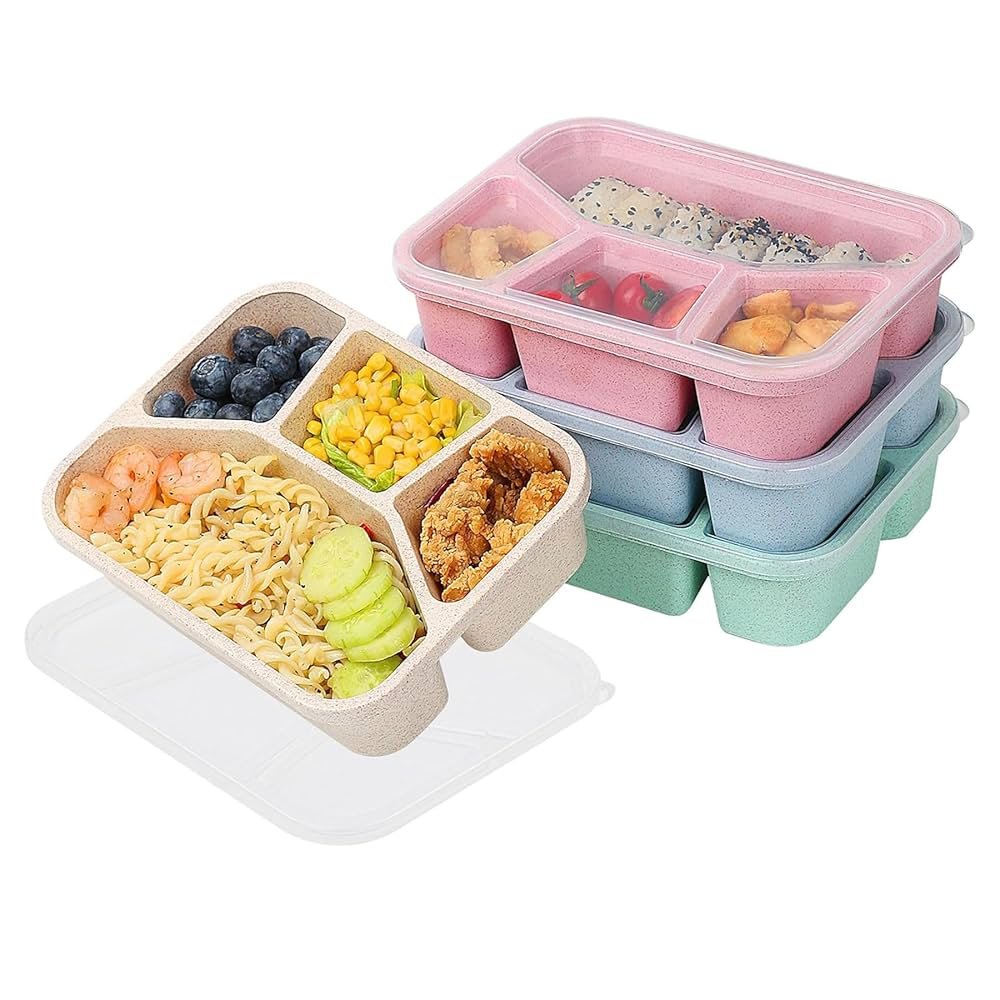
Choosing the right reusable food containers can make a big difference in your daily routine. You want containers that keep your food fresh, are easy to clean, and fit your lifestyle perfectly.
But with so many options out there, how do you pick the best ones for you? This guide will help you make smart choices, so you save money, reduce waste, and enjoy your meals more. Ready to find the perfect containers that work for your needs?
Let’s dive in.
Credit: shopping.yahoo.com
Benefits Of Reusable Containers
Reusable food containers are a smart choice for many reasons. They are good for the planet and your wallet. Let’s explore their benefits in detail.
These containers are better than single-use plastics. They last longer and help keep our environment clean.
Environmental Impact
Using reusable containers reduces waste. Single-use plastics often end up in landfills and oceans. Reusable options help cut down on plastic pollution.
They also save energy. Making new plastics uses lots of resources. Reusing containers means less demand for new plastic production.
- Less plastic waste in the environment
- Reduced energy use in plastic production
- Fewer pollutants released into the air
Cost Savings Over Time
Reusable containers save money. You buy them once and use them again and again. This is cheaper than buying disposable containers.
They are durable and can last for years. This means fewer replacements and more savings for you.
- One-time purchase for long-term use
- Lower overall spending on storage
- Reduced need for constant replacements
Health Advantages
Reusable containers are often made from safe materials. They do not leak harmful chemicals into your food like some plastics can.
They help keep food fresh. Airtight seals prevent bacteria from spoiling your meals.
- Safe materials protect health
- Airtight seals keep food fresh
- Reduce risk of chemical exposure
Types Of Reusable Containers
Reusable food containers help reduce waste and keep food fresh. There are many types to choose from. Each type has its own benefits and uses.
Choosing the right container depends on what you need. Look at the material, durability, and safety for food storage.
Glass Containers
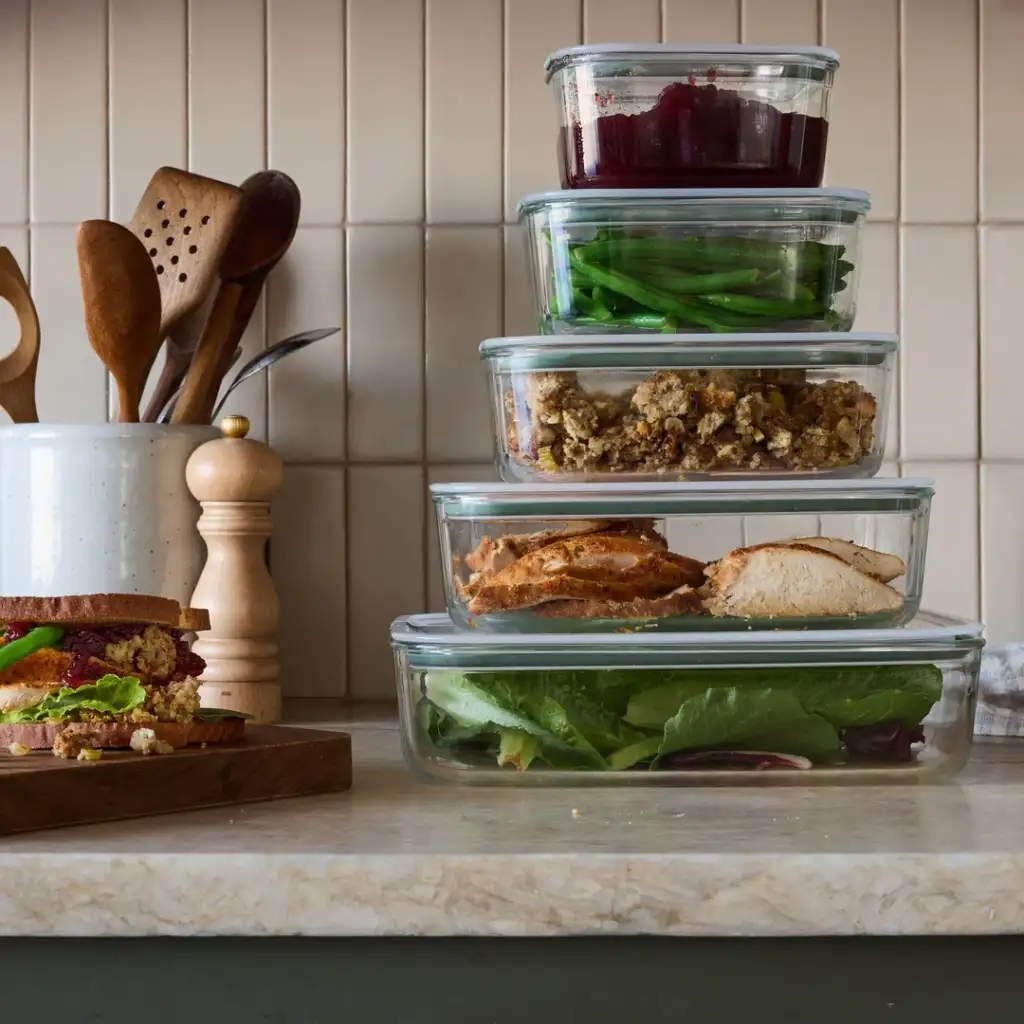
Glass containers are strong and do not hold odors or stains. They are safe for microwaves and ovens. Glass is easy to clean and lasts long.
These containers often come with airtight lids. They work well for storing leftovers or meal prep. Glass is a good choice if you want a clear view of your food.
Stainless Steel Options
Stainless steel containers are very durable and lightweight. They do not break if dropped. They keep food fresh and do not react with acidic foods.
Most stainless steel containers are not microwave safe. They are good for carrying lunches or snacks. These containers often have secure lids to avoid spills.
Silicone Containers
Silicone containers are flexible and easy to store. They can fold or collapse to save space. Silicone is heat resistant and safe for microwaves and freezers.
These containers often come in bright colors. They are good for snacks, liquids, or small portions. Silicone is easy to clean and does not absorb smells.
Bamboo And Other Natural Materials
Bamboo containers are eco-friendly and biodegradable. They look natural and stylish. These containers are lightweight but less durable than metal or glass.
Other natural materials include wood and wheat straw. They are good for dry foods and snacks. These containers are best for short-term use and gentle handling.
Key Features To Consider
Choosing the right reusable food containers helps keep food fresh and reduces waste. Look for containers with features that match your needs.
Consider factors like how strong the container is, if it seals well, and if it fits your storage space. This guide explains the key features to check.
Durability And Longevity
Durable containers last longer and save money. They resist cracks, dents, and stains over time.
Look for materials like stainless steel, thick plastic, or glass. These usually hold up well to daily use and washing.
Leak-proof And Airtight Seals
Containers with leak-proof seals stop spills and keep food fresh. Airtight lids block air and moisture from entering.
Check if the lid snaps or locks tightly. Silicone gaskets often help create a strong seal.
- Prevents messes in bags or fridge
- Keeps food fresh longer
- Stops odors from escaping
Size And Shape Variations
Choose containers in different sizes and shapes. This helps store various foods and fits different spaces.
Square or rectangular containers use fridge space better than round ones. Small containers are good for snacks or sauces.
- Large containers for meals and leftovers
- Medium sizes for fruits and veggies
- Small containers for dips or nuts
Microwave And Freezer Safety
Check if containers are safe to use in the microwave and freezer. This adds convenience for heating and storing food.
Look for labels that say microwave-safe and freezer-safe. Avoid containers that might melt or crack at low or high temperatures.
- Microwave-safe containers heat food evenly
- Freezer-safe containers prevent cracking
- Safe containers keep food quality intact

Credit: www.tupperware.ca
Eco-friendly Certification And Labels
Choosing reusable food containers means thinking about the environment. Eco-friendly certifications help you pick safe and green products.
These labels show if a container is made from safe materials and if it can be recycled or composted.
Bpa-free And Non-toxic Materials
BPA is a chemical that can harm health. Containers labeled BPA-free do not have this chemical.
Non-toxic materials mean the container does not release harmful substances. Look for plastics, glass, or stainless steel that are safe for food.
Recyclability And Compostability
Recyclable containers can be processed and used again. This reduces waste and saves resources.
Compostable containers break down naturally without harming the earth. These are often made from plant-based materials.
- Check for recycling symbols on the container
- Look for compostable labels if you want natural breakdown
- Choose containers that fit your local recycling or composting rules
Certifications To Look For
Certifications show that a product meets eco-friendly and safety standards. They give you confidence in your choice.
- FDA Approved: Safe for food use
- LFGB Certified: Meets strict German food safety rules
- Green Seal: Environmentally responsible product
- USDA Biobased: Made from renewable resources
- OK Compost: Suitable for industrial composting
Tips For Maintenance And Cleaning
Keeping reusable food containers clean helps them last longer and stay safe to use. Proper care stops bad smells and stains.
Follow simple cleaning and storage tips to keep your containers fresh and ready for your meals.
Proper Washing Techniques
Wash containers right after use to stop food from drying inside. Use warm water and mild soap for cleaning.
Use a soft sponge or cloth to avoid scratches. Rinse well to remove all soap.
- Hand wash or use the top rack of the dishwasher
- Avoid harsh scrubbers or steel wool
- Dry containers completely before storing
Avoiding Stains And Odors
Some foods can leave stains or smells in containers. Clean them quickly to prevent this.
Use natural cleaners like baking soda or vinegar to remove odors and stains safely.
- Rinse containers immediately after use
- Apply baking soda paste on stains and scrub gently
- Soak containers in vinegar and water for 10 minutes to remove smells
Storage Best Practices
Store containers with lids off or loose to stop moisture buildup. This helps prevent mold and smells.
Keep containers in a clean, dry place. Avoid stacking wet containers to stop damage.
- Store containers dry and open
- Keep lids separate or loosely placed
- Use breathable storage areas like shelves or cabinets
Credit: thewellnessfeed.com
Where To Buy Sustainable Containers
Choosing reusable food containers helps reduce waste. Finding the right place to buy them is important.
There are many places to find sustainable containers. Each option has its own benefits and variety.
Online Marketplaces
Online marketplaces offer many choices for reusable containers. You can compare products and prices easily.
These sites often have user reviews to help you decide. Look for containers made from eco-friendly materials.
- Wide selection of brands and styles
- Convenient shopping from home
- Easy to check customer feedback
- Access to international sellers
Specialty Eco Stores
Specialty eco stores focus on sustainable products. They often carry high-quality reusable food containers.
Staff can offer advice on materials and uses. These stores support environmentally friendly brands.
- Carefully selected eco-friendly items
- Knowledgeable staff for questions
- Support for green businesses
- May offer refill or return programs
Local Shops And Farmers Markets
Local shops and farmers markets often sell reusable containers. Buying local reduces shipping impact.
These places help you find unique, handmade, or small-batch containers. You can meet the makers and ask about materials.
- Support local economy and artisans
- Find unique and handmade options
- Less packaging and transportation waste
- Opportunity to ask questions directly
Frequently Asked Questions
What Materials Are Best For Reusable Food Containers?
Glass, stainless steel, and BPA-free plastic are top materials. Glass is durable and non-toxic. Stainless steel is eco-friendly and long-lasting. BPA-free plastic is lightweight and safe for daily use. Choose based on your needs and preferences.
How To Choose The Right Size For Containers?
Select sizes based on your typical meal portions. Small containers suit snacks and dressings. Medium sizes work for single meals. Large containers are ideal for batch cooking or storing leftovers. Versatile sets with multiple sizes offer flexibility.
Are Reusable Containers Safe For Microwaves And Dishwashers?
Check manufacturer labels for microwave and dishwasher safety. Glass and stainless steel often handle microwaves and dishwashers well. Some plastics may warp or release toxins when heated. Prioritize containers labeled microwave and dishwasher safe to ensure durability and safety.
How To Maintain And Clean Reusable Food Containers?
Clean containers promptly after use with warm, soapy water. Avoid harsh scrubbers that can damage surfaces. Dishwasher-safe containers simplify cleaning. Regularly inspect seals and lids for wear. Proper maintenance extends container lifespan and keeps food safe.
Conclusion
Choosing the right reusable food containers helps save money and the planet. Think about size, material, and ease of cleaning. Pick containers that fit your lifestyle and keep food fresh. Durable containers last longer and reduce waste. Simple steps make daily meal prep easier and greener.
Start small, and build your collection over time. Reusable containers are a smart choice for health and environment. Make your kitchen more eco-friendly today.