

Are you ready to make a simple change that helps the planet every time you serve a drink or meal? Using compostable cups and plates is a smart way to reduce waste and protect the environment.
But to get the best results, you need to know how to use them correctly. You’ll discover easy tips that make your compostable tableware work perfectly for you—and for the Earth. Keep reading to learn how small actions can make a big difference!
Choosing The Right Compostable Products
Compostable cups and plates are good for the environment. Choosing the right ones helps reduce waste effectively.
It is important to know what materials and labels to check. This guide will help you pick the best compostable products.
Materials To Look For
Look for materials that break down easily in compost. These include plant-based and natural fibers.
- PLA (Polylactic Acid) made from cornstarch
- Pulp from sugarcane or bamboo fibers
- Bagasse, the leftover fiber from sugarcane
- Paper with compostable coatings
Avoid plastics that only look compostable but do not break down well. True compostable products leave no harmful residue.
Certifications And Labels
Check for trusted certifications. These show the product meets composting standards.
- Compostable logos from organizations like BPI or TUV Austria
- Labels that say “ASTM D6400” or “EN 13432” standards met
- Information about industrial or home composting suitability
Clear labels help avoid confusion about how to dispose of the items properly.
Avoiding Common Pitfalls
Do not assume all green or natural-looking products are compostable. Some have plastic layers that prevent breakdown.
- Do not mix compostable items with regular plastic waste
- Make sure local compost facilities accept the product type
- Check product thickness; too thick items may not compost well
- Store compostable cups and plates in dry conditions before use
Following these tips helps ensure your compostable products are truly eco-friendly.
Proper Usage Tips
Compostable cups and plates are great for the environment. They break down faster than regular ones. Using them properly ensures they work best.
Here are some tips to make the most of your compostable dishes. These tips will help you use them safely and effectively.
Handling Hot And Cold Drinks
Compostable cups can hold both hot and cold drinks. Use caution with hot liquids as they can soften the cups.
Cold drinks are safe and will not affect the cup’s strength. Always check the cup’s label for temperature limits.
- Hold hot drinks with care
- Use a sleeve for extra protection
- Ensure cups are suitable for hot liquids
Serving Suitable Foods
Compostable plates are perfect for light meals and snacks. They work well for salads, sandwiches, and fruits.
Avoid using them for very oily or liquid-heavy foods. This helps maintain their structure and effectiveness.
- Great for dry or semi-dry foods
- Avoid soups and heavy sauces
- Check weight limits on packaging
Avoiding Contamination
Keep compostable items away from non-compostable trash. This ensures they decompose properly in compost facilities.
Place compostable dishes in designated bins. Avoid placing them in regular trash to prevent contamination.
- Use clear signage for compost bins
- Educate guests on proper disposal
- Keep compost bins separate from others
Effective Composting Practices
Compostable cups and plates help reduce waste. Using them well means following good composting practices.
Proper composting keeps the environment clean and helps materials break down faster.
Sorting And Cleaning
Sort compostable items from trash and recyclables. Keep non-compostable items out to avoid contamination.
Rinse cups and plates lightly if they have food or drink leftovers. Heavy cleaning is not needed.
- Separate compostable cups and plates from plastic and metal
- Remove food scraps that won’t break down easily
- Rinse off sticky or oily residue
- Do not use harsh detergents when cleaning
Home Vs. Industrial Composting
Home composting works for small amounts of compostable cups and plates. It takes more time.
Industrial composting uses high heat to break down materials quickly. Not all compostable items work at home.
- Home composting needs warm, moist conditions and aeration
- Industrial composting heats materials to 140°F or higher
- Check labels to see if items are home compostable
- Use industrial composting for large amounts or items not suited for home composting
Troubleshooting Composting Issues
Sometimes compostable cups and plates do not break down well. This can be due to wrong conditions or contamination.
Fix issues by adjusting moisture, temperature, and sorting. Avoid adding plastics or metals.
- Keep compost moist but not wet
- Turn compost regularly to add air
- Remove non-compostable waste immediately
- Ensure compost pile stays warm enough

Credit: www.dreamstime.com
Maximizing Eco Benefits
Compostable cups and plates help reduce harm to the environment. Using them correctly improves their green impact.
Here are tips to get the most eco benefits from these products in daily use.
Reducing Single-use Waste
Use compostable cups and plates to cut down on plastic waste. Avoid mixing them with non-compostable trash.
Make sure to compost these items properly after use to keep waste out of landfills.
- Choose products certified as compostable
- Set up clear compost bins at events or venues
- Train staff to separate compostable items correctly
Combining With Other Green Practices
Pair compostable cups and plates with other eco-friendly steps. This boosts the overall green effect.
Think about reducing food waste and using reusable utensils when possible.
- Use biodegradable napkins and cutlery
- Offer water stations to reduce bottled water use
- Encourage recycling alongside composting
Educating Guests And Customers
Teach guests how to dispose of compostable products properly. Clear signs help guide their actions.
Explain why composting matters to increase participation and reduce contamination.
- Use simple labels on bins
- Share brief tips at events or on menus
- Train staff to answer questions about composting
Innovative Eco-friendly Hacks
Compostable cups and plates help reduce waste. Using them smartly makes a bigger difference.
Try new ways to reuse and decorate these items before composting. Small actions add up.
Diy Compostable Decorations
Turn compostable cups and plates into party decorations. Cut and paint them for unique looks.
Use natural colors or markers that are safe for the environment. This reduces plastic decor waste.
- Make flower garlands by cutting cups into petal shapes
- Create table centerpieces by stacking plates
- Use cups as holders for small plants or candles
- Paint cups and plates with eco-friendly colors
Reusing Before Composting
Reuse cups and plates for multiple events if they stay clean. This saves resources and waste.
Store used items carefully to avoid damage. Clean them with natural soap and water.
- Use cups for seed starters in your garden
- Serve snacks or small portions multiple times
- Keep plates for art projects or kids’ crafts
- Turn cups into organizers for pens and small tools
Creative Waste Reduction Ideas
Plan your event size well to avoid leftover compostable items. Only use what you need.
Combine compostable cups and plates with other zero-waste habits to cut trash further.
- Offer water stations to refill cups instead of single use
- Choose bulk food servings to reduce packaging waste
- Encourage guests to bring reusable containers
- Compost leftover food and used cups or plates properly
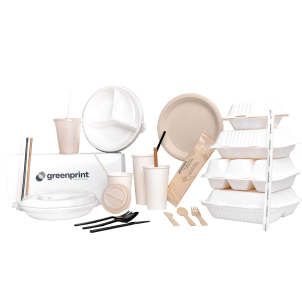
Credit: greenprintproducts.com
:max_bytes(150000):strip_icc()/GettyImages-1258000504-306180646326482793f353779aaa96df.jpg)
Credit: www.marthastewart.com
Frequently Asked Questions
What Are The Benefits Of Using Compostable Cups And Plates?
Compostable cups and plates reduce landfill waste and lower carbon footprints. They decompose naturally, supporting eco-friendly disposal and conserving resources.
How To Properly Dispose Of Compostable Cups And Plates?
Dispose of compostable items in industrial compost bins or home compost piles. Avoid regular trash to ensure proper breakdown and environmental benefits.
Can Compostable Cups Handle Hot And Cold Drinks?
Yes, compostable cups are designed for both hot and cold drinks. They maintain durability without leaking or melting during use.
Are Compostable Cups And Plates Safe For Food Use?
Absolutely. They are made from non-toxic, food-safe materials, ensuring no harmful chemicals leach into food or beverages.
Conclusion
Using compostable cups and plates helps protect our planet. Choose products made from natural materials. Always check if your local facility can compost them. Avoid mixing compostable items with regular trash. Store them properly to keep their quality. Small steps lead to big environmental benefits.
Every effort counts in reducing waste. Keep these tips in mind to use compostable products well. Together, we can support a cleaner, greener future.